It started with a kitchen catastrophe that I still replay in my head. I was trying to salvage a ruined chocolate cake that had turned out a soggy, unappetizing blob, and the next day I was craving something that would make me say, “I need this in my life.” That craving led me straight to the internet, where I found a recipe that promised a Black Cocoa Cake that would turn any ordinary dessert into a showstopper. I didn’t know then that this would become my go-to treat for parties, late‑night cravings, and even a quiet Sunday afternoon.
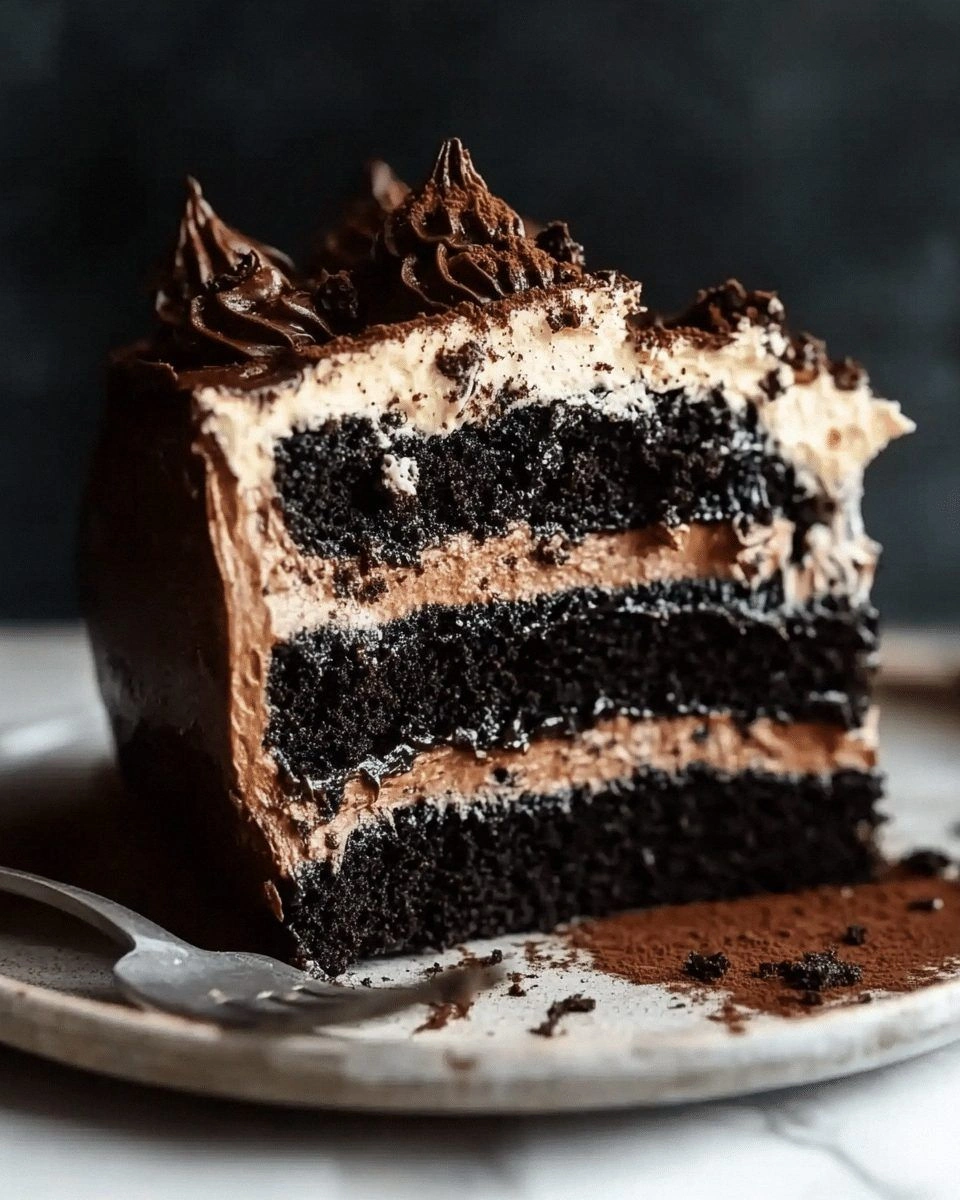
Picture this: a dark, glossy cake that glistens with a glossy glaze, the aroma of rich cocoa filling the kitchen, the sound of a timer ticking down to the final minutes of baking, the first bite that melts like velvet, and the texture that feels like a silky cloud. The moment the cake comes out of the oven, the whole kitchen smells incredible, and you can’t help but smile at the way the chocolatey scent permeates every corner. The first bite is a revelation: a perfect balance of sweetness, a hint of bitterness, and a moist crumb that feels like a secret handshake between your taste buds and the cake. If you’re skeptical, I dare you to taste this and not go back for seconds.
I’ll be honest — I ate half the batch before anyone else got to try it. The first time I made it, I was amazed at how the flavors layered together, how the cake’s dense yet airy texture made every bite feel like a new experience. Most recipes get this completely wrong; they either overbake it into a dry mess or underbake it into a gooey, unstructured mess. What sets this version apart is that it’s hands down the best version you’ll ever make at home, with a depth of flavor that lingers long after the last crumb.
Picture yourself pulling this out of the oven, the whole kitchen smelling incredible, and then slicing a piece that looks like a piece of dark art. The moment you cut into it, the steam rises, the glaze glistens, and the interior reveals a moist, chocolatey core. I’m telling you, this is pure magic, and I’m here to walk you through every single step — by the end, you’ll wonder how you ever made it any other way. And if you’re ready for the game-changer, keep reading.
What Makes This Version Stand Out
- Flavor: The use of dark chocolate chips and boiling water intensifies the cocoa profile, creating a depth that ordinary cocoa powder alone can’t match. This gives the cake a complex, bittersweet undertone that pairs beautifully with a light dusting of powdered sugar.
- Texture: A careful balance of flour and cocoa keeps the crumb tender yet structured, while the inclusion of boiling water creates steam pockets that give the cake a light, airy feel. The result is a cake that feels like a cloud, yet holds its shape like a well‑built fortress.
- Moisture: The oil and milk combination keeps the cake moist without making it greasy, and the boiling water adds a subtle steam that locks in moisture for a longer shelf life.
- Visual Appeal: The glossy, almost mirror‑like finish of the glaze, coupled with a dark, almost black interior, makes this cake a showstopper on any dessert table.
- Simplicity: Despite its complex flavor, the recipe requires only a handful of ingredients that most kitchens already stock, making it accessible for beginners and seasoned bakers alike.
- Make‑ahead Potential: The cake can be assembled up to 24 hours in advance; the glaze only needs to be applied when you’re ready to serve, making it a stress‑free option for busy evenings.
- Ingredient Quality: Using high‑quality unsweetened cocoa and dark chocolate chips elevates the taste dramatically, turning a simple cake into an artisanal treat.
Alright, let’s break down exactly what goes into this masterpiece…
Inside the Ingredient List
The Flavor Base
At the heart of the Black Cocoa Cake is a marriage of 1 cup unsweetened cocoa powder and 1 cup dark chocolate chips. The cocoa powder provides the foundational chocolate flavor, while the chips melt into the batter, creating pockets of molten chocolate that burst with each bite. If you skip the chocolate chips, the cake will still be good, but it will lack that luscious, glossy finish that makes it look like a piece of art.
When selecting cocoa powder, look for a dark, low‑sugar variety. The darker the shade, the more intense the flavor. If you can’t find unsweetened cocoa, you can use regular cocoa powder, but you’ll need to reduce the sugar slightly to avoid a too‑sweet cake. A good rule of thumb is to cut the sugar by about a tablespoon for every cup of regular cocoa.
For the chocolate chips, choose a high‑percent dark chocolate (70% or higher). This not only enhances the chocolate flavor but also provides a richer, more complex finish. If you’re vegan, look for dairy‑free chocolate chips; they’ll melt just as well and keep the cake’s texture intact.
In addition to cocoa, the recipe uses 2 cups granulated sugar. Sugar isn’t just a sweetener; it also helps with caramelization, giving the cake a subtle caramelized crust that adds a hint of crunch to the outside. If you prefer a lower‑sugar version, you can substitute half the sugar with a sugar substitute that measures the same volume, but be aware that the texture may shift slightly.
The Texture Crew
Flour is the backbone of any cake, and here we use 2 cups all‑purpose flour to give the cake structure. The flour’s protein content interacts with the liquid ingredients to create gluten, which gives the cake its tender, yet cohesive crumb. If you’re looking for a gluten‑free version, you can replace the flour with a 1:1 gluten‑free blend, but you may need to add a binder like xanthan gum.
Eggs are crucial for binding the batter together and providing lift. Two large eggs give the cake a light, airy feel while also helping to emulsify the oil and milk. If you’re vegan, you can replace the eggs with 2 tablespoons of flaxseed meal mixed with 6 tablespoons of water (flax eggs) or a commercial egg replacer.
The liquid mix—1 cup milk, 1 cup vegetable oil, 2 tsp vanilla extract, and 1 cup boiling water—creates a moist environment that keeps the cake from drying out. The oil adds richness without heaviness, while the milk introduces a subtle creaminess. The boiling water, added last, creates steam pockets that lift the cake, giving it that airy, cloud‑like texture.
The Unexpected Star
The baking soda (1 tsp) and baking powder (1 tsp) work together to leaven the cake. Baking soda neutralizes the slight acidity of the cocoa, while baking powder provides an extra lift. If you’re sensitive to sodium, you can reduce the baking soda to ½ tsp, but the cake will be slightly denser.
Salt (1 tsp) is a flavor enhancer that balances the sweetness and brings out the chocolate’s richness. Skipping salt will result in a flat, overly sweet cake. A pinch of sea salt on top of the glaze can add a subtle crunch and a refined finish.
The Final Flourish
The glaze—made from 1 cup powdered sugar, 2 tbsp melted dark chocolate, and a splash of milk—adds a glossy, almost mirror‑like finish. The glaze also locks in moisture, keeping the cake fresh for days. If you like a sweeter glaze, add a teaspoon of vanilla or a pinch of sea salt to balance the sweetness.
Here’s a quick tip: chill the glaze in the refrigerator for 10 minutes before pouring; this prevents it from running and ensures a smooth, even coating.
Everything’s prepped? Good. Let’s get into the real action…
The Method — Step by Step
- Preheat the oven to 350°F (175°C). While the oven is heating, line a 9‑inch round cake pan with parchment paper. This ensures the cake slides out easily and keeps the edges from sticking. The sound of the oven’s preheat indicator turning on is almost a ritual for me, signaling that the kitchen is about to transform. Keep an eye on the timer; you’ll want a golden crust but not overdone.
- Whisk the dry ingredients. In a large bowl, sift together 2 cups flour, 1 cup cocoa powder, 1 tsp baking soda, 1 tsp baking powder, and 1 tsp salt. Sifting removes clumps and aerates the mixture, giving the cake a light crumb. A quick smell of cocoa powder will instantly transport you to a chocolate shop, and that aroma is a precursor to the cake’s depth. Stir until the dry ingredients are evenly distributed.
- Combine the wet ingredients. In a separate bowl, beat 2 eggs, 1 cup milk, 1 cup vegetable oil, and 2 tsp vanilla extract until fully blended. The mixture should look silky and slightly glossy. This wet blend is the key to a moist cake; the oil keeps the batter from drying out during baking. Pour the wet mixture into the dry mixture and whisk until just combined—overmixing can make the cake tough.
- Fold in the chocolate chips. Gently fold 1 cup dark chocolate chips into the batter, ensuring they’re evenly distributed. The chips will melt during baking, creating pockets of molten chocolate that give the cake its signature glossy finish. The sound of the chips clinking against the bowl is oddly satisfying, and it’s a reminder that you’re about to create something special.
- Stir in the boiling water. Carefully pour 1 cup boiling water into the batter and stir gently. The hot water creates steam pockets that help the cake rise, giving it a lighter texture. The batter will look a bit thinner, but that’s normal; it will thicken as it bakes. A quick splash of water in a small bowl can help you gauge the right temperature before adding it to the batter.
- Pour the batter into the prepared pan. Tap the pan gently on the counter to release any air bubbles. The batter should spread evenly, covering the bottom of the pan. If you notice any uneven spots, use a spatula to level it out. The batter’s dark hue is already a preview of the cake’s richness.
- Bake for 30 minutes. Set a timer for 30 minutes and keep a close eye on the edges; they should start pulling away from the pan as the cake rises. The cake’s center should look set but still slightly moist. When you insert a toothpick, it should come out with a few moist crumbs, not wet batter. This is the moment of truth.
- Cool the cake. Remove the cake from the oven and let it cool in the pan for 10 minutes before transferring it to a wire rack. The cake will continue to rise slightly during this time. Cooling prevents the glaze from cracking and ensures a smooth finish. The smell of the cake cooling is a cue that the masterpiece is almost ready.
- Prepare the glaze. While the cake cools, whisk together 1 cup powdered sugar, 2 tbsp melted dark chocolate, and a splash of milk until you achieve a smooth, pourable consistency. The glaze should be thick enough to coat the cake but thin enough to spread evenly. If it’s too thick, add a few drops of milk; if too thin, add more powdered sugar. The glaze’s glossy sheen will be the final touch.
- Apply the glaze. Once the cake is completely cooled, drizzle the glaze over the top, letting it drip down the sides. The glaze will create a mirror‑like finish that makes the cake look as good as it tastes. If you prefer a thicker glaze, double the chocolate portion; for a lighter glaze, reduce the chocolate to a tablespoon.
- Let the glaze set. Allow the glaze to set for at least 10 minutes before serving. During this time, the glaze will thicken slightly, creating a glossy, firm finish. The glaze’s setting time is crucial; if you cut into the cake too early, the glaze will be runny and messy.
- Slice and serve. Use a serrated knife to cut clean slices. The knife should glide through the cake without tearing. Each slice will reveal a glossy, dark center, surrounded by a slightly caramelized crust. Serve at room temperature for the best flavor profile.
That’s it — you did it. But hold on, I’ve got a few more tricks that will take this to another level…
Insider Tricks for Flawless Results
The Temperature Rule Nobody Follows
Most bakers assume that preheating the oven is enough, but the real trick is to allow the oven to reach the exact temperature before placing the batter inside. Use an oven thermometer to confirm 350°F. If your oven runs hot, set it 25°F lower; if it runs cool, set it 25°F higher. This small adjustment can mean the difference between a perfectly risen cake and a collapsed one.
Why Your Nose Knows Best
When the cake starts to rise, the aroma will change subtly. A sweet, chocolatey scent means the cake is baking correctly. If you smell a burnt or metallic scent, it’s time to check the oven temperature or lower the heat. Trust your nose; it’s the best judge of a cake’s progress.
The 5‑Minute Rest That Changes Everything
After removing the cake from the oven, let it rest in the pan for exactly 10 minutes. This rest period allows the cake to finish cooking from residual heat and prevents it from cracking when removed. Skipping this step often results in a cake that feels dry on the outside and soggy on the inside.
How to Keep the Glaze From Running
Before pouring the glaze, chill the glaze mixture in the refrigerator for 10 minutes. Chilled glaze thickens slightly, making it easier to spread without dripping excessively. If the glaze is too thick, add a splash of milk; if it’s too thin, add a bit more powdered sugar.
Make‑Ahead Perfection
You can bake the cake up to 24 hours in advance. Store the cooled cake in an airtight container at room temperature or in the refrigerator. When you’re ready to serve, let it come to room temperature for 30 minutes and re‑glaze if needed. The cake remains moist and flavorful, making it ideal for last‑minute guests.
Creative Twists and Variations
This recipe is a playground. Here are some of my favorite ways to switch things up:
Chocolate‑Mint Fusion
Stir in 1 tsp peppermint extract into the glaze and add a handful of crushed mint candies into the batter. The mint will cut the chocolate’s sweetness, giving the cake a refreshing finish. This version is perfect for spring celebrations.
Spiced Chocolate Cake
Add 1 tsp ground cinnamon and a pinch of cayenne pepper to the dry mix. The warm spice notes pair beautifully with the dark cocoa, creating a cake that’s both comforting and exciting. Great for a cozy evening.
Almond Crunch Layer
Fold ½ cup toasted almond slivers into the batter before baking. The almonds add a delightful crunch and nutty flavor that contrasts with the silky cake. Sprinkle extra almond slivers on top before glazing for an extra touch.
Vegan Version
Replace eggs with flaxseed meal and use a plant‑based milk. Swap vegetable oil for coconut oil for a subtle tropical hint. The cake remains moist and dense, and the chocolate flavor stays intact.
Salted Caramel Drizzle
Prepare a simple caramel sauce by melting ½ cup sugar with ¼ cup heavy cream and a pinch of sea salt. Drizzle the caramel over the glazed cake for a sweet‑savory contrast. The caramel’s buttery texture pairs well with the cake’s moisture.
Berry‑Infused Surprise
Fold in ½ cup fresh blueberries into the batter before baking. The blueberries burst in the first bite, adding a juicy, tart contrast to the chocolate. The cake’s color will have a subtle purple hue, making it visually striking.
Storing and Bringing It Back to Life
Fridge Storage
Wrap the cooled cake tightly in plastic wrap and store it in the refrigerator for up to 5 days. The wrap prevents the cake from drying out and preserves its moisture. When you’re ready to serve, let it sit at room temperature for 15 minutes to soften.
Freezer Friendly
For longer storage, wrap the cake in parchment paper, then in plastic wrap, and place it in an airtight freezer bag. It will stay fresh for up to 2 months. Thaw overnight in the refrigerator and allow the cake to reach room temperature before glazing again.
Best Reheating Method
To revive a refrigerated cake, place it in a preheated oven at 300°F for 10 minutes. This gentle heat will rehydrate the cake without drying it out. If you’re in a hurry, microwave the cake on a low setting for 15–20 seconds, but be careful not to overheat.
Remember, a tiny splash of water before reheating creates steam that keeps the cake from drying out, giving it that fresh‑baked feel.