Picture this: you’re halfway through a busy week, the fridge is a barren wasteland, and your cravings scream for something that feels like a hug in a bowl. I was in that exact spot, scrolling through endless recipes, when a friend texted, “Try this chicken chow mein – it’s the best thing I’ve ever made.” I was skeptical, but the aroma that hit my kitchen when I opened the packet of noodles made me drop my phone and jump into action. That moment felt like a culinary revelation, and it’s exactly why I’m here to spill the secret sauce that turns an ordinary stir‑fry into a crowd‑pleaser.
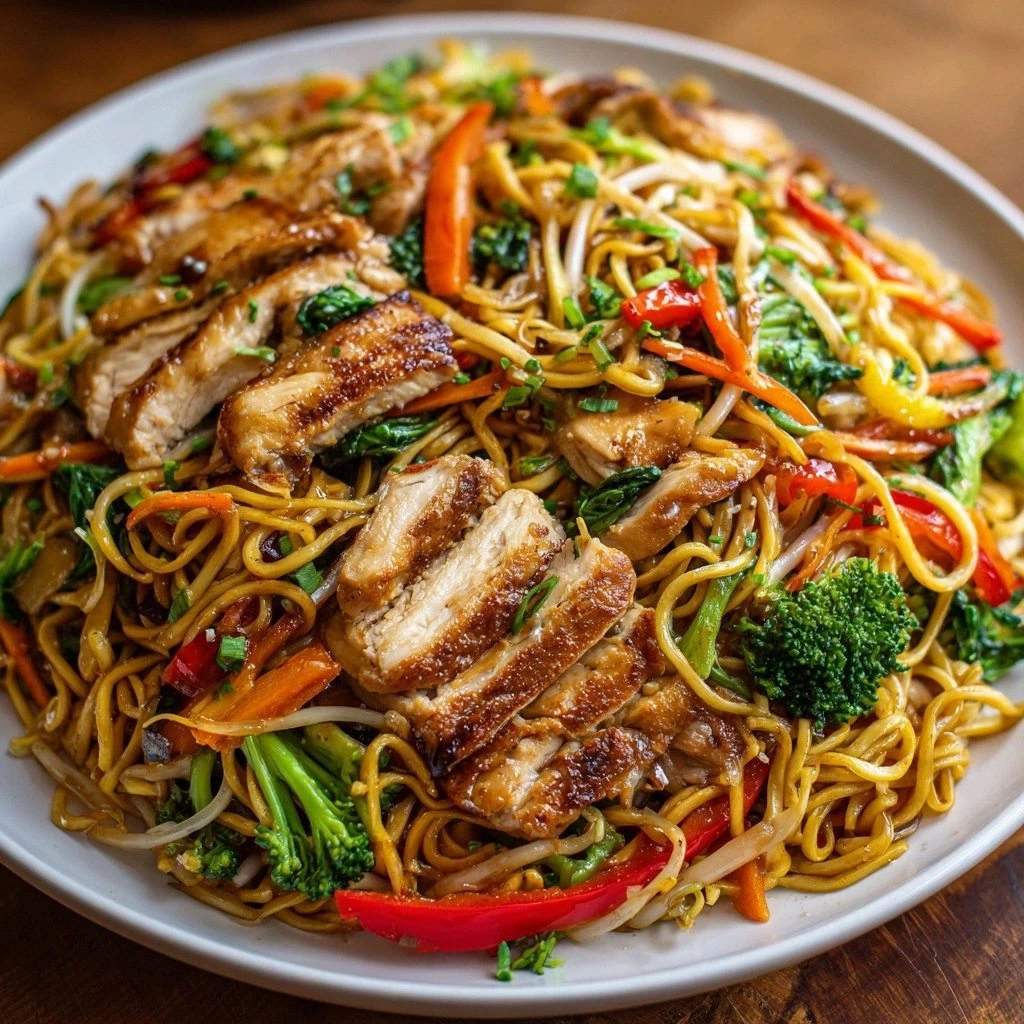
From the first sizzle of the wok to the final drizzle of sesame oil, every step of this dish is a sensory rollercoaster. The sizzling sound as the chicken hits the pan is a promise of caramelized edges that crackle like thin ice. The steam rises, carrying the sweet aroma of fresh ginger and garlic, while the bright colors of bell pepper and broccoli pop against the deep umami of oyster sauce. You can almost taste the velvet‑like coating of sauce on the noodles, each strand glistening with that perfect glossy sheen. And when you take that first bite, the crunch of bean sprouts snaps like fresh snow, creating a delightful contrast to the tender chicken.
What sets this version apart is not just the ingredients, but the deliberate layering of flavors and textures that I discovered after countless kitchen experiments. I dare you to taste this and not go back for seconds—trust me, it’s addictive. I’ve spent years tweaking ratios, and the result is hands down the best chicken chow mein you’ll ever make at home. Most recipes get this completely wrong, either by undercooking the noodles or overcooking the veggies, but here everything hits the sweet spot. And the best part? You can make it in under an hour, so it’s perfect for a weekday dinner that still feels indulgent.
If you’ve ever struggled with a bland stir‑fry that ends up looking like a sad noodle bowl, you’re not alone—and I’ve got the fix. The key is a quick, high‑heat sear, a splash of sauce that coats everything like velvet, and a dash of sesame oil that brings a nutty finish. Picture yourself pulling this dish out of the wok, the whole kitchen smelling incredible, and watching friends lean in for the first bite. That’s the power transition I’m about to walk you through, step by step, so by the end you’ll wonder how you ever made it any other way.
What Makes This Version Stand Out
- Flavor Depth: The combination of soy sauce, oyster sauce, and sesame oil creates a layered umami profile that feels both familiar and adventurous. The oyster sauce adds a subtle brininess that elevates the dish beyond typical stir‑fries.
- Texture Contrast: Each ingredient is cooked to a distinct mouthfeel—crisp bean sprouts, tender carrots, and perfectly al dente noodles—so the dish never feels one-dimensional.
- Speed: From prep to plate, the entire process takes less than 45 minutes, making it ideal for busy weeknights without sacrificing quality.
- Visual Appeal: The vibrant colors of bell pepper, broccoli, and bean sprouts create an Instagram‑worthy plate that’s as pleasing to the eye as it is to the palate.
- Ingredient Quality: Using fresh, high‑quality produce and premium chicken ensures a flavor that’s both clean and rich.
- Make‑Ahead Potential: The dish can be prepared ahead of time and reheated without losing its texture, making it a great option for meal prep.
- Customization: Swap out the vegetables or use gluten‑free noodles with no compromise on taste, allowing the recipe to adapt to dietary preferences.
- Authenticity: While it’s a modern take, the sauce proportions and cooking technique stay true to classic Chinese chow mein.
Inside the Ingredient List
The Flavor Base
At the heart of this dish is the sauce, a marriage of soy sauce, oyster sauce, and a splash of sesame oil. Soy sauce provides the salty backbone, while oyster sauce adds a deep, slightly sweet umami that’s essential for that authentic chow mein kick. The sesame oil, used sparingly, gives a nutty aroma that lingers long after the last bite. If you’re watching sodium, you can replace the soy sauce with a low‑sodium version, but keep the oyster sauce to maintain depth.
The Texture Crew
Noodles are the canvas of this dish. The 8 ounces of chow mein noodles should be boiled until just al dente before draining, so they hold their shape during the stir‑fry. Bean sprouts, shredded carrots, bell peppers, and broccoli florets each bring a unique crunch or softness. Bean sprouts add a light, refreshing bite, while carrots contribute natural sweetness. Bell peppers give a juicy pop, and broccoli offers a hearty bite that balances the dish’s lighter elements.
The Unexpected Star
The cornstarch slurry is often overlooked but is crucial for that silky sauce that clings to every noodle. Mix one tablespoon of cornstarch with an equal amount of cold water until smooth. Add it at the end of cooking to thicken the sauce without clumping. Skipping this step leaves the sauce watery and unglossy, which is a missed opportunity for visual and textural appeal.
The Final Flourish
Garlic and ginger are the aromatics that set the stage. Mince them finely so they release their full flavor without overpowering the dish. Add them at the beginning of the stir‑fry to infuse the oil before the chicken cooks. If you’re sensitive to spice, reduce the ginger to a quarter teaspoon; the dish still maintains its bright zing.
Everything's prepped? Good. Let’s get into the real action…
The Method — Step by Step
- Step 1: Prep the Noodles. Bring a large pot of salted water to a rolling boil. Add the chow mein noodles and cook for 3 minutes, or until they’re just al dente. Drain and rinse under cold water to stop the cooking process. Toss with a tablespoon of sesame oil so they don’t stick together. This quick blanch preserves their bite and gives them a glossy finish.
- Step 2: Marinate the Chicken. In a bowl, combine the sliced chicken with 1 tablespoon of soy sauce, 1 teaspoon of cornstarch, and a pinch of pepper. Let it rest for 10 minutes; the cornstarch helps the chicken stay moist and gives a light coating that crisps up nicely. This step is where the magic begins—if you skip it, the chicken will be dry and less flavorful.
- Step 3: Sear the Chicken. Heat a wok or large skillet over high heat and add a splash of vegetable oil. Once the oil shimmers, add the marinated chicken in a single layer. Let it sear without moving for 2 minutes to develop a golden crust. Flip and cook for another minute until pink. The sear locks in juices and creates a caramelized flavor that’s the foundation of this dish.
- Step 4: Add Aromatics. Push the chicken to the side and pour in a tablespoon of oil. Add the minced garlic and ginger, sautéing for 30 seconds until fragrant. The aroma should fill the kitchen—if it doesn’t, you’re not cooking hot enough. This is where the dish’s personality starts to bloom.
- Step 5: Toss the Vegetables. Add the carrots, bell peppers, broccoli, and bean sprouts to the wok. Stir-fry for 2–3 minutes, just until the veggies are bright and slightly crisp. The broccoli should still have a bite; we’re not aiming for a soggy texture. This step ensures that every bite is a mix of flavors and textures.
- Step 6: Combine Chicken and Sauce. Return the chicken to the wok, then pour in the soy sauce, oyster sauce, and a tablespoon of sesame oil. Stir everything together, letting the sauces coat the ingredients. The sauce should thicken slightly, glistening over the noodles and veggies. If it looks too thin, add the cornstarch slurry from earlier.
- Step 7: Final Touches. Add the pre-cooked noodles to the wok and toss vigorously for 1 minute, ensuring the noodles soak up the sauce. Sprinkle the chopped green onions and a dash of toasted sesame seeds for a finishing touch. The dish should be glossy and fragrant, ready to serve.
- Step 8: Plate and Serve. Transfer the wok contents to a large serving platter or individual bowls. The dish should emit a tantalizing aroma that makes everyone’s mouths water. The bright colors of the vegetables should be unmistakable, promising a feast for the senses.
- Step 9: Optional Garnish. Drizzle a little extra sesame oil over the top and sprinkle more toasted sesame seeds. A squeeze of lime or a sprinkle of chili flakes can add a fresh zing if you like a bit of heat.
- Step 10: Enjoy. Serve immediately while the noodles are still warm and the sauce is shimmering. This dish is best eaten fresh, but if you have leftovers, you’ll still love it when reheated with a splash of water.
That’s it—you did it. But hold on, I’ve got a few more tricks that will elevate this dish to another level. These insider tips will help you master every nuance, from the perfect sear to a sauce that stays glossy even after reheating.
Insider Tricks for Flawless Results
The Temperature Rule Nobody Follows
Cooking over high heat is essential for a good sear, but many people lower the flame too soon. Keep the wok or skillet at a steady medium‑high temperature until the chicken starts to brown. If the heat drops, the chicken will steam instead of sear, resulting in a soggy texture. I’ve learned that a hot pan is the secret to a crisp, caramelized surface that locks in moisture.
Why Your Nose Knows Best
The aroma is your best indicator of doneness. When the garlic and ginger release a sweet, nutty scent, it’s a sign the wok is hot enough. If you smell a faint, raw odor, the oil needs more time to heat. Trust your nose; it’ll guide you to the perfect stir‑fry without over‑cooking.
The 5‑Minute Rest That Changes Everything
After you finish cooking, let the wok sit covered for 5 minutes. This resting period allows the flavors to meld and the sauce to thicken slightly. It also lets the noodles finish cooking in their own steam, ensuring they’re perfectly tender. Skipping this step can leave the dish feeling under‑seasoned.
Keep the Noodles from Sticking
Rinsing the noodles with cold water after boiling stops the cooking process and prevents them from sticking together. Toss them with a tablespoon of sesame oil before adding them to the wok. The oil creates a barrier that keeps the noodles light and airy.
Use a Splash of Vinegar for Brightness
A teaspoon of rice vinegar added at the end of cooking brightens the sauce and balances the richness of the oyster sauce. It also adds a subtle tang that cuts through the heaviness, giving the dish a more vibrant finish. I add it right before serving, so the flavor is fresh.
The Quick Stir Technique
When adding the noodles, use a quick, wide motion to toss everything together. This technique distributes heat evenly and prevents the noodles from breaking. It also helps the sauce coat each strand, creating that glossy, velvety texture.
Creative Twists and Variations
This recipe is a playground. Here are some of my favorite ways to switch things up:
Spicy Szechuan Kick
Add a tablespoon of Szechuan peppercorns and a teaspoon of chili paste to the sauce. The peppercorns give a numbing heat that balances the chili’s burn, creating a complex flavor profile. This variation is perfect for spice lovers who want a dish that packs a punch.
Teriyaki Twist
Replace the oyster sauce with teriyaki sauce and add a splash of mirin. The sweet, caramelized notes of teriyaki transform the dish into a comforting, slightly sweet version that pairs wonderfully with steamed rice.
Vegan Version
Swap the chicken for firm tofu, pressed and cubed. Use a vegan oyster sauce substitute made from mushroom broth. This version maintains the umami richness while keeping it plant‑based.
Low‑Carb Edition
Use shirataki noodles instead of traditional chow mein noodles. They’re low in carbs and add a chewy texture that’s surprisingly satisfying. Pair with extra veggies to keep the dish hearty.
Pineapple & Ham Fusion
Add diced ham and chunks of pineapple for a sweet‑savory twist. The pineapple’s acidity cuts through the richness, while the ham adds a smoky depth. This version feels like a Hawaiian take on a classic.
Herb‑Infused Finale
Finish with a handful of fresh basil and cilantro after serving. The herbs add a fresh, aromatic burst that brightens the dish and gives it a Mediterranean feel. This is a great way to incorporate more greens.
Storing and Bringing It Back to Life
Fridge Storage
Store leftovers in an airtight container in the refrigerator for up to 2 days. Keep the noodles separate from the sauce until you’re ready to reheat to preserve their texture. When you’re ready to eat, simply warm the dish in a skillet with a splash of water.
Freezer Friendly
For longer storage, freeze the dish in a freezer‑safe container for up to 3 months. Thaw overnight in the refrigerator, then reheat in a skillet with a tablespoon of water to rehydrate the noodles. The dish remains flavorful and satisfying.
Best Reheating Method
Reheat on medium heat, stirring frequently. Add a tiny splash of water to keep the sauce from drying out. The noodles will regain their softness, and the sauce will regain its glossy sheen. This method ensures a restaurant‑quality experience even after storage.