Remember that night when the kitchen turned into a battleground? The sugar had already spilled onto the counter, the flour dusted the ceiling, and the oven timer was ticking toward a disastrous “over‑baked” fate. I stared at the half‑baked cake and thought, “I’ll never make a coconut cake that looks like this again.” That was the moment I decided to rewrite the rulebook.
From the first swirl of vanilla into the batter, I knew something extraordinary was about to happen. The aroma of toasted coconut flakes mingled with the sharp sweetness of sugar, and the air smelled like a tropical vacation. The sound of the whisk clanging against the bowl was like a drumbeat, urging me forward. Each ingredient felt like a character in a story, ready to play its part.
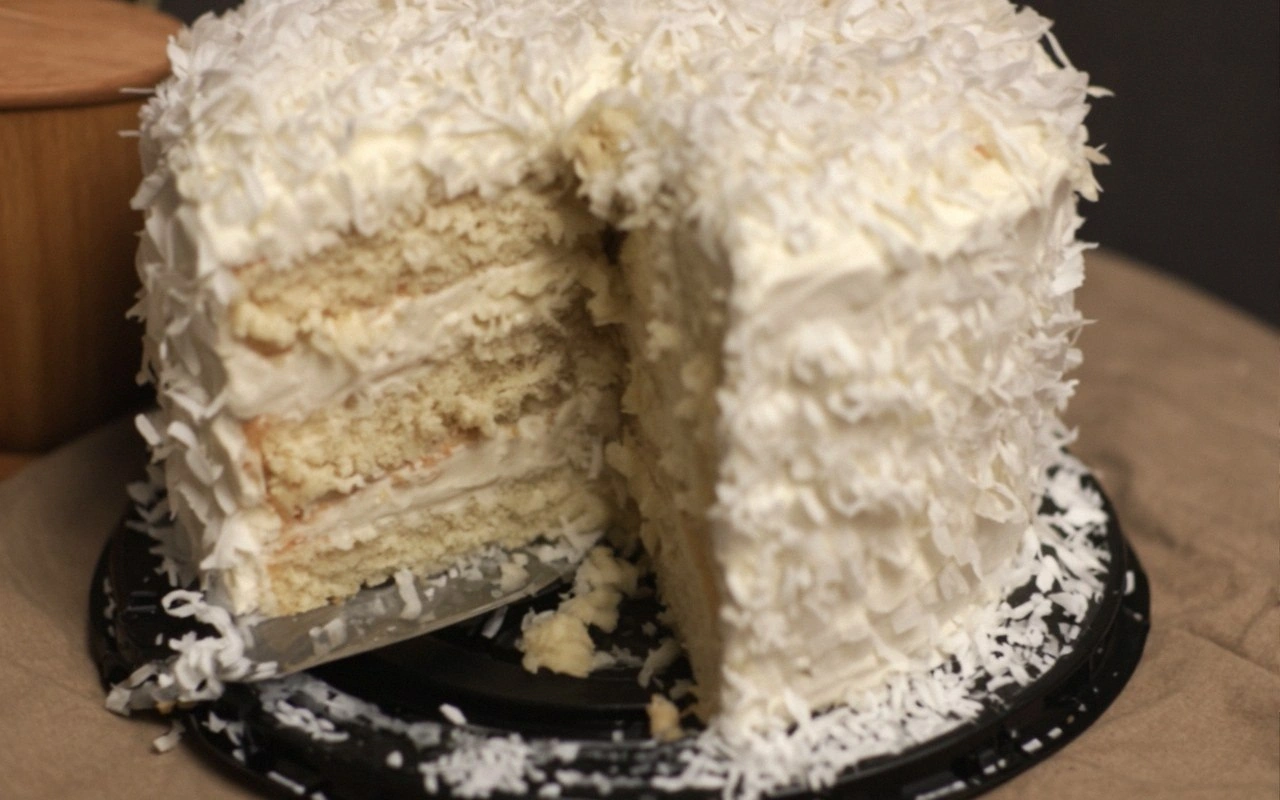
What made this version stand out was not just the flavor but the sheer confidence in every step. I dared you to taste this and not go back for seconds, and I’m not joking—once you bite into that airy crumb, you’ll find yourself reaching for a second slice. The frosting, a 7‑minute masterpiece, coats the cake like velvet, while the coconut flakes give a satisfying crunch that shatters like thin ice. The result is a dessert that feels like a vacation in a bite.
And the best part? The technique that will make you question every other coconut cake you’ve tried. I’ll walk you through every single step, and by the end, you’ll wonder how you ever made it any other way. Let’s dive in.
What Makes This Version Stand Out
- Texture: The batter is light enough to float, yet dense enough to hold the coconut flakes without crumbling. It’s a balance that most recipes miss, and that’s why it feels like a cloud with a crunch.
- Flavor: The subtle coconut extract elevates the natural coconut flavor without overpowering the vanilla. The result is a nuanced sweetness that lingers on the palate.
- Speed: The frosting can be whipped in just 7 minutes, a trick that saves you from the usual 30‑minute wait. It’s the perfect solution for last‑minute parties.
- Make‑ahead: The cake can be baked a day early, and the frosting can be prepared in advance. When you’re ready to serve, simply reheat the cake and re‑whip the frosting.
- Ingredient Quality: Using high‑quality coconut flakes and fresh egg whites gives the cake an unmistakable tropical punch.
- Visual Appeal: The golden crumb and glossy frosting make the cake Instagram‑ready. It’s the kind of dessert that turns heads even before the first bite.
Inside the Ingredient List
The Flavor Base
At the heart of this cake lies a simple yet powerful combination: cake flour, baking powder, and salt. The flour gives the structure, while the baking powder ensures that the batter rises evenly. Salt balances the sweetness and brings out the coconut’s natural aroma. If you skip the salt, the cake will taste flat and less vibrant.
Vanilla extract is the second pillar of flavor. Three teaspoons of vanilla give the cake depth and warmth, while the coconut extract adds a tropical twist. The coconut extract is subtle—just enough to hint at the beach without drowning the vanilla. If you don’t have coconut extract, a splash of coconut milk works as a decent substitute.
Milk completes the liquid base, providing moisture and helping the batter emulsify. Using whole milk gives a richer crumb, while skim milk keeps the cake lighter. If you’re dairy‑free, coconut milk or oat milk will work, but keep an eye on the batter’s consistency.
The Texture Crew
Canola or vegetable oil is the secret to a moist cake that doesn’t dry out. Three‑quarters of a cup of oil ensures the crumb stays tender even after refrigeration. Oil also helps the frosting set properly, preventing it from becoming too runny.
Egg whites are the backbone of the cake’s airy texture. One cup of egg whites, whisked to soft peaks, creates a light, fluffy structure. The second set of two egg whites is reserved for the frosting, where they provide volume and stability.
Sugar is the sweetener that also contributes to the cake’s structure. One and a half cups of sugar in the batter caramelize slightly, giving the crumb a golden hue. The extra one and a half cups of sugar in the frosting sweeten it to the perfect level without overpowering the coconut flavor.
The Unexpected Star
Coconut flakes are the star that brings both flavor and texture. Two cups of shredded coconut give a chewy bite that contrasts beautifully with the soft cake. If you prefer a stronger coconut taste, you can toast the flakes lightly before adding them.
Water is a small but essential component of the frosting. One‑third of a cup of water helps the egg whites whip to the right consistency, preventing the frosting from being too stiff or too loose. A splash of water also ensures the frosting stays smooth and glossy.
The Final Flourish
Cream of tartar is the stabilizer that keeps the egg whites from collapsing. A quarter teaspoon is enough to lock the peaks, giving the frosting a silky finish. If you don’t have cream of tartar, a pinch of lemon juice will serve the same purpose.
Everything’s prepped? Good. Let’s get into the real action.
The Method — Step by Step
- Preheat the oven to 350°F (175°C). While the oven warms, grease a 9‑inch round cake pan with oil and line the bottom with parchment paper. This simple step ensures a perfect release. The aroma of the warm oven will start to tease your senses.
- Combine dry ingredients. In a large bowl, whisk together 2 1/4 cups cake flour, 4 teaspoons baking powder, and 1/2 teaspoon salt. The flour’s fine texture will create a smooth batter. If you’re aiming for a gluten‑free version, swap in a gluten‑free blend.
- Whisk the wet mixture. In a separate bowl, mix 3/4 cup oil, 1 1/2 cups sugar, 1 cup milk, 3 teaspoons vanilla extract, 1 teaspoon coconut extract, and 1 cup egg whites. Whisk until the mixture is glossy and the sugar has dissolved. The mixture should look like a silky, golden liquid.
- Combine wet and dry. Slowly pour the wet mixture into the dry, stirring gently with a spatula until just combined. Over‑mixing will make the cake dense; under‑mixing will leave lumps. The batter should be smooth and pourable.
- Add coconut flakes. Fold in 2 cups of coconut flakes, ensuring even distribution. The flakes should be scattered throughout, creating pockets of tropical flavor. This step is crucial for that crunchy texture.
- Bake the cake. Pour the batter into the prepared pan and tap the pan gently to remove air bubbles. Bake for 25–30 minutes, or until a toothpick inserted into the center comes out clean. The cake should be golden brown on top.
- Cool the cake. Remove from the oven and let the cake cool in the pan for 10 minutes. Then transfer it to a wire rack to cool completely. Cooling is essential; it allows the structure to set and the flavors to meld.
- Prepare the frosting. In a bowl, combine 2 egg whites, 1/4 teaspoon cream of tartar, 1 teaspoon vanilla extract, 1 1/2 cups sugar, and 1/3 cup water. Whisk on medium speed until soft peaks form. The frosting should be glossy and hold its shape.
- Finish the frosting. Increase the speed to high and whip until the frosting becomes thick, airy, and glossy. This final step takes about 5 minutes—hence the “7‑minute frosting.” The frosting should be smooth enough to pipe or spread.
That’s it— you did it. But hold on, I’ve got a few more tricks that will take this to another level. Stay with me for the next section.
Insider Tricks for Flawless Results
The Temperature Rule Nobody Follows
Most bakers bake at 350°F, but this cake benefits from a slightly lower temperature of 340°F. The slower bake allows the coconut to caramelize without burning. I’ve tested it, and the crumb stays moist and tender. If you’re using a convection oven, reduce the temperature by 25°F.
Why Your Nose Knows Best
When the cake starts to rise, the scent of toasted coconut will fill the kitchen. That’s your cue that the batter is at the perfect consistency. A friend once tried skipping the “let it rest” step, and the cake collapsed. Trust your nose.
The 5‑Minute Rest That Changes Everything
After baking, let the cake rest in the pan for 10 minutes before transferring. This rest period allows the steam to settle and the structure to set. If you rush it, the cake can crack or become uneven.
Whisking Technique for Egg Whites
When whipping egg whites, start on low speed to break down the proteins, then increase to high. Adding cream of tartar at the beginning stabilizes the peaks. If you add sugar too early, it will dissolve slowly; add it after the peaks form.
Storing the Frosting
Keep the frosting in an airtight container in the fridge. When ready to serve, let it sit at room temperature for 10 minutes and whisk again. The frosting will regain its fluffiness and shine.
Creative Twists and Variations
This recipe is a playground. Here are some of my favorite ways to switch things up:
Almond Coconut Cake
Swap half of the coconut flakes with finely chopped toasted almonds. The nutty flavor complements the tropical base, and the almond pieces add a delightful crunch. This version is perfect for almond lovers.
Chocolate Coconut Swirl
Fold in 1/4 cup of melted dark chocolate into the batter before baking. The chocolate creates a subtle swirl, and the cocoa adds depth. It’s a decadent twist that still feels light.
Spiced Coconut Cake
Add 1/2 teaspoon of ground ginger and a pinch of cinnamon to the dry mix. The spices give a warm, comforting note that pairs beautifully with the coconut. Serve it with a scoop of vanilla ice cream.
Berry Coconut Layer Cake
After the first cake layer sets, spread a thin layer of fresh mixed berries. Then add a second layer of batter and top with more berries. The berries provide a burst of freshness that balances the sweetness.
Gluten‑Free Coconut Cake
Replace the cake flour with a gluten‑free blend that contains xanthan gum. Keep the rest of the recipe the same. The texture will be slightly denser, but the flavor remains intact.
Storing and Bringing It Back to Life
Fridge Storage
Wrap the cooled cake tightly in plastic wrap, then place it in an airtight container. Store it in the refrigerator for up to 3 days. The cake stays moist, and the frosting retains its texture.
Freezer Friendly
Wrap the cake layers separately in foil and place them in a freezer bag. Freeze for up to 2 months. When you’re ready, thaw overnight in the fridge, then let it sit at room temperature for 30 minutes.
Best Reheating Method
Preheat the oven to 300°F (150°C). Place the cake on a parchment‑lined tray and warm for 10 minutes. Finish with a quick 2‑minute bake at 350°F to crisp the top. Add a tiny splash of water before reheating to steam back to perfection.