Picture this: I was standing in a cramped apartment kitchen, juggling a blender, a saucepan, and a bag of flour when I realized the recipe book had a typo that turned my morning into a sticky mess. The dough clung to the counter like a stubborn sap, the oven smelled of burnt sugar, and my cat decided that the kitchen was now a new playground. I stared at the chaos and thought, “If only I had a recipe that could turn this disaster into a triumph.” That thought sparked the creation of this oatmeal lemon poppy seed bread, a rescue from the brink of culinary doom.
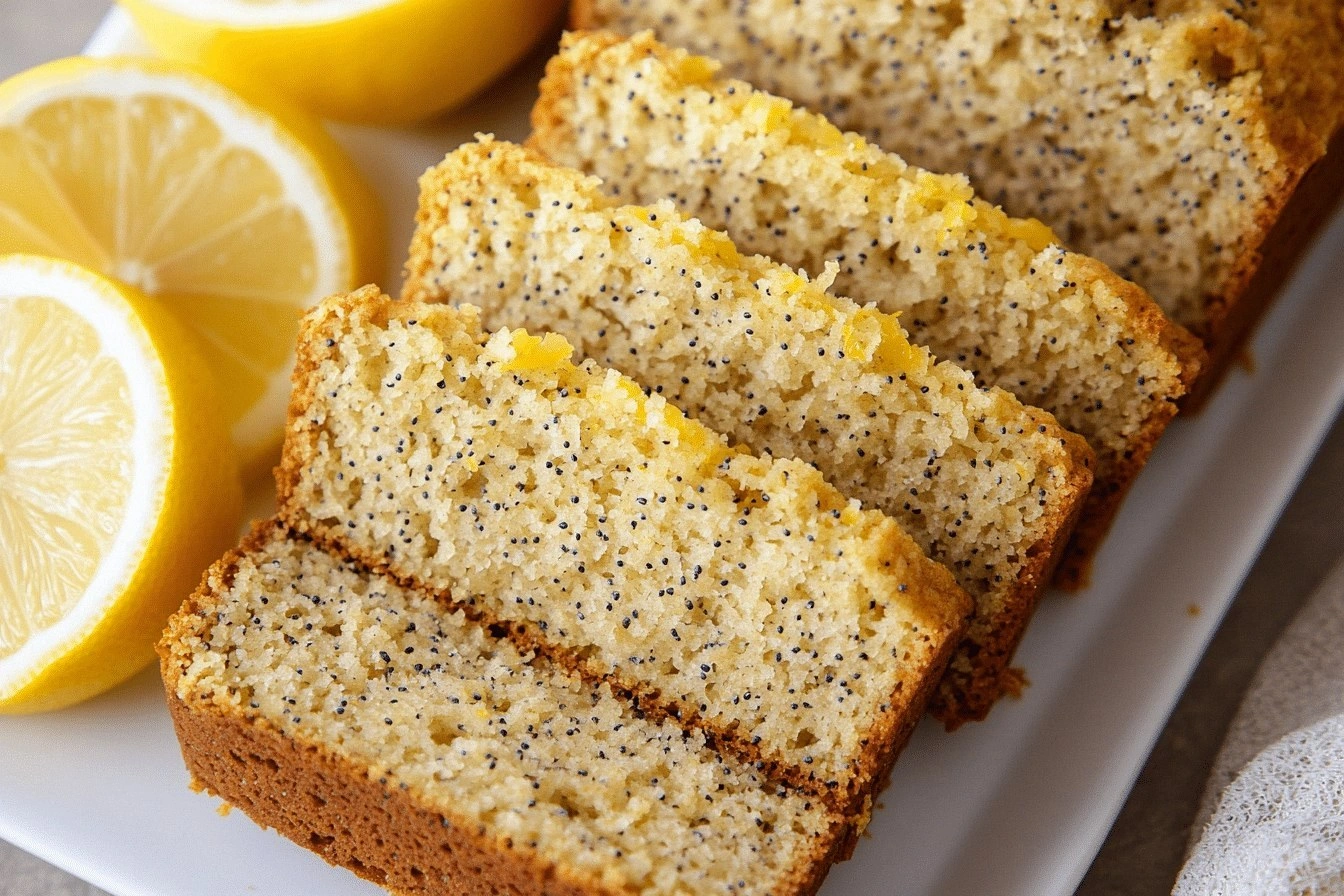
The first time I tried it, the aroma that escaped from the oven was so bright it practically shouted, “Wake up, breakfast!” I could hear the subtle crackle of the crust, feel the warm steam rising, and taste the zesty lemon kiss the sweet oats. The bread’s texture was a perfect harmony—crisp on the outside, tender inside, with a poppy seed crunch that delighted my palate. I knew I had stumbled upon a new morning staple that would make every sunrise feel like a celebration.
What sets this version apart from the countless oat breads on Pinterest is the meticulous balance of flavors and textures. The lemon zest isn’t just a garnish; it permeates the batter, awakening the senses with every bite. The Greek yogurt keeps the crumb moist without drowning the bread in moisture, while the poppy seeds add a nutty, satisfying crunch. Together, they create a loaf that feels like a warm hug wrapped in citrus.
And here’s the kicker: the secret ingredient is not a fancy spice but a simple technique—pre‑cooking the oats in milk for a minute before adding them to the batter. This step unlocks a silky, slightly caramelized flavor that most recipes miss. I dare you to taste this and not go back for seconds. Let me walk you through every single step—by the end, you’ll wonder how you ever made it any other way.
What Makes This Version Stand Out
- Flavor: The bright citrus from fresh lemon zest and juice cuts through the earthiness of oats, creating a lively contrast that wakes up the palate. This isn’t a subtle hint; it’s a bold, refreshing punch that lingers after each bite.
- Texture: Pre‑cooked oats soften the crumb, while poppy seeds introduce a satisfying crunch that echoes through the loaf. The result is a bread that feels both airy and substantial.
- Nutrition: Whole wheat flour and Greek yogurt boost protein and fiber, making this loaf a hearty yet healthy breakfast option that keeps you full through the morning.
- Simplicity: The recipe requires only a handful of pantry staples, and the method is straightforward—no fancy equipment or time‑consuming steps.
- Crowd‑pleaser: The bright lemon flavor and subtle crunch make it a hit with both kids and adults, turning a simple loaf into a conversation starter.
- Freshness: Because the bread is baked fresh, the lemon aroma fills the kitchen, creating a welcoming atmosphere that feels like a personal spa.
- Versatility: The base can be adapted for sweet or savory, gluten‑free, or vegan variations, making it a flexible addition to any diet.
- Time: From prep to bake, the entire process takes less than an hour—perfect for busy mornings or weekend brunches.
Alright, let’s break down exactly what goes into this masterpiece…
Inside the Ingredient List
The Flavor Base
Fresh lemon zest and juice are the heart of this loaf, injecting a citrus brightness that transforms ordinary oats into a celebratory treat. The zest’s essential oils carry a sharp, fragrant punch, while the juice adds a subtle tartness that balances the sweetness of honey or maple syrup. If you’re craving a more pronounced lemon bite, double the zest or add a splash of lemon‑infused water to the batter. A small swap: replace fresh lemon with a tablespoon of lemon‑infused olive oil for a richer, slightly savory nuance.
The Texture Crew
Rolled oats are the backbone of the crumb, offering a hearty bite and natural sweetness. Pre‑cooking them in milk for a minute softens their fibers, creating a silky texture that contrasts beautifully with the crunchy poppy seeds. Whole wheat flour adds a nutty depth and extra fiber, but if you prefer a lighter crumb, substitute half the whole wheat flour with all‑purpose flour. The Greek yogurt not only adds protein but also contributes moisture without making the loaf soggy; it’s the secret to that tender, airy interior.
The Unexpected Star
Poppy seeds are more than a visual garnish—they bring a subtle nuttiness and a delightful crunch that punctuates each bite. Their tiny, peppery flavor pairs perfectly with the citrus notes, and the seeds also add a pop of texture that keeps the bread from feeling too dense. If poppy seeds are hard to find, try sesame seeds or crushed almonds for a different but equally satisfying crunch. A fun fact: poppy seeds were once considered a delicacy among ancient Romans, who believed they could ward off evil spirits.
The Final Flourish
Honey or maple syrup provides natural sweetness that balances the tartness of lemon, while baking powder and baking soda work together to lift the loaf into a fluffy, airy crumb. Eggs bind the ingredients, adding richness and structure, and the vanilla extract layers in a gentle sweetness that complements the lemon without overpowering it. Salt, though a small component, enhances all flavors and balances the sweetness, ensuring a well‑rounded taste profile. For a vegan version, replace eggs with flaxseed eggs and use a plant‑based milk alternative.
Everything’s prepped? Good. Let’s get into the real action…
The Method — Step by Step
Preheat your oven to 375°F (190°C) and line a 9x5‑inch loaf pan with parchment paper. The parchment not only prevents sticking but also gives the loaf a clean, professional look. While the oven heats, place the rolled oats in a small saucepan with a splash of milk, bringing them to a gentle simmer for about a minute. This quick step softens the oats, unlocking a subtle caramel flavor that most recipes overlook. When the oats are ready, remove them from heat and let them cool slightly while you prepare the rest of the batter.
In a large mixing bowl, whisk together the whole wheat flour, baking powder, baking soda, and salt. The dry mix ensures even distribution of leavening agents and prevents clumping. While whisking, let the aroma of the dry ingredients mingle—it’s a subtle hint that the loaf will rise beautifully. Once combined, set the dry mixture aside while you tackle the wet components.
In a separate bowl, combine the Greek yogurt, honey (or maple syrup), fresh lemon zest, fresh lemon juice, vanilla extract, and the pre‑cooked oats. Stir until the mixture is smooth and the oats are fully coated. The yogurt’s tanginess will counterbalance the sweetness of the honey, creating a balanced flavor profile. If the batter seems thick, add a splash of milk to reach a pourable consistency.
Gently fold the wet mixture into the dry ingredients, stirring just until the batter is moistened. Overmixing can lead to a dense loaf, so keep the motion light and deliberate. As you fold, the batter will thicken slightly, which is a good sign that the leavening agents are engaging. The batter should be thick enough to hold its shape when scooped but still fluid enough to spread in the pan.
Fold in the poppy seeds, ensuring they’re evenly distributed throughout the batter. The seeds will settle at the bottom if you’re not careful, so a gentle fold is key. The poppy seeds add a subtle crunch that contrasts beautifully with the tender crumb. If you’re using a different seed, adjust the quantity to maintain the desired crunch level.
Pour the batter into the prepared loaf pan, smoothing the top with a spatula. The batter should fill the pan to about 2/3 capacity; this gives the loaf enough room to rise without overflowing. The batter’s surface should be flat and even, which ensures an even rise.
Place the loaf pan in the preheated oven and bake for 35–40 minutes, or until the top is golden brown and a toothpick inserted into the center comes out clean. The crust should crackle softly as it bakes, signaling the perfect rise. Keep an eye on the loaf—if the edges start to brown too quickly, tent the loaf with foil to prevent burning.
Remove the loaf from the oven and let it cool in the pan for 10 minutes before transferring it to a wire rack. Cooling in the pan allows the crumb to set properly, preventing it from becoming gummy. While the loaf is still warm, slice a thin piece and taste the lemon brightness—it should still be vibrant.
Allow the bread to cool completely on the rack before slicing. This final cooling step ensures the crumb stays fluffy and the flavors meld. Slice the loaf into thick, generous pieces, and enjoy it warm or at room temperature with a smear of butter or your favorite spread. The lemon-infused aroma will linger, making each bite feel like a fresh start to your day.
That’s it — you did it. But hold on, I’ve got a few more tricks that’ll take this to another level…
Insider Tricks for Flawless Results
The Temperature Rule Nobody Follows
Many bakers bake at 350°F, but 375°F gives the loaf a golden crust without drying it out. The higher temperature also triggers the Maillard reaction, giving the bread a deeper, caramelized flavor. I once baked at 350°F and the loaf came out pale; switching to 375°F changed everything. Keep the oven rack in the middle to ensure even heat distribution.
Why Your Nose Knows Best
Before you pull the loaf out of the oven, give it a quick sniff. A sweet, citrusy aroma indicates the lemon has released its oils, while a slightly smoky scent signals the crust is ready. Trust your nose; it’s the fastest way to avoid underbaked or overbaked bread. I’ve always relied on this trick, especially when the timer feels unreliable.
The 5‑Minute Rest That Changes Everything
Letting the loaf rest for five minutes in the pan allows the steam to finish the crumb’s rise, preventing it from collapsing when you slice. This brief rest also lets the flavors meld, deepening the lemon’s brightness. Skipping this step often leads to a denser loaf. After 10 minutes, transfer to a rack to cool completely.
Use a Water Bath for Extra Moisture
For an extra moist crumb, place the loaf pan in a larger pan filled with a few inches of hot water while it bakes. The water bath creates a humid environment that keeps the bread from drying out. I used this technique when baking a larger loaf, and the results were spectacularly moist.
Don’t Skimp on Poppy Seeds
Poppy seeds are the unsung hero of this loaf, providing crunch and a nutty finish. If you’re unsure of the quantity, start with 2 tablespoons and adjust based on your crunch preference. Too many seeds can overwhelm the flavor, but too few will leave the loaf feeling flat. The trick is to fold them gently to keep them evenly distributed.
Keep the Batter Thick, Not Thin
A batter that’s too thin will spread too much, resulting in a flat loaf. If the batter seems runny, add a tablespoon of flour at a time until the desired consistency is achieved. The batter should hold its shape when spooned into the pan. This simple tweak can make the difference between a decent loaf and an outstanding one.
Creative Twists and Variations
This recipe is a playground. Here are some of my favorite ways to switch things up:
Blueberry Burst
Fold in 1 cup of fresh or frozen blueberries during step 5. The berries add a burst of sweetness and a pop of color that brightens the loaf. The blueberries release their juices, creating a subtle, fruity glaze on the crust. Perfect for a brunch that feels like a dessert.
Chocolate Chip Delight
Swap the poppy seeds for 1 cup of dark chocolate chips. The chocolate adds a rich, indulgent flavor that pairs surprisingly well with lemon. The chips melt slightly, creating pockets of molten chocolate that contrast with the crunchy crust. Ideal for a decadent treat that still feels light.
Herbed Savory Twist
Replace the honey or maple syrup with 1 tablespoon of olive oil and add 1 teaspoon of dried thyme. The thyme brings a savory depth that balances the lemon’s brightness. The olive oil keeps the crumb moist and adds a subtle Mediterranean note. This version is great for a savory breakfast or a light lunch.
Almond Power
Substitute the whole wheat flour with almond flour and reduce the oats to 3/4 cup. The almond flour gives the loaf a nutty flavor and a denser texture. Add 1 tablespoon of almond butter to the wet mixture for extra richness. This version is gluten‑free and perfect for those craving a protein boost.
Maple Poppy Surprise
Use maple syrup instead of honey and add a pinch of smoked sea salt. The maple’s caramel sweetness pairs beautifully with the poppy seeds, while the smoked salt adds an unexpected depth. This combination turns the loaf into a smoky, sweet delight that’s ideal for a cozy evening.
Vegan Delight
Replace eggs with flaxseed eggs (1 tablespoon ground flaxseed + 3 tablespoons water, set to thicken) and use a plant‑based milk like oat milk. The flaxseed provides binding and a mild nutty flavor. The oat milk adds a subtle sweetness that complements the lemon. This version is entirely plant‑based without sacrificing flavor or texture.
Storing and Bringing It Back to Life
Fridge Storage
Wrap the cooled loaf tightly in plastic wrap or place it in an airtight container. Store in the refrigerator for up to five days. The cold environment keeps the bread fresh while preventing mold growth. When you’re ready to enjoy, let it sit at room temperature for a few minutes to restore its natural moisture.
Freezer Friendly
Slice the loaf before freezing to make future servings easier. Wrap each slice individually in foil, then place them in a freezer bag. The bread can stay in the freezer for up to three months without losing quality. Thaw slices at room temperature or toast them directly from frozen for a quick snack.
Best Reheating Method
To revive a slice, wrap it in a damp paper towel and microwave for 20–30 seconds. The moisture from the towel steams the bread, restoring its softness. Alternatively, place a slice in a preheated oven at 350°F for 5 minutes to crisp the crust while keeping the interior moist. A tiny splash of water before reheating can make the crumb feel like it just came out of the oven.