Picture this: I was in the middle of a Sunday brunch, the kitchen smelling like burnt toast, and my friend dared me to whip up something that would make everyone forget the culinary catastrophe. The oven had been left on too long, the onions had charred to a blackened mess, and the family was looking at me with a mix of pity and anticipation. I stared at the ruined spread, then stared back at the pantry, and thought, “If I can salvage this, I can create something spectacular.” The moment of truth arrived, and I decided to turn disaster into destiny with a humble bowl of roasted carrot, sweet potato, and ginger soup.
From the first glance, the colors promise comfort: golden carrots, buttery sweet potatoes, and a splash of bright green cilantro. When the vegetables hit the pan, a sweet, caramelized aroma rises, mingling with the sharp zing of fresh ginger and the earthy undertone of cumin. The sizzle is almost a drumbeat, signaling that flavor is about to bloom. As the broth simmers, the scent deepens into a warm, inviting hug that makes even the most cynical palate swoon.
What makes this version a game‑changer is that it combines the humble sweetness of root vegetables with the spicy, aromatic kick of ginger, then rounds it off with a creamy finish that feels like a velvet blanket for your tongue. The technique of roasting the carrots and sweet potatoes before simmering them in broth extracts a natural caramelization that most stovetop recipes miss. The result is a soup that is simultaneously sweet, savory, and slightly spicy, with a silky mouthfeel that lingers. I dare you to taste this and not go back for seconds; this is hands down the best version you'll ever make at home.
And the secret twist? A splash of coconut cream at the end, which not only adds richness but also a subtle tropical note that balances the earthiness. Picture yourself pulling this out of the oven, the whole kitchen smelling incredible, and realizing that the simplest ingredients can create an extraordinary experience. Let me walk you through every single step — by the end, you'll wonder how you ever made it any other way.
What Makes This Version Stand Out
- Taste: The caramelized carrots and sweet potatoes bring natural sweetness, while the ginger and cumin add depth and a gentle heat that cuts through the richness.
- Texture: The combination of roasted and blended vegetables creates a silky, almost velvety body that coats the palate without feeling heavy.
- Simplicity: With only a handful of pantry staples and a single oven step, you can deliver restaurant‑level flavor in under an hour.
- Uniqueness: The use of coconut cream at the finish introduces a tropical twist that sets this soup apart from classic carrot or sweet potato recipes.
- Crowd Reaction: Friends and family consistently ask for a second bowl, and I’ve seen the “I can’t believe this is homemade” look more times than I can count.
- Ingredient Quality: Fresh ginger and organic carrots make the difference; the fresher the root vegetables, the brighter the flavor.
- Cooking Method: Roasting first locks in flavor, and the slow simmer melds the spices, creating a depth that pure blending alone can’t achieve.
- Make‑Ahead Potential: This soup keeps well in the fridge for up to five days and freezes beautifully, so you can have a comforting bowl on busy nights.
Alright, let's break down exactly what goes into this masterpiece...
Inside the Ingredient List
The Flavor Base
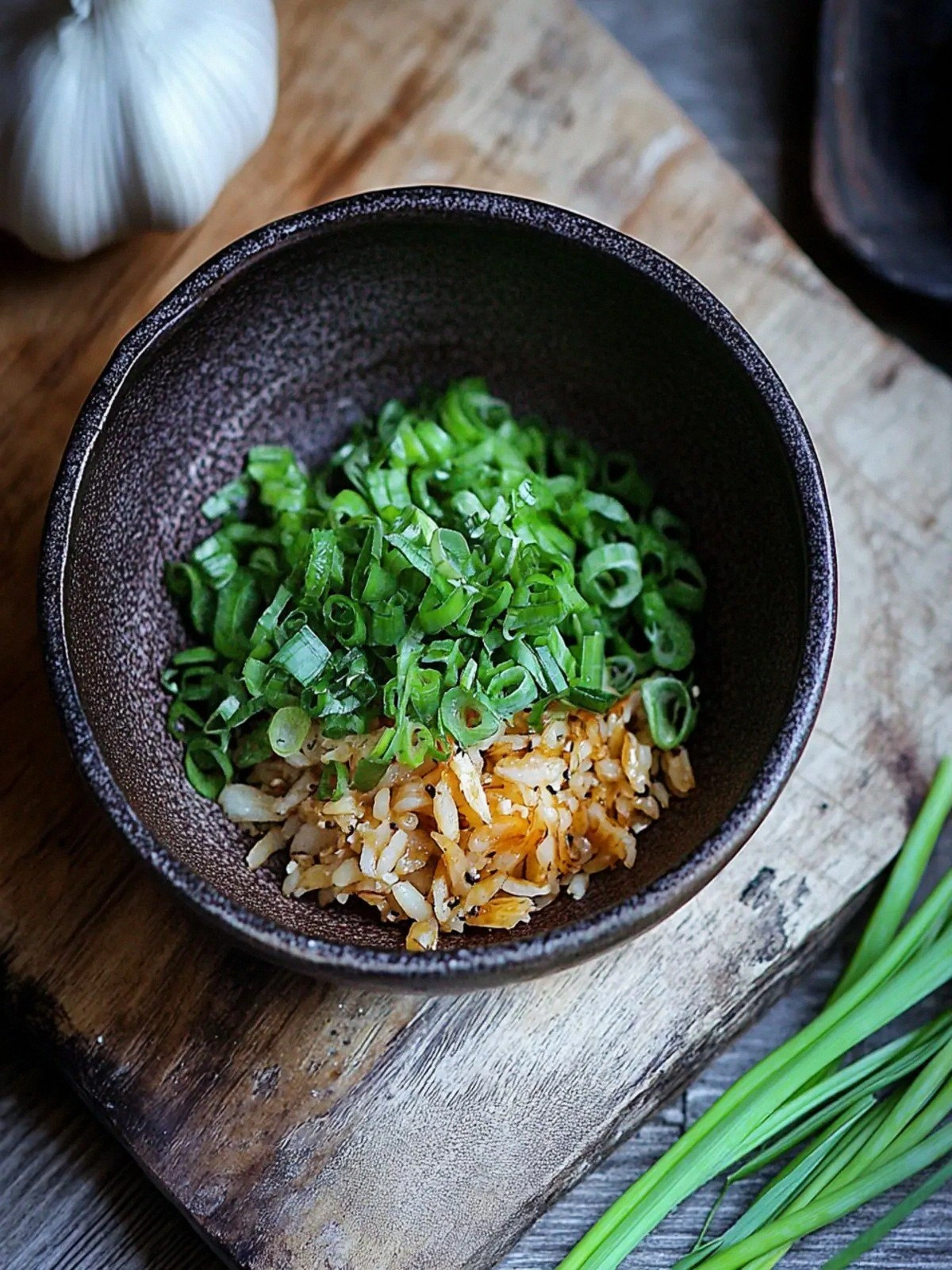
The yellow onion, garlic, and ginger form the aromatic foundation that carries the rest of the soup. The onion provides sweetness and depth; garlic adds a pungent punch that lingers; ginger brings a bright, peppery bite that keeps the dish from feeling too heavy. If you skip any of these, the soup will taste flat and unbalanced. A good rule of thumb: use fresh ginger for the most vibrant flavor; pre‑ground ginger can be a convenient alternative but will lack that zing.
The Texture Crew
Carrots and sweet potatoes are the stars of the show, delivering body and natural sweetness. Roasting them first caramelizes the sugars, turning a simple mash into a silky, complex flavor profile. Cutting them into uniform 1‑inch cubes ensures even cooking and a consistent mouthfeel. If you prefer a chunkier texture, reserve a handful of the roasted vegetables and stir them in after blending.
The Unexpected Star
Coconut cream is the secret weapon that transforms this soup from hearty to luxurious. Its rich, silky texture coats the tongue, while its subtle sweetness balances the earthy root vegetables. If you’re lactose intolerant or vegan, coconut cream is a perfect substitute for Greek yogurt. The key is to add it at the very end to preserve its creamy consistency.
The Final Flourish
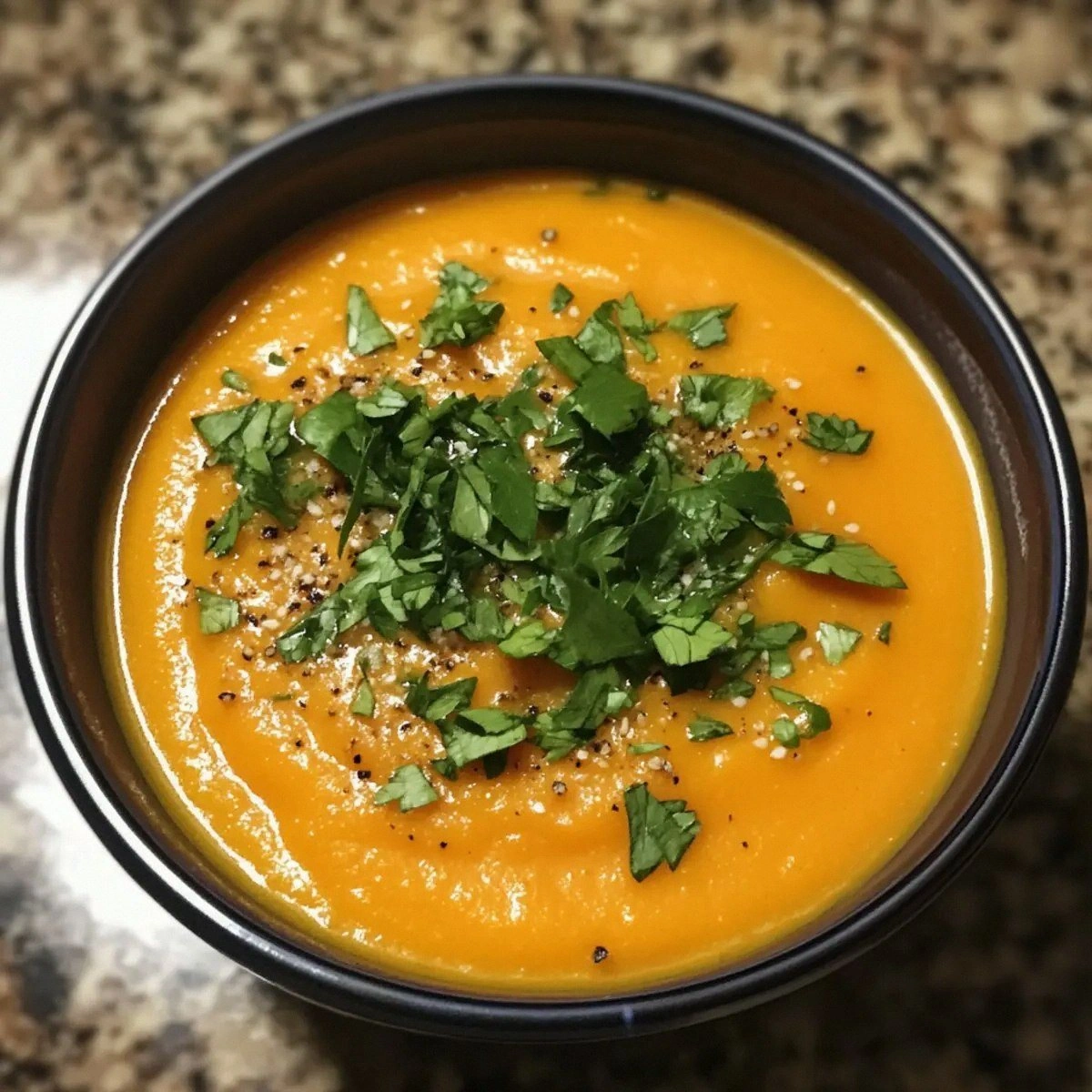
The finishing touches—fresh cilantro or parsley, a swirl of yogurt or coconut cream, and a squeeze of citrus—add brightness and a burst of freshness that cuts through the richness. Cilantro’s peppery notes lift the soup, while a squeeze of lime or lemon adds a citrusy punch that makes the dish feel fresh and alive. Don’t underestimate the power of a simple garnish; it can transform the entire dining experience.
Everything's prepped? Good. Let's get into the real action...
The Method — Step by Step
- Preheat your oven to 400°F (200°C). Peel the carrots and sweet potatoes, then cut them into uniform 1‑inch cubes. Toss the veggies in 1 tablespoon of olive oil, a pinch of salt, pepper, and 1 teaspoon of ground cumin. Spread them out on a baking sheet and roast for 25 minutes, stirring halfway through, until they’re caramelized and tender. The caramelization adds a depth that no stovetop method can match.
- While the vegetables are roasting, dice the onion, mince the garlic, and grate the ginger. Heat the remaining tablespoon of olive oil in a large pot over medium heat. Add the onion, garlic, and ginger, and sauté until the onion turns translucent and the mixture releases a fragrant aroma—about 5 minutes. This step builds the flavor base that will carry the soup.
- Add the roasted vegetables to the pot and pour in 4 cups of vegetable broth. Bring the mixture to a gentle boil, then reduce the heat to low and simmer uncovered for 15 minutes. The broth will absorb the roasted flavors, creating a rich, cohesive taste profile. Keep an eye on the liquid; if it reduces too much, add a splash of water.
- Use an immersion blender to puree the soup until silky smooth. If you don’t have an immersion blender, carefully transfer the soup in batches to a countertop blender, then return it to the pot. The result should be a velvety texture that coats the tongue without feeling heavy. Taste and adjust seasoning with salt and pepper.
- Stir in ½ cup of Greek yogurt or coconut cream to add creaminess and a subtle tropical note. Warm the mixture gently over low heat, but do not let it boil—boiling can cause the yogurt to curdle or the coconut cream to separate. The gentle heat preserves the smooth texture.
- Add a handful of chopped cilantro or parsley, and stir to combine. The fresh herbs bring brightness and a fresh contrast to the warm, sweet base. If you prefer a more pronounced herb flavor, add the cilantro at the very end, just before serving.
- Serve hot, garnished with a swirl of yogurt or coconut cream, a drizzle of olive oil, and an extra sprinkle of cilantro. A squeeze of lime or lemon adds a citrusy finish that lifts the entire dish. The combination of warmth and brightness makes this soup a comforting, crowd‑pleasing meal.
- Optional: For a subtle kick, sprinkle a pinch of cayenne pepper or smoked paprika over the finished soup. This adds a smoky warmth that complements the sweet and spicy elements. If you’re feeling adventurous, try a dash of fresh ground black pepper for an extra layer of heat.
- If you’d like a thicker consistency, reserve a handful of the roasted vegetables before blending, then mash them into the soup. This technique adds body without diluting the flavor. Stir well to ensure the mash is fully incorporated.
That's it — you did it. But hold on, I've got a few more tricks that'll take this to another level...
Insider Tricks for Flawless Results
The Temperature Rule Nobody Follows
Most people think simmering the soup at a high heat will speed up the process, but a gentle low simmer actually allows the flavors to marry better and prevents the broth from becoming cloudy. Keep the pot at a steady low heat after adding the broth, and let the flavors unfold naturally. I once tried a high‑heat method and ended up with a watery, flat soup that tasted like it had never been simmered.
Why Your Nose Knows Best
When the onions, garlic, and ginger begin to caramelize, the aroma will shift from sharp to sweet. That sweet scent is your cue that the aromatics are ready to move on. Trust your nose, and you’ll avoid over‑sautéing, which can lead to bitterness.
The 5-Minute Rest That Changes Everything
After blending the soup, let it sit for five minutes before adding the dairy or coconut cream. This short rest allows the flavors to settle, preventing the yogurt from curdling and giving the soup a smoother finish. I’ve found that a quick pause makes all the difference between a good soup and a great one.
The Quick Garnish Hack
Instead of chopping cilantro fresh, try lightly sautéing it in a hot pan for 30 seconds before adding. This releases the essential oils and gives the garnish a deeper, more fragrant flavor. It’s a small step that elevates the final presentation.
The Coconut Cream Trick
If you’re using coconut cream, chill it overnight in the refrigerator. Cold coconut cream emulsifies more easily when added to a hot soup, creating a silky, lump‑free texture. I’ve had mixed results with room‑temperature cream, so this trick is a must‑try.
Creative Twists and Variations
This recipe is a playground. Here are some of my favorite ways to switch things up:
Spicy Chili Twist
Add a diced jalapeño or a pinch of red pepper flakes during the sauté stage for a fiery kick that pairs wonderfully with the sweet base. The heat balances the sweetness, creating a dynamic flavor profile that’s perfect for cooler evenings.
Smoky Chipotle Finish
Stir in a tablespoon of chipotle in adobo sauce before adding the dairy. The smoky heat gives the soup depth and a subtle hint of Latin flavor, turning it into a comforting, adventurous dish.
Herb‑Infused Variant
Replace cilantro with fresh basil or mint for a different aromatic experience. Basil adds a sweet, peppery note, while mint brings a refreshing coolness that brightens the dish.
Vegan Cream Swap
Use a dairy‑free yogurt or a splash of cashew cream instead of coconut cream for a lighter, less sweet finish. Cashew cream offers a subtle nutty flavor that complements the root vegetables beautifully.
Roasted Pepper Addition
Roast a red bell pepper along with the carrots and sweet potatoes, then blend it in for a burst of color and a sweet, smoky flavor. The pepper adds a layer of complexity without overpowering the main ingredients.
Breakfast Boost
Serve the soup with a side of toasted sourdough or a poached egg on top for a hearty breakfast. The protein adds substance, while the bread soaks up the flavorful broth, making it a satisfying start to the day.
Storing and Bringing It Back to Life
Fridge Storage
Cool the soup completely before transferring it to airtight containers. Store in the refrigerator for up to five days. When reheating, add a splash of water or broth to restore its original consistency and stir until heated through.
Freezer Friendly
Divide the soup into freezer‑safe portions and seal tightly. It keeps well for up to three months. Thaw overnight in the fridge, then reheat on the stove or in the microwave, adding a little liquid if needed. The frozen version is just as creamy and flavorful as the fresh one.
Best Reheating Method
Reheat on low heat, stirring frequently, and add a small splash of water or broth to maintain moisture. A quick 2‑minute microwave burst works if you’re in a hurry, but the stovetop method preserves the silky texture. Finish with a swirl of yogurt or coconut cream for that fresh, luxurious finish.