I remember the night I tried to impress my roommate with a “quick” dinner and ended up with a burnt, soggy pasta that tasted like it had been left in the fridge for a week. I was halfway through the recipe, the sauce was a thick, unappetizing sludge, and the chicken had turned into a rubbery slab. I stared at the stove, feeling the sting of culinary failure, and thought, “There has to be a better way.”
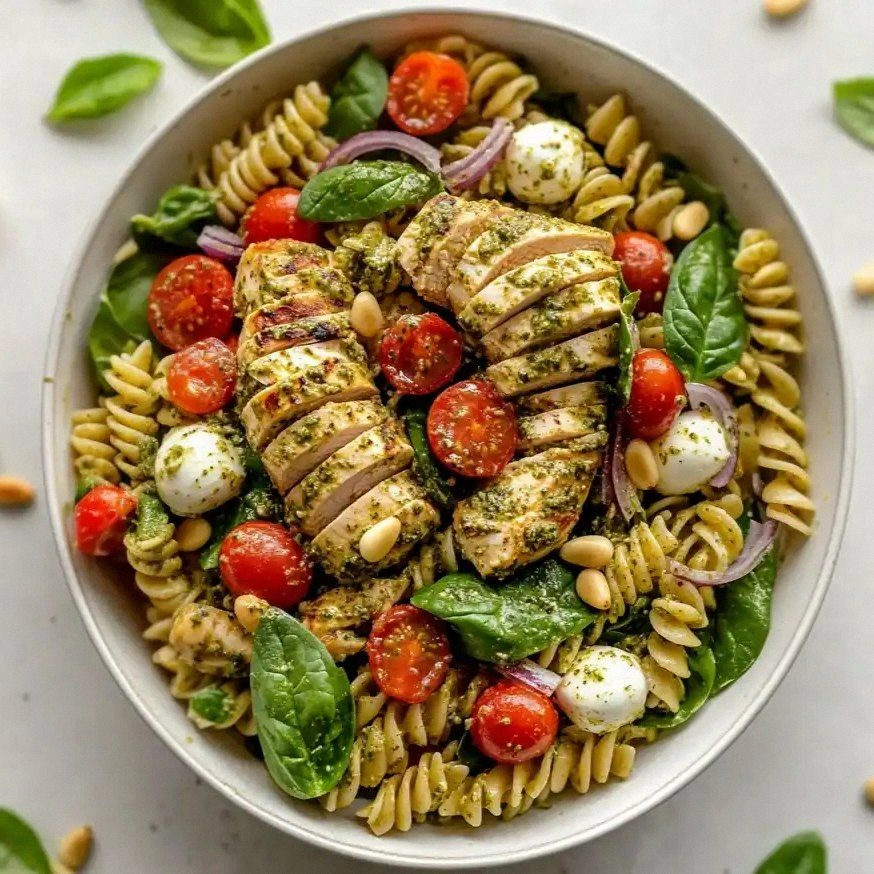
Fast forward to today, and I’ve discovered a version of chicken pesto pasta salad that feels like a culinary revelation. Imagine a bright, green pesto that coats each noodle like velvet, the chicken sliced into bite‑sized ribbons that melt in your mouth, and a splash of lemon that cuts through the richness like a razor. The cherry tomatoes burst with juice, the mozzarella or feta adds a creamy counterpoint, and the pine nuts crackle with toasted flavor. The whole dish sings a harmonious symphony of textures and tastes that you can’t help but want to taste again.
What sets this recipe apart is its balance of simplicity and sophistication. It uses pantry staples and a few fresh ingredients to create a dish that feels like a gourmet meal, yet it takes only 25 minutes from start to finish. The key is a homemade pesto that’s both aromatic and silky, a technique that most store‑bought sauces miss. I dare you to taste this and not go back for seconds.
The moment I first tossed the pasta with the pesto, the scent of basil and garlic filled the kitchen, turning the air into a fragrant invitation. The heat from the pan made the pasta slightly caramelize on the edges, giving it a subtle crunch that contrasts with the softness of the spinach. Every spoonful feels like a burst of summer, even in the middle of winter. This is hands down the best version you’ll ever make at home, and I’m excited to walk you through every single step. By the end, you’ll wonder how you ever made it any other way.
Let’s dive into the details that make this salad stand out: the fresh, vibrant pesto; the precise pasta choice; the strategic use of cheese; and the finishing touch that turns a simple bowl into a memorable plate. Picture yourself pulling this out of the fridge, the whole kitchen smelling incredible, and your guests asking for the secret. I’ll share the technique that keeps the pesto from separating, the trick that guarantees perfectly cooked pasta, and the final flourish that makes every bite a delight.
If you’ve ever struggled with making a pasta salad that doesn’t feel heavy or bland, you’re not alone. I’ve been there, and I’ve found the fix. The next sections will give you the confidence to create a dish that’s both refreshing and satisfying, with a flavor profile that will have everyone coming back for more.
Ready to transform your lunchbox, picnic, or dinner table? Stay with me here, because the next part is pure magic. And remember, this recipe is a playground—there’s room for creativity, but the base will always be solid. Let’s get started.
What Makes This Version Stand Out
- Flavor: The pesto is made from fresh basil, garlic, pine nuts, and Parmesan, delivering a vibrant, herbaceous kick that sets this salad apart from bland, store‑bought versions.
- Texture: The combination of al dente pasta, tender chicken, and crunchy pine nuts creates a satisfying mouthfeel that feels like a well‑crafted dish.
- Simplicity: All steps can be completed in under 30 minutes, making it ideal for busy weeknights or last‑minute gatherings.
- Versatility: Swap mozzarella for feta or add roasted red peppers for extra color and flavor—this base adapts to whatever you have on hand.
- Make‑ahead Potential: The salad keeps well in the fridge for up to two days, making it a convenient option for meal prep.
- Crowd Reaction: Friends who are usually skeptical about pasta salads will find this dish irresistible, thanks to the bright pesto and fresh ingredients.
- Ingredient Quality: Using fresh, high‑quality basil and good olive oil elevates the dish, turning ordinary pasta into a gourmet experience.
- Balanced Nutrition: With lean protein, healthy fats from olive oil, and plenty of veggies, this salad satisfies both taste buds and nutritional goals.
Alright, let’s break down exactly what goes into this masterpiece. Before you start, make sure you have everything prepped and ready to go—this will keep the cooking flow smooth and stress‑free.
Inside the Ingredient List
The Flavor Base
The pesto is the heart of this salad. Basil provides a sweet, peppery note that brightens the dish, while garlic adds a punch of savory depth. Pine nuts lend a buttery crunch, and Parmesan gives a nutty umami finish. Olive oil binds these flavors together, creating a sauce that coats the pasta like velvet. If you skip the pesto, the salad loses its signature freshness and becomes a plain pasta bowl.
Swap the pine nuts for walnuts for a slightly earthier flavor, or use cashews for a creamier texture if you’re aiming for a dairy‑free version. The key is to keep the pesto vibrant; using frozen basil or a low‑quality jarred sauce will dull the dish.
The Texture Crew
Al dente pasta is crucial—it provides a firm bite that holds up against the sauce and prevents mushiness. Chicken breast, sliced into thin ribbons, offers lean protein that absorbs the pesto’s flavors without becoming dry. Cherry tomatoes add juicy bursts, while baby spinach or arugula introduces a peppery bite and a pop of color. Fresh mozzarella or feta contributes a creamy element that balances the pesto’s intensity.
If you’re short on fresh ingredients, frozen spinach can work, but thaw and squeeze out excess water to avoid a soggy salad. For a vegetarian twist, replace chicken with grilled halloumi or tofu; just remember to marinate the protein beforehand.
The Unexpected Star
Red onion, diced finely, brings a subtle sharpness that cuts through the richness of the cheese and olive oil. Its translucent layers soften slightly during the brief sauté, creating a sweet undertone. Pine nuts, toasted to golden perfection, add a nutty crunch that contrasts with the smoothness of the pesto. Without these elements, the salad would feel flat and one‑dimensional.
If you’re allergic to nuts, substitute with sunflower seeds or omit them entirely. The crunch will be lost, but the dish will still shine thanks to the other components.
The Final Flourish
A squeeze of lemon juice brightens the entire dish, adding acidity that lifts the flavors and balances the richness of the cheese and olive oil. Salt and pepper to taste are essential for seasoning, but be careful not to over‑salt the pesto. A pinch of red pepper flakes can add a subtle heat if you like a little kick.
The finishing touch is a sprinkle of grated Parmesan, which adds a final layer of savory depth and a slightly crunchy texture when toasted. This small detail can transform a good salad into a great one.
Everything's prepped? Good. Let's get into the real action.
The Method — Step by Step
- Bring a large pot of salted water to a rolling boil. Add the pasta and cook until al dente—about 8 minutes for penne or farfalle. Reserve a cup of pasta water before draining, then set the pasta aside to cool slightly. The pasta should still be warm enough to absorb the pesto but not hot enough to wilt the spinach.
- While the pasta cooks, heat a tablespoon of olive oil in a large skillet over medium heat. Add the diced red onion and sauté until translucent and fragrant, about 3 minutes. This step brings out the onion’s natural sweetness, which pairs beautifully with the basil.
- In a food processor, combine basil, garlic, pine nuts, Parmesan, and a pinch of salt. Pulse until a coarse paste forms. Add the lemon juice, then slowly drizzle in the olive oil while processing until the mixture emulsifies into a silky pesto. If the sauce is too thick, add a splash of reserved pasta water to reach the desired consistency.
- Toss the cooked pasta with the pesto, ensuring every noodle is coated. If the sauce is too thick, add a little reserved pasta water to loosen it. The pasta should smell toasty, with a faint hint of garlic and basil.
- Fold in the sliced chicken, cherry tomatoes, spinach or arugula, and mozzarella or feta. The heat from the pasta will slightly wilt the greens, preserving their bright color. Taste and adjust seasoning with salt and pepper.
- Garnish with a final sprinkle of grated Parmesan and a few toasted pine nuts for extra crunch. Toss lightly to distribute the toppings evenly.
- Let the salad rest for 5 minutes at room temperature. This resting period allows the flavors to meld and the pesto to settle, resulting in a more cohesive taste.
- Serve immediately or chill in the refrigerator for up to 2 days. If you’re serving cold, add a splash of olive oil just before serving to revive the pesto’s silky texture.
That's it—you did it. But hold on, I've got a few more tricks that'll take this to another level.
Insider Tricks for Flawless Results
The Temperature Rule Nobody Follows
Cooking pasta at a rolling boil ensures even cooking and prevents clumping. I once tried simmering, and the noodles became mushy. Keep the water at a steady boil, and stir frequently to keep the pasta from sticking.
Why Your Nose Knows Best
Smell the pesto as it emulsifies; it should have a fresh, herbal aroma. If it starts to smell overly oily, the olive oil has separated—add a teaspoon of water to re‑emulsify.
The 5‑Minute Rest That Changes Everything
Letting the salad sit after mixing allows the pesto to coat the pasta evenly. I learned this after a friend tried to serve the dish immediately and the sauce clung to the noodles. The rest period is a small price for a big flavor payoff.
Toast Your Nuts for Extra Flavor
Toasting pine nuts in a dry skillet until golden brings out their natural oils and adds a subtle crunch. If you skip this step, the nuts will taste raw and the texture will be less satisfying.
Use Pasta Water Wisely
Reserve a cup of pasta water before draining. The starchy water helps the pesto cling to the noodles and prevents it from becoming too thick or separating.
Creative Twists and Variations
This recipe is a playground. Here are some of my favorite ways to switch things up:
Mediterranean Kick
Swap the basil pesto for a sun‑dried tomato pesto, and add kalamata olives and feta. The smoky olive flavor pairs perfectly with the sweet tomato base.
Asian Fusion
Use a sesame‑based sauce instead of pesto, add shredded carrots and sliced cucumber, and top with crushed peanuts for crunch.
Vegan Delight
Replace chicken with marinated tofu or chickpeas, use vegan Parmesan, and omit the mozzarella. The dish remains creamy and satisfying.
Summer BBQ
Add grilled corn kernels, smoky chipotle peppers, and a drizzle of barbecue sauce for a smoky, sweet finish.
Protein Boost
Incorporate a handful of roasted chickpeas or edamame for extra protein and a nutty crunch.
Low‑Carb Option
Swap pasta for spiralized zucchini or shirataki noodles, and keep the rest of the ingredients unchanged. This keeps the dish light yet flavorful.
Storing and Bringing It Back to Life
Fridge Storage
Store the salad in an airtight container for up to 2 days. Keep the pesto separate until serving to prevent the pasta from becoming soggy. When ready to eat, give the salad a quick stir and add a splash of olive oil if needed.
Freezer Friendly
For longer storage, keep the pasta, chicken, and veggies separate from the pesto. Freeze each component in airtight bags for up to 3 months. Recombine when ready, and add a drizzle of olive oil to re‑emulsify the pesto.
Best Reheating Method
Reheat the salad in a microwave on low for 1 minute, then stir. Add a tiny splash of water before reheating; this steams the salad back to perfection and prevents it from drying out.