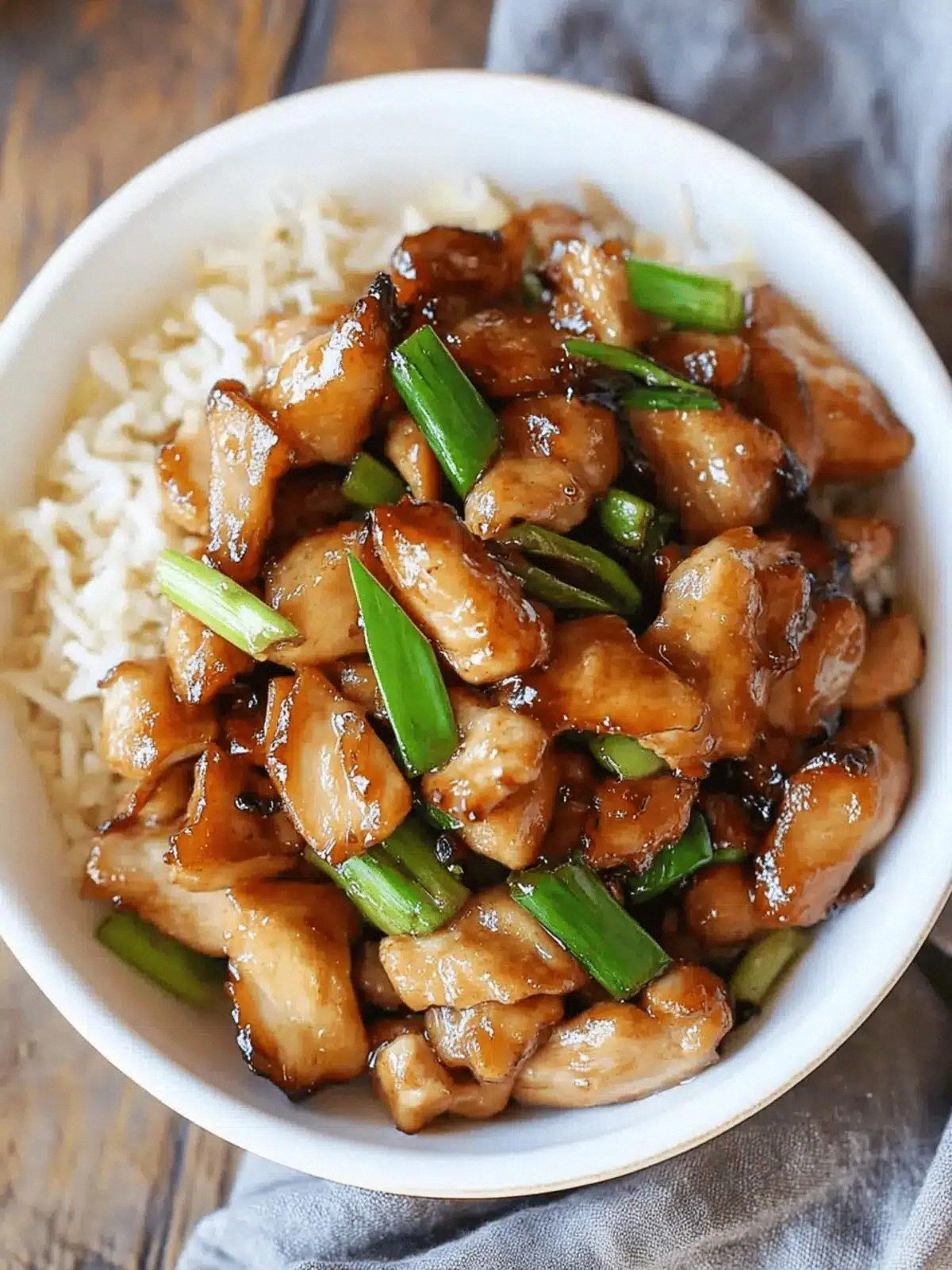
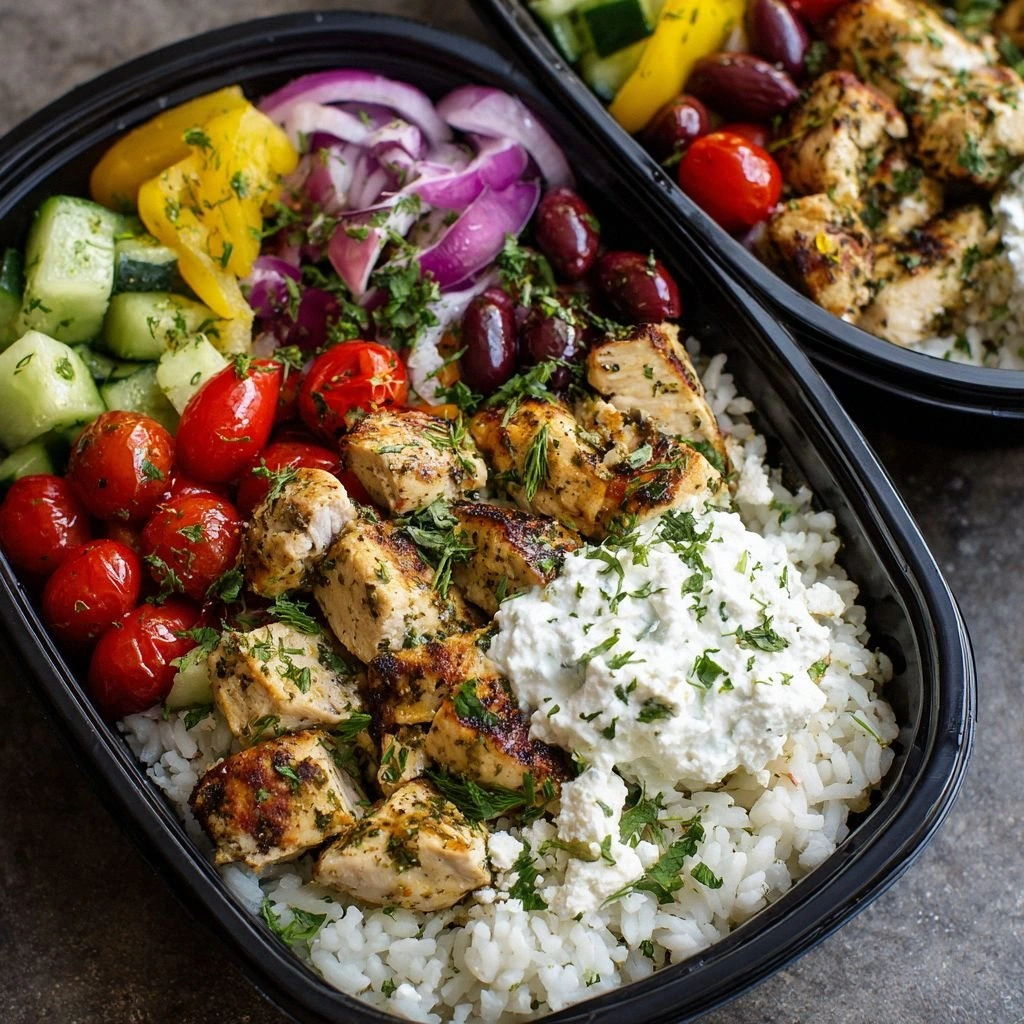
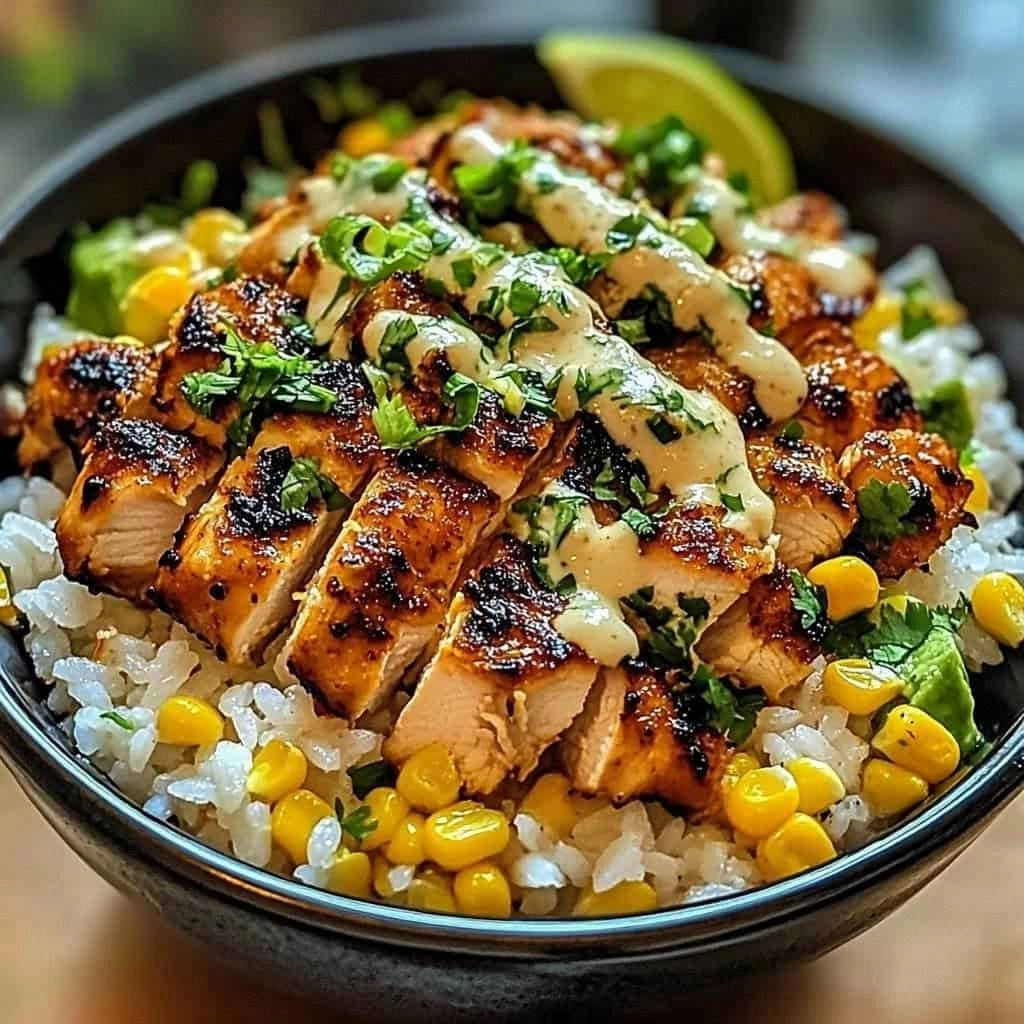
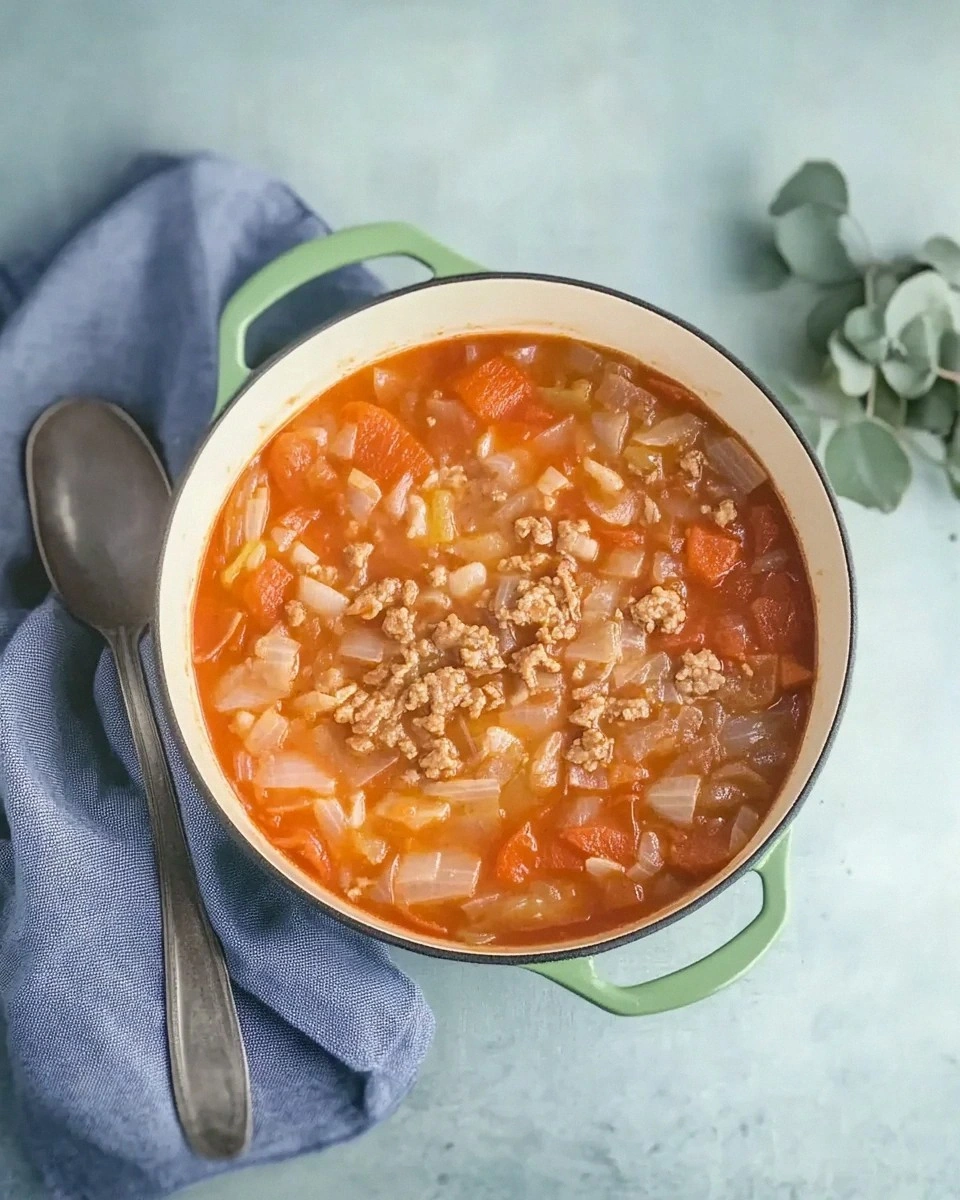
Picture this: it’s a rainy Saturday, the kitchen smells like burnt toast, and I’ve just realized I’ve run out of the usual stir‑fry sauce. I’m staring at a handful of fresh ginger, a bottle of soy sauce, and a box of rice noodles, feeling that familiar mix of panic and excitement. I dare you to taste this and not go back for seconds, because this little experiment turns a culinary mishap into a flavor explosion that will haunt your taste buds for days.
I was halfway through a bland, over‑cooked batch when the ginger hit me like a revelation. Its bright, citrusy punch cut through the blandness like a knife through butter, and the sesame oil’s nutty aroma filled the air, turning the kitchen into a fragrant, sizzling playground. The snap peas gave that satisfying crunch that makes every bite a story, while the carrots added a subtle sweetness that balances the heat from the crushed red pepper flakes. I was like a kid in a candy store, but with a wok and a wok‑ful of ambition.
Most recipes get this completely wrong. They either overcook the noodles or under‑season the sauce, leading to a bland, mushy mess. But this version? It’s hands down the best version you’ll ever make at home. The sauce coats the noodles like velvet, the vegetables retain their crispness, and the sesame seeds add that final pop of crunch. I’ll be honest — I ate half the batch before anyone else got to try it. The rest? Well, you’ll see how it’s done.
If you’ve ever struggled with a stir‑fry that feels like a science experiment gone wrong, you’re not alone — and I’ve got the fix. Picture yourself pulling this out of the pan, the whole kitchen smelling incredible, and the plate looking like a work of art. Let me walk you through every single step — by the end, you’ll wonder how you ever made it any other way.
What Makes This Version Stand Out
- Taste: The combination of honey and soy sauce creates a sweet‑savory base that elevates the dish, while the crushed red pepper flakes give a subtle kick that lingers on the palate.
- Texture: Snap peas and carrots stay crisp, noodles stay al dente, and the sesame seeds add a delightful crunch that contrasts perfectly with the silky sauce.
- Simplicity: With just a handful of ingredients and a single pan, this recipe is a breeze for beginners and a quick fix for busy evenings.
- Uniqueness: The fresh ginger isn’t just a garnish; it’s the star that cuts through the heaviness of the sauce and adds a bright, zesty lift.
- Crowd Reaction: Friends always ask for the recipe after dinner, and I can’t resist teasing them with the “secret” sesame oil drizzle.
- Ingredient Quality: Using high‑quality soy sauce and fresh ginger makes all the difference; the flavor depth is unmistakable.
- Cooking Method: A quick high‑heat stir‑fry locks in flavors and textures, making this dish a true showcase of wok mastery.
- Make‑Ahead Potential: The dish can be prepared in advance, and the flavors actually deepen overnight, making it perfect for meal prep.
Inside the Ingredient List
The Flavor Base
The foundation of any great stir‑fry is the sauce, and this one is a masterclass in balance. Soy sauce provides umami depth, while honey (or brown sugar) introduces a natural sweetness that counteracts the saltiness. The crushed red pepper flakes add a gentle heat that tingles without overpowering. If you’re watching sodium, opt for a low‑sodium soy sauce; the honey will compensate for the flavor loss.
The Texture Crew
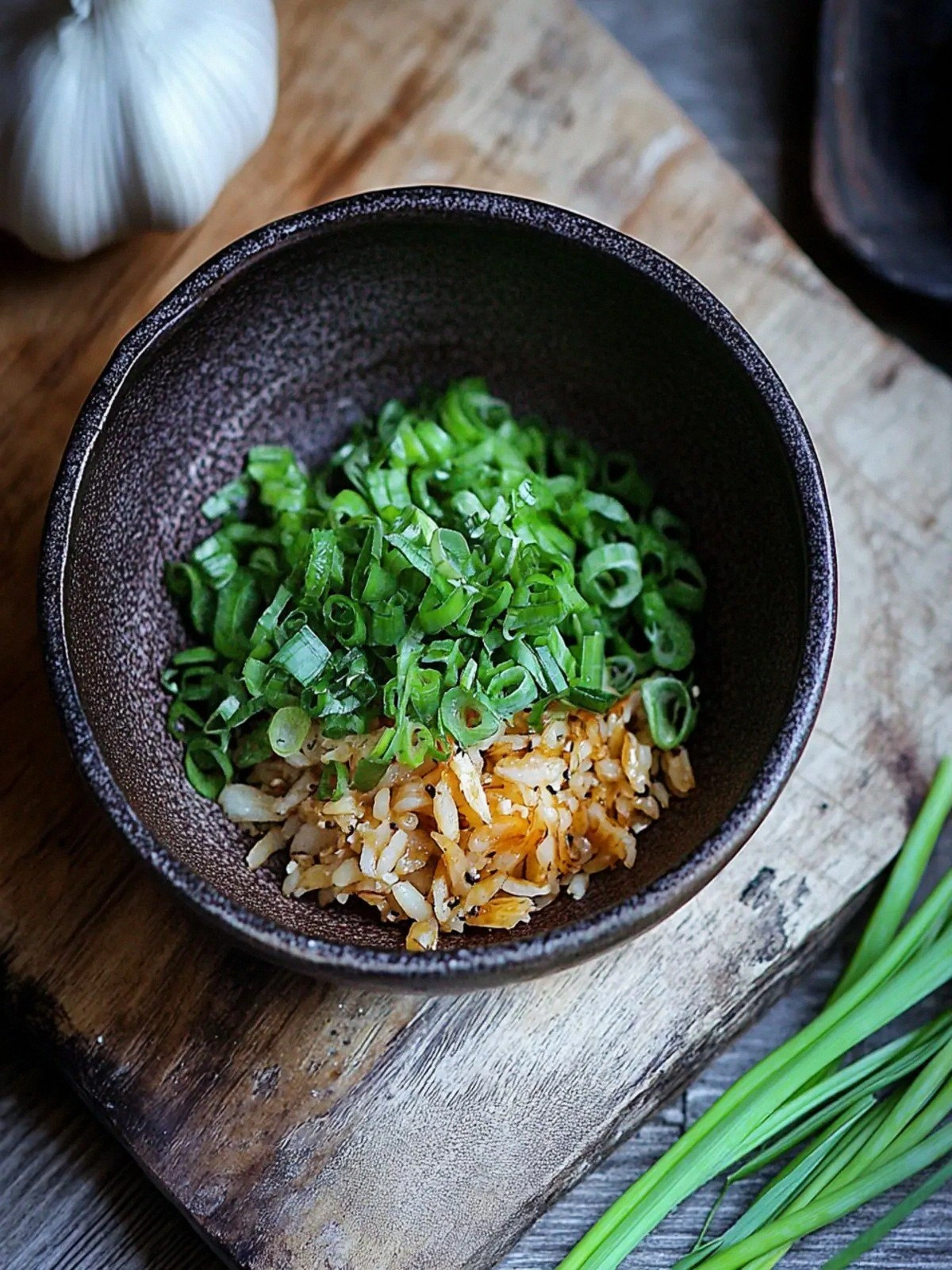
Snap peas and carrots are the crunchy companions that keep the dish lively. They’re pre‑washed and trimmed, then sliced into bite‑size pieces that cook quickly. The green onions are sliced thinly to release their mild onion flavor without dominating. If you’re a fan of extra crunch, add a handful of toasted cashews or almonds at the end.
The Unexpected Star
Fresh ginger isn’t just an ingredient; it’s a flavor engine. Grated or finely minced, it infuses the oil with a bright, citrusy note that cuts through the richness of the sauce. If you can’t find fresh ginger, a tablespoon of ginger paste works, but the fresh version delivers that zing you’ll crave.
The Final Flourish
Sesame seeds and sesame oil bring a nutty aroma and a subtle crunch. Toasting the seeds in a dry pan before adding them gives them a deeper flavor. The sesame oil is added at the very end to preserve its delicate notes, preventing it from becoming bitter. If you’re vegan or allergic, use a neutral oil like grapeseed instead; the sesame flavor will be lost, but the dish remains delicious.
Everything's prepped? Good. Let's get into the real action.
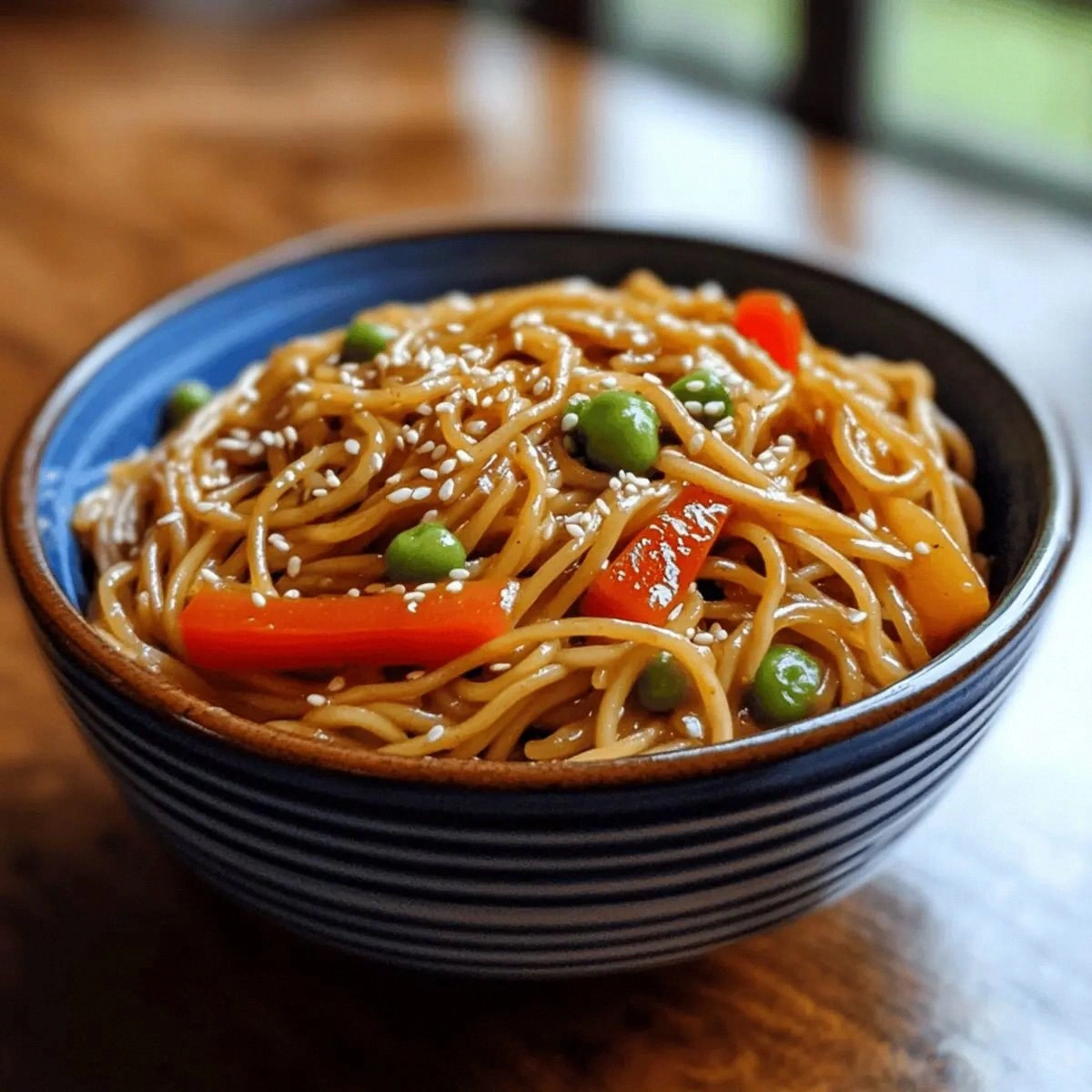
The Method — Step by Step
- First, bring a pot of salted water to a rolling boil. Add the rice noodles and cook for 3 minutes, just until they start to soften. Drain them and rinse under cold water to stop the cooking process. Toss with a tablespoon of sesame oil to keep them from sticking together. This step is crucial for that al dente bite.
- Heat a large wok or skillet over medium‑high heat until it starts to shimmer. Add the sesame oil and let it swirl around the pan. This is the moment of truth; the oil should be hot but not smoking. The aroma of toasted sesame is the first hint of the dish’s destiny.
- Add the minced ginger and a pinch of crushed red pepper flakes. Stir for 30 seconds until fragrant. The ginger should release its oils, creating a fragrant haze that will coat every ingredient. Watch the color change; it’s a good indicator that the ginger is sizzling properly.
- Introduce the tofu or chicken breast, sliced into bite‑sized cubes. Stir‑fry for 4–5 minutes until they’re golden brown on all sides. If you’re using tofu, press it beforehand to remove excess moisture; this ensures a crisp exterior.
- Add the carrots and snap peas. Stir‑fry for another 2 minutes, just enough to give them a slight blanch but still retain their crunch. The vegetables should stay vibrant in color; this is a sign they’re cooked perfectly.
- Pour in the soy sauce and honey, stirring to coat all the ingredients. Let the sauce simmer for a minute, allowing it to thicken slightly. The sauce should look glossy and cling to the noodles and veggies.
- Add the cooked noodles and toss everything together until the noodles are evenly coated. The heat should be high enough to give a slight char to the edges of the noodles, but not so high that the sauce burns.
- Finish with the green onions, toasted sesame seeds, and a final splash of sesame oil. Give the dish one last stir, then remove from heat. Plate immediately to preserve the crunch.
That’s it — you did it. But hold on, I’ve got a few more tricks that will take this to another level.
Insider Tricks for Flawless Results
The Temperature Rule Nobody Follows
Stir‑frying at the right temperature is everything. The pan should be hot enough that the ingredients sizzle immediately, but not so hot that the sauce burns. I like to test with a splash of water; if it evaporates instantly, the heat is perfect. If the water lingers, reduce the heat slightly.
Why Your Nose Knows Best
Your sense of smell is your best quality control. As the ginger and sesame oil mingle, the aroma should become nutty and citrusy. If it starts to smell metallic or burnt, pull the pan off the heat immediately. The first scent you detect tells you whether the dish is on track.
The 5‑Minute Rest That Changes Everything
After cooking, let the dish rest for five minutes before plating. This allows the flavors to settle and the noodles to absorb the sauce fully. A friend once skipped this step and ended up with a dry, unevenly flavored dish. The rest is what turns a good stir‑fry into a memorable meal.
The Secret Sauce Swirl
When adding the sauce, swirl the pan to coat everything evenly. This simple motion ensures no ingredient is left behind. The result is a harmonious blend where every bite tastes balanced.
The Quick Toss Technique
Use a pair of tongs to toss the noodles and veggies constantly. This prevents sticking and ensures even cooking. It also creates that satisfying “sizzle” sound that signals the dish is working its magic.
Creative Twists and Variations
This recipe is a playground. Here are some of my favorite ways to switch things up:
Spicy Coconut Crunch
Swap the sesame oil for coconut oil and add a splash of coconut milk. Toss in sliced bell peppers for extra color and crunch. The coconut adds a tropical sweetness that pairs wonderfully with the ginger.
Miso‑Infused Delight
Replace half the soy sauce with white miso paste for a deeper umami flavor. Add a handful of spinach at the end for a green boost. The miso’s subtle saltiness complements the honey.
Lemon‑Zest Twist
Finish with a squeeze of fresh lemon juice and a sprinkle of lemon zest. The citrus brightens the dish and cuts through the richness. It’s a perfect match for a light summer dinner.
Thai‑Inspired Kick
Add a tablespoon of Thai red curry paste and a splash of fish sauce. Include bamboo shoots and a handful of Thai basil. The curry paste adds depth, while the basil provides a fresh, aromatic finish.
Veggie‑Loaded Powerhouse
Drop the tofu or chicken entirely and load the wok with mushrooms, bok choy, and zucchini. Use a vegetarian soy sauce. The extra veggies make this a hearty, nutrient‑dense meal.
Storing and Bringing It Back to Life
Fridge Storage
Store in an airtight container for up to 3 days. Keep the sauce separate until ready to eat to prevent the noodles from becoming soggy. When reheating, sprinkle a splash of water and cover for 2 minutes to restore moisture.
Freezer Friendly
Freeze in a freezer‑safe container for up to 2 weeks. Thaw overnight in the fridge, then reheat in a skillet over medium heat, adding a splash of water or broth to keep it moist.
Best Reheating Method
Reheat in a wok or skillet, not the microwave, to preserve the crispness of the veggies. Add a teaspoon of water or broth, cover, and stir until heated through. Finish with a drizzle of sesame oil for that fresh aroma.