It was a Wednesday, the kind of night when the fridge feels like a culinary void and the pantry is a lonely desert. I stared at the single chicken breast left, the crumbling feta, and the wilted spinach, and I thought, “I could have sworn this was a Greek recipe.” The kitchen smelled faintly of oregano and lemon zest, but the air was still, and the only sound was the ticking of the clock. That moment of culinary despair became the spark that ignited what would become my favorite meal‑prep bowl. I dared myself to create a version that would make every bite a celebration of Mediterranean flavor, and I was not disappointed.
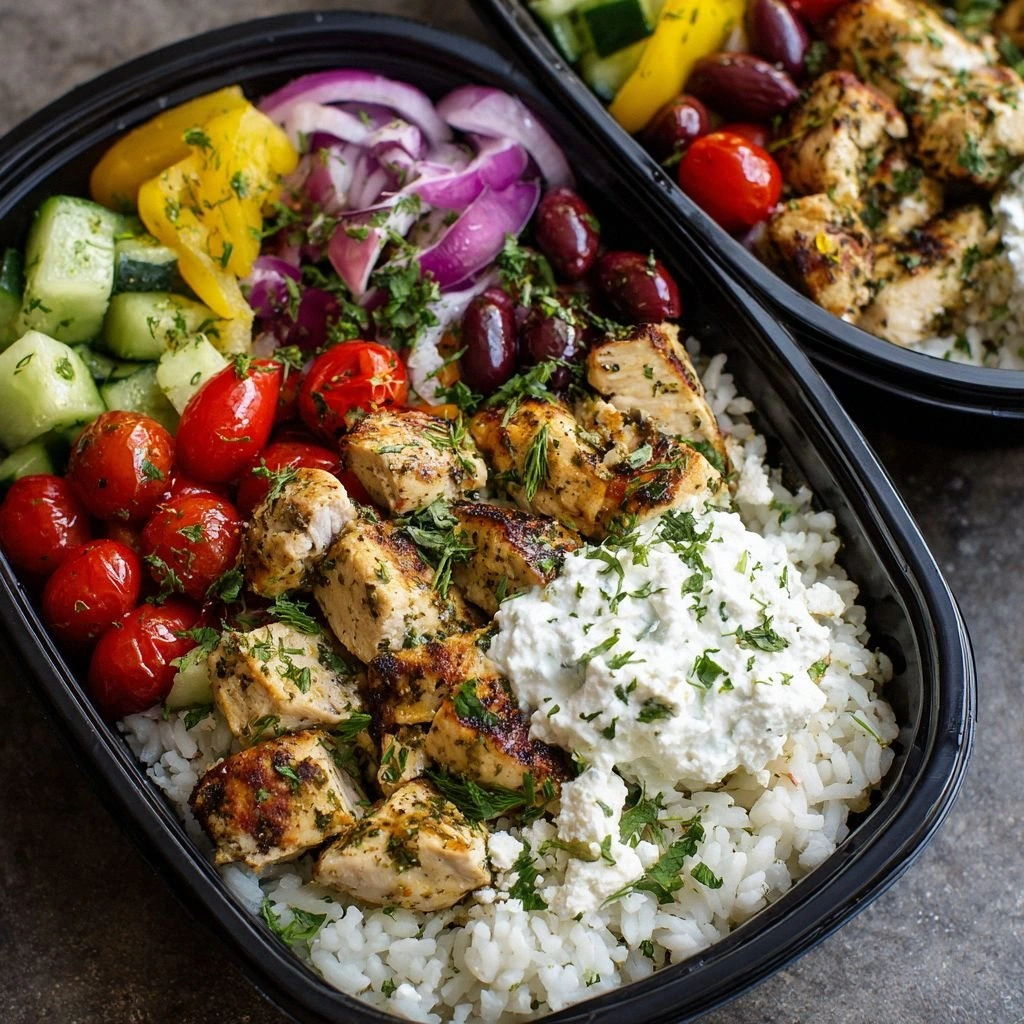
Picture this: a golden crusted chicken breast that crackles like a fresh summer sunrise, a creamy yogurt sauce that drapes the grains like a silky shawl, and a splash of cucumber and tomato that adds a crisp, almost musical note. The aroma that fills the kitchen is a heady mix of citrus, garlic, and a hint of sea salt that makes your nostrils dance. The texture is a glorious contrast between the tender, juicy chicken, the crunchy vegetables, and the fluffy quinoa that acts as the perfect base. Every bite is a balanced symphony—savory, tangy, and refreshingly bright. I dare you to taste this and not go back for seconds.
What makes this version stand out is the meticulous layering of flavors and the attention to detail that turns an ordinary bowl into an unforgettable meal. I’m not talking about a generic “Greek chicken” recipe that you find on a blog; this is a carefully engineered dish where each component is chosen for its role in the whole. The sauce doesn’t just coat the grain; it coats it like velvet, hugging each grain with a burst of citrus. The chicken is marinated to perfection, then seared to lock in juices, and finally finished in the oven to give it that irresistible golden edge. The vegetables are tossed in olive oil and lemon to keep them crisp, and the feta is crumbled just enough to melt into the bowl. This is hands down the best version you'll ever make at home.
And the secret? A small, unexpected twist: a dash of Greek yogurt mixed with a hint of smoked paprika gives the sauce a subtle depth that sets it apart from the usual yogurt‑lemon combo. That smoky note lingers, adding an extra layer of intrigue. Picture yourself pulling this out of the oven, the whole kitchen smelling incredible, and knowing that each bowl is a masterpiece ready to be divided into meal‑prep containers. Let me walk you through every single step — by the end, you'll wonder how you ever made it any other way.
What Makes This Version Stand Out
Flavor: The sauce is a bright, tangy explosion that cuts through the richness of the chicken and the creaminess of the quinoa.
Texture: Crispy edges on the chicken, crunchy cucumber, and soft grains create a harmonious mouthfeel.
Simplicity: Every ingredient is common, and the steps are straightforward, making this a go-to for busy weeknights.
Uniqueness: The smoked paprika in the yogurt sauce adds an unexpected twist that elevates the dish.
Crowd Reaction: Friends who’ve tried this say it’s the only Greek dish that makes them ask for a second plate.
Ingredient Quality: Fresh herbs, high‑quality olive oil, and real Greek feta are non‑negotiable for authentic flavor.
Cooking Method: The combination of searing and oven‑finishing locks in moisture while creating a caramelized crust.
Make‑ahead Potential: This bowl freezes well, and the flavors actually improve after a day or two.
Alright, let's break down exactly what goes into this masterpiece…
Inside the Ingredient List
The Flavor Base
Greek yogurt is the heart of this sauce, providing creaminess and a slight tang that elevates the entire bowl. It’s the perfect canvas for the smoked paprika and lemon zest, which together create a smoky, citrusy backdrop that lingers on the tongue. Skipping the yogurt would leave the bowl dry and bland; the sauce would lose its signature silkiness. If you’re lactose intolerant, swap the yogurt for a dairy‑free alternative like coconut yogurt, but keep the lemon for acidity.
The lemon juice is the bright spark that awakens the palate. It cuts through the richness of the chicken and the feta, adding a zesty lift that keeps the dish from feeling heavy. A fresh squeeze is essential—store‑bought bottled lemon juice lacks the vibrant acidity you’ll find in a freshly squeezed one. If you’re out of lemons, a splash of white wine vinegar can mimic the acidity but won’t provide the same bright flavor.
The Texture Crew
Quinoa is chosen for its fluffy, slightly nutty texture that holds up well when reheated. It absorbs the sauce without becoming mushy, providing a hearty base that’s both protein‑rich and gluten‑free. If you prefer a lighter grain, try farro or barley; they’ll add a chewy bite but change the overall texture profile.
Fresh cucumber and cherry tomatoes bring a burst of crunch and juiciness. The cucumber’s crispness contrasts the soft quinoa, while the tomatoes add a sweet, slightly acidic note that complements the yogurt. If you’re in the mood for a different vegetable, roasted bell peppers or sautéed spinach can replace the tomatoes for a different color palette.
The Unexpected Star
Smoked paprika is the secret weapon that sets this dish apart. It introduces a subtle, smoky depth that balances the bright lemon and fresh herbs. This ingredient is optional but highly recommended for those who crave an extra layer of complexity. A pinch of cumin can replace smoked paprika if you prefer a more earthy tone.
The feta cheese, crumbled, provides a salty, tangy finish that melts into the bowl, creating pockets of creamy richness. If you’re not a fan of feta, goat cheese or even a sprinkle of grated parmesan can work, though the flavor will shift toward a milder profile.
The Final Flourish
Olive oil is the medium that binds everything together. It helps the chicken develop a golden crust, and it coats the vegetables, enhancing their flavor. Use a high‑quality extra‑virgin olive oil for the best taste. The olives and fresh dill are the finishing touches that add briny depth and a herbaceous aroma. If you’re missing dill, a pinch of oregano can fill the herbaceous gap.
Everything's prepped? Good. Let's get into the real action...
The Method — Step by Step
- Start by rinsing the quinoa under cold water to remove its natural bitter coating. Bring 2 cups of water to a boil in a saucepan, add the quinoa, reduce heat to low, cover, and simmer for 15 minutes until the grains are fluffy. The quinoa should feel tender but still hold its shape. Set aside to cool slightly.
- While the quinoa cooks, prepare the yogurt sauce. In a bowl, whisk together 1 cup of Greek yogurt, the juice of 1 lemon, 1 tablespoon of lemon zest, 1 teaspoon of smoked paprika, and a pinch of salt and pepper. The sauce should be smooth, slightly thick, and fragrant. Set aside.
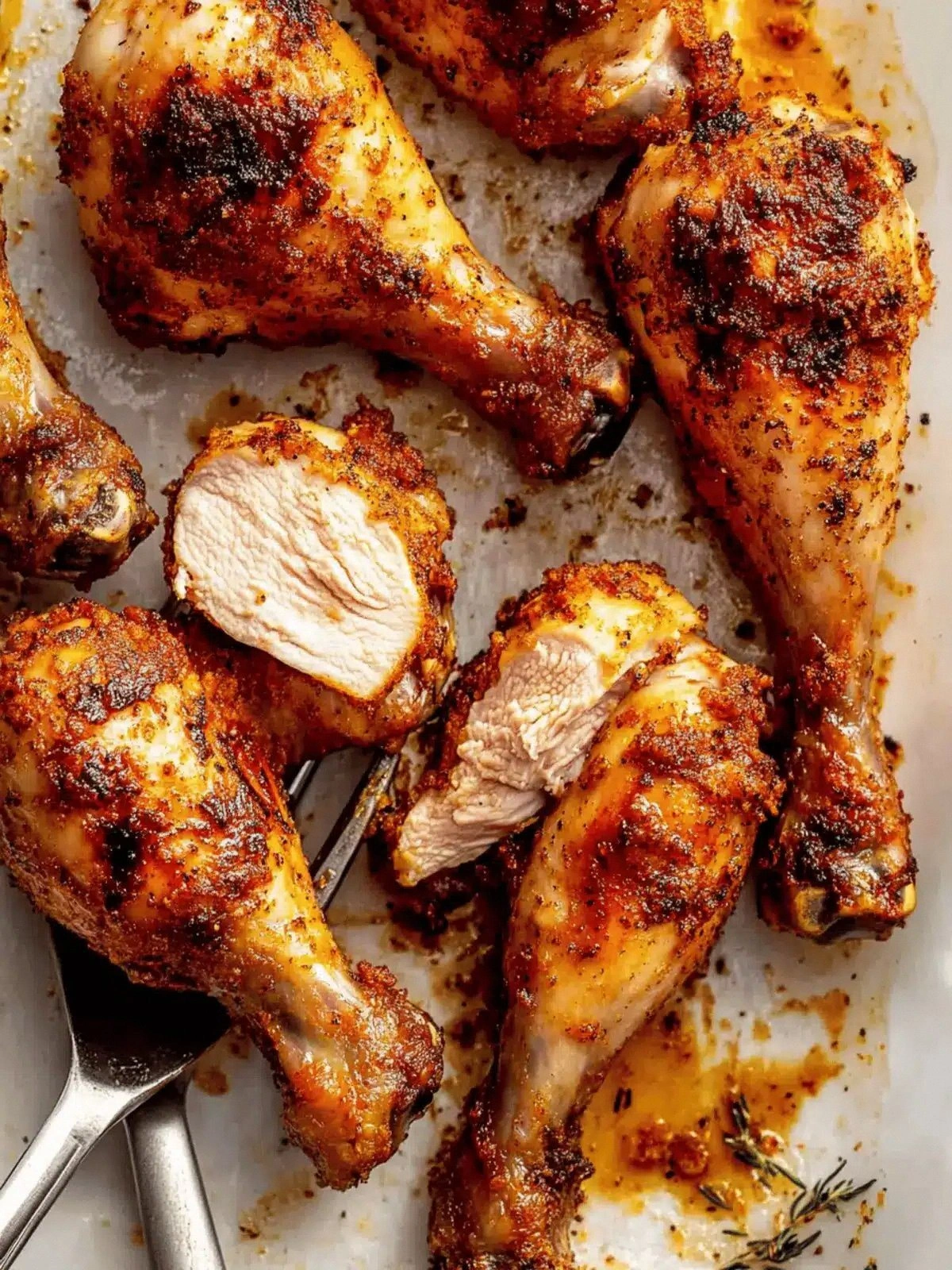
- Season the chicken breasts with salt, pepper, and a drizzle of olive oil. Heat a skillet over medium‑high heat, add a splash of olive oil, and sear the chicken for 3 minutes on each side until a golden crust forms. The internal temperature should reach 165°F. Transfer to a baking sheet lined with parchment paper.
- Slide the baking sheet into a preheated oven at 400°F (200°C) and bake for 12–15 minutes, or until the chicken is fully cooked and juices run clear. This final oven step ensures the edges develop a delightful crunch that shatters like thin ice when you bite.
- Let the chicken rest for 5 minutes before slicing it into bite‑sized strips. This resting period allows the juices to redistribute, keeping the meat moist and succulent.
- In a large bowl, combine the cooked quinoa, sliced chicken, diced cucumber, cherry tomatoes, chopped olives, and crumbled feta. Toss gently to mix.
- Add the yogurt sauce to the bowl and fold until every grain and piece of chicken is coated. The sauce should cling to the quinoa like velvet, giving the bowl a glossy, inviting look.
- Drizzle a final splash of olive oil, sprinkle chopped dill, and give it one last gentle toss. Serve immediately or divide into meal‑prep containers for the week.
That's it — you did it. But hold on, I've got a few more tricks that'll take this to another level...
Insider Tricks for Flawless Results
The Temperature Rule Nobody Follows
Many cooks assume that cooking the chicken at a high temperature will always yield a juicy result. In reality, a lower, controlled temperature for the final oven step (around 375°F) allows the meat to cook evenly without drying out. I once baked at 425°F and the chicken was dry, so I now always aim for 375°F and check the internal temperature with a meat thermometer.
Why Your Nose Knows Best
If the sauce smells slightly tangy but not sharp, it’s ready. Your nose can detect the subtle balance of citrus and yogurt. I learned to trust this instinct after a failed attempt where I over‑whisked the sauce, making it too thin and losing its flavor.
The 5-Minute Rest That Changes Everything
Letting the chicken rest after cooking is not just a formality; it’s a game‑changer. The juices redistribute, giving each bite a succulent center. Skipping this step often results in a dry, unevenly cooked piece.
Use a Skillet for Searing
A heavy skillet keeps the heat consistent and gives a better crust. I’ve tried using a non‑stick pan and found the crust to be uneven. A cast‑iron skillet gives that coveted, caramelized exterior that adds depth.
Don’t Forget the Olive Oil Drizzle
The final drizzle of olive oil not only adds flavor but also helps the sauce cling to the quinoa. A little goes a long way, so a tablespoon is enough to give that glossy finish without making the dish greasy.
Creative Twists and Variations
This recipe is a playground. Here are some of my favorite ways to switch things up:
Swap the Grain
Use farro or bulgur instead of quinoa for a chewier bite. The nutty flavor of farro pairs wonderfully with the yogurt sauce, creating a different but equally satisfying texture.
Veggie Upgrade
Add roasted red peppers or sautéed spinach for a deeper, earthy flavor. These vegetables absorb the sauce and add a subtle sweetness that complements the lemon.
Protein Switch
Replace chicken with shrimp or tofu for a lighter version. Shrimp cooks quickly and adds a sweet, briny flavor, while tofu absorbs the sauce for a plant‑based option.
Spice It Up
Incorporate a pinch of red pepper flakes into the sauce for a mild heat that contrasts the coolness of the yogurt. It’s a simple tweak that adds a new dimension.
Herb Explosion
Add a handful of fresh mint or basil to the sauce. The fresh herb flavors will brighten the dish and provide a refreshing finish.
Cheese Variation
Swap feta for goat cheese or a sprinkle of parmesan. Each cheese brings its own unique tang or nuttiness, allowing you to tailor the dish to your taste.
Storing and Bringing It Back to Life
Fridge Storage
Store the bowls in airtight containers in the refrigerator for up to 4 days. Keep the sauce separate if you want to avoid soggy quinoa. Reassemble before eating for the freshest texture.
Freezer Friendly
Freeze the bowls (without the sauce) for up to 3 months. Thaw overnight in the refrigerator, then add the sauce just before reheating. The quinoa will retain its fluffy texture.
Best Reheating Method
Reheat in a microwave on medium power for 2–3 minutes, adding a splash of water to create steam that revives the quinoa’s moisture. Alternatively, reheat in a skillet over low heat, stirring frequently to prevent sticking.