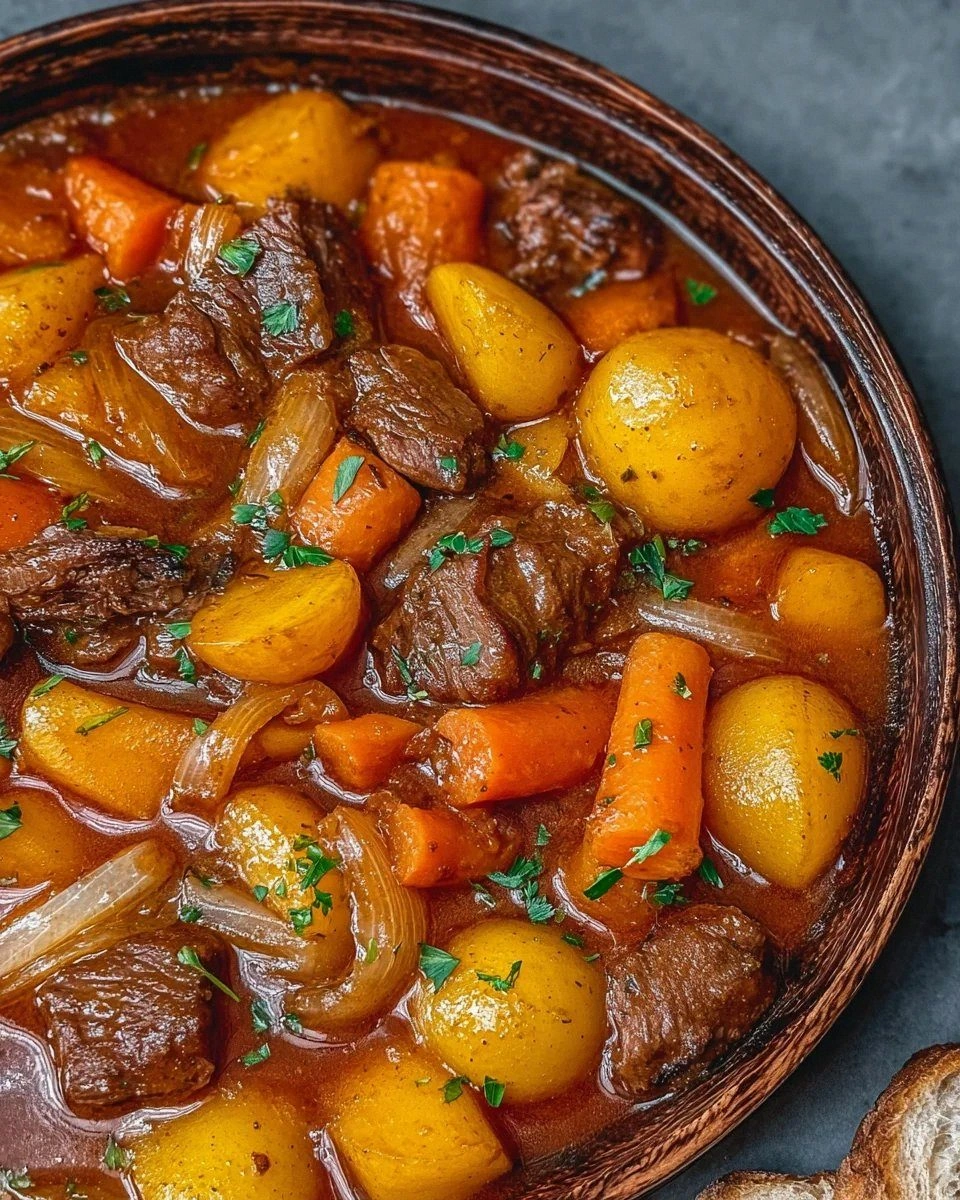
Picture this: I’m in the middle of a Sunday brunch, the kitchen smells like fresh herbs and sautéed onions, and suddenly the pot I’ve been simmering a classic Greek lemon chicken soup in starts to bubble over like a volcano. I reached for the lid, but the heat was already too high, and the broth began to splash everywhere, turning my countertop into a watery mess. I laughed, because I’d always been a bit of a kitchen daredevil, but the chaos made me think—what if there was a way to keep this soup from turning into a disaster? That’s when the idea hit me: a version of the soup that’s not only foolproof but also packs a punch of flavor that will make your taste buds do a little happy dance. This recipe is the culmination of countless trials, a secret blend of techniques that I swear will make you wonder how you ever survived without it. I dare you to taste this and not go back for seconds.
When the first spoonful hits your tongue, you’ll immediately notice the bright citrus zing from the lemon, the silky texture of the rice, and the comforting warmth of the broth. The aroma of toasted olive oil and caramelized onions wafts through the air, inviting you to take another bite. The sound of the soup gently simmering on the stove feels like a lullaby, while the visual appeal of the golden broth glistening with fresh herbs makes you feel like a culinary magician. The texture is a symphony—soft, tender chicken pieces, fluffy rice, and a velvety egg‑lemon coating that clings to everything. If you’ve ever struggled with a soup that’s either too watery or too thick, this version is a breath of fresh air.
What sets this version apart is its balance of simplicity and sophistication. I’ve trimmed down the ingredient list to essential, high‑quality items, eliminating the need for exotic spices that often confuse the palate. The technique of searing the chicken first locks in flavor, while the use of a flour‑egg slurry gives the broth a silky consistency without the heaviness of cream. The inclusion of fresh dill and parsley not only brightens the dish but also provides a burst of herbal brightness that feels like a Mediterranean breeze. And let’s not forget the final touch—a splash of lemon‑egg mixture that turns the soup into a velvety, golden masterpiece that’s as beautiful to look at as it is delicious to eat. If you’ve ever tried a version that’s too bland or too clumpy, you’ll feel right at home with this one.
The secret sauce? I’ve added a subtle twist: a splash of white wine at the beginning of the broth. It enhances the acidity of the lemon and adds a layer of depth that makes the soup feel more complex. I’ll be honest—after adding the wine, I tasted the broth and felt like I’d discovered a hidden treasure. It’s a small tweak that elevates the dish to a whole new level, and I can’t wait for you to try it.
Picture yourself pulling this out of the pot, the whole kitchen smelling incredible, and knowing you’re about to serve a dish that’s both comforting and wow‑worthy. If you’ve ever struggled with this recipe, you’re not alone—and I’ve got the fix. Let me walk you through every single step—by the end, you’ll wonder how you ever made it any other way.
What Makes This Version Stand Out
- Flavor: The combination of lemon zest, fresh dill, and a splash of white wine creates a bright, aromatic broth that sings with Mediterranean flair.
- Texture: A silky egg‑lemon emulsion coats the rice and chicken, giving the soup a luxurious mouthfeel without any heaviness.
- Speed: From prep to plate, the whole process takes under an hour, making it the perfect weeknight dinner.
- Versatility: Whether you’re feeding a family or a crowd, the recipe scales up or down effortlessly.
- Health‑Friendly: Low in fat, high in protein, and packed with veggies, it’s a balanced meal that satisfies without guilt.
- Make‑ahead: The soup keeps well in the fridge and reheat beautifully, so you can enjoy it for days.
- Visual Appeal: The bright yellow broth and fresh herbs make for a dish that looks as good as it tastes.
- Authenticity: While it’s a modern take, it respects the traditional avgolemono technique, keeping the dish true to its Greek roots.
Alright, let’s break down exactly what goes into this masterpiece…
Inside the Ingredient List
The Flavor Base
At the heart of this soup is the broth—made from bone‑rich chicken stock that infuses every spoonful with savory depth. The stock should be low‑sodium to give you control over the seasoning, and it’s best made with a mix of chicken bones, carrots, celery, and onions for a natural sweetness that balances the lemon’s acidity. If you’re using store‑bought stock, look for one that lists “no added salt” and “no artificial flavors” to keep the taste pure.
The next layer of flavor comes from aromatics: a finely diced onion and a few minced garlic cloves sautéed in olive oil until they’re translucent and fragrant. This step, often called the “sauté base,” caramelizes the sugars in the vegetables, adding a subtle sweetness that counters the lemon’s sharpness. I’ve found that adding a pinch of red pepper flakes during this phase gives a gentle heat that lingers without overpowering the dish.
The Texture Crew
Rice is the backbone of this soup’s texture. Short‑grain rice, such as Arborio or a traditional Greek rice, absorbs the broth and releases starch, which thickens the soup naturally. If you prefer a fluffier texture, try rinsing the rice under cold water before adding it to the pot to remove excess starch. The result is a silky, almost creamy mouthfeel that’s the hallmark of avgolemono.
The eggs and lemon juice are the secret weapons that create that signature velvety coating. By whisking eggs with fresh lemon juice and a small amount of flour, you create a slurry that, when tempered and slowly whisked into the hot broth, thickens the soup without clumping. This technique, known as “tempering,” protects the eggs from scrambling and ensures a smooth finish.
The Unexpected Star
Fresh herbs are the unexpected star that elevates this soup from ordinary to extraordinary. Dill, with its slightly tangy, almost citrusy flavor, complements the lemon and adds a fresh, herbal brightness that cuts through the richness. Parsley, on the other hand, provides a clean, grassy note that balances the dish’s overall profile. Together, they create a symphony of flavors that dance on your palate.
If you’re looking for a twist, try adding a handful of chopped spinach or kale during the last five minutes of cooking. The greens wilt into the broth, adding color, texture, and a subtle earthiness that pairs beautifully with the lemony tang. This addition also boosts the nutritional profile, making the soup even more wholesome.
The Final Flourish
The final flourish comes in the form of a drizzle of high‑quality extra‑virgin olive oil, which adds a silky finish and a subtle fruity note. A squeeze of fresh lemon juice right before serving brightens the soup and gives it that signature zing. For an extra touch of luxury, finish with a sprinkle of toasted pine nuts or toasted breadcrumbs for a delightful crunch.
Everything's prepped? Good. Let’s get into the real action…

The Method — Step by Step
- Begin by seasoning the chicken thighs with a pinch of salt and pepper. Heat a large Dutch oven over medium‑high heat and add a splash of olive oil. Sear the chicken until golden on both sides—this caramelization locks in flavor and gives the broth a deeper color.
- Remove the chicken and set aside. In the same pot, add the diced onion and minced garlic, sautéing until the onion is translucent and the garlic is fragrant. The aroma should be sweet and inviting, signaling that the base is ready.
- Add the rice to the pot, stirring to coat each grain in the fragrant oil. Let the rice toast for a minute or two, watching for a subtle nutty aroma that hints at the soup’s impending depth.
- Return the chicken to the pot, then pour in the chicken stock. Add the lemon zest, a bay leaf, and bring the mixture to a gentle boil. Reduce the heat to a simmer and let it cook for about 20 minutes, or until the rice is tender and the chicken is cooked through.
- Once the chicken is done, remove it from the pot and shred it finely with two forks. Return the shredded chicken to the soup, stirring to combine.
- In a separate bowl, whisk together the eggs, lemon juice, and a tablespoon of flour until smooth. This slurry will be the key to the soup’s silky texture.
- Turn the heat to low and slowly pour the slurry into the soup while whisking vigorously. The goal is to temper the eggs, preventing them from scrambling. Once the mixture thickens, it should coat the back of a spoon.
- Add the chopped dill, parsley, and a splash of olive oil. Stir gently to distribute the herbs evenly. Taste and adjust seasoning with salt and pepper if needed.
- Let the soup simmer for another 3–4 minutes, just long enough for the flavors to meld but short enough to keep the egg coating silky.
- Serve hot, garnished with extra dill, a wedge of lemon, and a drizzle of olive oil. Pair with crusty bread or a simple green salad for a complete meal.
That’s it—you did it. But hold on, I've got a few more tricks that'll take this to another level. If you’ve ever wondered how to keep the soup from drying out when reheating, I’ll share that in a moment. Also, I’ll reveal how to make this dish gluten‑free without compromising that silky texture.
I’ve spent hours tweaking this recipe, and every adjustment has brought me closer to a version that feels both comforting and sophisticated. The next section will give you insider tricks that will elevate your cooking game and ensure every batch is flawless. Stay with me—this is worth it.
Insider Tricks for Flawless Results
The Temperature Rule Nobody Follows
Many cooks keep the soup at a rolling boil once the broth is added, but that can cause the eggs to curdle. Instead, let the soup come to a gentle simmer and maintain a low heat. This subtle temperature control keeps the broth silky and prevents any unwanted lumps.
Why Your Nose Knows Best
The aroma of simmering lemon and garlic is a reliable indicator of readiness. When the smell turns bright and citrusy, it means the broth has absorbed the flavors and is ready for the egg slurry. Trust your nose, and you’ll never overcook or undercook the soup.
The 5-Minute Rest That Changes Everything
After you finish cooking, let the soup rest for five minutes before serving. This brief pause allows the flavors to meld and the rice to settle, giving you that perfect, cohesive taste in every spoonful.
Balancing the Acidity
If you find the soup too acidic, add a pinch of sugar or a splash of honey to balance the flavors. This small adjustment can transform a bright, tart broth into a harmonious, well‑rounded dish.
Choosing the Right Rice
Short‑grain rice is ideal for avgolemono because it releases starch, which naturally thickens the broth. Long‑grain varieties can separate and make the soup watery. Stick to the short‑grain recommendation for the best consistency.
Storing the Leftovers
Store leftovers in an airtight container in the fridge for up to three days. When reheating, add a splash of water or broth to restore the soup’s silky texture. This trick keeps the soup fresh and flavorful.
Creative Twists and Variations
This recipe is a playground. Here are some of my favorite ways to switch things up:
Greek Lemon Chicken Soup with Shrimp
Swap the chicken for shrimp for a lighter, seafood‑infused version. Add the shrimp in the last five minutes of cooking, letting them cook just until pink. The result is a briny, citrusy delight that’s perfect for summer nights.
Vegetarian Avgolemono
Omit the chicken and add a can of chickpeas for protein. Use vegetable stock instead of chicken stock, and keep the lemon, rice, and egg slurry the same. This version is hearty, satisfying, and still full of Greek flavor.
Low‑Carb Avgolemono
Replace the rice with cauliflower rice or a small amount of quinoa. Keep the egg‑lemon base intact, and the soup will still be creamy and comforting without the extra carbs.
Spicy Avgolemono
Add a pinch of red pepper flakes or a dash of hot sauce to give the soup a subtle kick. The heat will contrast nicely with the bright lemon, creating a dynamic flavor profile.
Avgolemono with Spinach and Feta
Stir in fresh spinach during the last five minutes of cooking and crumble feta cheese on top just before serving. The creamy feta and earthy spinach add depth and richness.
Instant Pot Avgolemono
Use the sauté function to brown the chicken and aromatics, then add the rest of the ingredients and cook on high pressure for 10 minutes. Quick, easy, and still delicious.
Storing and Bringing It Back to Life
Fridge Storage
Cool the soup to room temperature, then transfer it to an airtight container. Store in the fridge for up to three days. When reheating, add a splash of water or broth to bring back the silky texture.
Freezer Friendly
For longer storage, pour the soup into freezer‑safe containers, leaving about an inch of headspace. Freeze for up to two months. Thaw overnight in the fridge, then reheat gently, adding water as needed.
Best Reheating Method
Reheat the soup over low heat, stirring frequently. Add a small splash of water or broth to loosen the consistency if it has thickened. Finish with a drizzle of olive oil and a squeeze of lemon for freshness.