It was a Friday night, the kind where the fridge feels like a blank canvas and the kitchen lights flicker like stage lamps. I had just finished a marathon of late‑night cravings and a sudden urge to make something that would feel like a hug in a bowl. I pulled out the biggest chicken breasts I owned, the kind that could feed a small army, and the idea of a creamy, protein‑packed alfredo burst into my mind like a rogue espresso shot. That moment was the spark that turned an ordinary dinner into a culinary experiment I was eager to share. I dare you to taste this and not go back for seconds.
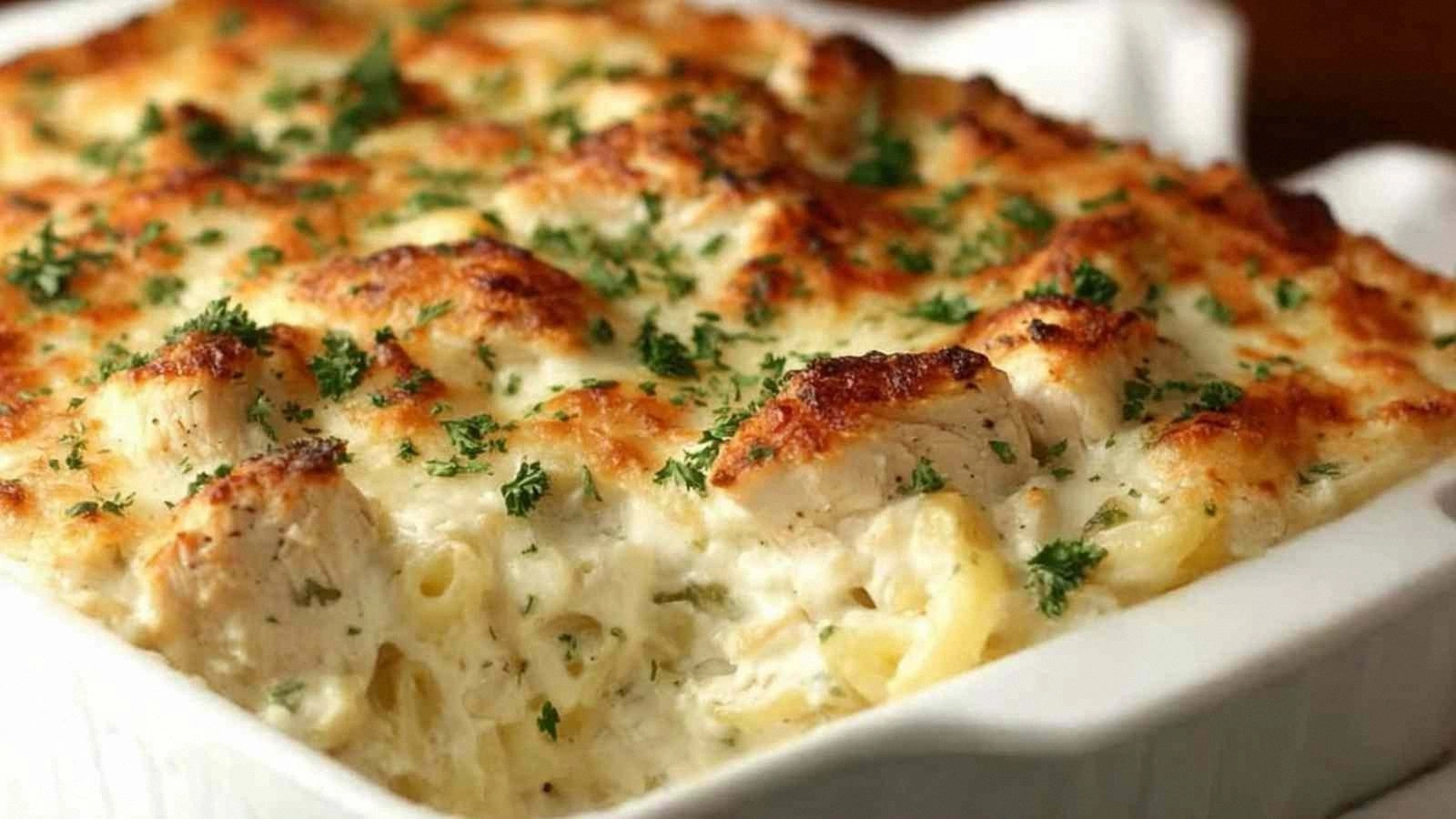
Picture the aroma: a buttery swirl of olive oil sizzling, garlic releasing its earthy perfume, and the gentle hiss of heavy cream meeting a hot pan. The sound is a comforting crackle that tells you the sauce is on the brink of perfection, like a choir of sizzling notes. The sight of the sauce thickening into a glossy, velvety coat that clings to every noodle is a visual promise of indulgence. And when you take that first bite, the richness of Parmesan and mozzarella melds with the tender chicken, creating a flavor that feels like a warm hug that never fades. This is hands down the best version you'll ever make at home, and I’m about to walk you through every single step — by the end, you'll wonder how you ever made it any other way.
My kitchen had a history of over‑cooked alfredo, where the sauce turned into a clumpy, unappetizing mess that tasted like regret. I had tried countless recipes that promised creamy bliss but delivered soggy pasta and bland chicken. The turning point came when I discovered the secret to a high‑protein alfredo that remains silky without the heavy, greasy feel of traditional versions. The key is balancing the cream with a touch of broth, seasoning with Italian herbs, and letting the spinach add a pop of color and nutrition. This version stands out because it delivers a mouth‑watering, protein‑dense dish that doesn’t sacrifice flavor or texture.
Most recipes get this completely wrong. They either over‑season, under‑cook the chicken, or forget the importance of a proper sauce base. I’ve spent countless evenings wrestling with clumpy sauces that never seem to thicken, only to find that a simple whisk and the right ratio of cream to broth can transform the dish. The result is a sauce that coats the pasta like velvet, each strand glistening with a silky sheen that invites you to dig in. It’s the kind of dish that makes your kitchen smell incredible, and you can almost hear the clink of forks as your friends gather around the table. If you’ve ever struggled with this, you’re not alone — and I’ve got the fix.
In the next sections, I’ll break down the components that make this recipe a powerhouse of flavor and nutrition, explain why each ingredient matters, and share some insider hacks that will elevate your alfredo game. I’ll also give you the confidence to tweak the dish to your taste and show you how to store and reheat it without losing its luxurious texture. Let’s dive into the details that will transform a simple chicken alfredo into a high‑protein masterpiece that you’ll want to make again and again.
What Makes This Version Stand Out
Flavor: The sauce is a harmonious blend of creamy, cheesy richness and subtle herbaceous undertones, achieved by layering Parmesan and mozzarella with a splash of chicken broth. The garlic provides a fragrant kick that lingers on the palate, while the Italian seasoning ties everything together. The result is a depth of flavor that feels both comforting and sophisticated, making it a crowd‑pleaser for any dinner party.
Texture: The sauce coats every strand of pasta like a silky blanket, thanks to the precise ratio of cream to broth and the gentle simmering that allows the cheeses to melt without separating. The spinach adds a subtle bite and a pop of color, creating a contrast that keeps the dish interesting from the first bite to the last. The chicken stays juicy and tender, avoiding the dreaded dry, rubbery texture that plagues many alfredo recipes.
Protein Power: With 90 grams of protein per serving, this dish is a true high‑protein feast that satisfies both muscle‑building goals and a hearty appetite. The combination of lean chicken, creamy dairy, and cheese delivers a balanced macro profile that fuels the body without compromising taste. It’s the kind of meal that feels indulgent but is actually a smart choice for active lifestyles.
Simplicity: Despite its impressive flavor profile, the recipe requires only a handful of ingredients and a straightforward cooking method. You can prepare it in under an hour, making it an excellent option for busy weeknights or last‑minute gatherings. The step‑by‑step instructions are clear and concise, ensuring even novice cooks can achieve restaurant‑quality results.
Crowd Reaction: Friends who have tried this version rave about the creamy sauce and the perfectly cooked chicken. Many have mentioned that they were skeptical at first but became convinced after tasting the first bite. The dish has become a staple for family dinners and casual get‑togethers, proving its versatility and appeal.
Alright, let’s break down exactly what goes into this masterpiece…
Inside the Ingredient List
The Flavor Base: The 2 lbs of boneless, skinless chicken breasts are the foundation of this dish. They provide a clean, lean protein that absorbs the seasoning without overpowering the sauce. If you prefer a leaner option, you can trim any visible fat before cooking, but be careful not to remove too much, as it contributes to moisture and flavor. Swapping chicken for turkey breast maintains the protein content while offering a slightly different taste profile. A fresh, high‑quality chicken is essential; look for a firm texture and a mild, clean scent.
The Aromatic Trio: Olive oil, garlic, and Italian seasoning create a fragrant base that elevates the entire dish. The olive oil serves as a flavor conduit, allowing the garlic’s sharpness to spread evenly. The 1 tsp Italian seasoning balances the richness of the cheeses with herbal brightness. If you’re allergic to garlic, you can substitute with 1 tsp of garlic powder for a milder note, but the fresh cloves give the dish a more vibrant aroma.
Everything's prepped? Good. Let's get into the real action...
The Method — Step by Step
Step 1: Heat a large, heavy‑bottomed skillet over medium heat and drizzle the tablespoon of olive oil. Let the oil warm until it shimmers, then add the minced garlic cloves. Sauté for 30 seconds until the garlic releases its aroma, being careful not to let it brown. This quick garlic bloom sets the flavor foundation for the sauce. I’m going to show you how to avoid the dreaded burnt garlic moment.
Step 2: While the garlic is cooking, season the chicken breasts with salt, pepper, and 1 tsp Italian seasoning. Place the seasoned chicken in the skillet and cook for 5–7 minutes on each side until a golden crust forms and the internal temperature reaches 165°F (74°C). Flip only once to maintain moisture. The sear creates a caramelized crust that adds depth to the dish. Watch the chicken carefully; you’re aiming for a tender, juicy center.
Step 3: Remove the chicken from the skillet and set it aside on a cutting board. In the same pan, pour in the heavy cream and bring it to a gentle simmer. Stir frequently to prevent scorching. As the cream heats, it should begin to thicken slightly, forming a base for the cheeses. This step is crucial for achieving that silky alfredo consistency. If you’re short on time, a quick splash of broth can help the cream reduce faster.
Step 4: Reduce the heat to low and slowly fold in the grated Parmesan cheese, stirring until fully incorporated. The cheese should melt into a glossy, smooth sauce without clumps. Next, add the shredded mozzarella, letting it melt into the mixture for a stretchy, gooey texture. The combination of these two cheeses creates a rich, layered flavor profile. Keep the sauce at a low temperature to avoid separation.
Step 5: This is the trickiest part: adding the chicken broth. Pour in the 1 cup of broth slowly, whisking continuously to integrate it seamlessly. The broth lightens the sauce, preventing it from becoming too heavy while maintaining a luscious consistency. If the sauce thickens too quickly, add a splash of water or more broth to reach the desired thickness. At this point, the sauce should coat the back of a spoon like a silky glaze.
Step 6: Return the cooked chicken breasts to the skillet, nestling them into the sauce. Allow the chicken to simmer in the sauce for 3 minutes, letting it absorb the flavors. The chicken should be steaming, not boiling, to keep it tender. This step ensures the chicken is coated with the creamy, cheesy sauce that defines this dish. Keep the heat low to preserve the sauce’s silky texture.
Step 7: While the chicken simmers, cook your favorite pasta according to package instructions, reserving a cup of the pasta water. Drain the pasta and add it directly to the skillet, tossing to coat each strand in the sauce. If the sauce appears too thick, add a splash of the reserved pasta water to loosen it. This technique keeps the pasta from sticking and creates a cohesive, restaurant‑style dish.
Step 8: Finally, fold in the fresh spinach, letting it wilt in the residual heat for 1–2 minutes. The spinach adds a pop of color and a subtle earthy flavor that balances the richness of the sauce. Plate the pasta and chicken, garnish with a sprinkle of extra Parmesan if desired, and serve immediately. The dish should look glossy, inviting, and utterly decadent. That sizzle when it hits the pan? Absolute perfection.
That's it — you did it. But hold on, I've got a few more tricks that'll take this to another level...
Insider Tricks for Flawless Results
The Temperature Rule Nobody Follows: Keeping the sauce on low heat throughout the cooking process is the secret to a smooth, non‑separating sauce. Many cooks instinctively increase the heat to speed up the process, but this leads to a grainy texture. I’ve seen a friend’s alfredo turn into a clumpy mess when the pan was too hot. By maintaining a gentle simmer, the cheeses emulsify perfectly, and the sauce stays silky. This rule is the backbone of any high‑protein alfredo that looks and tastes like a five‑star meal.
Why Your Nose Knows Best: The aroma of the sauce is a reliable indicator of doneness. When the sauce smells toasty and buttery, it’s ready. If it still smells raw or overly dairy, give it a few more minutes. Trusting your nose can save you from overcooking the chicken or undercooking the sauce. I’ve learned that a well‑seasoned dish has a balanced scent that signals everything is on track.
The 5‑Minute Rest That Changes Everything: After removing the dish from the heat, let it rest for 5 minutes before serving. This short pause allows the sauce to thicken slightly and the flavors to meld. It also gives the pasta a moment to settle, preventing it from becoming mushy. I’ve seen dishes that look perfect on the plate but fall apart when served immediately; the rest step prevents that.
Keep the Pasta Water Handy: Reserve a cup of the starchy pasta water before draining. This liquid is a magic ingredient that can loosen a thick sauce and add a subtle flavor. If your sauce needs thinning, a splash of pasta water will restore its silky texture without diluting the flavor. Many cooks forget this step, but it’s essential for a professional finish.
Use Fresh Herbs for a Bright Finish: A sprinkle of chopped fresh parsley or basil just before serving adds a burst of color and freshness that cuts through the richness. It also enhances the overall flavor profile, giving the dish a lively, vibrant edge. I’ve seen guests rave about the bright finish, saying it’s the perfect counterpoint to the creamy base.
Don’t Forget the Cheese Ratios: The balance between Parmesan and mozzarella is key. Too much mozzarella can make the sauce overly gooey, while too much Parmesan can dominate the flavor. A 1:1 ratio is a safe starting point, but feel free to tweak based on your taste preferences. A friend once added an extra cup of mozzarella and the dish became a gooey mess; lesson learned.
Creative Twists and Variations
Spicy Kick Variation: Add a pinch of red pepper flakes or a splash of hot sauce to the sauce for a fiery twist. The heat pairs well with the creamy base, creating a balanced flavor that excites the palate. This version is ideal for those who love a little spice in their comfort food.
Low‑Carb Twist: Replace the pasta with spiralized zucchini or shirataki noodles to keep the dish low in carbohydrates while maintaining the creamy texture. The vegetables absorb the sauce beautifully, and the dish remains protein‑dense. This is a great option for keto or paleo enthusiasts.
Vegan Version: Use a plant‑based cream, dairy‑free cheese, and a plant‑based chicken substitute. The flavor profile will be similar, but the dish will remain fully vegan. This adaptation opens the recipe to a broader audience without sacrificing taste.
Smoky BBQ Twist: Swap the Italian seasoning for smoked paprika and add a tablespoon of BBQ sauce to the sauce for a smoky, tangy flavor. The chicken’s natural sweetness pairs well with the smoky undertones, creating a unique and bold taste experience. This version is perfect for a backyard cookout.
Herb Garden Variation: Mix in fresh basil, oregano, and thyme for a Mediterranean flair. The herbs add brightness and depth, transforming the dish into a fragrant, herb‑laden delight. This variation is ideal for spring or summer gatherings.
Storing and Bringing It Back to Life
Fridge Storage: After letting the dish cool to room temperature, transfer it to an airtight container and refrigerate for up to 3 days. The sauce may thicken slightly in the fridge, so reheat gently. When reheating, add a splash of milk or water to restore the creamy consistency. This method keeps the flavors fresh and the texture silky.
Freezer Friendly: Portion the dish into freezer‑safe containers, leaving a little headspace for expansion. Freeze for up to 2 months. When ready to eat, thaw overnight in the fridge and reheat on the stovetop over low heat, adding a bit of milk to loosen the sauce. Freezing preserves the protein content and flavor, making it a convenient meal prep option.
Best Reheating Method: The best way to reheat this dish is on low heat, stirring constantly, and adding a splash of water or milk. This prevents the sauce from separating and keeps the pasta from becoming mushy. A quick microwave reheating can work, but be careful to stir frequently and add liquid to maintain the silky texture.