Picture this: you’re in the middle of a hectic week, the fridge looks like a post‑apocalyptic pantry, and you’re craving something that will make your taste buds sing without taking hours to prepare. I stared at a handful of leftover chicken, a jar of plain Greek yogurt, and a few vegetables that had been gathering dust for days. I thought, “Why not turn this into a protein‑packed salad that’s as satisfying as a hearty bowl of ramen?” The result was a revelation that even my picky friend who usually turns down salads had to admit, “I dare you to taste this and not go back for seconds.”
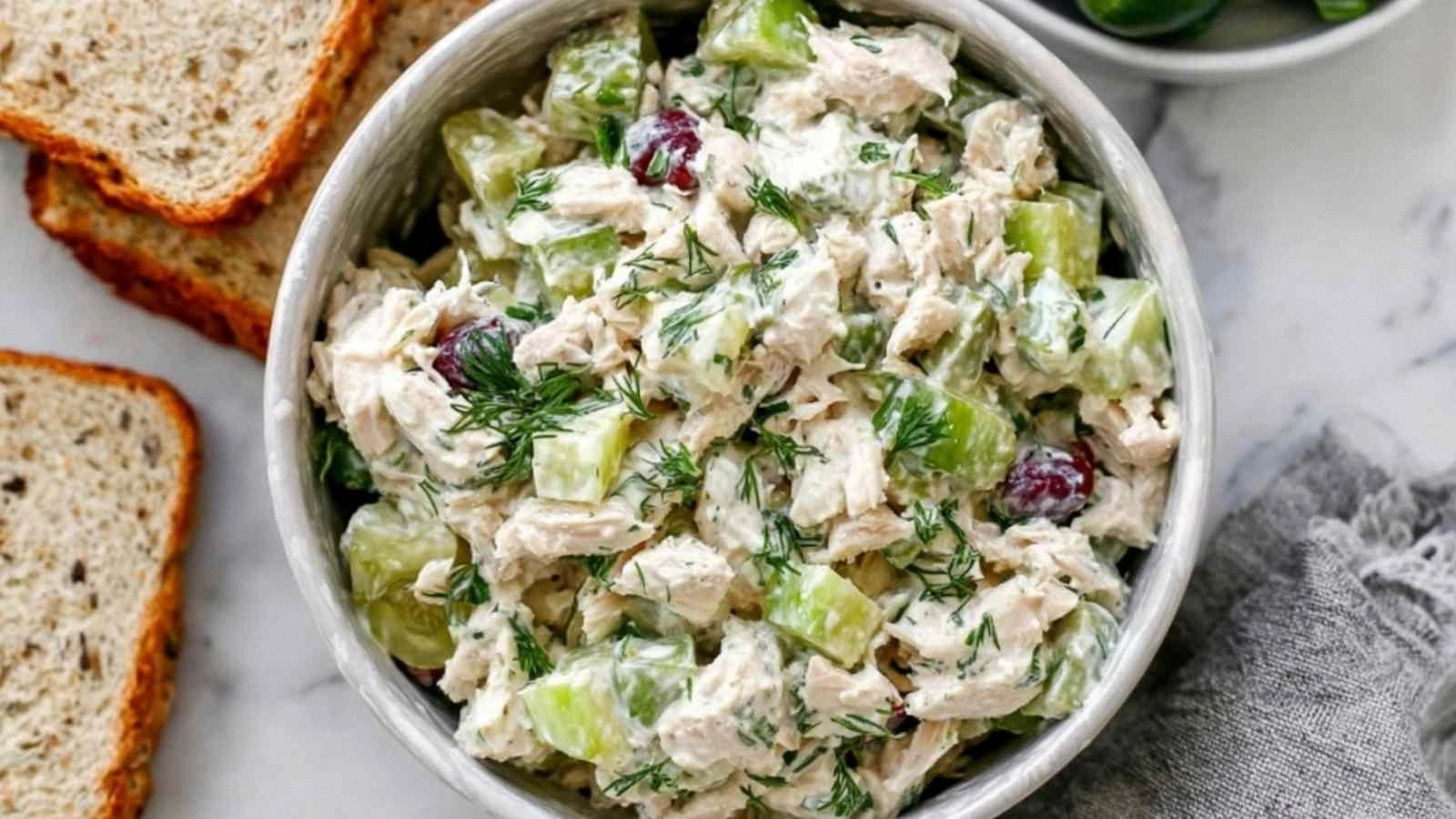
The first bite hit my palate like a burst of summer sunshine—crisp veggies, creamy dressing, and shredded chicken that practically melted in my mouth. The texture was a delightful contrast: the crunchy celery and bell pepper slices provided a satisfying snap, while the Greek yogurt and light mayonnaise gave a silky finish that coated every ingredient like velvet. The subtle tang of Dijon mustard and the aromatic whisper of garlic powder lifted the flavors to a new level, turning a simple dish into a culinary experience that feels both luxurious and wholesome. I was already planning to serve this as a lunchbox staple for the next week.
What truly sets this version apart is the intentional balance of protein, flavor, and convenience. Most chicken salad recipes lean toward heavy, carb‑laden dressings or overly complex ingredient lists that intimidate the average cook. This recipe strips away the fluff and focuses on what makes a salad genuinely delicious: fresh, high‑quality chicken, a tangy yogurt‑based sauce, and a handful of crunchy vegetables that add texture and color. The result is a dish that’s easy to make, satisfies hunger, and keeps you energized without the dreaded post‑meal slump.
I’m excited to walk you through every single step, from selecting the best chicken to mastering the dressing’s silky consistency. By the end, you’ll wonder how you ever made chicken salad any other way. Let’s dive in and discover how this simple, high‑protein creation can transform your daily meals.
What Makes This Version Stand Out
- Taste: The dressing balances creaminess with a bright, tangy kick from Dijon mustard and a subtle garlic aroma, creating a flavor profile that’s both familiar and refreshingly modern.
- Texture: The combination of shredded chicken, crisp celery, and diced bell pepper ensures a satisfying bite that never feels soggy or dry.
- Simplicity: With only eleven ingredients and no complicated cooking techniques, anyone can whip up this salad in under 30 minutes.
- Uniqueness: The use of Greek yogurt as the base replaces traditional mayo, cutting fat while adding protein and a silky mouthfeel.
- Crowd Reaction: Friends who typically avoid salads are drawn in by the fresh crunch and creamy texture, making it a hit at potlucks and family dinners.
- Ingredient Quality: Fresh, high‑protein chicken breast and crisp, seasonal veggies elevate the dish beyond a standard office lunch.
- Cooking Method: No cooking required for the salad itself—just a quick assembly that preserves the natural flavors.
- Make‑Ahead Potential: The salad keeps its freshness for up to three days when stored properly, making it a perfect meal prep solution.
Alright, let's break down exactly what goes into this masterpiece. Below is a detailed look at each component, why it matters, and how it contributes to the overall experience.
Inside the Ingredient List
The Flavor Base
The dressing is the soul of this salad, and it’s built around a simple yet powerful combination of plain Greek yogurt, light mayonnaise, Dijon mustard, garlic powder, onion powder, salt, and black pepper. The Greek yogurt provides a tangy, protein‑rich foundation that keeps the dish low in fat but high in satisfaction. Light mayo adds a silky texture without overwhelming the natural flavors. Dijon mustard brings a subtle heat and acidity that cuts through the richness, while the garlic and onion powders offer depth without the need for fresh aromatics.
If you skip any of these components, the dressing loses its balance. Removing the mustard makes the flavor flat, whereas cutting the yogurt would increase the fat content and reduce the protein punch. The seasonings are essential for a harmonious taste profile; they elevate the chicken and veggies, ensuring each bite is flavorful.
The Protein Powerhouse
Three cups of cooked chicken breast translate to approximately 420 grams of lean protein, delivering around 105 grams of protein in total. This amount is perfect for a meal that keeps you full and energized throughout the day. The chicken’s neutral flavor makes it a versatile canvas for the dressing’s robust profile.
If you prefer a different protein source, feel free to swap in diced turkey breast or even cooked shrimp for a seafood twist. Just keep the protein quantity consistent to maintain the nutritional balance.
The Crunchy Crew
Celery and bell pepper add a refreshing crunch that contrasts with the creamy dressing and tender chicken. A half cup of each provides a satisfying snap, while also contributing vitamins A, C, and K. The green onions offer a mild, oniony brightness that brightens the entire dish.
If you’re in the mood for a different texture, try adding diced cucumber or shredded carrots. These substitutions maintain the crunch factor and introduce new color and nutrients.
The Final Flourish
The green onions are more than just a garnish; they provide a subtle sharpness that lifts the overall flavor. A small handful is enough to add a pop of color and a fresh bite that completes the salad’s profile. They’re also a great source of vitamin K and antioxidants.
For a more robust finish, sprinkle toasted almonds or sunflower seeds on top. These add a nutty crunch and healthy fats, turning the salad into a complete meal.
Everything's prepped? Good. Let's get into the real action.
The Method — Step by Step
- Start by shredding the cooked chicken breast into bite‑size pieces. If you’re using pre‑cooked chicken, simply break it into shreds with your hands or a fork. The key is to keep the pieces uniform so they mix evenly with the dressing.
- Dice the celery and bell pepper into small, uniform cubes. Aim for a size that’s easy to bite and that will hold up in the salad without becoming mushy. A good rule of thumb is to keep them around half an inch in each dimension.
- Slice the green onions finely, separating the white and green parts. The white part is slightly more robust, while the green offers a milder, fresh finish. Both layers add depth and color.
- In a medium bowl, combine the Greek yogurt, light mayonnaise, and Dijon mustard. Whisk until the mixture is smooth and evenly blended. This creates a base that will coat each ingredient without clumping.
- Add the garlic powder, onion powder, salt, and black pepper to the bowl. Stir until the seasonings are fully incorporated and the dressing has a uniform texture. Taste and adjust seasoning if needed; the goal is a balanced, savory flavor.
- Fold the shredded chicken, diced celery, bell pepper, and sliced green onions into the dressing. Use a gentle folding motion to keep the chicken pieces intact and the vegetables evenly coated.
- Taste the salad and adjust seasoning if necessary. If the salad feels too dry, add a splash of extra yogurt or a pinch more salt. If it’s too wet, incorporate a little more chicken or a handful of shredded lettuce to absorb excess moisture.
- Refrigerate the salad for at least 30 minutes before serving to allow the flavors to meld. The dressing will thicken slightly as it chills, giving the salad a more luxurious texture.
That’s it — you did it. But hold on, I've got a few more tricks that'll take this to another level.
Insider Tricks for Flawless Results
The Temperature Rule Nobody Follows
Keeping the dressing at room temperature before mixing ensures it coats the ingredients evenly. If the yogurt is too cold, it will clump and create a lumpy texture that feels less than silky. Let the yogurt sit out for 5–10 minutes before whisking it into the mayo and mustard.
Why Your Nose Knows Best
After assembling the salad, give it a quick sniff. If the aroma leans too much toward the raw vegetables, you’re missing a hint of seasoning. A subtle whiff of garlic and mustard indicates the dressing is balanced and ready to devour.
The 5-Minute Rest That Changes Everything
After mixing, cover the bowl with plastic wrap and let the salad rest for 5 minutes before serving. This short pause allows the flavors to marry and the dressing to settle, giving each bite a cohesive taste profile.
A Tiny Twist for Extra Crunch
Just before serving, sprinkle a handful of toasted pumpkin seeds or chopped almonds over the top. The added crunch not only enhances texture but also introduces healthy fats and a subtle nutty flavor.
The Perfect Portioning Trick
If you’re meal prepping, divide the salad into individual containers. Seal each container tightly to prevent the dressing from becoming watery. Add a small pouch of extra dressing on top of each container so you can control the amount of sauce per bite.
Creative Twists and Variations
This recipe is a playground. Here are some of my favorite ways to switch things up:
Mediterranean Twist
Add chopped Kalamata olives, diced cucumber, and a pinch of dried oregano. Swap the Greek yogurt for a drizzle of extra virgin olive oil and a splash of lemon juice for a bright, zesty finish.
Spicy Southwest
Stir in a tablespoon of chipotle adobo sauce and a dash of cumin. Top with sliced avocado and a sprinkle of shredded cheddar for a creamy, smoky flavor profile.
Asian Fusion
Replace the Dijon mustard with a teaspoon of toasted sesame oil and a splash of rice vinegar. Add shredded carrots, sliced snow peas, and a handful of chopped cilantro for a refreshing, umami‑rich twist.
Breakfast Boost
Serve the salad over a bed of sautéed spinach and a poached egg. The combination of protein and greens makes it a satisfying, nutrient‑dense breakfast.
Low‑Carb Option
Omit the bell pepper and replace it with diced zucchini. Add a splash of heavy cream to the dressing for extra richness without the carb load.
Vegan Adaptation
Swap the chicken for grilled tofu cubes, use coconut yogurt instead of Greek yogurt, and replace mayo with a cashew‑based dressing. This version maintains the creamy texture while staying plant‑based.
Storing and Bringing It Back to Life
Fridge Storage
Store the salad in an airtight container in the refrigerator for up to three days. Keep the dressing separate in a small container and mix in just before serving to preserve the crispness of the vegetables.
Freezer Friendly
The salad can be frozen for up to two weeks. Portion it into freezer‑safe bags, remove as much air as possible, and thaw in the refrigerator overnight. Add a splash of fresh yogurt before serving to restore moisture.
Best Reheating Method
Because the salad is best served cold, avoid reheating. If you must warm it, gently heat the dressing in a microwave for 10–15 seconds and stir, then combine with the salad to keep the texture intact.
Add a tiny splash of water before reheating — it steams back to perfection, ensuring the dressing remains silky and the veggies stay fresh.