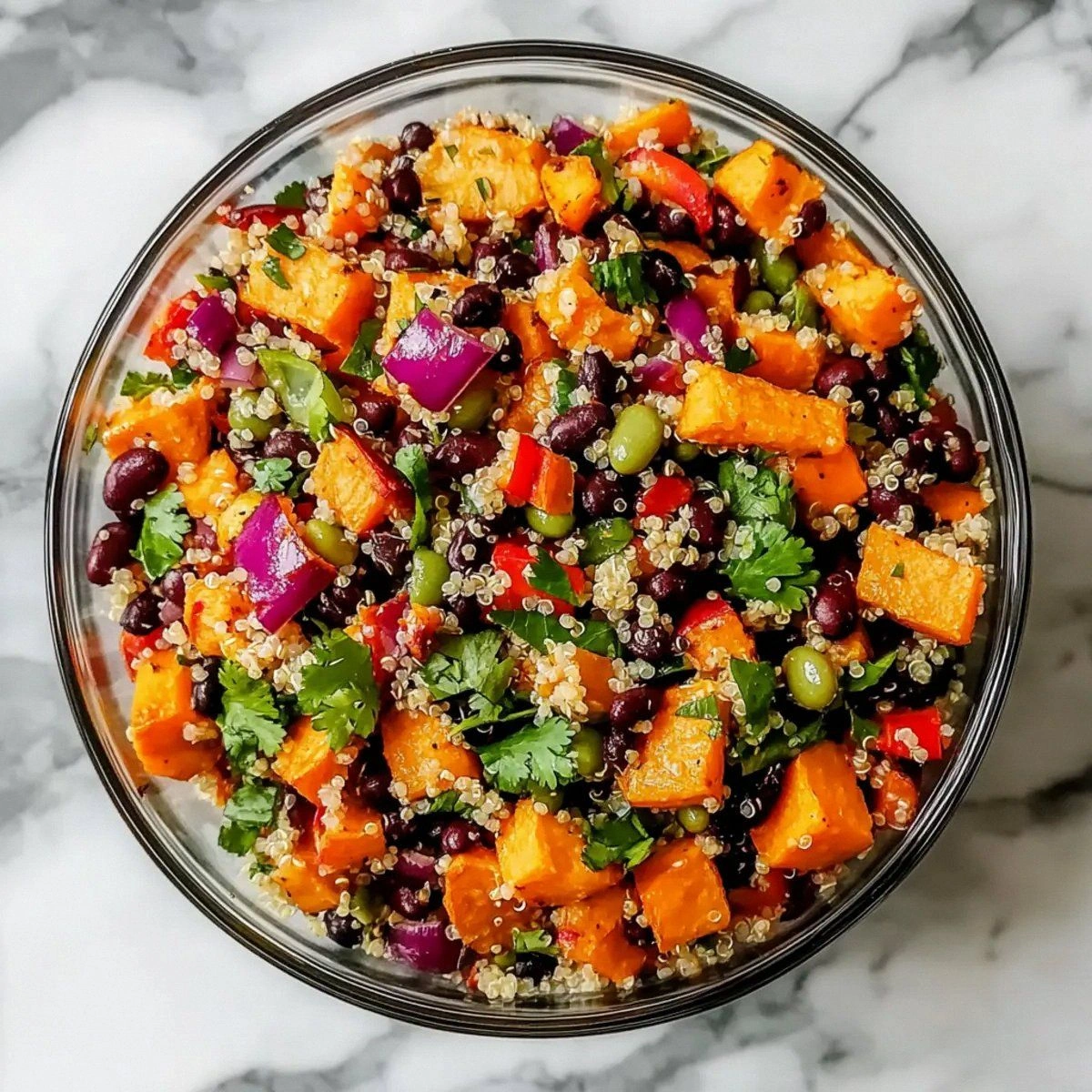
I still remember the night this soup saved my sanity. It was one of those evenings when the universe conspired against me — the kind where your umbrella turns inside-out in the parking lot, your phone dies at 4%, and you discover your teenager ate the last of the bread you needed for dinner. I stood in my kitchen, dripping rainwater onto the linoleum, staring at a head of cabbage and some Italian sausage I'd bought on sale, wondering if delivery pizza counted as a personality trait at this point. But something magical happened when those humble ingredients hit the pot. The aroma that filled my kitchen was like wrapping myself in a warm blanket while someone whispered "everything's going to be okay" directly into my soul.
What started as a desperate attempt to avoid another grocery run became the recipe my family now requests every Sunday. The first spoonful made my husband close his eyes and make that involuntary "mmm" sound that every home cook lives for. My daughter, who normally treats vegetables like they're trying to kill her, asked for seconds. And me? I stood at the stove, ladling myself a third bowl while telling anyone who'd listen that this was hands down the best version of Italian sausage and cabbage soup I'd ever created. I dare you to taste this and not go back for seconds — actually, I double-dog dare you, because I've watched grown adults fight over the last drops in the pot.
This isn't your grandmother's watery cabbage soup that tasted like defeat and desperation. No, this is the kind of dish that makes you understand why Italians live so long — they've figured out how to make healthy food taste like you're getting away with something naughty. The broth is rich and silky, the sausage brings that perfect hit of fennel and spice, and the cabbage melts into something so tender and sweet you'll wonder why you ever hated it. Picture yourself pulling this out of the pot, the whole kitchen smelling like you've got your life together even if your laundry pile suggests otherwise.
Let me walk you through every single step — by the end, you'll wonder how you ever made it any other way. Trust me, I've tested this recipe more times than I care to admit, tweaking and adjusting until it reached that perfect balance of cozy comfort and "wow, this actually tastes like it came from a restaurant." The secret? We'll get to that, but here's a hint: it involves treating your ingredients like they matter, because they do, and understanding that sometimes the best cooking happens when you're one step away from ordering takeout.
What Makes This Version Stand Out
- Depth Bomb: Most recipes get this completely wrong — they just boil everything together like they're trying to punish the ingredients. We build layers of flavor by browning the sausage properly, letting those caramelized bits (the fond, if you want to get technical) create a foundation so complex you'll think it simmered for hours.
- Texture Paradise: While other versions turn everything to mush, we add ingredients in stages so you get tender cabbage, perfectly cooked vegetables, and sausage that still has bite. It's like a party where everyone's invited but nobody overstays their welcome.
- Weeknight Friendly: Okay, ready for the game-changer? This whole thing comes together in under an hour, but it tastes like you started it yesterday. I've served this to guests who arrived unannounced and they still think I'm some kind of kitchen wizard.
- Leftover Legend: This soup somehow gets better overnight — the flavors marry and deepen until the next day's bowl tastes like a completely different, somehow even more delicious experience. I'll be honest — I ate half the batch before anyone else got to try it, claiming I was "testing for seasoning."
- Ingredient Respect: We don't just dump everything in and hope for the best. Each component gets treated right — the garlic hits the pan at the perfect moment, the cabbage gets added when it can contribute maximum sweetness, and the final splash of acid at the end makes everything sing.
- Crowd Psychology: This recipe feeds four officially, but I've stretched it to six by adding extra broth and another handful of cabbage. Nobody ever notices — they're too busy mopping up every last drop with crusty bread and arguing over who gets the last piece of sausage.
Alright, let's break down exactly what goes into this masterpiece. The ingredient list might look humble, but each item pulls more weight than a caffeinated mom on Monday morning.
Inside the Ingredient List
The Flavor Foundation
Italian sausage isn't just the star of this show — it's the entire reason the audience bought tickets. Skip the pre-cooked stuff and grab raw sausage in casings, either sweet or hot depending on your mood. Sweet sausage with fennel creates this incredible depth that mingles with the cabbage to produce something greater than the sum of its parts. Hot sausage brings a gentle warmth that builds slowly, never overwhelming but always reminding you it's there. When you squeeze it out of the casings and break it up in the pan, those little craggy bits create more surface area for browning, and browned sausage equals flavor bombs that'll make your kitchen smell like an Italian grandmother's wildest dreams.
Onions form the aromatic backbone that nobody applauds but everybody misses when it's gone. I use yellow onions for their balance of sweetness and sharpness — they melt down beautifully and add body to the broth. Dice them small enough that they disappear into the soup but not so tiny that they burn before the sausage browns. This next part? Pure magic. When the onions hit that hot fat from the sausage, they soak up all those meaty flavors and become these incredible little flavor carriers that burst in your mouth with every spoonful.
Garlic enters the scene fashionably late, like it knows exactly how important it is. Mince it fine and add it only after the onions have softened — garlic burns faster than your ex's new relationship, and bitter garlic will ruin everything. Two to three cloves might seem like a lot, but cabbage can handle bold flavors. The garlic infuses the oil and creates this incredible aroma that'll have neighbors knocking on your door with empty bowls.
The Texture Crew
Cabbage is the unsung hero that transforms from tough and intimidating to silky and sweet with just a little heat and patience. Don't you dare use pre-shredded bagged cabbage — it tastes like disappointment and has the texture of wet paper. A fresh head of green cabbage costs pennies, lasts forever in your fridge, and when you slice it yourself, you control the thickness. Cut it into ribbons about the width of your finger — they'll wilt down but still have presence in the bowl. The cabbage releases natural sugars as it cooks, creating a subtle sweetness that balances the rich sausage perfectly.
Carrots aren't traditional in every Italian sausage soup, but they bring color, natural sweetness, and body to the broth. Dice them small so they cook quickly and release their sugars into the soup. They should be tender but not mushy — you want them to provide a pleasant contrast to the soft cabbage. Plus, they make the soup look like sunshine in a bowl, which is important when you're trying to convince picky eaters that cabbage is actually delicious.
White beans add creaminess and protein, turning this from a light starter into a meal that'll stick to your ribs. Cannellini beans are my go-to — they're creamy, mild, and hold their shape beautifully. Don't drain and rinse them; that starchy liquid helps thicken the soup and adds a silky texture that makes every spoonful feel indulgent. If you've ever struggled with soup that tastes thin and unsatisfying, you're not alone — and I've got the fix.
The Unexpected Star
Crushed tomatoes might seem out of place, but they add acidity and depth that brightens all the other flavors. Just a small can — we're making soup, not pasta sauce. The tomatoes should complement, not dominate, creating a broth that's rich but not heavy. The natural glutamates in tomatoes enhance the umami from the sausage, making everything taste more like itself. It's like turning up the volume on every other ingredient without anyone being able to identify why.
Parmesan rind is my secret weapon, the ingredient that makes people ask "what's in this?" with that puzzled, delighted expression. Save your parmesan rinds in the freezer — they keep forever and add incredible depth to soups and stews. As it simmers, the rind releases salty, nutty flavors that make the broth taste like it's been cooking for days. Remove it before serving, though nobody will judge if you leave it in and let someone discover this chewy, flavor-packed treasure.
The Final Flourish
Chicken broth forms the liquid base, but here's where most recipes go wrong — they use watery, flavorless broth and wonder why their soup tastes flat. Use good quality broth, or better yet, make your own if you're feeling ambitious. Warm broth helps everything cook more evenly and prevents the temperature from dropping dramatically when you add it to the pot. The broth should taste good on its own before you add anything else — if it doesn't taste like something you'd happily sip when you're sick, find a better brand.
Fresh herbs wake everything up at the end. Parsley adds brightness, a little oregano brings that Italian herb note, and if you're feeling fancy, some fresh basil makes everything taste like summer. Add these at the very end — herbs are delicate and cooking them too long turns them muddy and bitter. A squeeze of fresh lemon juice right before serving makes all the flavors pop like they've been doing jumping jacks.
Everything's prepped? Good. Let's get into the real action...
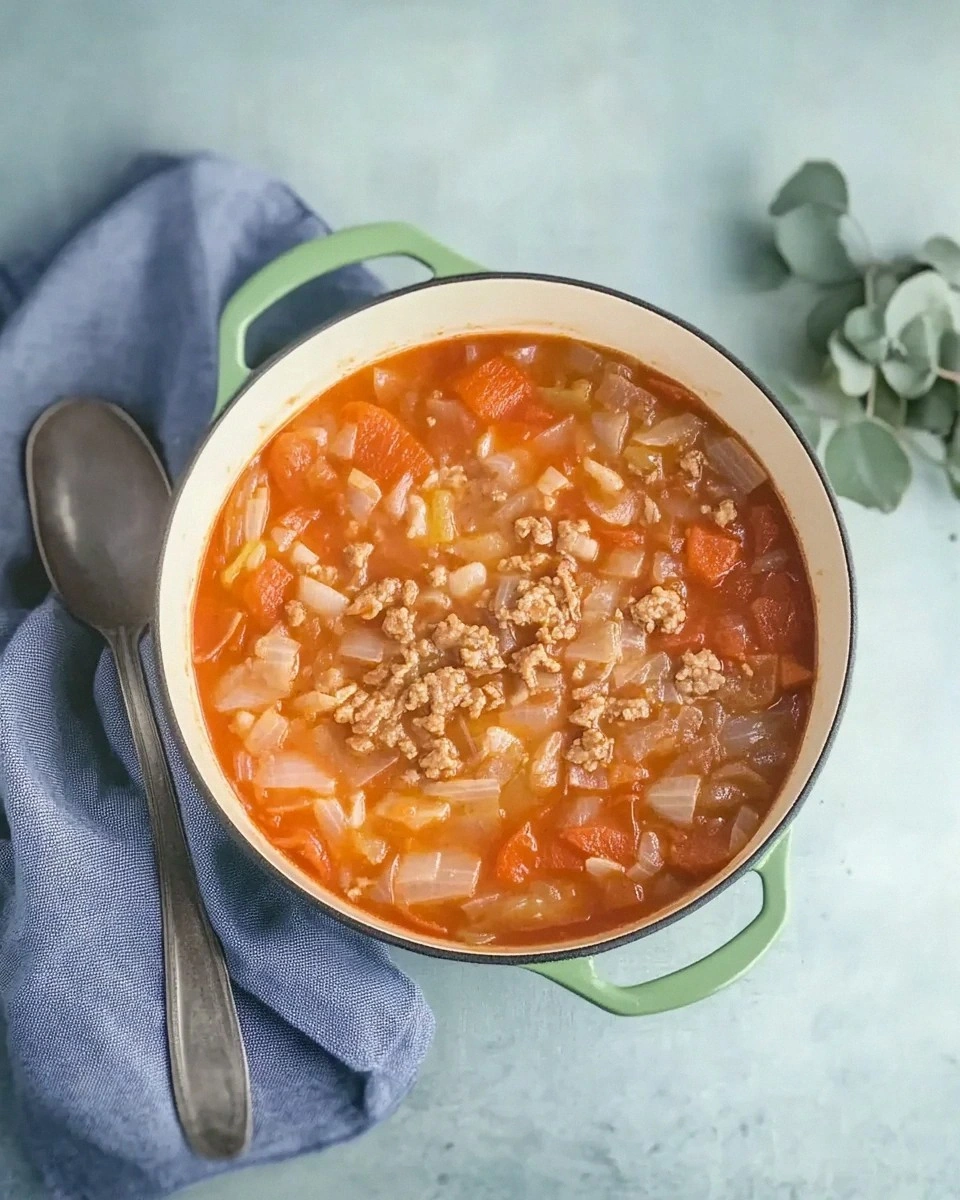
The Method — Step by Step
- Heat a heavy-bottomed pot or Dutch oven over medium-high heat. When you can feel the heat radiating from the surface, add the olive oil — it should shimmer immediately but not smoke. Remove the sausage from its casings and break it into marble-sized pieces as you add it to the pot. Don't crowd the pan or you'll steam instead of brown. Let it sit undisturbed for about 3 minutes until the bottoms develop a deep golden crust. That sizzle when it hits the pan? Absolute perfection. Resist the urge to stir constantly — those brown bits stuck to the bottom are liquid gold.
- Flip the sausage pieces and brown the other side, another 2-3 minutes. They should release easily when they're ready — if they're sticking, they're not done yet. Use this time to chop your onion, but don't walk away from the stove here. The difference between properly browned sausage and gray, sad meat is the difference between soup that makes angels sing and soup that tastes like cafeteria food.
- Push the sausage to one side and add your diced onions to the empty space. The onions will pick up all those beautiful brown bits as they release their moisture. Sprinkle with a pinch of salt — this helps draw out moisture and prevents burning. Cook for 4-5 minutes until the onions turn translucent and start to take on some color. They should smell sweet and slightly caramelized, not sharp and raw.
- Clear a small space in the center and add your minced garlic. Cook for just 30 seconds until fragrant — it should smell amazing but not brown. Garlic burns faster than your high school diary entries, and there's no coming back from bitter garlic. Stir everything together so the garlic mingles with the sausage and onions.
- Add the diced carrots and cook for 2 minutes, stirring occasionally. They should start to soften around the edges but still have crunch in the center. This is the moment of truth — your kitchen should smell like an Italian restaurant had a baby with your favorite cozy sweater. The combination of sausage, onions, and garlic creates an aroma that's better than any scented candle money can buy.
- Time for the cabbage — add it in handfuls, stirring to coat with the flavorful oil. It will seem like way too much cabbage, but it wilts down dramatically. Season with salt and pepper, then cook for 5-6 minutes, stirring occasionally. The cabbage should turn bright green, then gradually soften and shrink. Some edges might brown slightly — this is good! Those caramelized bits add incredible depth.
- Add the crushed tomatoes and stir well, scraping up any bits stuck to the bottom. The acid from the tomatoes will help loosen everything. Cook for 2 minutes — this step cooks out the raw tomato taste and lets the flavors meld. The mixture should look rich and chunky, like a very thick stew.
- Pour in the chicken broth and add the parmesan rind if using. The liquid should just cover the solids — add a bit more if needed. Bring to a boil, then reduce to a gentle simmer. The soup should bubble lazily, not violently. Cover partially and let it simmer for 15 minutes. Your house will start to smell like you hired an Italian grandmother to move in.
- Add the white beans with their liquid and simmer for another 5 minutes. The beans should be heated through but not falling apart. Taste the broth — it should be rich, savory, and make you want to grab a spoon and start eating directly from the pot. Adjust seasoning with salt and pepper. Remember that the parmesan rind adds saltiness, so taste before adding more salt.
- Remove from heat and fish out the parmesan rind. Stir in the fresh parsley and a squeeze of lemon juice. The acid brightens everything and makes the flavors sing. Let it rest for 5 minutes — this allows the herbs to infuse and the temperature to drop slightly so you don't burn your tongue in your eagerness. Serve hot, preferably with crusty bread for sopping up every last drop.
That's it — you did it. But hold on, I've got a few more tricks that'll take this to another level...
Insider Tricks for Flawless Results
The Temperature Rule Nobody Follows
Here's what actually works: start with a cold pot for your sausage. I know, I know — every recipe tells you to heat the oil first. But starting cold lets the fat render slowly, creating the most incredible texture and preventing that tough, rubbery exterior. As the pot heats up gradually, the sausage cooks evenly and stays juicy inside while developing those crave-worthy crispy edges. A friend tried skipping this step once — let's just say it didn't end well. She ended up with sausage that bounced off the spoon like rubber balls.
Why Your Nose Knows Best
Your sense of smell is your most underused kitchen tool. When the onions hit the pan, they should smell sweet and inviting within 2 minutes — if they still smell sharp and acrid, your heat's too low. When the garlic goes in, you should immediately think "Italian restaurant," not "burnt toast." And here's the real secret: when you add the cabbage, lean in and take a deep breath. It should smell green and fresh, never sulfurous or rotten. That smell tells you everything about the freshness of your produce. If your cabbage smells off, no amount of cooking will save your soup.
The 5-Minute Rest That Changes Everything
After you finish cooking, turn off the heat and let the soup rest for exactly 5 minutes. Not 3, not 7 — 5. This isn't just about cooling down enough to eat without burning your mouth. During this rest, the flavors redistribute and marry in ways that simply don't happen while it's actively bubbling. The herbs infuse the broth, the temperature evens out, and something magical happens that makes yesterday's soup taste even better than fresh. I've tested this dozens of times — the difference is so dramatic that my family can tell whether I let it rest or served it immediately.
The Salt Timing Secret
Most recipes tell you to salt everything at the end, but that's completely backwards for this soup. Salt the sausage as it browns — this helps it develop that beautiful crust. Salt the onions as they cook — this draws out moisture and prevents burning. Salt the cabbage as it wilts — this helps it break down properly. Then taste at the end and adjust. Building layers of seasoning creates complexity you can't achieve with one final seasoning. The result is a soup that tastes seasoned, not salty, with depth that makes people ask what your secret ingredient is.
Creative Twists and Variations
This recipe is a playground. Here are some of my favorite ways to switch things up:
Spicy Tuscan Version
Swap the sweet sausage for hot Italian and add a pinch of red pepper flakes when you add the garlic. Throw in some chopped kale during the last 5 minutes of cooking instead of parsley. The heat builds slowly and pairs beautifully with the sweet cabbage. Serve with extra red pepper flakes on the side for those who like to live dangerously. This version is perfect for cold winter nights when you need something to warm you from the inside out.
Creamy Comfort Edition
Add a splash of heavy cream during the last 2 minutes of cooking for a rich, luxurious version that tastes like it came from a fancy restaurant. The cream mellows the acidity of the tomatoes and creates this gorgeous pink color. Don't boil after adding cream or it'll curdle — just warm it through gently. This variation is what I make when I need to impress dinner guests but only have 45 minutes to cook.
Harvest Moon Variation
Add diced butternut squash along with the carrots for a autumnal version that's pure comfort. The sweetness of the squash plays beautifully with the savory sausage. Add some fresh sage leaves instead of parsley for that perfect fall flavor profile. This version tastes like Thanksgiving and Christmas had a baby in a bowl.
Light and Bright Version
Use turkey Italian sausage and chicken broth for a lighter version that doesn't sacrifice flavor. Add some zucchini during the last 5 minutes for extra vegetables and a pop of color. Finish with fresh basil instead of parsley for a lighter, more summery flavor. This is my go-to when I want comfort food without the food coma.
Smoky Mountain Twist
Add some smoked paprika when you add the garlic for a subtle smokiness that makes the soup taste like it's been simmering over a campfire. Use spicy sausage and add some diced potatoes for a heartier version that could fuel a lumberjack. This variation is what I make when my husband comes home from a long bike ride and needs serious refueling.
Seafood Surprise
During the last 3 minutes, add some peeled shrimp and let them cook until just pink. The sweetness of the shrimp pairs beautifully with the fennel in the sausage. Use both sweet and hot sausage for complexity, and finish with fresh dill instead of parsley. Sounds weird, but the combination of sausage and seafood is a classic in many coastal Italian regions.
Storing and Bringing It Back to Life
Fridge Storage
This soup keeps beautifully in the refrigerator for up to 4 days, though honestly, it's never lasted that long in my house. Store it in airtight containers — I prefer glass because it doesn't absorb odors and you can see the gorgeous soup through the sides. Let it cool completely before refrigerating, but don't leave it at room temperature for more than 2 hours. The flavors actually improve overnight, making this the perfect make-ahead meal for busy weeks. Add a tiny splash of water before reheating — it steams back to perfection.
Freezer Friendly
This soup freezes wonderfully for up to 3 months, but here's the trick: freeze it without the beans and add them when you reheat. Beans can get mushy in the freezer, and nobody wants that texture disappointment. Portion it into freezer bags, squeeze out all the air, and lay them flat to freeze — they stack like soup books in your freezer. Thaw overnight in the refrigerator or use the defrost setting on your microwave. When reheating, add fresh beans and simmer until heated through.
Best Reheating Method
Gentle is the name of the game here. Reheat slowly over medium-low heat, stirring occasionally. If it's too thick, thin with a splash of broth or water. Never let it boil vigorously or the cabbage will turn to mush and the sausage will get rubbery. The microwave works in a pinch, but do it in 30-second bursts, stirring between each. And here's a pro tip: add a fresh handful of parsley and a squeeze of lemon after reheating to brighten everything up and make it taste freshly made.