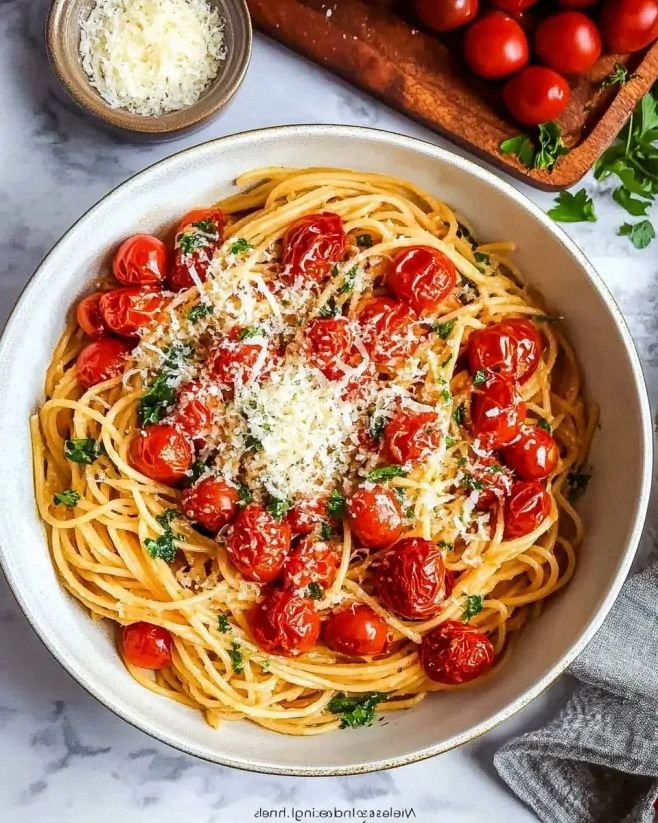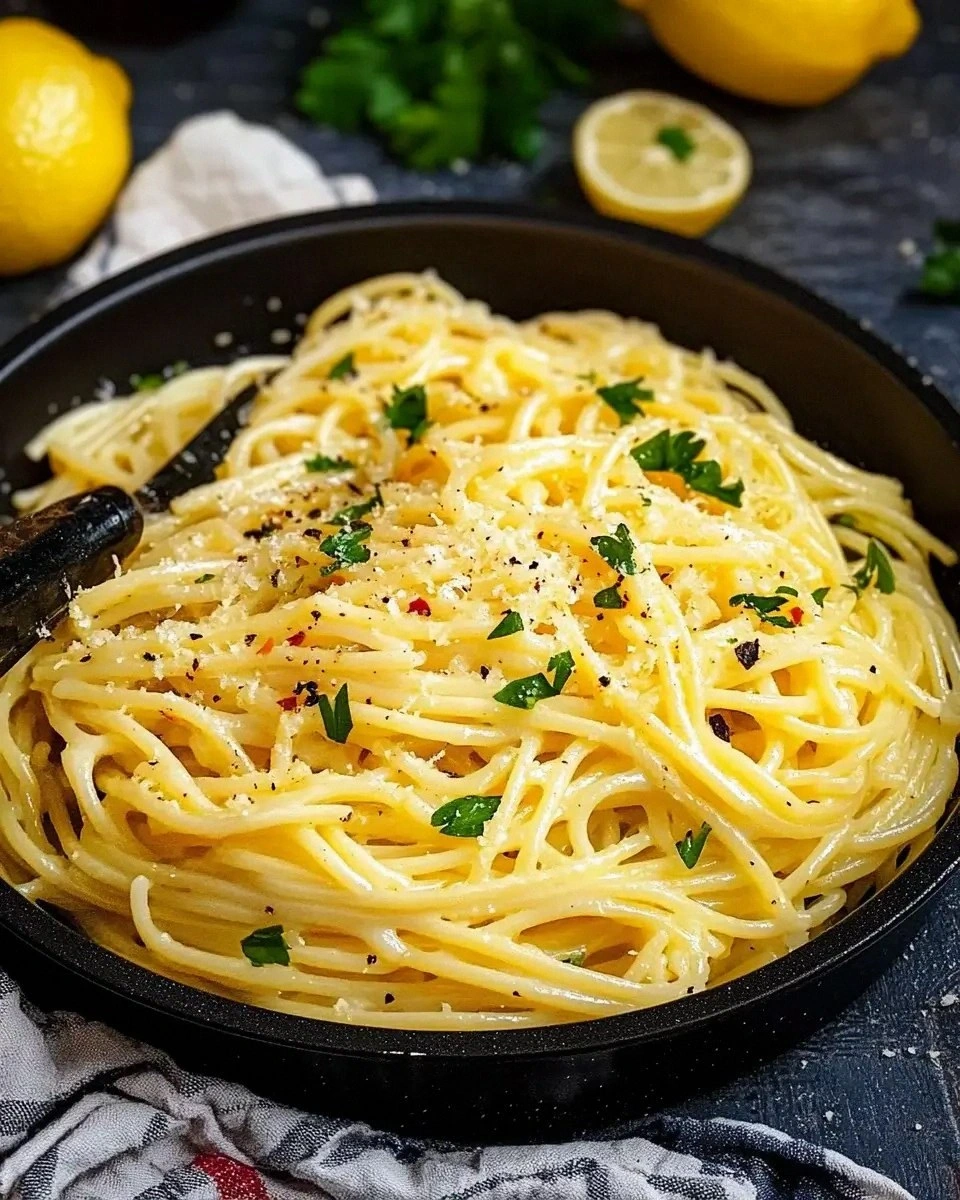
Okay, picture this: I’m standing in my tiny kitchen, the sink is overflowing with half‑cooked pasta, the garlic has turned a shade of amber that would make a carpenter blush, and my roommate just walked in with a look that says, “What on earth are you doing?” I dared him to try my newest obsession—Lemon Garlic Butter Pasta—and he laughed, saying, “If you can pull this off, I’ll buy you a coffee for a month.” Spoiler alert: I not only pulled it off, I turned that laugh into a chorus of “Mmmmmm!” that echoed through the whole apartment. That moment sparked the birth of the most buttery, bright, and unapologetically garlicky pasta you’ll ever taste.
From the moment the first clove hits the pan, the kitchen transforms into a symphony of sizzling whispers and aromatic fireworks. The lemon zest flirts with the garlic, the butter melts like sunrise on a marble slab, and the olive oil shimmers like liquid gold. You can hear the faint pop of butter as it meets the heat, smell the citrusy zing that makes your nostrils dance, and feel the warm steam hugging your face as you stir. It’s a full‑body experience that engages sight, smell, taste, and even the tactile joy of twirling pasta with a fork that’s suddenly your favorite utensil.
What makes this version truly stand out is the daring balance of heat, acidity, and richness. Most recipes either drown the lemon in butter or forget the garlic altogether, leaving you with a bland, one‑dimensional dish. Not this one. I’m talking about a sauce that clings to each strand of linguine like velvet, with a buttery sheen that catches the light and a lemony punch that snaps you awake like a splash of cold water on a sleepy morning. The secret? A pinch of red chili flakes that adds a whisper of heat without stealing the spotlight, and a generous handful of fresh parsley that brings a garden‑fresh finish.
I’m about to reveal a technique that most home cooks skip: the “finish‑in‑the‑pan” method, where the pasta finishes cooking in the sauce itself, absorbing every flavor molecule. This trick is the game‑changer that turns a simple weeknight dinner into a restaurant‑quality masterpiece. I dare you to taste this and not go back for seconds, because once you’ve felt that buttery, lemon‑garlic hug, you’ll never settle for anything less. Let me walk you through every single step — by the end, you’ll wonder how you ever made it any other way.
What Makes This Version Stand Out
- Flavor Explosion: The combination of lemon zest, garlic, and butter creates a bright, layered taste that’s both comforting and invigorating. Each bite delivers a burst of citrus that cuts through the richness, leaving your palate refreshed.
- Silky Texture: By finishing the pasta in the sauce, the noodles become coated in a glossy, velvety film that feels like silk against your tongue, rather than a greasy coating.
- Simplicity: With only nine core ingredients, this dish proves you don’t need a pantry full of exotic items to create something spectacular.
- Unique Heat: The subtle kick from red chili flakes adds depth without overwhelming the lemon’s brightness, making the dish multidimensional.
- Crowd Reaction: I’ve served this at dinner parties and watched guests scramble for the recipe card; it’s a guaranteed conversation starter.
- Ingredient Quality: Using extra‑virgin olive oil and fresh lemon zest elevates the dish from good to unforgettable.
- One‑Pan Efficiency: Minimal cleanup means you can spend more time enjoying the meal and less time scrubbing pots.
- Make‑Ahead Potential: The sauce can be prepared in advance and combined with freshly cooked pasta for a lightning‑fast dinner.
Inside the Ingredient List
The Flavor Base
First up, the extra‑virgin olive oil. This isn’t just a cooking medium; it’s the carrier for garlic’s aromatic compounds, allowing them to bloom without burning. If you skimp on the oil, you’ll get a dry, uneven sauté that leaves garlic clinging to the pan like stubborn stickers. Opt for a robust, cold‑pressed oil for a peppery undertone that complements the lemon’s acidity. As a swap, you can use grapeseed oil for a neutral flavor, but you’ll lose that subtle fruitiness.
Garlic cloves, finely sliced, are the heart of this dish. Six cloves provide enough pungency to stand up to the butter without turning the sauce into a garlic bomb. If you’re allergic to garlic, try roasted shallots for a milder, sweeter note, but the signature bite will be missing. Freshly sliced garlic releases allicin, the compound responsible for that unmistakable aroma; pre‑minced garlic in a jar won’t give you the same depth.
The Texture Crew
Unsalted butter, measured at 40 g (about two tablespoons), is the silky glue that binds the sauce together. Butter adds a luxurious mouthfeel and carries the lemon zest across each strand of pasta. If you’re dairy‑free, try a plant‑based butter made from coconut oil and sunflower lecithin; it mimics the melt‑in‑your‑mouth quality but adds a faint coconut note.
Red chili flakes, a modest half‑teaspoon, inject a whisper of heat that awakens the taste buds. Adjust to your tolerance—add a full teaspoon for a daring kick, or omit entirely if you’re serving kids. The flakes also add a speckled visual contrast that makes the dish look more sophisticated.
The Unexpected Star
Zest and juice of one medium lemon are the secret weapons. The zest provides aromatic oils that are far more potent than the juice alone, while the juice balances the butter’s richness with bright acidity. If you can’t find a fresh lemon, a splash of high‑quality lemon juice works, but the zest is non‑negotiable for that perfume‑like lift. When zesting, avoid the white pith—it’s bitter and will ruin the delicate balance.
Parmesan (or a vegetarian hard cheese) adds a salty, umami backbone that ties the whole composition together. Fifty grams is enough to melt into the sauce without overwhelming the lemon. For a vegan twist, use a nutritionally‑yeasted Parmesan alternative; it won’t melt quite the same, but it will still contribute that savory depth.
The Final Flourish
Fresh parsley, chopped generously, provides a herbaceous finish that brightens the plate visually and flavor‑wise. A handful is roughly a quarter cup loosely packed. If parsley isn’t your thing, basil or cilantro can be swapped, but each brings its own character—basil adds sweetness, cilantro adds a citrusy earthiness.
Salt and freshly ground black pepper, to taste, are the ultimate seasoning duo. They enhance every other flavor and bring the sauce to life. Never underestimate the power of a pinch of flaky sea salt at the end; it adds a delicate crunch that surprises the palate.
Everything's prepped? Good. Let's get into the real action…
The Method — Step by Step
Bring a large pot of salted water to a rolling boil. The water should taste like the sea—this is your first chance to season the pasta itself. Add the linguine (or spaghetti) and cook until it’s just shy of al dente, about 8‑9 minutes. Remember, the pasta will finish cooking in the sauce, so you want it with a firm bite at this stage. Drain, reserving one cup of pasta water, and set the noodles aside.
While the pasta is boiling, heat a wide, heavy‑bottomed skillet over medium heat. Add the tablespoon of extra‑virgin olive oil and let it shimmer—this is the moment the pan whispers “we’re about to create magic.” Toss in the sliced garlic and let it sizzle for 30 seconds until fragrant; you’ll hear a gentle pop that signals the garlic is releasing its oils without burning.
Kitchen Hack: If the garlic starts to brown too quickly, lower the heat and add a splash of the reserved pasta water to cool the pan instantly.Add the unsalted butter to the pan, letting it melt slowly around the garlic. As the butter foams, stir in the red chili flakes. The butter should turn a light amber color and emit a nutty aroma—this is your cue that the base is ready. If you hear a faint sizzling, you’re on the right track; if the butter starts to brown, you’ve gone too far.
Now, the star of the show: lemon zest and juice. Sprinkle the zest first, allowing the tiny orange specks to release their essential oils into the butter. Immediately follow with the freshly squeezed juice, watching the sauce bubble as the acidity meets the hot fat. This reaction creates a glossy emulsion that will cling to the pasta like a silk scarf.
Time to bring the pasta back into the picture. Add the drained linguine to the skillet, tossing vigorously with tongs so each strand gets a coating of the buttery lemon sauce. If the mixture looks dry, splash in a little of the reserved pasta water—about a quarter cup at a time—until you achieve a glossy, slightly fluid consistency.
Stir in the grated Parmesan (or vegetarian hard cheese) and the chopped parsley. The cheese should melt instantly, thickening the sauce just enough to hug the noodles. Keep the heat on low; you want the cheese to melt without clumping. Taste and season with salt and freshly cracked black pepper, adjusting the balance of salty, tangy, and spicy to your preference.
Let the pasta sit in the pan for another minute, allowing the flavors to marry. This is the moment of truth—if the sauce has thickened to a velvety sheen and the noodles are glossy, you’ve nailed it. If it looks too thick, add a splash more pasta water; if it’s too thin, let it reduce for another 30 seconds.
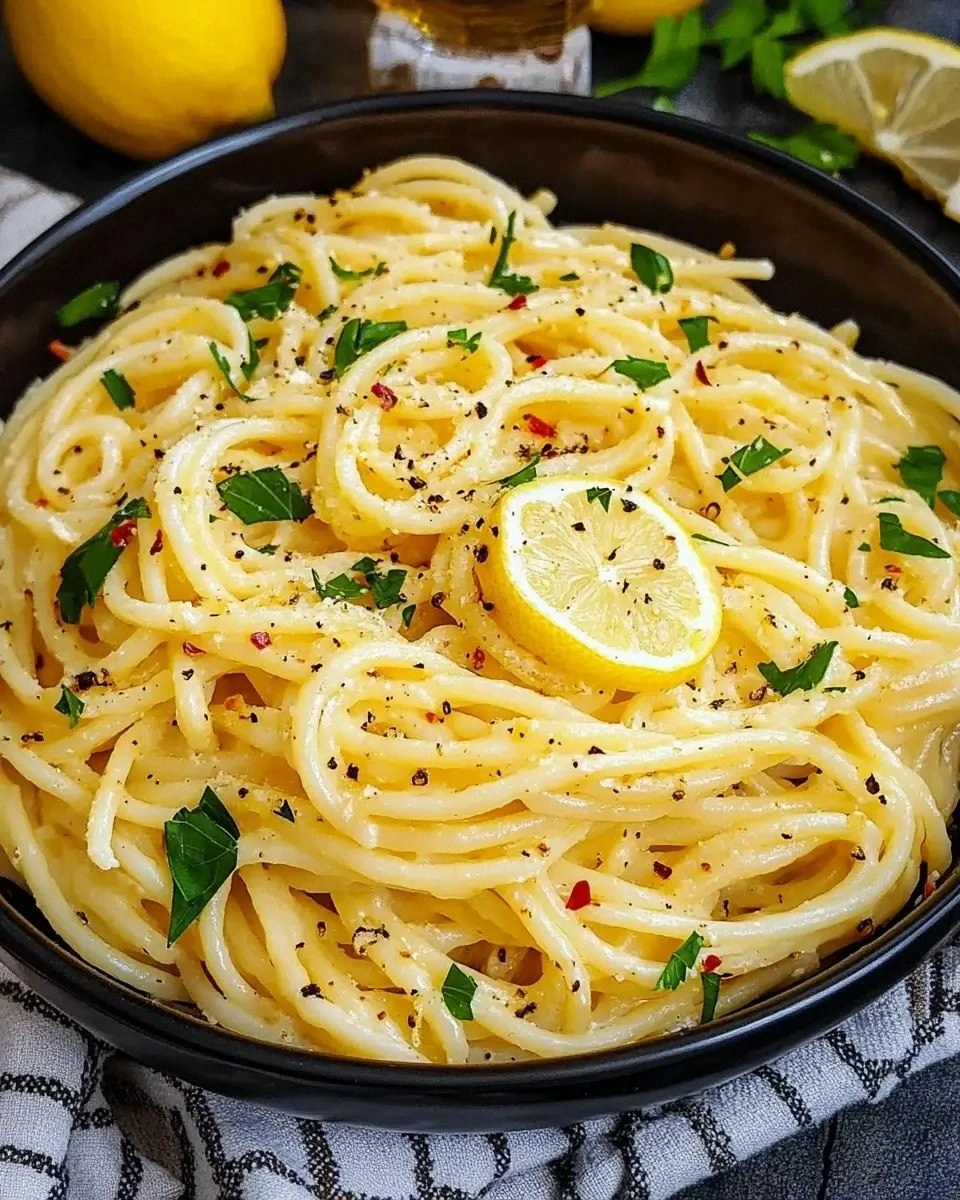
Watch Out: Over‑cooking the garlic will turn it bitter, ruining the bright lemon profile. Keep a close eye and stir constantly.Plate the pasta immediately, using a wide bowl or shallow plate to showcase the glossy sauce. Garnish with an extra sprinkle of Parmesan, a few extra parsley leaves, and—if you’re feeling daring—a final drizzle of olive oil for that extra shine. Serve hot, because the butter begins to solidify as it cools, and you want that luscious mouthfeel.
That’s it — you did it. But hold on, I've got a few more tricks that'll take this to another level. Stay with me here — this is worth it.
Insider Tricks for Flawless Results
The Temperature Rule Nobody Follows
Never crank the heat to high when you’re sautéing garlic and butter. Medium‑low heat allows the butter to melt slowly, releasing its milk solids without scorching. A friend once cranked the stove to high, and the sauce turned a burnt amber, leaving a bitter aftertaste that no amount of lemon could fix. Keep the temperature steady; you’ll hear a gentle sizzle, not a frantic pop.
Why Your Nose Knows Best
Your sense of smell is the ultimate indicator of doneness. When the butter starts to foam and the lemon zest hits the pan, you’ll notice a fresh citrus perfume that tells you the sauce is ready to embrace the pasta. If you can’t smell the lemon, the sauce is probably too cold or the zest was over‑cooked. Trust that nose—it’s more reliable than a timer.
The 5‑Minute Rest That Changes Everything
After tossing the pasta with the sauce, let it rest off the heat for five minutes. This short pause allows the starches on the pasta surface to release a bit of starch, thickening the sauce naturally. It also gives the parsley a chance to wilt just enough to release its flavor without turning mushy. Skipping this step means a thinner sauce and a less cohesive dish.
Butter‑First, Then Olive Oil
Start with olive oil, then add butter. The oil raises the butter’s smoke point, preventing it from burning while still delivering that buttery flavor. I once tried butter alone and ended up with a scorched bottom, which turned the whole dish into a bitter mess. This layered fat approach is a pro tip that keeps the sauce smooth.
The Parmesan Timing Trick
Add the grated cheese just before the final toss, not at the beginning. If you add it too early, the cheese can clump and create a gritty texture. By introducing it at the end, the cheese melts into the sauce, creating a silky coating that makes each bite feel luxurious.
Creative Twists and Variations
This recipe is a playground. Here are some of my favorite ways to switch things up:
Spicy Sriracha Swirl
Add a tablespoon of Sriracha to the sauce after the lemon juice. The sweet‑heat of Sriracha pairs beautifully with the citrus, creating a bold, Asian‑inspired twist. Top with toasted sesame seeds for an extra crunch that will wow anyone who loves a little extra kick.
Creamy Avocado Finish
Stir in half a mashed ripe avocado right before serving. The avocado adds a creamy, buttery texture without dairy, and its mild flavor lets the lemon shine. This variation is perfect for vegans who still crave that luxurious mouthfeel.
Herbaceous Basil Blast
Swap parsley for a generous handful of fresh basil leaves, torn just before plating. Basil adds a sweet, peppery note that complements the lemon and makes the dish feel summery. A drizzle of pine nuts toasted in olive oil adds a nutty crunch.
Smoky Bacon Crunch
Crisp up 4 slices of bacon, crumble them, and sprinkle over the finished pasta. The smoky, salty crunch contrasts the bright sauce, turning the dish into a hearty, comfort‑food experience. This version is perfect for a weekend brunch.
Roasted Veggie Medley
Toss in a cup of roasted cherry tomatoes, zucchini, and bell peppers during the final minute of cooking. The vegetables add sweetness, texture, and a burst of color, making the plate look as vibrant as it tastes.
Storing and Bringing It Back to Life
Fridge Storage
Transfer leftovers to an airtight container and store in the refrigerator for up to 3 days. The butter may solidify, but a quick reheating will bring it back to its silky self. Keep the pasta separate from any added vegetables to prevent sogginess.
Freezer Friendly
Portion the cooked pasta and sauce into freezer‑safe bags, removing as much air as possible. Freeze for up to 2 months. When ready to eat, thaw overnight in the fridge, then reheat gently on the stovetop, adding a splash of water or broth to revive the sauce’s sheen.
Best Reheating Method
Place the pasta in a skillet over low heat, drizzle a tiny splash of water (or extra lemon juice for brightness), and stir constantly until the sauce loosens and coats the noodles again. This steam‑and‑stir technique prevents the pasta from drying out and restores the buttery gloss.