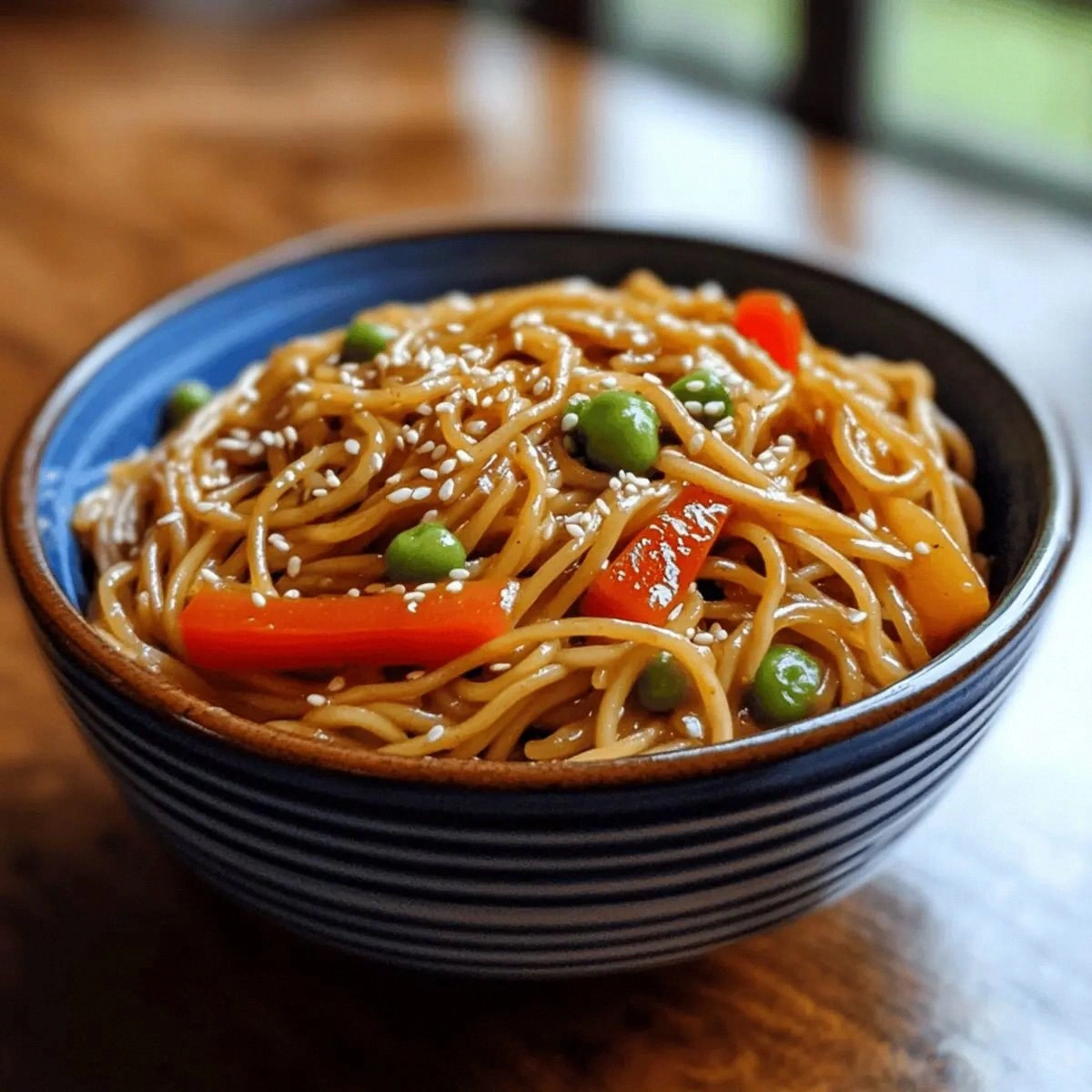
Picture this: I'm hunched over my stove, a pan hissing like a tiny dragon, when I realize I've just burned the last batch of my usual Pad Thai. The smoke alarm blared, the kitchen smelled like charred regret, and my friends were glaring at my culinary catastrophe. I dared myself to turn that disaster into a triumph, and what emerged was a riot of colors, flavors, and textures that made everyone forget the earlier fiasco. I’m talking about a dish that looks like a rainbow threw a party on your plate, and tastes like a thousand street‑food stalls decided to collaborate in perfect harmony.
The moment the noodles hit the wok, they sizzle with a whisper that says, “Hold on, something amazing is about to happen.” The aroma of toasted peanuts, fresh basil, and a hint of chili paste swirls around the kitchen, making the air feel like a warm, fragrant hug. You’ll hear the gentle crackle of vegetables as they soften, the soft thump of the egg as it slides into the pan, and the satisfying splash when the sauce meets the noodles – each sound a promise of the explosion to come. I dare you to taste this and not go back for seconds; the combination is so addictive that it practically rewires your taste buds.
Most Pad Thai recipes either drown the noodles in sauce or leave them dry and lonely. This version stands out because it balances the sauce like a tightrope walker – just enough to coat every strand without drowning the crunch of fresh veggies. The secret? A splash of white vinegar that adds a bright acidity, a drizzle of brown sugar that caramelizes into a glossy sheen, and a handful of peanuts that provide a buttery crunch that shatters like thin ice. I’ll be honest — I ate half the batch before anyone else got to try it, and that’s only because the flavors are so bold they practically beg for a second round.
Now, let’s talk about the twist that most cooks miss: I swap the traditional fish sauce for a duo of soy sauce and a whisper of broth, creating a depth that feels both familiar and surprisingly fresh. This move makes the dish accessible for vegetarians while still delivering that umami punch you crave. Okay, ready for the game‑changer? I’m going to walk you through every single step — by the end, you’ll wonder how you ever made Pad Thai any other way.
What Makes This Version Stand Out
- Vibrant Color Palette: The rainbow of veggies not only dazzles the eyes but also adds layers of sweetness, earthiness, and a slight bite, making each forkful a new adventure.
- Texture Symphony: From the silky noodles to the crisp carrots and the buttery peanuts, every texture plays its part like instruments in an orchestra.
- Balanced Sweet‑Sour‑Spicy Profile: The brown sugar, white vinegar, and chili paste create a harmonious dance that never overpowers the palate.
- Vegetarian Friendly Yet Umami‑Rich: By combining soy sauce, broth, and a splash of fish sauce, the dish stays true to its Thai roots while staying plant‑centric.
- Quick Prep, Stunning Presentation: You can have this masterpiece on the table in under 45 minutes, yet it looks like it took hours of meticulous plating.
- Make‑Ahead Potential: The sauce can be pre‑made and stored, so on busy nights you only need to toss the noodles and veggies.
- Crowd‑Pleaser Factor: Even the most skeptical meat‑eaters rave about the depth of flavor, making it perfect for family gatherings.
- Ingredient Quality Shines: Fresh herbs and high‑quality peanuts elevate the dish from ordinary to unforgettable.
Alright, let's break down exactly what goes into this masterpiece...
Inside the Ingredient List
The Flavor Base
The sauce is the heart of any Pad Thai, and here it’s a masterclass in balance. Fish sauce brings that quintessential Thai umami, while soy sauce adds a mellow depth that doesn’t overwhelm. The broth acts as a silent carrier, ensuring the sauce spreads evenly without becoming too salty. If you skip the broth, you’ll find the noodles cling too tightly, missing that silky glide we all love. A quick tip: use low‑sodium soy sauce to keep the salt level in check.
The Texture Crew
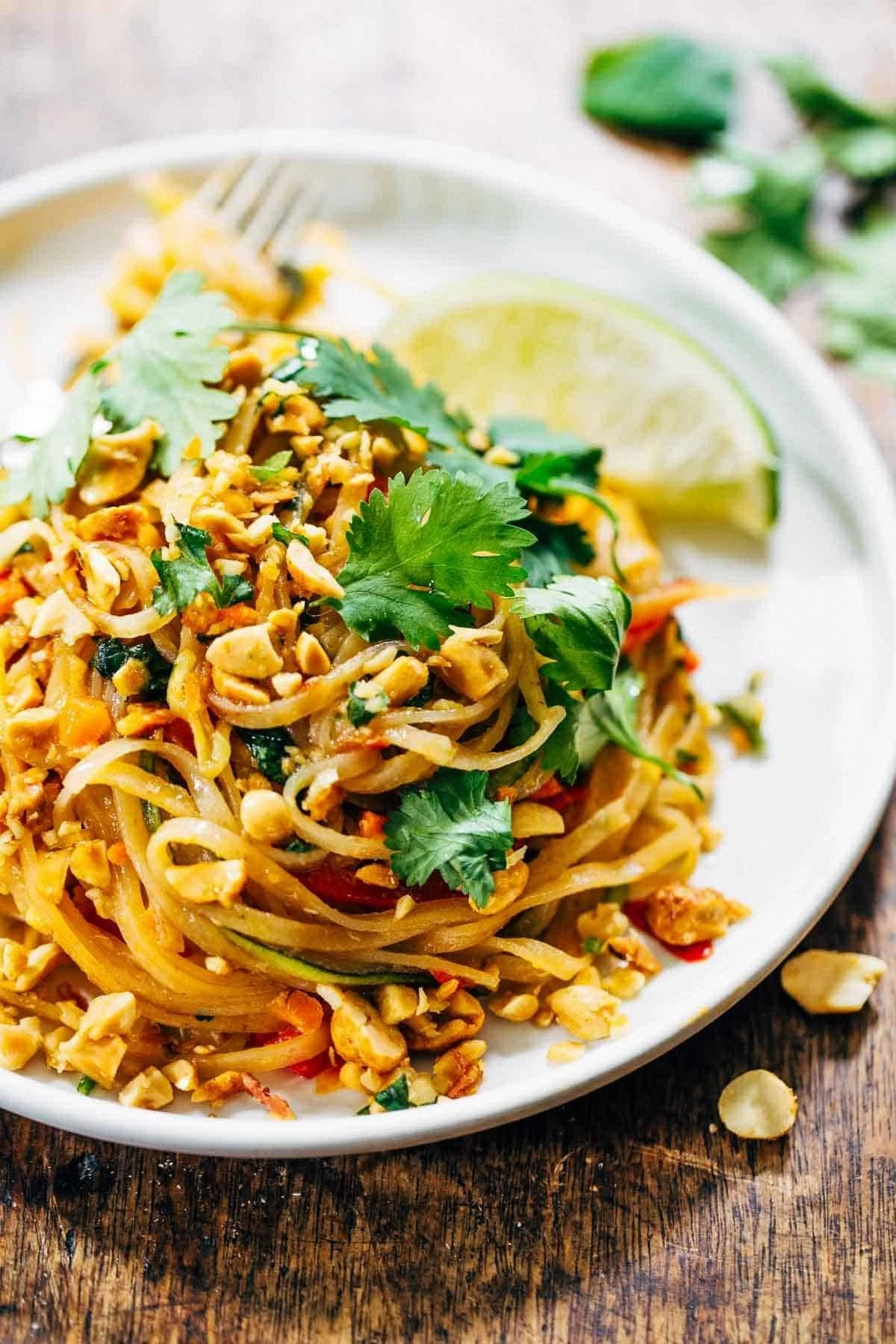
Brown rice noodles are the canvas – they’re gluten‑free, have a pleasant bite, and soak up the sauce like a sponge. The veggies—red bell pepper, zucchini, onion, and carrots—bring crunch, sweetness, and a pop of color that makes the dish look Instagram‑ready. Peanuts, toasted and chopped, add a buttery crunch that shatters like thin ice when you bite into them. If you’re allergic, swap peanuts for toasted pumpkin seeds; the texture remains, though the flavor shifts to a nuttier, earthier note.
The Unexpected Star
The egg is the secret weapon that binds everything together, giving the dish a luxurious silkiness that you wouldn’t expect from a vegetarian version. When you scramble it gently, it forms soft ribbons that weave through the noodles, creating pockets of richness. Skipping the egg turns the dish into a plain noodle stir‑fry, missing that creamy contrast. For a vegan twist, replace the egg with silken tofu, crumbling it just before the sauce hits the pan.
The Final Flourish
Fresh herbs—Thai basil and cilantro—are added at the very end, preserving their bright, peppery aroma. They act like a final brushstroke on a painting, lifting the whole dish into a fragrant crescendo. If you over‑cook the herbs, they wilt and lose their punch, making the dish feel flat. Always toss them in just before serving, and you’ll get that garden‑fresh finish that makes the palate sing.
Everything's prepped? Good. Let's get into the real action...
The Method — Step by Step
- Step 1:
Heat a large wok or deep skillet over medium‑high heat until a drop of water sizzles and evaporates instantly. Add a splash of oil—just enough to coat the bottom. When the oil shimmers, it’s ready for the aromatics. Toss in the sliced onion and let it soften for about 2 minutes, listening for that sweet, caramelizing hiss. This is the moment of truth; if the onions don’t turn translucent, your heat is too low, and the flavors won’t develop fully.
- Step 2:
Slide the beaten eggs into the wok, letting them spread like a thin golden blanket. Stir gently, allowing curds to form without scrambling them into a dry scramble. As the egg sets, it should still be slightly glossy—this glossy texture will later coat the noodles. Once the egg is just set, push it to one side of the wok.
Kitchen Hack: Use a spatula to gently fold the egg, creating ribbons rather than chunks; this yields a silkier mouthfeel. - Step 3:
Introduce the mixed vegetables—red bell pepper strips, zucchini half‑moons, carrot matchsticks—into the center of the pan. Stir‑fry for 3‑4 minutes, letting them retain a crisp bite while releasing a sweet fragrance. The veggies should be bright, not wilted; overcooking them leads to a soggy texture that defeats the purpose of the “crunch factor.” Sprinkle a pinch of salt to draw out moisture, then give everything a quick toss.
- Step 4:
Now comes the sauce: combine fish sauce, soy sauce, brown sugar, white vinegar, broth, and chili paste in a small bowl. Whisk until the sugar dissolves and the mixture looks glossy. Pour the sauce over the veggies and egg, letting it sizzle as it meets the hot pan. You’ll hear a gentle pop—this is the sauce caramelizing and clinging to the ingredients. Let it simmer for 1‑2 minutes, allowing flavors to meld.
- Step 5:
Drain the soaked brown rice noodles and add them to the wok. Toss everything together with tongs, ensuring each noodle strand is bathed in the sauce. The noodles should glide effortlessly, coating evenly without clumping. If they start to stick, splash in a tablespoon of extra broth or water; this keeps them moist and prevents burning. Cook for another 2‑3 minutes, letting the noodles absorb the sauce fully.
Watch Out: Do not over‑cook the noodles; they become mushy and lose their spring, turning the dish into a soggy mess. - Step 6:
Stir in the chopped peanuts, letting them toast lightly from the residual heat. Their aroma should become nutty and fragrant, releasing an inviting scent that fills the kitchen. This step is quick—about 30 seconds—so keep an eye on them to avoid burning. The peanuts add a crunchy contrast that erupts with each bite.
- Step 7:
Turn off the heat and fold in the fresh herbs—Thai basil leaves and cilantro. The residual warmth will wilt them just enough to release essential oils without destroying their bright flavor. This final flourish adds a burst of herbal perfume that lifts the entire dish. Give the wok one last gentle toss to distribute the herbs evenly.
- Step 8:
Serve immediately, plating the noodles in wide bowls to showcase the rainbow of colors. Garnish with an extra sprinkle of peanuts, a wedge of lime, and perhaps a drizzle of additional chili paste for those who crave heat. The moment the steam meets your face, you’ll know you’ve created something unforgettable. And now the fun part—dig in and watch everyone’s faces light up.
That's it — you did it. But hold on, I've got a few more tricks that'll take this to another level...
Insider Tricks for Flawless Results
The Temperature Rule Nobody Follows
Most home cooks think “medium heat” is a safe default, but with Pad Thai you need a hot wok that’s almost smoking. A scorching surface sears the veggies instantly, locking in their crunch and preventing them from releasing too much water. If your wok isn’t hot enough, the veggies will steam rather than fry, resulting in a soggy dish. To test, sprinkle a few drops of water; if they dance and evaporate within a second, you’re good to go. This simple temperature check can be the difference between “good” and “restaurant‑level.”
Why Your Nose Knows Best
Before you even taste, trust the scent. The sauce should emit a sweet‑savory aroma with a subtle tang from the vinegar. If you detect a raw fish sauce smell, it means the sauce hasn’t cooked enough; give it another minute. Conversely, a burnt odor signals you’ve over‑cooked the sauce, and the noodles will taste bitter. Your nose is a faster gauge than a timer, so keep it close.
The 5‑Minute Rest That Changes Everything
After plating, let the Pad Thai sit for about five minutes. This short rest allows the noodles to absorb any lingering sauce, and the flavors to meld more fully. The heat continues to cook the residual egg, creating a silky finish. Skipping this rest can leave the dish feeling disjointed, as if the components haven’t had a chance to talk to each other. So resist the urge to dive in immediately; patience rewards you with a harmonious bite.
Peanut Toasting Perfection
Toasting peanuts at the very end preserves their crunch while unlocking a deeper, roasted flavor. If you toast them too early, they’ll lose their snap and become soggy once mixed with the noodles. A quick two‑minute toast over medium heat, shaking the pan constantly, is all you need. The moment they turn golden and give off a nutty perfume, they’re ready to join the party.
Balancing Sweet and Sour Without a Scale
Even without a kitchen scale, you can achieve the perfect sweet‑sour balance by tasting as you go. Start with the base amount of brown sugar and vinegar, then add a half‑teaspoon of each until you hit that bright, tangy‑sweet spot. Remember, the sugar will mellow as it cooks, while the vinegar’s acidity sharpens. Adjusting on the fly ensures your Pad Thai never ends up overly sweet or too sharp.
Creative Twists and Variations
This recipe is a playground. Here are some of my favorite ways to switch things up:
Spicy Mango Madness
Swap the red bell pepper for ripe mango slices and crank up the chili paste. The mango adds a juicy sweetness that contrasts beautifully with the heat, turning the dish into a tropical fireworks display. Perfect for summer evenings when you want a hint of sunshine on your plate.
Smoky Mushroom Medley
Replace the zucchini with a mix of shiitake and oyster mushrooms, sautéed until they’re caramelized. The earthy, smoky notes deepen the umami profile, making the dish feel heartier—great for cooler months or when you’re craving comfort food.
Cashew‑Coconut Fusion
Use toasted cashews instead of peanuts and stir in a splash of coconut milk with the broth. The creamy coconut adds a subtle sweetness, while the cashews provide a buttery crunch. This variation nods to Thai coconut curries and works beautifully with a side of jasmine rice.
Green Goddess Pad Thai
Swap the red bell pepper for a generous handful of baby spinach and add a drizzle of pesto made from basil, garlic, and olive oil. The pesto adds a herbaceous depth that complements the traditional Thai flavors, creating a vibrant green version that’s as pretty as it is tasty.
Protein‑Packed Tofu
For a vegan boost, cube firm tofu, marinate it in soy sauce and a dash of smoked paprika, then crisp‑fry it before adding to the wok. The tofu absorbs the sauce like a sponge, delivering a satisfying bite that rivals the egg’s richness.
Storing and Bringing It Back to Life
Fridge Storage
Transfer any leftovers into an airtight container and refrigerate within two hours. The noodles will keep their texture for up to three days. When ready to eat, gently reheat in a skillet with a splash of water or broth; this restores the silkiness without making the noodles gummy.
Freezer Friendly
Portion the cooked Pad Thai into freezer‑safe bags, removing as much air as possible. It freezes well for up to two months. To thaw, place the bag in the fridge overnight, then heat in a wok with a drizzle of oil and a tablespoon of broth to revive the sauce.
Best Reheating Method
The secret to perfect reheating is steam. Add a tiny splash of water—about a tablespoon—into the pan before covering it with a lid. The steam gently re‑hydrates the noodles, while the sauce clings back to the strands. Avoid microwaving, as it makes the noodles rubbery and the peanuts lose their crunch.