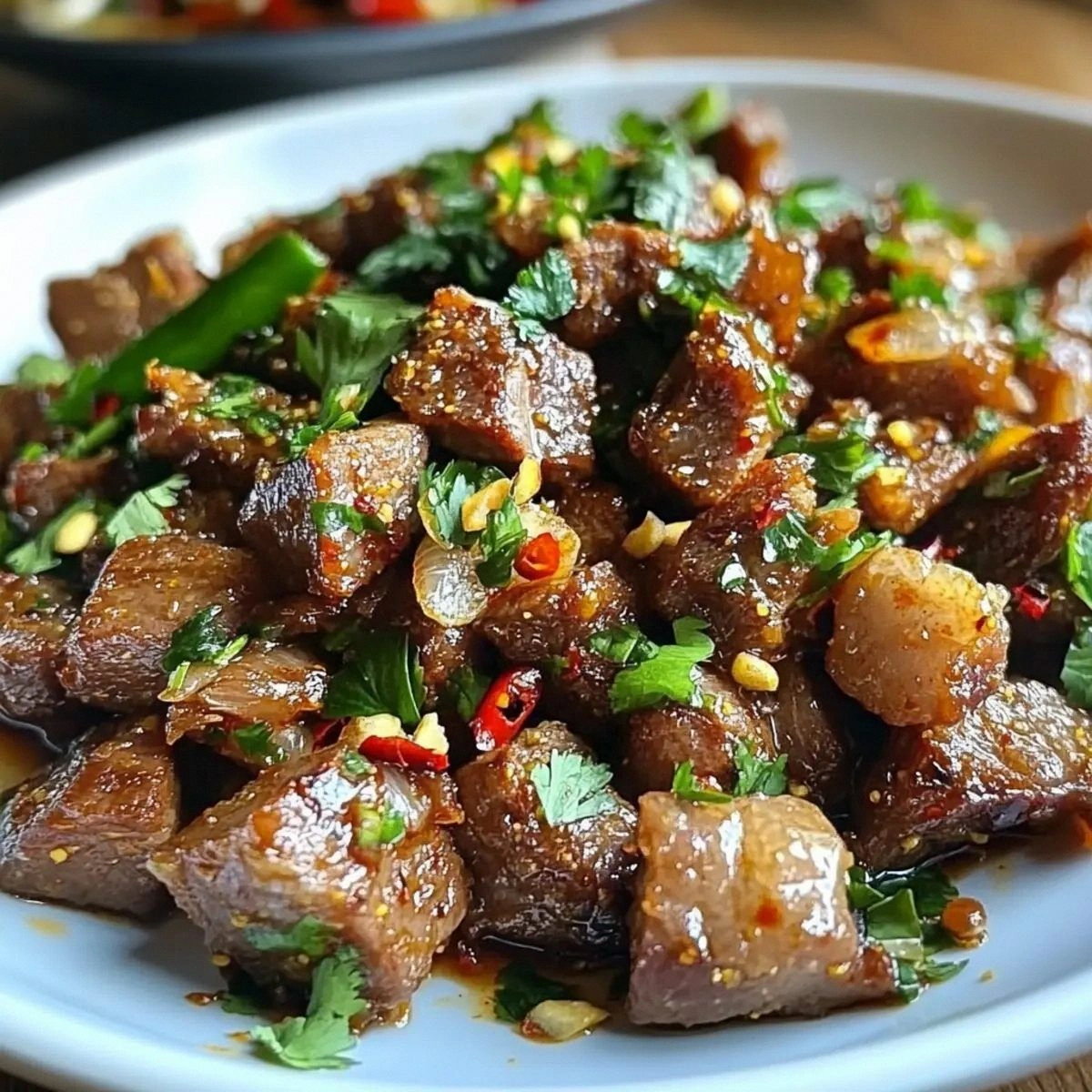
Picture this: I’m in my tiny kitchen, the kind where the countertop doubles as a makeshift dance floor when I’m waiting for the wok to heat up. A friend had dared me to recreate the legendary Xinjiang cumin lamb I once tasted on a bustling night market in Urumqi, and I thought, “Sure, why not? I’ve got a skillet and a dream.” The first attempt was a disaster—a soggy, bland mess that tasted like a lamb that had taken a nap on a rainy day. I was ready to throw in the towel, but then I remembered the smell of cumin drifting from my grandma’s spice cabinet, and I decided to give it another go. That’s when the real magic started, and trust me, I’m still buzzing from the aroma that now fills my whole apartment.
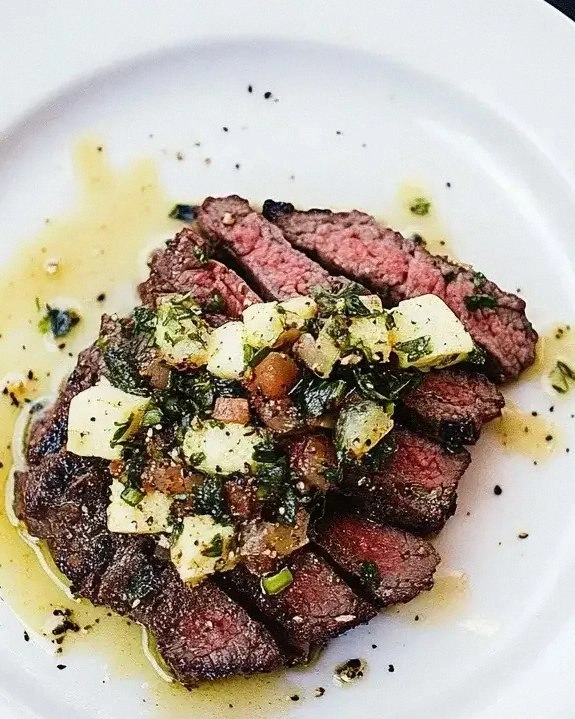
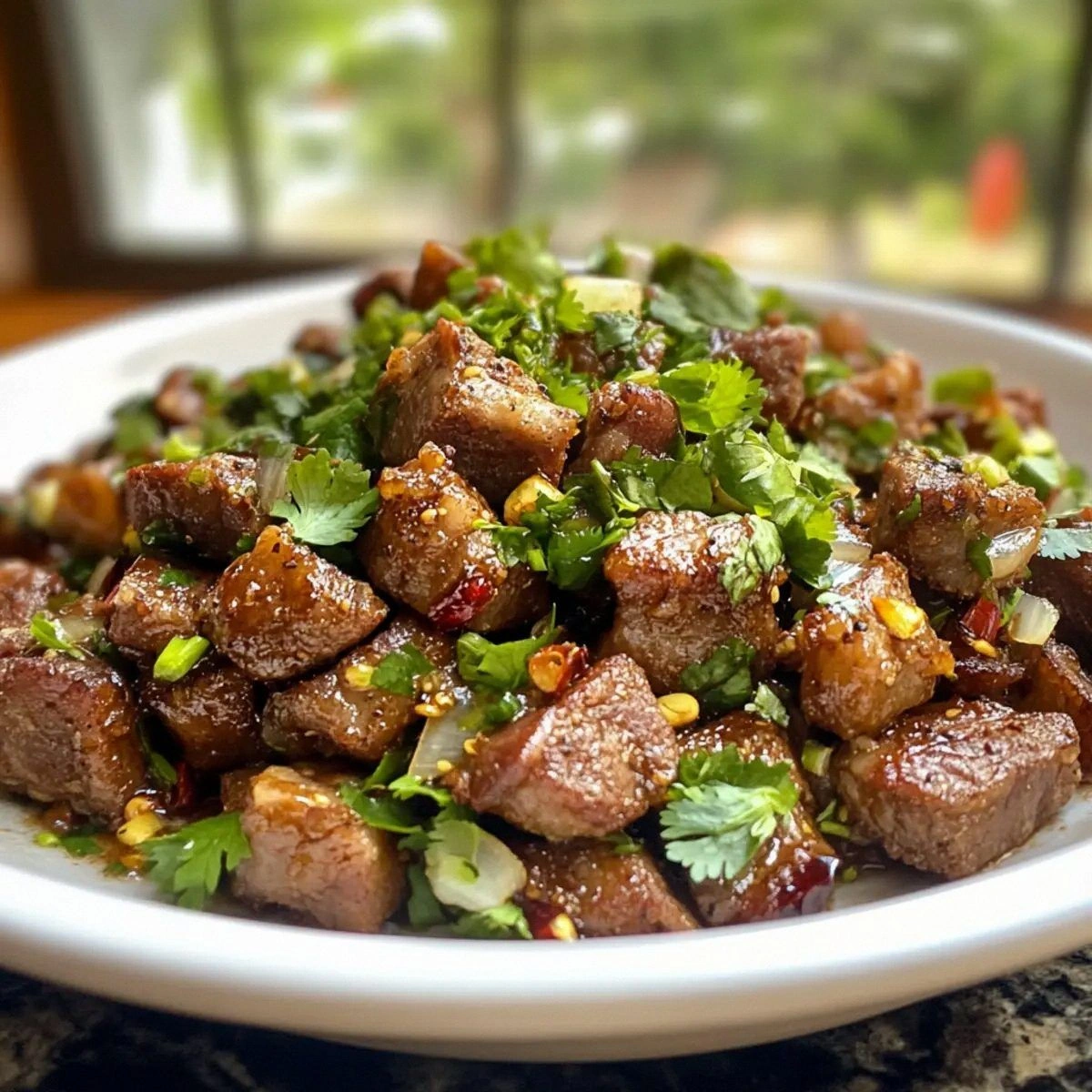
The kitchen turned into a symphony of sizzling and crackling. The moment the lamb cubes hit the scorching oil, they sang a high‑pitched sizzle that reminded me of fireworks on a clear night. The air filled with the earthy perfume of cumin, the citrusy bite of Sichuan peppercorns, and a whisper of sweet sugar that balanced the heat like a seasoned tightrope walker. My senses were on overdrive: the glossy sheen of the sauce coating each piece, the faint caramelization on the edges, the bright green cilantro that popped like confetti at a celebration. I could almost taste the smoky, spicy, and slightly sweet layers before the first bite even touched my tongue.
What makes this version stand out is the crisp‑outside, juicy‑inside texture that most recipes miss. I’ve cracked the code by coating the lamb in a light dusting of cornstarch before flash‑frying, then tossing it in a high‑heat wok with a precise blend of spices that never burns. The result? A dish that crunches under the fork yet stays melt‑in‑your‑mouth tender—think of a caramelized apple that’s still juicy at its core. Most recipes get this completely wrong, either overcooking the meat or drowning it in sauce. Here, the sauce clings just enough to deliver a flavor punch without sogginess.
And there’s a secret I’m about to spill: the addition of a splash of Shaoxing wine right after the lamb is seared. It lifts the whole flavor profile, adding a subtle depth that you’ll swear you’ve never tasted before. I dare you to taste this and not go back for seconds. Let me walk you through every single step — by the end, you’ll wonder how you ever made it any other way.
What Makes This Version Stand Out
- Flavor Explosion: The combination of cumin, Sichuan chili flakes, and peppercorns creates a layered heat that builds, peaks, and then gently fades, leaving a lingering warmth.
- Texture Triumph: A cornstarch coating gives each cube a crisp crust that shatters like thin ice, while the interior stays buttery soft.
- Simplicity Meets Sophistication: Only a handful of pantry staples are needed, yet the dish feels like a restaurant‑level masterpiece.
- Ingredient Quality: Using fresh lamb leg and high‑quality cumin powder makes a world of difference—no shortcuts here.
- Crowd Reaction: This is hands down the best version you'll ever make at home; expect applause, empty plates, and requests for the recipe.
- Make‑Ahead Potential: The lamb holds up beautifully for a few hours, making it perfect for parties or meal‑prep.
- Cooking Method Magic: Flash‑frying then quick tossing preserves juiciness while delivering that coveted crunch.
- Visual Wow Factor: The bright red chilies and green cilantro create a color palette that’s Instagram‑ready.
Inside the Ingredient List
The Flavor Base
Lamb Leg (1 lb): The star of the show. Choose a piece with a little marbling for extra juiciness. If you pick a lean cut, the meat can turn dry, so a slight fat layer is your friend. You can also swap for lamb shoulder if you prefer a richer flavor.
Soy Sauce (2 tbsp): Provides salty umami that anchors the spice blend. Dark soy adds depth, while light soy keeps the color bright. If you’re watching sodium, reduce to 1 tbsp and add a splash of fish sauce.
Shaoxing Wine (1 tbsp): The secret weapon that lifts the entire dish. It adds a subtle sweetness and helps dissolve the spices. No Shaoxing? Dry sherry works in a pinch.
Salt (1 tsp): Enhances all the flavors. Season the lamb early so the salt can penetrate the meat fibers.
The Texture Crew
Cornstarch (1/2 cup): Forms that coveted thin, crackly crust. It creates a barrier that locks in juices while allowing the exterior to crisp. If you run out, potato starch is an excellent swap.
Peanut Oil or Vegetable Oil (1/4 cup): High smoke point oil is essential for flash‑frying. Peanut oil adds a faint nutty undertone that complements cumin beautifully. Avoid olive oil; it will burn at the temperatures we need.
Toasted Sesame Seeds (2 tbsp): Sprinkle at the end for a nutty crunch and visual sparkle. They also add a subtle earthiness that ties the dish together.
The Unexpected Star
Dried Chinese Chili Peppers (5 pieces): These tiny firecrackers deliver a slow‑building heat that doesn’t overwhelm. If you like extra heat, crush them before adding; for milder, remove the seeds.
Sichuan Peppercorns (1 tsp): Not actually pepper, but a citrusy, numbing spice that creates the signature “mala” sensation. Toast them lightly to unleash their aroma.
Sichuan Chili Flakes (1 tbsp) & Cumin Powder (1 tbsp): The dynamic duo that defines Xinjiang flavor. The cumin brings earth, the chili flakes add bright heat.
The Final Flourish
Onion (1 large, diced): Adds sweetness and a slight caramelized bite. Cut it into large dice so it holds its shape during the quick stir‑fry.
Ginger (1 tbsp, minced) & Garlic (3 cloves, sliced): Classic aromatics that provide zing and depth. Mince the ginger finely for even distribution.
Cilantro (1 cup, chopped): Fresh, herbaceous finish that brightens the dish. Add at the very end to keep its vibrant color and flavor.
Everything's prepped? Good. Let's get into the real action...
The Method — Step by Step
-
Start by marinating the lamb. In a large bowl combine the 1 lb of cubed lamb with 2 tbsp soy sauce, 1 tbsp Shaoxing wine, and 1 tsp salt. Toss until every piece is evenly coated, then let it sit for 15 minutes. This short rest allows the meat to absorb the salty‑sweet umami, which is the foundation for the flavor explosion later. While it marinates, preheat a heavy‑bottomed wok or large skillet over medium‑high heat.
Kitchen Hack: Use a zip‑top bag for the marination; you can massage the sauce into the meat without making a mess. -
While the lamb soaks, prepare the cornstarch coating. In a shallow dish, spread out the 1/2 cup cornstarch. Remove each lamb cube from the marinade (reserve the liquid) and roll it lightly in the cornstarch, shaking off any excess. The dusting should be just enough to create a whisper‑thin veil—too much and you’ll end up with a floury coating.
-
Heat the oil. Add 1/4 cup peanut (or vegetable) oil to the hot wok; it should shimmer and just begin to ripple. Carefully add a single layer of coated lamb cubes—do not overcrowd, or the temperature will drop and the crust will steam instead of crisp. You’ll hear a satisfying sizzle that tells you you’re on the right track. Fry for about 2 minutes per side, or until the exterior turns a deep golden‑brown and feels firm to the touch.
Watch Out: If the oil starts to smoke, reduce the heat immediately; burnt oil will ruin the delicate spice aroma. -
Remove the crisped lamb onto a paper‑towel‑lined plate to drain excess oil. Keep the wok hot; we’ll use the same pan to build the sauce, which means all those browned bits (fond) stay locked in for maximum flavor.
-
Now, the aromatics. Add a splash of oil if the pan looks dry, then toss in the diced onion, minced ginger, and sliced garlic. Stir‑fry for about 30 seconds until the onion becomes translucent and the garlic releases its fragrant perfume. You’ll notice the kitchen filling with a sweet‑spicy perfume that makes you want to inhale deeply.
-
Time for the spice brigade. Sprinkle in 1 tbsp cumin powder, 1 tbsp Sichuan chili flakes, 1 tsp Sichuan peppercorns, and the 5 dried Chinese chili peppers (whole or lightly crushed). Stir quickly—this is the moment of truth. The spices should toast for just 15 seconds, releasing a heady aroma that dances on the edge of the pan. Be vigilant; over‑toasting will turn them bitter.
Kitchen Hack: Grind Sichuan peppercorns in a mortar for a finer texture that distributes more evenly. -
Deglaze with the reserved marinade (the leftover soy‑wine‑salt mixture). Pour it in, scraping the bottom of the wok to lift the caramelized bits. Let the liquid bubble and reduce for about 1 minute; it should thicken slightly, coating the aromatics like a glossy veil.
-
Re‑introduce the crispy lamb cubes to the wok. Toss everything together so each piece gets a generous coating of the spiced sauce. Add 1 tbsp sugar at this stage; it balances the heat and deepens the color. Cook for another 2 minutes, allowing the sauce to cling and the edges of the lamb to pull away just enough to reveal that coveted crunch.
-
Finish with the fresh touches. Sprinkle the chopped cilantro and toasted sesame seeds over the top, giving the dish a burst of green and a nutty finish. Give it one last gentle toss, then slide the sizzling lamb onto a serving platter. That sizzle when it hits the plate? Absolute perfection.
That’s it — you did it. But hold on, I’ve got a few more tricks that'll take this to another level...
Insider Tricks for Flawless Results
The Temperature Rule Nobody Follows
Never let the oil drop below 350°F (175°C) once you start frying. If the temperature dips, the coating will absorb oil like a sponge, resulting in soggy lamb. Use a kitchen thermometer or the “drop of water” test—if a drop sizzles instantly, you’re good to go. A friend once tried to fry at medium heat; the result was a limp, greasy mess that even the strongest palate couldn’t rescue.
Why Your Nose Knows Best
The moment the cumin and peppercorns hit the pan, your nose will tell you when they’re perfectly toasted. If you smell a faint nutty aroma and a slight hint of bitterness, you’ve hit the sweet spot. Over‑toasting turns those warm notes into a burnt, acrid scent that no amount of seasoning can fix. Trust that nose—it's the most reliable gauge.
The 5‑Minute Rest That Changes Everything
After the final toss, let the lamb rest for exactly five minutes before serving. This brief pause lets the juices redistribute, ensuring every bite remains juicy. It also allows the sauce to settle, giving each cube a glossy finish. Skipping this step is a common rookie mistake that leads to dry, uneven bites.
Oil Choice Matters
Peanut oil isn’t just for its high smoke point; its subtle nutty undertone amplifies the cumin’s earthiness. If you’re allergic, a refined avocado oil works just as well. Avoid extra‑virgin olive oil—its low smoke point and strong flavor clash with the spices.
Salt Timing Is Key
Season the lamb early in the marination, but hold back a pinch of salt for the final sauce. This layered salting prevents the dish from becoming overly salty while still enhancing each component.
Creative Twists and Variations
This recipe is a playground. Here are some of my favorite ways to switch things up:
Spicy Sichuan Chili Oil Drizzle
After plating, drizzle a spoonful of homemade Sichuan chili oil for an extra punch of heat and a glossy finish. The oil’s sesame undertones complement the toasted sesame seeds already in the dish.
Garlic‑Lemon Zest Finish
Add a teaspoon of finely grated lemon zest and an extra clove of minced garlic right before serving. The citrus brightens the heavy spices, making it perfect for a summer barbecue.
Vegetarian “Lamb” Substitute
Swap the lamb for firm tofu cubes or seitan strips. Follow the same coating and fry steps; the texture changes, but the spice profile remains authentic.
Sweet‑And‑Savory Twist
Mix in a tablespoon of honey or pomegranate molasses during the sauce reduction. The subtle sweetness deepens the caramelization and pairs beautifully with the cumin.
Herb‑Infused Variation
Replace cilantro with fresh mint or Thai basil for an unexpected aromatic lift. This works especially well if you serve the dish with a side of jasmine rice.
Nutty Crunch Upgrade
Toast a handful of crushed peanuts or cashews alongside the sesame seeds. The added crunch adds texture contrast that makes each bite more exciting.
Storing and Bringing It Back to Life
Fridge Storage
Transfer the cooled lamb to an airtight container and store it in the refrigerator for up to 3 days. The crust may soften slightly, but reheating will revive it.
Freezer Friendly
Portion the cooked lamb into freezer‑safe bags, removing as much air as possible. Freeze for up to 2 months. Thaw overnight in the fridge before reheating.
Best Reheating Method
Heat a splash of oil in a wok over medium‑high heat, add the frozen or refrigerated lamb, and stir‑fry for 3‑4 minutes. Add a tiny splash of water (about 1 tbsp) before the final toss; the steam will bring back that juicy interior while the oil restores the crisp crust.