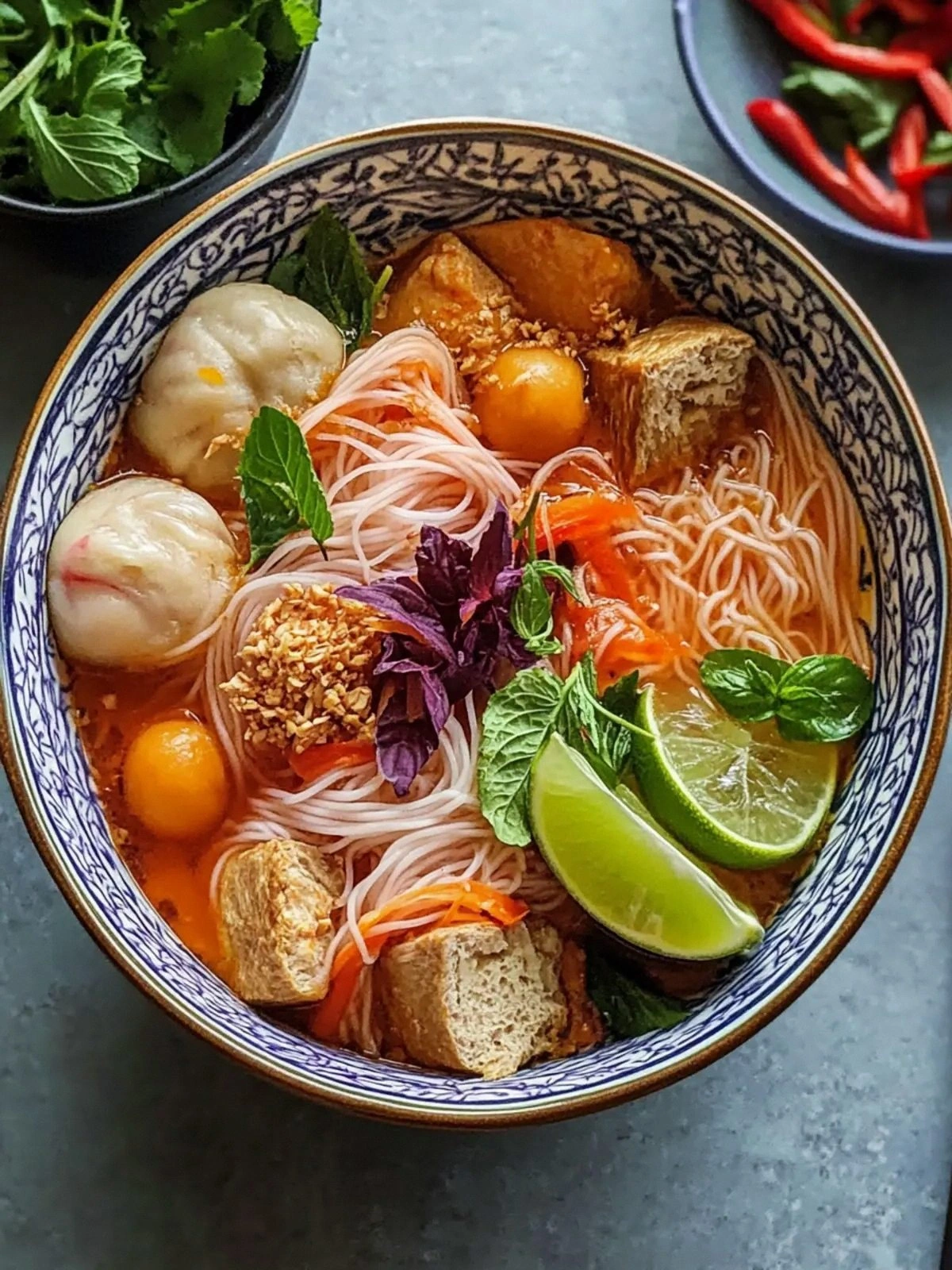
I was halfway through a bland weeknight dinner when my phone buzzed with a frantic text from a friend: “I’m stuck in the grocery store, and I need a killer tofu dish that’s actually worth eating.” I stared at the aisles, the tofu section glaring back like a silent challenge. I grabbed a block of firm tofu, a lime, a handful of sesame seeds, and the rest of the pantry’s quiet arsenal. By the time I returned to my kitchen, I had a sizzling, fragrant, and downright addictive dish that made the tofu sing. That moment of culinary triumph is the spark that fired this recipe into existence.
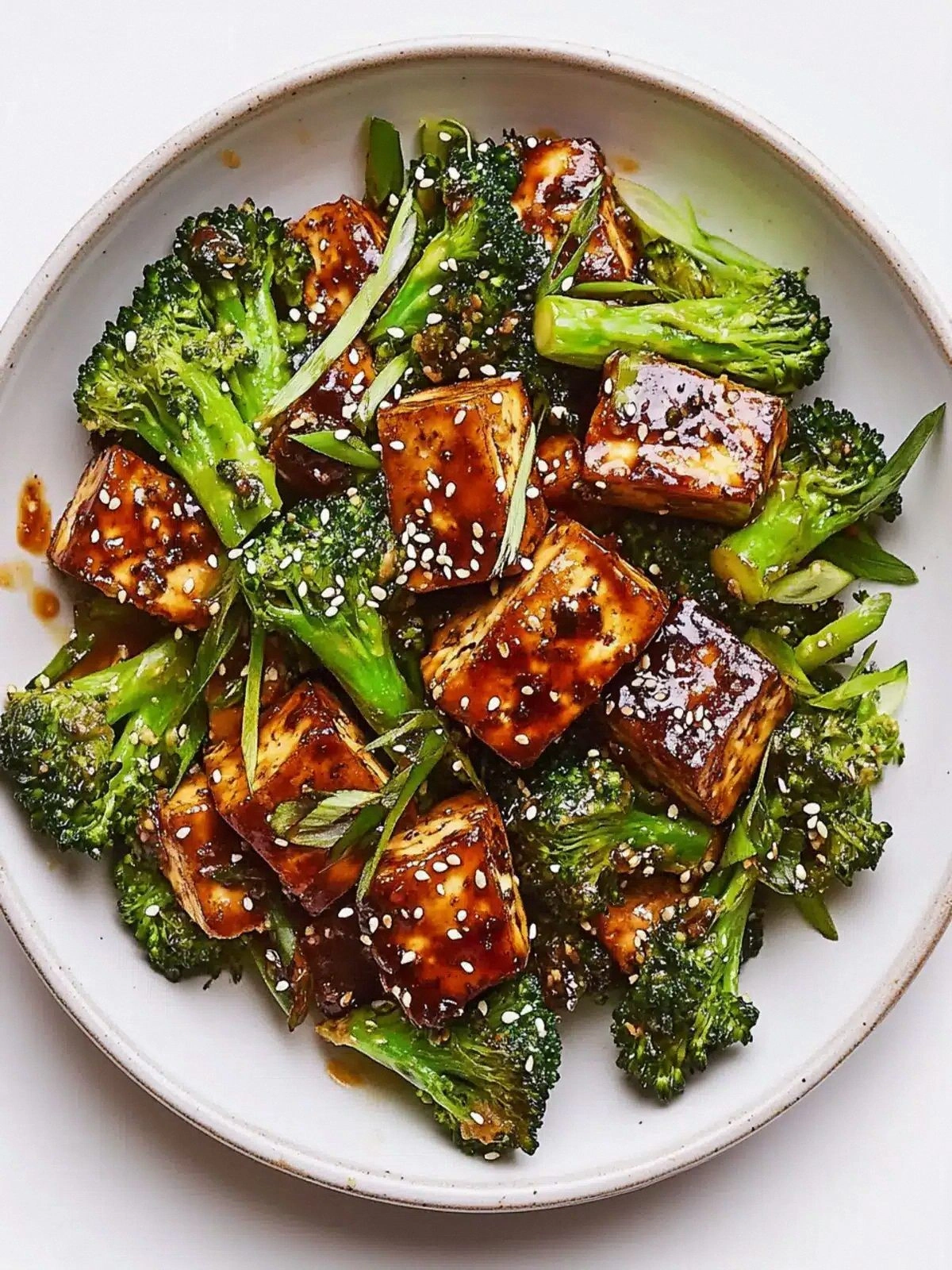
Picture this: the tofu cubes are pressed, patted, and coated in a glossy coating of tapioca starch, then pan‑fried until the edges are crisp enough to crackle like thin ice. The sauce—tamari, maple syrup, lime juice, and a whisper of ginger—seals in the moisture, coating each bite like velvet. The broccoli florets are tossed in the same pan, absorbing the umami glaze, their bright green color a visual punch that makes your eyes widen. The sesame oil finishes the dish with a nutty aroma that lingers long after the last forkful.
Why does this version stand out from every other tofu recipe on the internet? Because it balances the crunch, the chew, and the sauce in a way that feels effortless yet spectacular. The tofu’s exterior is a buttery crisp that gives way to a tender, buttery interior. The sauce isn’t sweet; it’s a savory, slightly tangy, umami‑rich coating that glistens. The broccoli isn’t just a side; it’s a textural partner that carries the sauce and adds a subtle bitterness that cuts through the richness. And the sesame seeds? They add a crunchy, nutty finish that feels like a secret layer of flavor. I dare you to taste this and not go back for seconds.
Most tofu recipes get this completely wrong. They either over‑cook the tofu until it’s dry, under‑season the sauce until it’s bland, or forget the sesame oil that ties everything together. Here, we get each element right, and the result is a dish that’s hands down the best version you’ll ever make at home. Picture yourself pulling this out of the pan, the whole kitchen smelling incredible, and knowing that you’ve just created a masterpiece that will have friends asking for your secret. Let me walk you through every single step — by the end, you’ll wonder how you ever made it any other way.
What Makes This Version Stand Out
- Texture: The tofu’s exterior is a buttery crisp that gives way to a tender, juicy interior. It’s a textural dance that keeps each bite exciting.
- Flavor Balance: Sweet, salty, umami, and a hint of citrus mingle to create a sauce that coats without overpowering.
- Simplicity: With only twelve ingredients and a handful of steps, this recipe is a breeze for beginners and a joy for seasoned cooks.
- Ingredient Quality: Using tamari instead of soy sauce adds depth, and fresh ginger gives a bright kick that elevates the dish.
- Make‑ahead Friendly: The sauce can be pre‑made, and the tofu can be fried ahead of time, making this a perfect weeknight win.
- Versatility: Swap the broccoli for bok choy, snap peas, or even roasted cauliflower to keep the dish fresh.
- Visual Appeal: The glossy glaze and bright green florets create a plate that’s as stunning as it is delicious.
- Health Conscious: High in plant protein, low in carbs, and packed with micronutrients from the veggies.
Alright, let's break down exactly what goes into this masterpiece…
Inside the Ingredient List
The Flavor Base
Tamari sauce is the unsung hero here. Unlike regular soy sauce, tamari is thicker and less salty, which gives the sauce a richer umami depth. If you can’t find tamari, a good-quality soy sauce will do, but you’ll need to reduce the amount slightly to avoid overpowering saltiness. This base is what turns ordinary tofu into a savory delight.
The Texture Crew
The tofu itself is the star, but the two separate amounts of tapioca or cornstarch are critical. The first tablespoon coats the tofu before frying, creating a crispy shell; the second tablespoon thickens the sauce, giving it that glossy, clingy quality that makes every bite stick to your tongue. Skipping either one results in a flat, unmemorable texture.
The Unexpected Star
Lime juice (or apple cider vinegar) adds a bright, acidic counterpoint to the sweetness of maple syrup. This acidity prevents the sauce from becoming cloying and keeps the overall flavor bright. If you’re allergic to citrus, a splash of rice vinegar works, but the flavor profile will shift slightly toward a more fermented note.
The Final Flourish
Sesame oil and toasted sesame seeds are the finishing touches that elevate the dish from good to unforgettable. Toasted sesame seeds add a nutty crunch that contrasts the silky sauce, while sesame oil imparts a warm, earthy aroma that lingers. If you’re vegan, a splash of toasted hemp seed oil can mimic the nutty depth.
Everything's prepped? Good. Let's get into the real action…
The Method — Step by Step
- Press the tofu: Wrap the block in a clean towel and place a heavy skillet on top for at least 30 minutes. This step is non-negotiable; it removes surface moisture that would otherwise prevent the coating from sticking. When the tofu feels firm to the touch, cut it into 1‑inch cubes, making sure each piece is evenly sized to ensure uniform cooking.
- Coat the cubes: In a shallow dish, combine 2 tablespoons of tapioca or cornstarch with a pinch of red pepper flakes. Toss the tofu cubes until every surface is dusted. Shake off excess; this thin coating will crisp up beautifully.
- Heat the pan: Add 2 tablespoons of toasted sesame oil to a large skillet over medium‑high heat. Let the oil heat until it shimmers but not smoke. This ensures the tofu gets a quick sear without absorbing too much oil.
- Fry the tofu: Place the coated cubes in a single layer, avoiding overcrowding. Sear each side for 2–3 minutes, or until a golden‑brown crust forms. The goal is a buttery crunch that cracks when you press it with a spoon. Once done, transfer the tofu to a plate lined with paper towels to drain excess oil.
- Prepare the sauce: In a bowl, whisk together 3 tablespoons tamari, 2 tablespoons maple syrup, 2 tablespoons apple cider vinegar (or lime juice), 2 cloves grated garlic, 2 teaspoons fresh ginger, 6 tablespoons water, 2 teaspoons tapioca or cornstarch, and a pinch of red pepper flakes. This slurry will thicken the sauce and lock in the flavors.
- Sauté the broccoli: In the same skillet, add the broccoli florets and a splash of water to create steam. Cook for 4–5 minutes, stirring frequently, until the broccoli turns a vibrant green and starts to soften but still retains a slight crunch.
- Combine tofu and sauce: Return the tofu to the skillet, pour the sauce over the top, and stir gently to coat every piece. Reduce the heat to medium and let it simmer for 3–4 minutes, allowing the sauce to thicken and the tofu to absorb the savory glaze.
- Finish with sesame: Sprinkle 2 tablespoons of toasted sesame seeds over the dish and give it one final gentle toss. The seeds add a satisfying crunch and a nutty aroma that elevates the entire plate.
- Serve: Plate the tofu and broccoli, drizzle a few extra drops of sesame oil for shine, and garnish with a wedge of lime on the side. Serve immediately while the sauce is still glossy and the tofu is still crisp.
That's it — you did it. But hold on, I've got a few more tricks that'll take this to another level…
Insider Tricks for Flawless Results
The Temperature Rule Nobody Follows
Many cooks think “high heat” is the key to crispy tofu, but the real trick is to let the pan reach just the right temperature. Aim for a medium‑high heat that produces a gentle sizzle. If the pan is too hot, the coating will burn before the tofu cooks through; if it’s too cool, the tofu will steam instead of crisp.
Why Your Nose Knows Best
Before you add the sauce, give the pan a sniff. A faint nutty aroma from the sesame oil should dominate. If you detect a raw, metallic smell, it means the oil has gone cold and the tofu will not develop the desired crunch. Adjust the heat, and the scent will shift to a warm, toasted note.
The 5‑Minute Rest That Changes Everything
After frying, let the tofu rest on a paper‑towel‑lined plate for 5 minutes. This step allows the steam to escape and the surface to dry, preventing the coating from becoming soggy when you add the sauce.
Use Fresh Ginger, Not Powder
Fresh ginger offers a bright, sharp flavor that powder cannot replicate. If you only have ginger powder, use half the amount and add a splash of water to rehydrate; the texture will differ, but the flavor will still shine.
Double‑Check the Sauce Consistency
If the sauce looks too runny, whisk in a teaspoon of cornstarch mixed with a tablespoon of water until it thickens. If it’s too thick, add a tablespoon of water. A glossy, clingy sauce is the hallmark of this dish.
Creative Twists and Variations
This recipe is a playground. Here are some of my favorite ways to switch things up:
Asian Noodle Fusion
Serve the tofu and broccoli over a bed of sautéed rice noodles tossed in a splash of soy sauce and sesame oil. The noodles soak up the glaze, turning each bite into a chewy, flavorful experience.
Spicy Peanut Crunch
Stir in a tablespoon of creamy peanut butter and a dash of sriracha to the sauce. The peanut butter adds a creamy depth, while the sriracha gives a fiery finish that pairs perfectly with the sesame seeds.
Roasted Cauliflower Swap
Replace broccoli with roasted cauliflower florets. The caramelized edges add a sweet, nutty flavor that complements the savory tofu and brightens the dish.
Herb‑Infused Variation
Add a handful of fresh cilantro or basil to the sauce just before serving. The herbs introduce a fresh, aromatic layer that lifts the dish’s overall brightness.
Sweet & Smoky Twist
Incorporate a teaspoon of smoked paprika into the sauce and finish with a drizzle of honey instead of maple syrup. The smoky heat and honey’s caramel notes create a complex flavor profile.
Low‑Carb Edition
Omit the tapioca in the sauce and use a thickener like xanthan gum instead. Keep the tofu coated in just sesame oil, and you’ll have a low‑carb, keto‑friendly version that still delivers on taste.
Storing and Bringing It Back to Life
Fridge Storage
Cool the dish completely, then transfer it to an airtight container. Store in the refrigerator for up to 3 days. The tofu will remain moist, and the sauce will thicken slightly, making it even more flavorful.
Freezer Friendly
For longer storage, freeze the tofu and broccoli separately. Wrap the tofu in parchment paper and place it in a freezer bag. The broccoli can be blanched first to preserve color. Store for up to 2 months.
Best Reheating Method
Reheat on the stovetop over medium heat, adding a splash of water or broth to restore moisture. A tiny splash of water before reheating steams the tofu back to perfection without making it soggy. Finish with a drizzle of sesame oil for that fresh aroma.