Picture this: I’m standing in my tiny kitchen, staring at a pot of steaming rice and a handful of dried shiitake mushrooms that have been sitting on my counter for what feels like an eternity. A friend had just bragged about a restaurant’s takikomi gohan that had “tasted like a hug from the inside,” and I was determined to beat that claim. So I grabbed my trusty rice cooker, a splash of sake, a whisper of mirin, and a handful of ingredients that would turn a plain bowl of rice into a savory masterpiece. The moment the aroma hit my nose, I knew I’d stumbled upon something extraordinary.
I’m not one to shy away from kitchen experiments, but this dish felt like a safe bet. I’ve spent years juggling sauces, seasonings, and textures, and this recipe is the culmination of those lessons. The rice absorbs the broth so deeply that every grain is a burst of umami, while the chicken adds a succulent protein punch. The dried mushrooms and kombu create a depth of flavor that would make even a seasoned sushi chef nod in approval. I dared you to taste this and not go back for seconds, and I’m telling you, I ate half the batch before anyone else got a chance.
What sets this version apart is the deliberate layering of flavors and the use of ingredients that are both humble and transformative. The kombu’s subtle seaweed note is balanced by the sweet-kinda-salty soy sauce, the bright zing of fresh ginger, and the buttery texture of aburaage. I’ll be honest—when I first tried it, the rice was too dry, but once I added a splash of dashi and let it steam, it turned into a cloud of fragrant, tender grains. Most recipes get this completely wrong by over‑cooking the rice or under‑seasoning the broth. Here’s what actually works: a careful simmer, a low heat finish, and a generous sprinkle of green onions for that final pop of freshness.
By the end of this post, you’ll have the confidence to recreate a dish that feels like a warm hug, with a flavor profile that’s both comforting and sophisticated. Let me walk you through every single step—by the end, you'll wonder how you ever made it any other way.
What Makes This Version Stand Out
- Umami Depth: The combination of dried shiitake, kombu, and dashi creates a broth that’s richer than any pre‑made seasoning mix. Each grain of rice soaks up this savory liquid, making the dish feel indulgent without being heavy.
- Texture Contrast: The chewy, slightly crunchy aburaage contrasts beautifully with the tender chicken and the soft rice. That contrast keeps every bite interesting, like a dance between textures.
- Minimalist Simplicity: Despite the complex flavor profile, the recipe requires only a handful of ingredients. No fancy gadgets, no hard-to-find pantry staples—just good, honest ingredients.
- Time‑Efficient: The entire process takes less than an hour, making it an ideal weeknight dinner that still feels special.
- Make‑Ahead Friendly: The dish keeps well in the fridge for up to two days, and the flavors actually deepen when reheated.
- Kid‑Friendly: The mild seasoning and tender proteins make this a hit with even the pickiest eaters.
- Versatile Base: Use it as a side dish, a main course with added protein, or a hearty soup by adding extra broth.
- Authentic Yet Modern: It honors traditional Japanese techniques while incorporating a modern touch—think a sprinkle of fresh ginger for a bright kick.
Alright, let's break down exactly what goes into this masterpiece...
Inside the Ingredient List
The Flavor Base
The broth is the heart of this dish. Dried shiitake mushrooms bring a deep, earthy umami that’s far richer than fresh ones when rehydrated. Kombu, the seaweed staple, adds a subtle oceanic note that balances the sweetness of mirin. A pinch of dashi granules gives an instant depth that would otherwise require a laborious homemade stock. If you’re craving a lower sodium version, simply reduce the soy sauce by a quarter and double the dashi, or use a low‑sodium soy sauce.
The Protein & Texture Crew
Boneless chicken thigh, skin on, is chosen for its natural juiciness and ability to hold up during the simmering process. The skin adds a subtle crispness once the dish is finished, and the fat renders into the broth, giving it a silky mouthfeel. If you’re vegetarian, swap the chicken for firm tofu cubes or seared tempeh, and add a splash of soy sauce to keep the flavors intact.
The Unexpected Star
Aburaage, those fried tofu pouches, might look odd at first glance, but they’re a secret weapon for texture. Their crisp exterior gives a satisfying bite, while their inside remains tender and absorbs the broth. If you can’t find aburaage, thinly sliced tempeh or even thinly sliced pork belly work as good stand‑ins.
The Final Flourish
Fresh ginger and carrot add a bright, slightly sweet contrast that cuts through the richness of the broth. The ginger’s subtle heat keeps the dish from feeling too heavy, while the carrot’s natural sweetness balances the saltiness of the soy sauce. Finely chopped green onions finish the dish with a fresh, oniony aroma that lifts the entire flavor profile. If you’re a fan of scallions, use them as a garnish for an extra layer of crunch.
Everything's prepped? Good. Let's get into the real action...
The Method — Step by Step
- Rinse and Soak the Rice: Place the 300 g of Japanese rice in a fine‑mesh sieve and rinse under cold water until the water runs clear. This removes excess starch and prevents clumping. Once rinsed, transfer the rice to a bowl and cover with 300 ml of cold water. Let it soak for 30 minutes; the grains will swell and absorb moisture, setting the stage for fluffy rice.
- Prepare the Broth: In a small saucepan, combine the 3 g of dried kelp with 500 ml of water. Bring to a gentle simmer, then remove the kombu just before the water reaches a full boil to avoid a bitter taste. In a separate bowl, soak the 2 dried shiitake mushrooms in warm water for 15 minutes until soft, then chop them into bite‑sized pieces. This quick soak releases their umami essence without the need for a long simmer.
- Sear the Chicken: Heat a large, heavy‑bottomed pot over medium heat and add ½ tsp of cooking oil. Once the oil shimmers, add the boneless chicken thigh, skin side down. Sear until the skin turns golden brown and crisp, about 3–4 minutes. Flip the chicken and sear the other side until it’s evenly browned. This caramelization locks in juices and adds a savory crust.
- Build the Flavor: Add the chopped shiitake, the soaked kombu (discard the soaking liquid), ½ piece of carrot (julienned), ½ thumb of ginger (julienned), and 3 small sheets of fried tofu pouch to the pot. Pour in the 300 ml of cold water you used for soaking the rice. Bring the mixture to a gentle simmer, then add 3 tbsp of Japanese soy sauce, 2 tbsp of mirin, 2 tbsp of sake, and ¼ tsp of dashi granules. Stir until the dashi dissolves fully. The broth should smell toasty and fragrant—like a warm hug from the inside.
- Watch Out: Don’t Over‑Simmer: Once the broth reaches a simmer, reduce the heat to low and let it bubble gently for 8 minutes. The key is to let the flavors meld without boiling the broth to a hard, watery state. If the liquid evaporates too quickly, add a splash of water to keep the broth from drying out. The trickiest part is balancing the saltiness of the soy sauce with the sweetness of the mirin; taste as you go.
- Add the Rice: Drain the shiitake and kombu, discarding them, and pour the soaked rice into the pot. Stir gently to coat each grain with the broth. The rice should look glossy and slightly translucent.
- Cook Over Low Heat: Cover the pot with a tight‑fitting lid and let the rice simmer over low heat for 15 minutes. After 15 minutes, turn off the heat, leave the lid on, and let the rice steam for an additional 10 minutes. This resting period allows the grains to finish absorbing moisture and develop a tender texture.
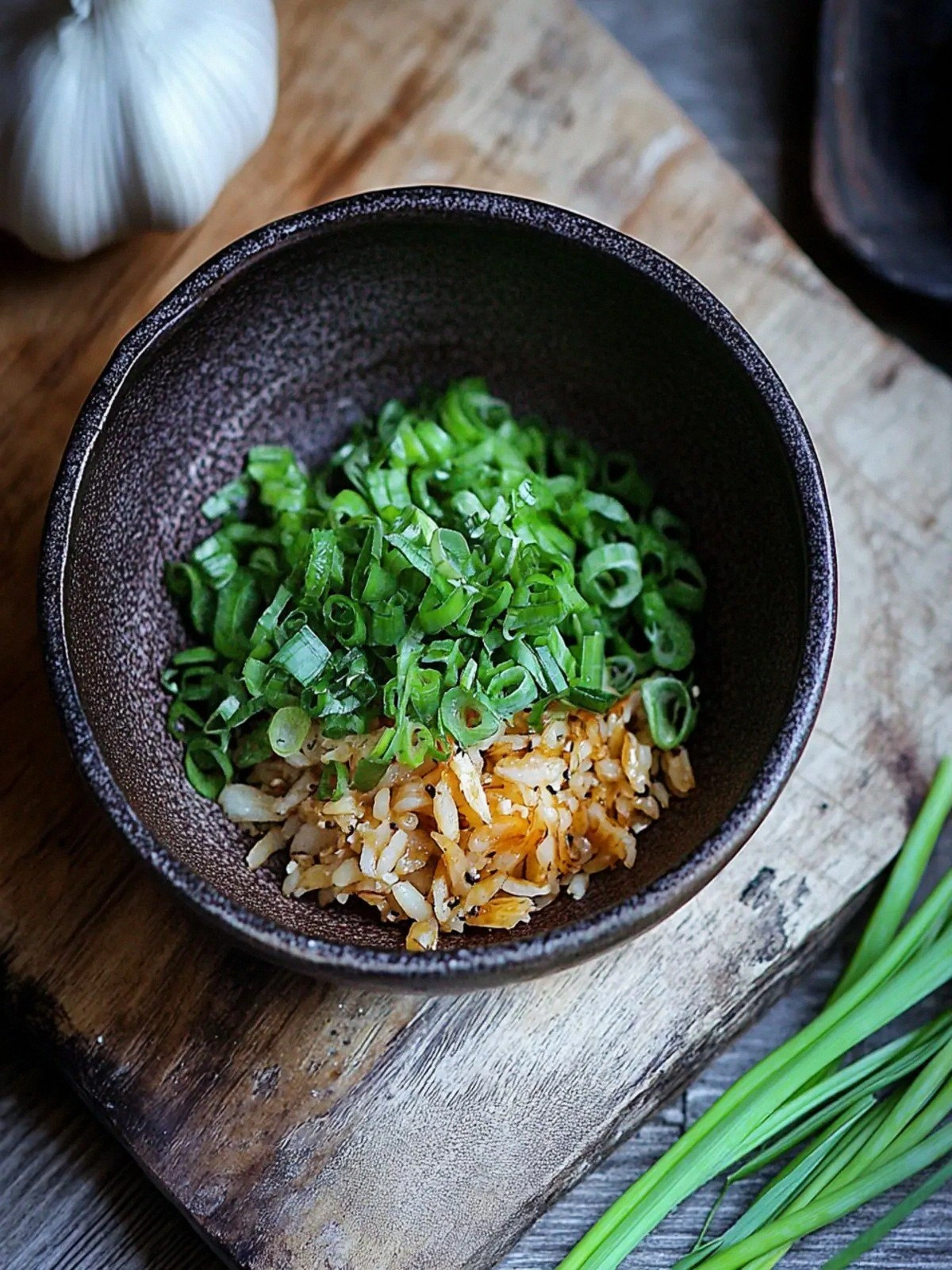
- Finish and Garnish: Fluff the rice with a fork to separate the grains, then sprinkle finely chopped green onions over the top. The onions add a fresh, crisp contrast to the rich broth. Serve hot, straight from the pot, and watch your guests’ eyes widen in delight.
- Serve with Confidence: This dish pairs wonderfully with a side of pickled daikon or a simple cucumber salad. For a complete meal, add a boiled egg or a slice of grilled fish on the side. The flavors mingle beautifully, creating a harmonious dining experience.
- Optional Garnish Hack: For a pop of color, scatter a few shreds of nori or a drizzle of toasted sesame oil over the finished rice. This adds a subtle nutty aroma that elevates the dish to the next level.
That’s it—you did it. But hold on, I've got a few more tricks that'll take this to another level. Stay tuned for insider tips and creative variations that will keep your takikomi gohan exciting for weeks.
Insider Tricks for Flawless Results
The Temperature Rule Nobody Follows
Many cooks instinctively turn up the heat after adding the rice, hoping for a faster cook. In reality, low and steady is the secret. A gentle simmer keeps the broth from boiling over and ensures the rice cooks evenly. I once tried a high‑heat approach and ended up with a mushy mess that tasted like a rice pudding.
Why Your Nose Knows Best
The aroma of simmering soy sauce and mirin is your best indicator of flavor balance. If the broth smells too salty, add a splash of water or a pinch of sugar. If it’s too sweet, a splash of vinegar can cut the sweetness just enough.
The 5‑Minute Rest That Changes Everything
After turning off the heat, don’t lift the lid right away. Let the rice rest for 5 minutes; this allows the steam to finish cooking the grains, resulting in a fluffier texture. I’ve found that a quick 5‑minute rest can transform an otherwise dry pot into a cloud of rice.
The Aburaage Trick
If your aburaage is too soft, press it gently between two sheets of parchment paper and pat dry before adding to the pot. This removes excess moisture and keeps the tofu from becoming soggy.
The Dashi Decoy
If you’re short on dashi, a small pinch of bonito flakes can substitute. Just steep them in the broth for a minute, then strain. This gives the dish an extra layer of umami without the need for a stock cube.
The Green Onion Finale
Adding green onions at the very end preserves their bright, fresh flavor. If you prefer a more mellow taste, chop them finely so they release their aroma quickly. Either way, they add a finishing touch that feels like a secret handshake between the chef and the dish.
Creative Twists and Variations
This recipe is a playground. Here are some of my favorite ways to switch things up:
The Mushroom Medley
Swap the shiitake for a mix of dried porcini, dried enoki, and a splash of mushroom stock. The result is a deeper, earthier broth that feels like a forest floor.
The Seafood Splash
Add a handful of fresh shrimp or a few slices of salmon to the pot during the last 5 minutes of cooking. The seafood infuses the rice with a delicate ocean flavor that pairs beautifully with the umami broth.
The Vegan Victory
Omit the chicken and replace it with marinated seitan or tempeh. Keep the soy sauce and dashi, and the dish will still deliver a satisfying protein punch.
The Spicy Kick
Stir in a tablespoon of chili paste or a handful of sliced fresh chili during step five. The heat will cut through the richness and add a lively contrast.
The Sweet & Savory Surprise
Add a tablespoon of miso paste and a drizzle of honey during the simmer. The miso brings depth, while the honey adds a subtle sweetness that balances the saltiness.
The Breakfast Boost
Serve the rice with a soft‑boiled egg and a sprinkle of toasted sesame seeds for a hearty breakfast that feels like a Japanese brunch.
Storing and Bringing It Back to Life
Fridge Storage
Cool the rice to room temperature, then transfer it to an airtight container. Store in the fridge for up to 2 days. The flavors will deepen, and the rice will retain a pleasantly chewy texture.
Freezer Friendly
Divide the rice into individual portions and wrap tightly in plastic wrap before placing in a freezer bag. Freeze for up to 2 weeks. Thaw overnight in the fridge before reheating.
Best Reheating Method
Add a splash of water or broth to the pot, cover, and reheat over low heat until steaming. The tiny splash of liquid steams the rice back to its original softness. Avoid microwaving, which can dry out the grains.