It started with a kitchen disaster that would have most people throwing in the towel. I was halfway through a midnight craving for something quick, yet I found myself with a bag of noodles, a chicken breast, and a jar of peanut butter that had been left out in the heat. The smell of toasted sesame oil hit me like a revelation, and I decided to trust my instincts and whip up a sauce on the fly. The result was a dish that tasted like a hug from the inside out, and I knew I had stumbled on something special.
Picture the scene: steam rising from a pot of boiling water, the sizzling sound of chicken hitting hot oil, and the bright, nutty aroma of toasted sesame oil mingling with the sharp tang of rice vinegar. My taste buds tingled as the sauce thickened, coating the noodles like velvet. The texture of the broccoli was crisp yet tender, providing a satisfying crunch that balanced the richness of the peanut‑butter base. I could almost hear the kitchen applauding in approval.
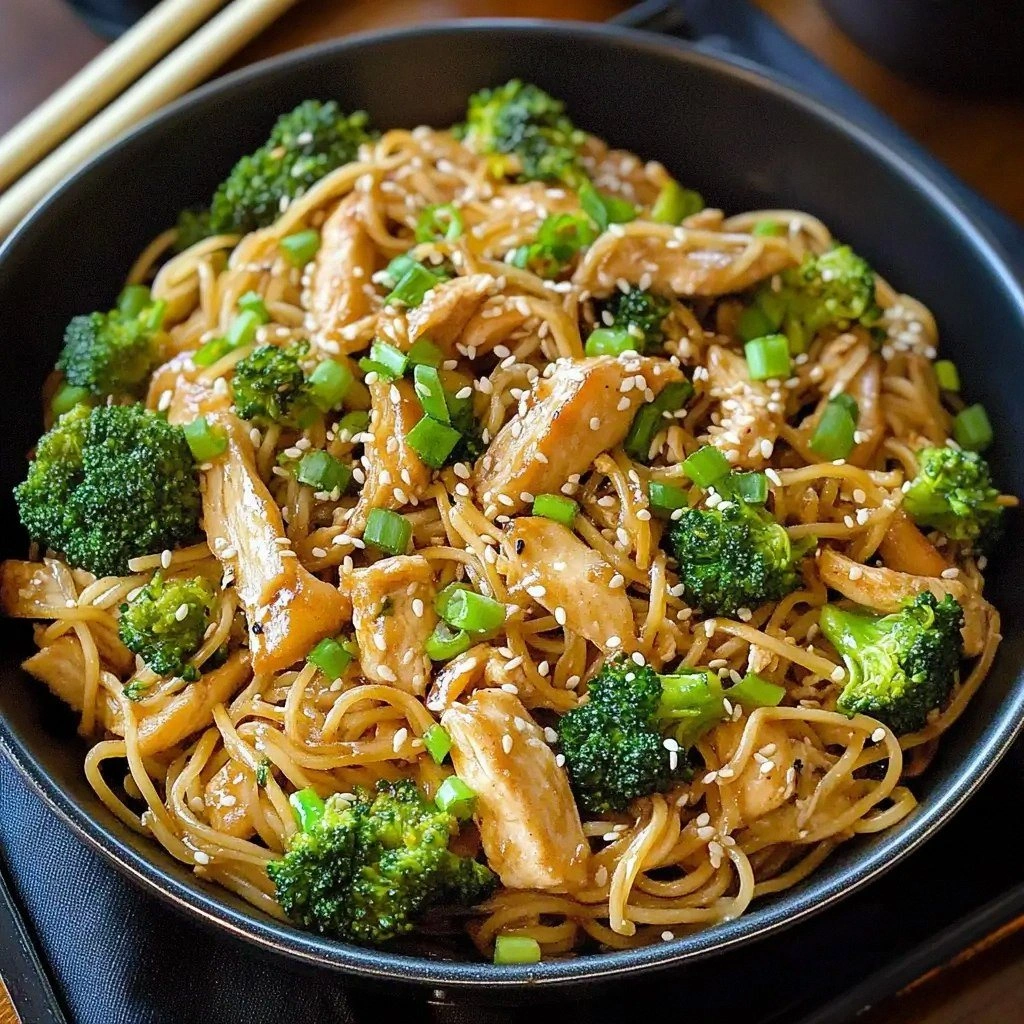
What sets this version apart is that it’s not just a recipe; it’s a flavor journey that takes the humble sesame noodle and turns it into a culinary experience. The sauce is a masterclass in balance—sweet, salty, tangy, and a whisper of heat that lingers on the palate. The chicken is marinated in a quick glaze that locks in moisture, while the broccoli retains its bright green hue and vibrant crunch. Every bite delivers a cascade of textures and flavors that dance together in perfect harmony.
And there’s a twist you won’t see in the usual copy: a splash of warm water to create a silky coating that clings to each strand of noodle, and toasted sesame seeds that add a nutty crunch. I dare you to taste this and not go back for seconds; the combination of ingredients is so cohesive that you’ll want to savor every mouthful. Let me walk you through every single step—by the end, you’ll wonder how you ever made it any other way.
What Makes This Version Stand Out
- Flavor: The sauce is a symphony of sweet honey, umami soy, and the deep, nutty undertones of toasted sesame oil. Each component is carefully measured to create a balanced profile that isn’t too greasy or too overpowering. The result is a sauce that coats the noodles like velvet, leaving every strand coated in richness.
- Texture: The crunch of raw broccoli juxtaposed with the silky sauce creates a delightful contrast. The toasted sesame seeds add a subtle crunch that punctuates each bite. Even the chicken retains a tender, juicy bite thanks to a quick sear and a brief glaze.
- Simplicity: With only a handful of pantry staples, this dish can be assembled in 15 minutes. No complicated steps or obscure ingredients are required, making it perfect for busy weeknights. The recipe’s straightforward method allows you to focus on flavor rather than technique.
- Uniqueness: The use of warm water to thin the sauce is a game‑changer, giving it a silky finish that clings to noodles. This subtle tweak is often overlooked but makes a world of difference. It’s a small detail that elevates the dish from ordinary to extraordinary.
- Crowd Reaction: Friends who’ve tried this version rave about the bold flavors and satisfying texture. The dish is a crowd‑pleaser at potlucks and family dinners alike. The combination of familiar and adventurous flavors keeps everyone coming back for more.
- Ingredient Quality: By choosing a low‑sodium soy sauce and toasted sesame oil, you control the saltiness and flavor intensity. The use of fresh ginger and garlic ensures a bright, aromatic base. These small choices make a big difference in the final taste.
- Cooking Method: A quick sear of chicken and a gentle simmer of the sauce keep the dish light and fresh. The method preserves the natural crunch of the broccoli, preventing it from becoming soggy. The technique is easy to replicate and delivers consistent results.
- Make‑Ahead Potential: The sauce can be prepared a few hours ahead, allowing the flavors to meld. When reheated, the noodles and broccoli retain their texture, and the sauce remains silky. This makes the dish ideal for meal prep or entertaining.
Now, here's a quick hack that will elevate your sauce and make it even more irresistible.
Inside the Ingredient List
The Flavor Base
The sauce is the heart of this dish, and each component plays a pivotal role. The creamy peanut butter (or tahini for those with peanut allergies) provides a rich, nutty foundation that balances the saltiness of soy sauce. Toasted sesame oil, with its distinct aroma, adds depth and a subtle bitterness that prevents the sauce from becoming overly sweet. Rice vinegar offers a bright acidity that cuts through the richness, while honey (or maple syrup for a vegan twist) rounds off the flavors with a gentle sweetness. Together, these ingredients create a sauce that is both complex and harmonious.
The Texture Crew
Warm water is the unsung hero that transforms the sauce from thick to silky. By gradually whisking in warm water, you achieve a coating that clings to noodles without making them soggy. Freshly grated ginger and minced garlic infuse the sauce with warmth and depth, while optional sriracha or chili garlic sauce adds a fiery kick for those who crave heat. The toasted sesame seeds and green onions provide crunchy and fresh accents that contrast with the silky sauce.
The Unexpected Star
Broccoli may seem like a humble side, but its bright green color and crisp texture make it a star in this dish. When blanched just right, it retains its crunch while absorbing the sauce’s flavors. Chicken, whether breast or thigh, offers a lean protein that pairs beautifully with the nutty sauce. Cooking the chicken in a hot pan before adding the sauce locks in juices, ensuring each bite is moist and flavorful. The optional crushed peanuts add a delightful crunch and a nutty undertone that complements the peanut butter base.
The Final Flourish
To finish, a splash of extra sriracha or chili flakes allows you to adjust the heat to your preference. The final sprinkle of cilantro adds a burst of freshness that brightens the dish. A dash of salt to taste ensures the flavors are balanced and enhances the overall taste profile. This final flourish turns a simple noodle bowl into a gourmet experience.
Speaking of ingredients, here's a fun fact about one of the key players.
Everything's prepped? Good. Let's get into the real action.
The Method — Step by Step
- Bring a large pot of salted water to a rolling boil, then add the dried noodles. Cook them according to the package instructions until they’re al dente—usually 7 to 9 minutes. Drain the noodles, reserving a cup of the pasta water for later, and set them aside. While the noodles are still hot, toss them with a splash of sesame oil to prevent sticking. This quick step keeps the noodles from clumping together.
- While the noodles are cooking, heat a tablespoon of cooking oil in a large skillet over medium-high heat. Add the chicken pieces, seasoning them lightly with salt and pepper. Cook until the chicken is golden on all sides and just cooked through—about 5 minutes. Once the chicken is done, remove it from the skillet and set it aside. The seared chicken will have a caramelized exterior that adds depth to the dish.
- In the same skillet, add the minced garlic and grated ginger, sautéing until fragrant—about 30 seconds. Stir in the toasted sesame oil, soy sauce, rice vinegar, honey, and warm water. Bring the mixture to a gentle simmer, whisking continuously until the sauce is glossy and well combined. The sauce should smell toasty and slightly sweet, signaling that it’s ready.
- Add the blanched broccoli florets to the skillet, tossing them in the sauce so they’re fully coated. Cook for another 2 minutes, allowing the broccoli to absorb the flavors without losing its crunch. The broccoli should still feel firm when you bite into it, maintaining a satisfying texture.
- Return the chicken to the skillet, allowing it to warm through and mingle with the sauce. Stir in the toasted sesame seeds and green onions, letting the mixture simmer for another minute. The sesame seeds will pop slightly, releasing their nutty aroma, while the green onions add a fresh, mild bite.
- Add the cooked noodles to the skillet, tossing them with the sauce until every strand is coated. If the sauce is too thick, add a little more reserved pasta water or a splash of warm water until it reaches your desired consistency. The noodles should be glossy and the sauce should cling to each strand like silk.
- Taste the dish and adjust seasoning as needed—add a pinch of salt, a splash more soy sauce, or extra honey for sweetness. If you prefer more heat, sprinkle in additional sriracha or chili flakes. The dish should feel balanced, with no single flavor overpowering the others.
- Serve immediately, garnishing with extra toasted sesame seeds, sliced green onions, and a drizzle of sesame oil if desired. The dish should look vibrant, with bright greens and a glossy sauce that glistens. Enjoy the first bite—this is the moment of truth, where all the flavors unite in perfect harmony.
Here’s a quick hack that will save you time and prevent the sauce from clumping.
Another essential trick to keep the noodles from becoming soggy.
Watch out: this step requires careful timing to keep the broccoli crisp.
That's it—you did it. But hold on, I've got a few more tricks that'll take this to another level. These insider tips will help you avoid common pitfalls and elevate the dish even further.
Insider Tricks for Flawless Results
The Temperature Rule Nobody Follows
Many cooks assume that a sauce should be heated at a high temperature to develop flavors, but this dish thrives on gentle simmering. A low, steady heat ensures the peanut butter stays silky and the flavors meld without burning. I once tried boiling the sauce and ended up with a thick, clumpy mess—lesson learned the hard way.
Here’s a quick hack that will keep your sauce silky and prevent it from separating.
Why Your Nose Knows Best
Before you taste the sauce, give it a quick sniff. A well‑balanced sauce will emit a sweet, nutty aroma with a hint of acidity. If it smells too sharp or overly sweet, adjust the vinegar or honey accordingly. My nose is my best ally in catching these subtle imbalances before they ruin the dish.
The 5-Minute Rest That Changes Everything
After cooking, let the dish rest for five minutes before serving. This rest period allows the sauce to settle and the flavors to deepen. It also gives the noodles a chance to absorb the sauce fully, resulting in a more cohesive bite. I’ve found that skipping this step leaves the dish feeling a bit thin.
Use Fresh, Not Frozen, Broccoli
Fresh broccoli provides a bright green color and a satisfying crunch that frozen broccoli simply can’t match. If you’re short on time, blanch the broccoli quickly and then shock it in ice water to preserve its texture. The contrast between the crunchy broccoli and the silky sauce is what makes this dish stand out.
Don't Forget the Sesame Seeds
Toasted sesame seeds are more than a garnish—they’re a flavor enhancer. Toast them in a dry pan until fragrant before adding them to the dish. This step releases their nutty oils and gives the dish a subtle crunch that pairs perfectly with the sauce.
Keep the Chicken Juicy
The key to juicy chicken is quick searing at high heat, followed by a brief simmer in the sauce. Avoid overcooking the chicken; it should still be slightly pink in the center for maximum moisture. If you prefer a firmer bite, cook the chicken a bit longer, but watch the sauce so it doesn’t burn.
Creative Twists and Variations
This recipe is a playground. Here are some of my favorite ways to switch things up:
Spicy Thai Twist
Swap the soy sauce for fish sauce and add a handful of Thai basil leaves. Increase the sriracha to a full teaspoon for a fiery kick. The fish sauce adds a savory depth that pairs wonderfully with the peanut butter base.
Vegan Delight
Use plant‑based chicken or tofu instead of real chicken. Replace honey with maple syrup or agave nectar. The result is a fully vegan dish that still delivers the same silky, nutty flavor profile.
Low‑Carb Version
Replace the noodles with zucchini noodles or shirataki noodles. The sauce still clings beautifully to the noodles, and the dish feels lighter without the carb load.
Breakfast Boost
Serve the noodles over a bed of scrambled eggs, topped with a fried egg. The creamy sauce pairs beautifully with the rich yolk, creating a breakfast that feels indulgent yet satisfying.
Asian Fusion Bowl
Add a handful of sliced carrots and bell peppers for extra color and crunch. Top the dish with a sprinkle of crushed peanuts and a drizzle of lime juice. The combination of sweet, salty, and citrusy flavors gives the dish a fresh, vibrant feel.
Gluten‑Free Edition
Use rice noodles or gluten‑free pasta. Swap tamari for low‑sodium soy sauce if you prefer a more pronounced umami flavor. The dish remains hearty and flavorful without the gluten.
Storing and Bringing It Back to Life
Fridge Storage
Store the cooked dish in an airtight container in the refrigerator for up to three days. The sauce may thicken slightly, so stir in a splash of water or broth before reheating. Keep the broccoli separate if you want to preserve its crunch.
Freezer Friendly
Freeze the dish in portioned containers for up to two months. Thaw overnight in the refrigerator before reheating. Reheat in a skillet over medium heat, adding a little water to loosen the sauce and prevent it from drying out.
Best Reheating Method
Reheat the noodles and sauce in a skillet over medium heat, stirring frequently. Add a small splash of water or broth to restore the sauce’s silky texture. Heat until the dish is steaming hot, and serve immediately for the best flavor and texture.