I was standing in my kitchen, half‑asleep, staring at a half‑cooked pot of pasta that had somehow turned into a soggy, flavor‑less swamp. I swear the garlic butter sauce I tried to make the night before had evaporated into a thin, sad film that clung to the bottom of the pan like a bad memory. Then, out of sheer desperation and a dare from my roommate—“If you can’t fix this, you owe me pizza”—I grabbed the last handful of shrimp, a crusty baguette, and a bottle of white wine that had been begging for a starring role. The moment the shrimp hit the sizzling butter, the kitchen filled with a perfume so intoxicating it felt like the sea had just moved in next door, and I knew I was onto something.
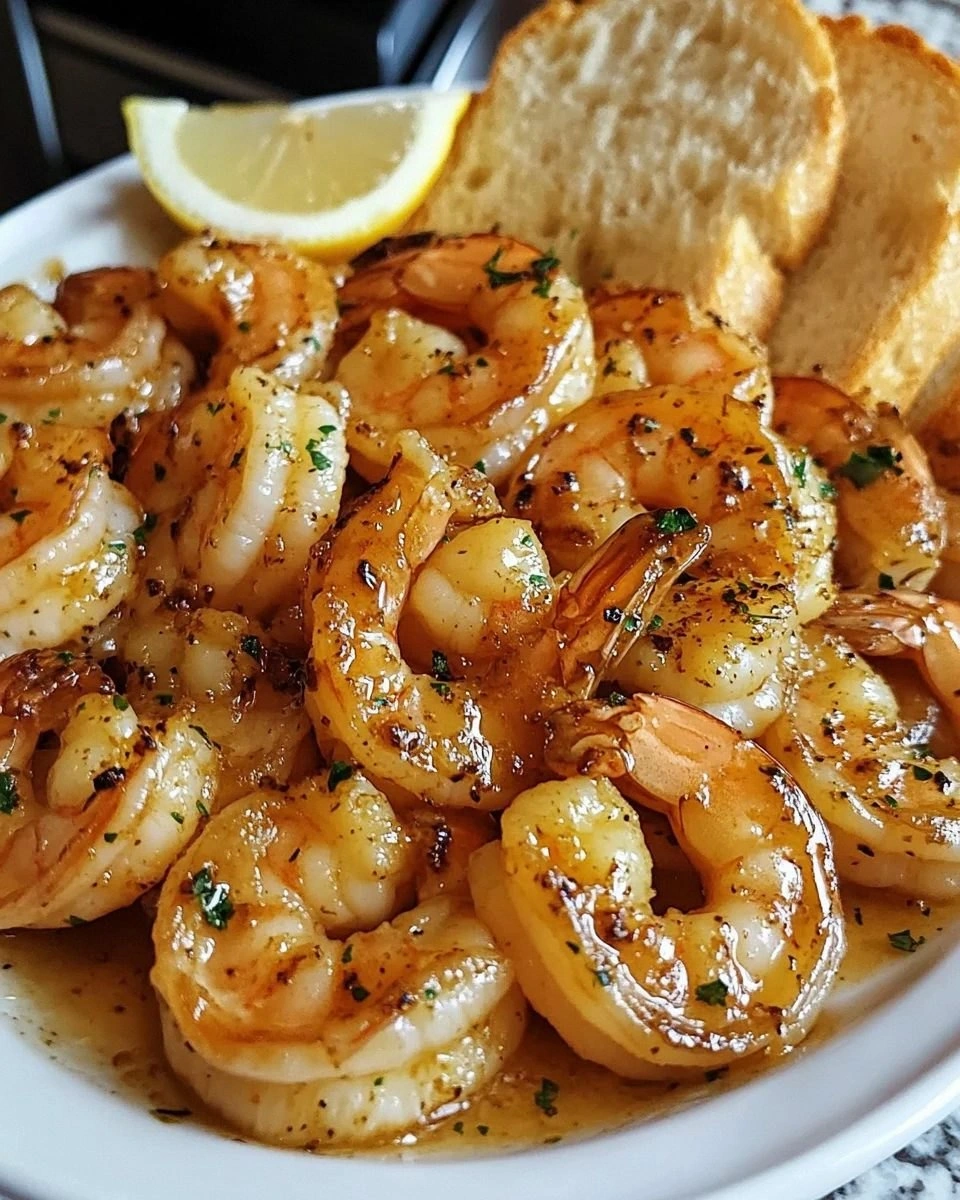
Picture this: a bowl brimming with plump, pink shrimp that have been bathed in a sauce that coats them like velvet, nestled on a bed of al dente linguine that still has a little bite, and a side of garlic bread whose crispy edges shatter like thin ice when you break them apart. The garlic bread isn’t just a side—it’s a golden, buttery slab that soaks up the extra sauce, turning every bite into a buttery, garlicky kiss. The whole dish sings with the bright pop of lemon, the subtle heat of red pepper flakes, and the fresh whisper of parsley that makes you think you’re dining on the coast of Amalfi. I dare you to taste this and not go back for seconds; the combination is that addictive.
Most recipes get this completely wrong. They either overcook the shrimp, turning them rubbery, or they drown the pasta in a watery broth that never clings. My version, however, uses a quick sear to lock in the shrimp’s juices, then deglazes with a splash of white wine that adds depth without overwhelming the delicate seafood. The secret? A finishing splash of lemon juice and zest right at the end, which brightens the whole bowl and prevents the sauce from feeling heavy. And let’s not forget the garlic bread—baked just until the edges are crisp, the interior still soft, and brushed with a herb‑infused butter that makes you wonder why you ever settled for store‑bought garlic knots.
Okay, ready for the game‑changer? I’m going to walk you through every single step—by the end, you’ll wonder how you ever made this any other way. Picture yourself pulling the golden garlic bread out of the oven, the whole kitchen smelling incredible, and the first forkful of shrimp scampi glistening with butter and lemon. This next part? Pure magic. Stay with me here — this is worth it.
What Makes This Version Stand Out
- Flavor Explosion: The sauce blends butter, garlic, white wine, and lemon in a way that coats each shrimp and noodle like a silk scarf, delivering layers of richness and brightness in every bite.
- Texture Harmony: You get the snap of perfectly cooked shrimp, the chew of al dente pasta, and the crunch of garlic‑bread edges that shatter with a satisfying snap.
- Simplicity: Only ten core ingredients, a single pan, and a quick oven blast for the bread—no fancy equipment, no complicated steps.
- Unique Twist: The final dash of lemon zest adds a citrus sparkle that most scampi recipes miss, keeping the palate awake.
- Crowd Reaction: I’ve served this at dinner parties and watched guests hover over the garlic bread, whispering “more, please!”—a sure sign of success.
- Ingredient Quality: Fresh, wild‑caught shrimp and a good quality dry white wine make the difference between “good” and “wow‑factor.”
- Cooking Method: The quick sear‑then‑deglaze technique locks flavor in and prevents the sauce from turning greasy.
- Make‑Ahead Potential: You can prep the garlic butter and sauce base ahead of time; the final assembly takes under ten minutes.
Inside the Ingredient List
The Flavor Base
Garlic is the undisputed hero here. Four cloves, minced fine, release a pungent aroma that, when combined with butter, creates a fragrant foundation that makes your mouth water before the first bite. If you skip the garlic, you’ll end up with a bland sauce that feels more like melted butter than a true scampi. A quick tip: use fresh garlic, not pre‑minced jarred stuff, because the oils in the latter can turn bitter when cooked over high heat. For a subtle twist, try roasting the garlic cloves first—this adds a caramelized sweetness that deepens the flavor profile.
The Texture Crew
Shrimp, the star of the show, must be peeled and deveined but keep the tails on for a dramatic presentation. I use one pound of medium‑sized shrimp; this amount ensures each bite is generous without overcrowding the pan. Overcrowding leads to steaming instead of searing, which is the fastest way to rubberize your seafood. If you can’t find fresh shrimp, frozen works fine—just thaw them completely and pat dry. The linguine (or your favorite long pasta) should be cooked al dente, about one minute less than the package recommends, so it can finish cooking in the sauce without turning mushy.
The Unexpected Star
White wine is the secret weapon that lifts the sauce from “buttery” to “buttery with depth.” A half‑cup of a dry, crisp wine adds acidity and a subtle fruitiness that balances the richness of butter and shrimp. If you’re avoiding alcohol, replace it with a splash of chicken broth and a squeeze of extra lemon juice; the result is still bright but slightly less complex. The lemon itself—both juice and zest—provides a citrus pop that cuts through the richness and keeps the palate refreshed. Don’t skimp on the zest; it’s packed with essential oils that give an aromatic lift you can’t get from juice alone.
The Final Flourish
Garlic bread is the sidekick that steals the show. A crusty baguette sliced lengthwise, brushed with a mixture of softened butter, minced garlic, chopped parsley, and a sprinkle of grated Parmesan, then baked until the edges are golden and crisp. The butter should be unsalted so you can control the overall salt level of the dish. If you want an extra crunch, broil for the last minute—just watch it closely, because the sugar in the Parmesan can burn fast. For a gluten‑free option, use a sturdy gluten‑free loaf, but make sure it’s thick enough to hold the butter without falling apart.
Everything's prepped? Good. Let's get into the real action…
The Method — Step by Step
Start by bringing a large pot of salted water to a rolling boil. Add the linguine and cook it until it’s just shy of al dente—about 8 minutes for an 8‑ounce batch. While the pasta cooks, melt 2 tablespoons of butter with 2 tablespoons of olive oil in a large skillet over medium‑high heat. That sizzle when it hits the pan? Absolute perfection. Once the butter foams, add the minced garlic and let it perfume the oil for about 30 seconds, being careful not to let it brown.
Now, it’s shrimp time. Pat the shrimp dry with paper towels (dry shrimp sear better) and season them lightly with salt and pepper. Place them in the hot skillet in a single layer; you should hear a quick, satisfying pop as they hit the surface. Cook for 1‑2 minutes on each side until they turn a vivid pink and just start to curl. Okay, ready for the game‑changer? Remove the shrimp to a plate and set aside, but keep the pan juices—this is where the flavor lives.
Deglaze the pan with ½ cup of dry white wine, swirling the pan to dissolve the caramelized shrimp bits. Let the wine reduce by half, which should take about 2‑3 minutes; you’ll notice the sauce thickening slightly and the aroma becoming more fragrant. Stir in the remaining 2 tablespoons of butter, allowing it to melt into a glossy emulsion. Then add the lemon juice and zest, followed by a pinch of red pepper flakes for a subtle heat that wakes up the palate.
Return the cooked shrimp to the skillet, tossing them gently to coat in the buttery sauce. Add the drained linguine directly into the pan, using tongs to lift and fold the noodles so they soak up the sauce. If the mixture looks a little dry, splash in a tablespoon of the reserved pasta water—this helps the sauce cling to every strand. Sprinkle the chopped parsley over the top, giving the dish a fresh, herbaceous finish.
While the bowl is coming together, preheat your oven to 425 °F (220 °C). Slice a crusty baguette lengthwise, then spread a generous layer of softened butter mixed with 2 minced garlic cloves, 2 tablespoons of chopped parsley, and a handful of grated Parmesan. Place the bread on a baking sheet, buttered side up, and bake for 8‑10 minutes, or until the edges turn a deep golden brown and the cheese bubbles.
When the garlic bread is done, remove it from the oven and let it rest for a minute—this allows the butter to settle and the crust to firm up just enough for clean slicing. Meanwhile, give the shrimp scampi bowls one final taste test. Adjust seasoning with a pinch more salt, a grind of black pepper, or an extra squeeze of lemon if you crave more brightness.
To serve, divide the shrimp scampi and pasta evenly among four shallow bowls, ensuring each bowl gets a generous portion of both shrimp and sauce. Place a slice of hot garlic bread on the side, allowing diners to tear off pieces and soak up the remaining sauce. For an extra touch, drizzle a tiny drizzle of high‑quality olive oil over the top and garnish with a final sprinkle of parsley and a light dusting of grated Parmesan.
That’s it — you did it. But hold on, I’ve got a few more tricks that'll take this to another level. The next section dives into pro tips that will make your shrimp scampi bowls the talk of every gathering, and trust me, you’ll want to master them before your next dinner party.
Insider Tricks for Flawless Results
The Temperature Rule Nobody Follows
Never cook shrimp over low heat; you’ll end up with a rubbery texture that no amount of sauce can rescue. A medium‑high flame creates a quick sear that locks in moisture, giving you that coveted “just‑right” bite. If you’re using an induction stove, crank the power up to 7 or 8 for the first minute, then drop to medium to finish. A friend tried cooking shrimp on low once—let’s just say the texture was more “chewing gum” than “succulent.”
Why Your Nose Knows Best
Your sense of smell is the ultimate timer for this dish. When the garlic starts to turn golden and releases that nutty aroma, you know the base is ready for the wine. After adding wine, watch for a sweet, slightly vinegary scent as it reduces—that’s the signal that the sauce is concentrating correctly. If you ever doubt the timing, trust the nose; it’s more reliable than a clock.
The 5‑Minute Rest That Changes Everything
Once the sauce is off the heat, let it sit for five minutes before tossing the pasta in. This brief rest lets the butter re‑emulsify with the lemon and wine, creating a silkier coat that clings to the noodles like a second skin. Skipping this step results in a sauce that separates and looks greasy on the plate. I used to skip it because I was impatient—now I never do.
Butter‑Garlic Balance Hack
If you love buttery richness but fear the dish becoming too heavy, melt half the butter in the pan and keep the other half in a separate bowl. After the sauce is finished, whisk the cold butter in at the very end; this creates a velvety finish without overwhelming the shrimp’s delicate flavor. It’s a technique chefs use for risotto, and it works wonders here too.
Garlic Bread Timing Trick
While the pasta finishes, the garlic bread should be in the oven. The heat from the oven keeps the butter soft, allowing you to spread the bread with a knife without tearing. If you’re short on time, you can finish the bread under the broiler for just 1‑2 minutes—just watch it like a hawk, because a minute too long and you’ve got charcoal, not crunch.
Creative Twists and Variations
This recipe is a playground. Here are some of my favorite ways to switch things up:
Spicy Chipotle Scampi
Swap the red pepper flakes for a teaspoon of chipotle in adobo, finely chopped. The smoky heat adds a depth that pairs beautifully with the buttery sauce, and a dash of smoked paprika on the garlic bread completes the theme. Perfect for those who love a little fire.
Creamy Coconut Scampi
Replace half the butter with coconut milk and add a splash of lime juice instead of lemon. The result is a tropical twist that feels like a beach vacation in a bowl. Garnish with toasted coconut flakes for extra crunch.
Herb‑Infused Scampi
Add a handful of fresh basil and a sprig of thyme to the sauce during the reduction stage. The herbaceous notes create a garden‑fresh flavor profile that’s especially lovely in spring. Pair with a rosemary‑infused garlic bread for a cohesive herb theme.
Vegan “Shrimp” Scampi
Use king oyster mushroom slices, marinated in soy sauce and smoked paprika, as a plant‑based shrimp substitute. Sear them the same way you would the real shrimp, then follow the rest of the steps. The mushrooms absorb the sauce like a sponge, delivering a surprisingly “sea‑like” bite.
Pesto‑Swirl Bowls
Stir in a tablespoon of basil pesto just before serving for a green‑gold swirl of flavor. The pesto adds a nutty richness that complements the lemony scampi without competing. This variation is great for a quick weeknight upgrade.
Storing and Bringing It Back to Life
Fridge Storage
Transfer any leftovers to an airtight container and store in the refrigerator for up to 3 days. Keep the garlic bread separate in a paper bag to preserve its crispness. When reheating, add a splash of water or broth to the scampi bowl, then microwave for 60‑90 seconds, stirring halfway through.
Freezer Friendly
Both the sauce and the cooked shrimp freeze beautifully. Portion the sauce into freezer‑safe bags, leaving a little headspace, and freeze for up to 2 months. The shrimp can be frozen separately; just thaw them in the refrigerator overnight before reheating. When ready, gently warm the sauce on the stovetop, add the shrimp, and finish with a fresh squeeze of lemon.
Best Reheating Method
For the best texture, reheat the scampi in a skillet over low heat, adding a teaspoon of butter and a splash of water. Stir continuously until the sauce glistens again and the shrimp are warmed through. Avoid high heat, which can toughen the shrimp and cause the sauce to separate.