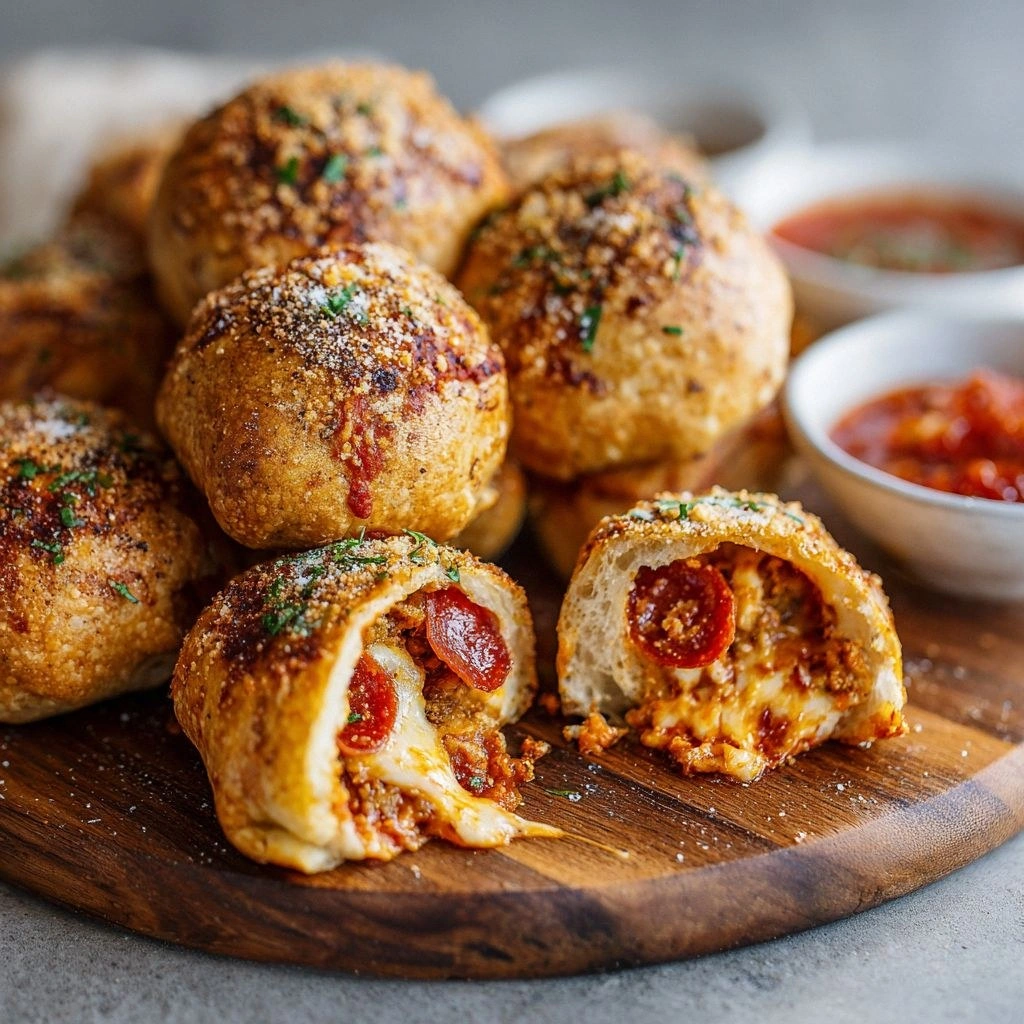
Picture this: a midnight craving that turns into a kitchen catastrophe, a pizza that turns into a disaster, a friend who dared you to taste it and promised you would never go back for seconds. I was halfway through a pizza night, the dough sticking to the counter like a stubborn adhesive, the sauce spilling over the rim of the bowl, and the cheese melting into a gooey puddle that smelled like a melted candle. I stared at the chaos, laughed at myself, and thought, “If I can survive this mess, I can probably make something that actually works.” That moment became the genesis of the Sourdough Pizza Bombs, a recipe that flips the ordinary pizza game on its head and delivers a crust that is both chewy and crisp, a sauce that coats like velvet, and a cheese layer that melts into a golden, bubbling crown.
Why does this version stand out? Because it takes the humble sourdough starter, turns it into a flavor engine, and then packages that flavor into bite‑sized bombs that you can pop straight into a skillet or a stone. The dough is airy, with a subtle tang that cuts through the richness of the cheese. The crust is thin enough to crack like thin ice, yet thick enough to hold the sauce without getting soggy. The result is a handheld pizza that feels like a snack and satisfies the depth of a full meal. If you’ve ever been disappointed by store‑bought pizza or homemade dough that turns out heavy, this is hands down the best version you’ll ever make at home.
But there’s a twist. The secret is not just in the sourdough starter, but in the way we shape, bake, and finish the bombs. By using a high‑heat skillet to create a crisp base, then finishing on a stone, we achieve a texture that’s impossible to replicate with a single baking sheet. And we’ll reveal a surprising ingredient that most recipes overlook—an herb that elevates the sauce to a new level of complexity. Stick with me, and you’ll learn how to make a pizza bomb that will leave everyone begging for the recipe.
Let me walk you through every single step — by the end, you’ll wonder how you ever made it any other way.
What Makes This Version Stand Out
- Flavor: The sourdough starter gives a subtle, fermented depth that balances the sweet tomato sauce and salty mozzarella.
- Texture: The dough’s high hydration and short fermentation produce a chewy interior with a crisp, crackling edge.
- Simplicity: With only a handful of pantry staples and a sourdough starter, you can have a gourmet pizza in under an hour.
- Uniqueness: The “pizza bomb” concept—small, handheld, skillet‑to‑stone—creates a dramatic, theatrical presentation.
- Crowd Reaction: Friends who’ve tried these will say they’ve never had a pizza that feels like a snack and a meal at the same time.
- Ingredient Quality: Using a high‑quality starter and fresh mozzarella makes the flavor explode.
- Cooking Method: The two‑step bake (skillet + stone) gives the crust a professional finish without a pizza oven.
- Make‑Ahead Potential: The dough can be prepared a day ahead and frozen, making it perfect for game nights.
Alright, let's break down exactly what goes into this masterpiece...
Inside the Ingredient List
The Flavor Base
Sourdough starter: The heart of the dough, it provides a natural leavening agent and a subtle tang that elevates the entire pizza. A cup of active starter (240 ml) is the sweet spot for flavor and rise. If you skip it, the dough will be flat and bland, lacking the yeasty aroma that makes each bite memorable.
Warm water: At 110°F (43°C), it activates the yeast in the starter and helps dissolve the salt. Too hot, and you kill the yeast; too cold, and the dough won’t rise properly. If you don’t have a thermometer, a water bottle with a small mark will work as a quick gauge.
The Texture Crew
All‑purpose flour: 2 cups (240 g) give the dough enough structure to hold the sauce while remaining tender. Whole wheat flour could be used for a nuttier flavor, but it will make the dough denser and require more hydration.
Salt: 1 teaspoon (5 g) balances the sourness of the starter and enhances the cheese’s flavor. Skipping salt will result in a flat, bland dough that doesn’t develop the same depth.
Olive oil: 2 tablespoons (30 ml) lubricate the dough, give it a glossy finish, and add a subtle fruity note. If you’re watching calories, you can reduce the oil by half, but the crust will be less tender.
The Unexpected Star
Crushed red pepper flakes: ½ teaspoon (1 g) adds a gentle heat that cuts through the richness of the cheese. If you’re not a fan of spice, you can leave this out or replace it with a pinch of smoked paprika for a smoky undertone.
The Final Flourish
Pizza sauce: 1 cup (240 ml) of a balanced tomato sauce gives the pizza its base flavor. A homemade sauce with fresh tomatoes, garlic, and basil will elevate the dish, but a high‑quality store‑bought sauce works just fine.
Shredded mozzarella: 1.5 cups (180 g) of mozzarella provides the gooey, melty texture that’s essential to a great pizza. For a sharper flavor, mix in a little provolone or fontina.
Pepperoni slices: 8 slices add a classic, salty crunch. If you prefer a vegetarian version, replace them with sliced mushrooms or bell peppers.
Fresh basil leaves: A handful of basil adds a bright, aromatic finish that cuts through the richness of the cheese. You can also sprinkle dried oregano (1 tsp) for a Mediterranean twist.
Everything's prepped? Good. Let's get into the real action...
The Method — Step by Step
- Preheat the oven to 475°F (245°C) and place a pizza stone or baking sheet inside to heat up. While the oven warms, gather all your ingredients so you’re not scrambling at the last minute.
- In a large bowl, whisk together the sourdough starter, warm water, flour, salt, and olive oil until a shaggy dough forms. The dough should feel tacky but not sticky; if it’s too dry, add a tablespoon of water.
- Turn the dough onto a lightly floured surface and knead for 8–10 minutes until it’s smooth and elastic. You’ll know it’s ready when it pulls away from the sides of the bowl and feels springy.
- Place the dough back in the bowl, cover with a damp cloth, and let it rise at room temperature for 3–4 hours or until it has doubled in size. The dough should have a slight bubble and a pleasant, yeasty aroma.
- Punch down the dough to release the air, then divide it into 8 equal portions. Shape each portion into a tight ball and place them on a floured surface. Let the dough balls rest for 10 minutes; this relaxes the gluten and makes them easier to roll out.
- Heat a heavy‑bottom skillet over medium‑high heat. Place one dough ball in the skillet, flatten it slightly, and spread a thin layer of pizza sauce over it. Sprinkle a generous amount of shredded mozzarella, then add pepperoni slices and a pinch of crushed red pepper flakes.
- Cook for 5–7 minutes until the cheese melts and the edges start pulling away from the skillet. The crust should have a golden, slightly charred color—like a perfect toast.
- Transfer the cooked pizza bomb onto the preheated pizza stone and bake for an additional 3–4 minutes to crisp the bottom. The final bake gives the pizza a professional finish without a pizza oven.
- Remove the pizza bomb from the stone, garnish with fresh basil leaves, slice, and serve immediately. The combination of a crispy edge, melty cheese, and tangy dough will have everyone asking for the recipe.
That's it — you did it. But hold on, I've got a few more tricks that'll take this to another level...
Insider Tricks for Flawless Results
The Temperature Rule Nobody Follows
Many home bakers bake at 400°F, but this recipe demands 475°F to achieve that perfect char. The high heat sears the crust quickly, locking in moisture and creating a crisp exterior. If your oven can’t reach 475°F, set it to the maximum and let the stone preheat for at least 45 minutes.
Why Your Nose Knows Best
The aroma of the dough rising is your best indicator that it’s ready. A yeasty, slightly sour smell means the starter is active, and the dough will rise properly. If you notice a sweet, alcoholic scent, it’s over‑fermented and will result in a harsh flavor.
The 5‑Minute Rest That Changes Everything
After shaping the dough into balls, let them rest for 10 minutes. This short rest relaxes the gluten, making the dough easier to roll out without tearing. I dare you to taste this and not go back for seconds; the texture is so perfect, you’ll want to keep eating.
Keep the Crust Crisp with a Quick Steam
Right after removing the pizza bomb from the skillet, spray a few drops of water onto the crust and immediately cover it with a metal lid. The steam will create a micro‑oven effect, crisping the surface while keeping the interior tender.
Make‑Ahead and Freezing Tips
If you’re planning a party, prepare the dough the night before. Divide it into balls, wrap each in plastic wrap, and freeze. When you’re ready to serve, thaw in the refrigerator overnight, then follow the same cooking steps. The dough will rise slightly during thawing, giving you a fresh, chewy crust.
Creative Twists and Variations
This recipe is a playground. Here are some of my favorite ways to switch things up:
Mediterranean Melt
Swap pepperoni for sliced kalamata olives, add chopped sun‑dried tomatoes, and sprinkle feta cheese on top. The briny olives and tangy feta create a Mediterranean flavor profile that pairs perfectly with the sourdough base.
Veggie Supreme
Replace pepperoni with a mix of roasted red peppers, artichoke hearts, and fresh spinach. Finish with a drizzle of pesto for a green, herbaceous twist that’s both healthy and indulgent.
BBQ Chicken Bomb
Use shredded rotisserie chicken, a splash of BBQ sauce, and a handful of corn kernels. Top with sliced red onions and a sprinkle of smoked paprika for a smoky, sweet, and savory combination.
Truffle Mushroom Delight
Sauté sliced porcini mushrooms with garlic and thyme, then spoon onto the pizza bomb. Finish with a drizzle of truffle oil and a sprinkle of grated parmesan for a luxurious, earthy flavor.
Breakfast Bomb
Top the dough with scrambled eggs, crumbled bacon, and a handful of shredded cheddar. Finish with a sprinkle of chives for a brunch‑ready pizza that’s both hearty and satisfying.
Storing and Bringing It Back to Life
Fridge Storage
Store uncooked dough balls in an airtight container in the refrigerator for up to 48 hours. Let them come to room temperature for 30 minutes before cooking to ensure even baking.
Freezer Friendly
Wrap each dough ball tightly in plastic wrap and place in a freezer bag. Freeze for up to 3 months. Thaw in the refrigerator overnight, then let sit at room temperature for 30 minutes before cooking.
Best Reheating Method
To reheat a pizza bomb, place it on a preheated skillet over medium heat for 2–3 minutes, then finish on a pizza stone or baking sheet for 3–4 minutes. Add a splash of water to the skillet before covering to create steam, which restores the crust’s crispness.