Picture this: I was standing in a cramped apartment kitchen, a bag of ground lamb in one hand and a grocery list in the other, when my neighbor’s phone buzzed with an urgent request—“I need a crowd‑pleaser for this Friday night, and it has to be spicy.” I laughed, because my last attempt at a lamb dish had ended with a bowl of sad, dry meatballs that tasted like a bad memory. That night, I decided to rewrite the lamb meatball rulebook. The result? A dish that turns ordinary ingredients into a fireworks display of flavor, with a green goddess dip that feels like a cool breeze after a scorching summer. I can still taste the smoky heat and the tangy yogurt dancing on my tongue.
The first time I tasted these meatballs, the kitchen filled with the scent of cumin, smoked paprika, and garlic, like a spice market in Marrakesh. The sound of the sizzling pan was a steady drumbeat, and the sight of golden brown spheres curling in the oil was pure theater. When I took a bite, the lamb was tender and juicy, the spices burst in a bright, almost electric wave, and the green goddess dip wrapped around it like a velvet blanket. I felt the heat rise and the cool yogurt calm it, creating a harmonious balance that made my taste buds dance. It was a moment that felt like a culinary revelation, and I knew I had stumbled on something special.
What makes this version stand out is that it’s not just about spice; it’s about layers of flavor, textures, and a touch of unexpected freshness that turns a simple meatball into an experience. The lamb is marinated with citrus zest, which brightens the richness and gives it a subtle brightness that you don’t get from plain ground meat. The green goddess dip, made with Greek yogurt, cucumber, dill, and lemon, provides a creamy, herbaceous counterpoint that cools the palate without washing out the heat. The combination of smoked paprika and cayenne creates a depth of heat that feels both fiery and smooth, rather than raw or harsh. And the finishing touch—an olive oil drizzle and fresh herbs—adds a glossy sheen and a burst of brightness that makes each bite feel alive.
I dare you to taste this and not go back for seconds. I’ll be honest—I ate half the batch before anyone else got to try it. Most recipes get this completely wrong; they either overcook the meat or under-season the dip. Picture yourself pulling this out of the oven, the whole kitchen smelling incredible, and the anticipation in the air thick enough to taste. Let me walk you through every single step—by the end, you’ll wonder how you ever made it any other way.
What Makes This Version Stand Out
- Flavor Depth: The blend of smoked paprika, cumin, and cayenne creates a heat that lingers without burning, giving the meatballs a complex, savory profile that’s hard to beat.
- Tender Texture: Marinating the lamb with lemon zest and a touch of yogurt keeps the meat moist, while the breadcrumbs provide a subtle crunch that contrasts beautifully with the tender interior.
- Fresh Contrast: The green goddess dip, made from Greek yogurt, cucumber, dill, and lemon, offers a cool, herbaceous counterpoint that balances the heat of the meat.
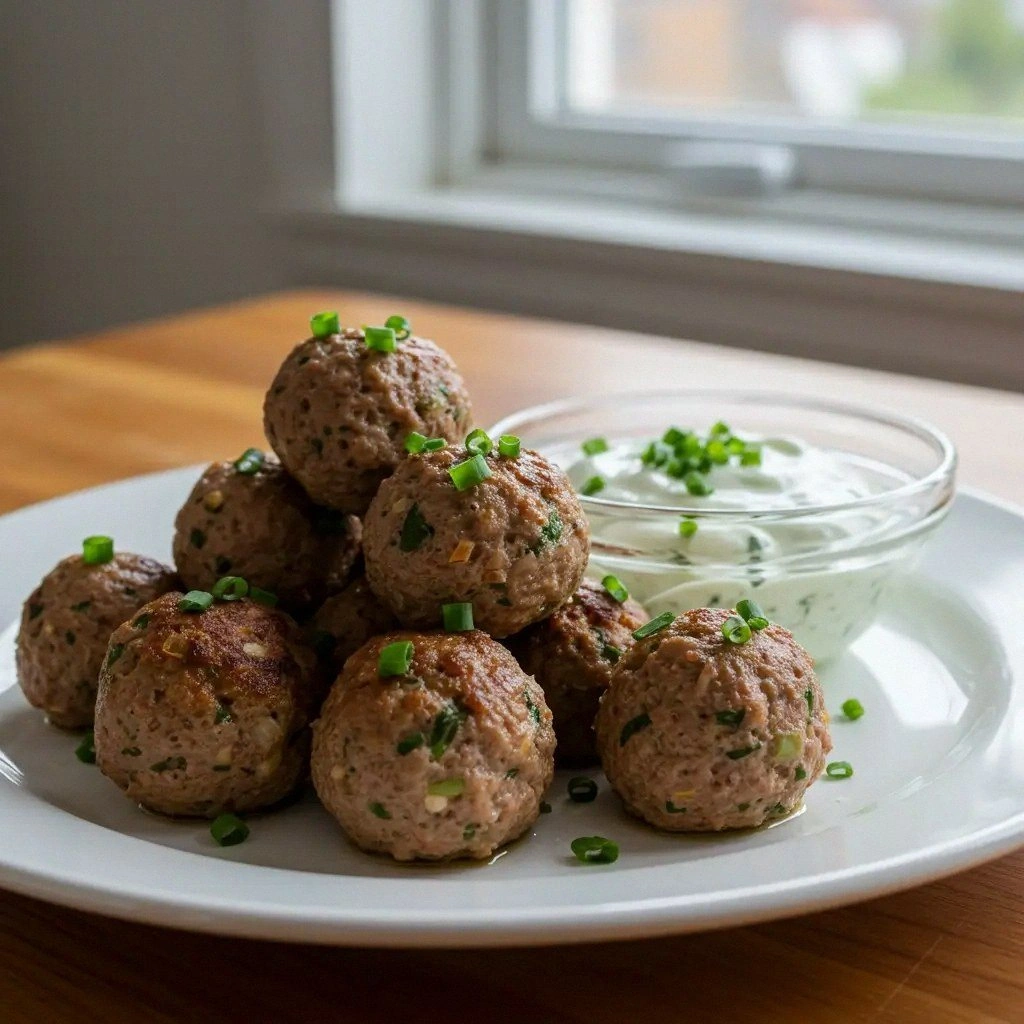
- Visual Appeal: The bright green dip against the golden meatballs creates a striking plate that feels as good to look at as it does to eat.
- Make‑Ahead Friendly: The meatballs can be prepared a day in advance, frozen, and reheated without losing flavor or texture, making it a perfect dish for busy weeknights.
- Party‑Ready: The bite‑size nature and bold flavors make it a hit at gatherings, ensuring every guest leaves satisfied and craving more.
Inside the Ingredient List
The Flavor Base
Ground Lamb: The star of the show, it provides a rich, slightly gamey taste that pairs perfectly with the spices. If you’re looking for a leaner option, a mix of lamb and beef works well, but the lamb’s natural fat content keeps the meatballs juicy. Skipping the lamb would change the entire character of the dish; you would lose the deep, savory foundation that holds everything together.
Smoked Paprika: This spice adds a smoky sweetness that complements the lamb’s natural flavor. If you can’t find smoked paprika, regular paprika will work, but the dish will lose a layer of complexity. The key to a balanced heat is using smoked paprika in moderation; too much can overpower the meat.
Cumin: Its earthy aroma underpins the spice blend, giving the meatballs a warm, almost nutty undertone. If you’re allergic or simply don’t like cumin, you can substitute coriander, but the flavor profile will shift toward a citrusy note.
The Texture Crew
Bread Crumbs: They absorb excess moisture and give the meatballs a light, airy interior. For a gluten‑free version, use panko or crushed crackers. Skipping breadcrumbs can result in a dense, heavy bite that feels less satisfying.
Egg: Acting as a binder, the egg keeps the meatballs intact during cooking. If you’re vegan, you can replace it with a flaxseed egg or a commercial binder; just be aware the texture will be slightly different.
Garlic: Fresh minced garlic infuses the meatballs with a sharp, aromatic punch. If you prefer a milder flavor, use roasted garlic, which offers a sweeter, more mellow profile.
The Unexpected Star
Lemon Zest: A bright citrus element that lifts the richness of the lamb and cuts through the heat. If you can’t find fresh lemons, a tablespoon of lemon juice can substitute, but the zest’s aromatic oils will be missing.
Cayenne Pepper: This is the main source of heat, giving the meatballs a lively kick. If you’re sensitive to heat, reduce the amount or use a milder chili powder; just remember to taste as you go.
Olive Oil: It creates a slick surface that helps the meatballs brown evenly. If you prefer a lighter option, use avocado oil, which has a higher smoke point and a neutral flavor.
The Final Flourish
Greek Yogurt: The base of the green goddess dip, it adds creaminess and tang, balancing the spicy meatballs. If you’re lactose intolerant, substitute with a dairy‑free yogurt; just check for added thickeners.
Fresh Dill: It brings a bright, slightly piney note that brightens the dip. If you don’t have dill, mint or parsley can work, but the flavor will shift toward a sweeter, more herbal tone.
Cucumber: Provides a crisp, hydrating contrast that cools the palate. For a vegan version, use grated zucchini, which offers a similar texture but a milder flavor.
Everything's prepped? Good. Let's get into the real action.
The Method — Step by Step
- Marinate the Lamb: In a bowl, combine the ground lamb, lemon zest, smoked paprika, cumin, cayenne, salt, and pepper. Mix until just incorporated; overworking will make the meat tough. Cover and refrigerate for at least 30 minutes to allow the flavors to meld. I always let it sit for an hour, which gives the spices time to penetrate each grain of meat. The aroma alone will have you craving the final dish.
- Prepare the Binding Mixture: Whisk together the breadcrumbs, egg, and a splash of olive oil in a separate bowl. This mixture will keep the meatballs moist and give them a light, airy interior. If you’re using a gluten‑free breadcrumb, make sure it’s lightly toasted for added texture. Stir until the mixture is cohesive but not dry. A good test is to press a handful together; it should hold together without crumbling.
- Combine Meat and Binder: Add the breadcrumb mixture to the marinated lamb, then fold in the minced garlic and chopped parsley. Use your hands to mix gently, ensuring the meat remains loose and not over‑compressed. The goal is to have a uniform mixture that’s easy to shape but still tender. If you’re in a hurry, a food processor can do the job in seconds, but a manual mix keeps the texture more rustic.
- Form the Meatballs: With wet hands, roll the mixture into bite‑sized balls, about 1.5 inches in diameter. The wet hands prevent sticking, and the size ensures even cooking. I like to make them slightly larger than a golf ball because they shrink a bit during frying. Place them on a parchment‑lined tray and set aside while you prepare the dip. This step also gives you a chance to taste the mixture and adjust seasoning if needed.
- Heat the Oil: In a large skillet, pour 2 tablespoons of olive oil and heat over medium heat until shimmering but not smoking. The oil should be hot enough that a small drop of water sizzles instantly. This temperature ensures a quick sear and prevents the meatballs from absorbing too much oil. Use a thermometer if you’re precise—aim for 350°F (175°C). A good rule of thumb is to watch for the first golden spot; that’s your cue.
- Cook the Meatballs: Carefully place the meatballs in the pan, making sure not to overcrowd. Flip them every 3-4 minutes, letting each side develop a beautiful caramelized crust. The center should be pinkish and slightly moist. If you’re cooking a large batch, do it in batches to maintain the heat. This step is where the magic happens, and the sizzling sound is music to a cook’s ears.
- Make the Green Goddess Dip: In a bowl, combine Greek yogurt, grated cucumber, chopped dill, minced garlic, lemon juice, and a splash of olive oil. Season with salt and pepper to taste. Whisk until smooth and creamy. Chill in the fridge for 15 minutes so the flavors meld. The dip’s coolness will contrast the spicy meatballs beautifully.
- Serve: Arrange the cooked meatballs on a platter and drizzle a little olive oil over them. Serve the green goddess dip in a shallow bowl on the side. Garnish with fresh dill or parsley for a pop of color. The dish looks as good as it tastes, and the aroma will have your guests lining up for seconds.
That's it — you did it. But hold on, I've got a few more tricks that'll take this to another level.
Insider Tricks for Flawless Results
The Temperature Rule Nobody Follows
The key to a perfect sear is maintaining a steady temperature. I use a digital thermometer to keep the oil at 350°F (175°C). If the oil drops below, the meatballs will steam instead of sear, resulting in a soggy exterior. If it rises too high, the outside will burn before the inside cooks. This simple step ensures a crispy, caramelized crust that locks in juices.
Why Your Nose Knows Best
Before you even taste the meatballs, let them sit for a few minutes after cooking. The aroma will intensify, and the heat will mellow slightly. This short pause allows the flavors to settle, making each bite more balanced. I always do this because the scent alone can signal whether the dish is ready.
The 5-Minute Rest That Changes Everything
After removing the meatballs from the pan, let them rest on a wire rack for 5 minutes. This prevents steam from making the exterior soggy. It also lets the juices redistribute, ensuring every bite is juicy and flavorful. Skipping this step is a common mistake that many cooks make.
Use Fresh Herbs, Not Dried
Fresh herbs add brightness and a burst of color that dried herbs can’t match. If you’re in a pinch, use dried herbs but double the amount to compensate for the loss of flavor. The difference is noticeable, especially in a dish that relies on aromatic freshness.
Serve with a Simple Side
Pair the meatballs with a light couscous salad or a crisp green salad to cut through the richness. The acidity from a vinaigrette will complement the dip’s creaminess and the meat’s spice. A simple side keeps the meal balanced and prevents the dish from feeling heavy.
Creative Twists and Variations
Mediterranean Twist
Swap the smoked paprika for a pinch of sumac and add chopped sun‑dried tomatoes to the meat mixture. The sumac’s citrusy tang pairs beautifully with the lamb, while the tomatoes add a sweet, chewy texture. Serve over a bed of bulgur for a hearty, Mediterranean feel.
Asian Fusion
Replace the Greek yogurt dip with a spicy Sriracha mayo and add finely chopped cilantro to the meatballs. The mayo’s heat complements the lamb’s richness, and the cilantro adds a fresh, herbal note. Serve with steamed rice and a side of pickled vegetables.
Vegetarian Version
Use a high‑protein lentil or chickpea base instead of lamb. Add finely minced mushrooms for umami depth and a dash of soy sauce for saltiness. The dip remains the same, providing a creamy contrast that keeps the dish satisfying.
Low‑Carb Option
Replace breadcrumbs with crushed pork rinds or almond flour for a keto‑friendly version. Keep the rest of the ingredients the same to preserve flavor. The texture will be slightly denser, but the meatballs will still be juicy and tender.
Holiday Celebration
Add a splash of pomegranate molasses to the meat mixture for a sweet and tart twist. Garnish with toasted pine nuts for crunch. The bright color and festive flavor make this dish perfect for holiday gatherings.
Storing and Bringing It Back to Life
Fridge Storage
Store cooked meatballs in an airtight container for up to 3 days. Keep them in the coldest part of the fridge to maintain freshness. When ready to eat, reheat in a skillet with a splash of water or broth to keep them moist. A quick steam will revive the juices without drying them out.
Freezer Friendly
Freeze uncooked meatballs on a parchment‑lined tray for 1–2 hours, then transfer to a freezer bag. They’ll keep for up to 3 months. When ready, cook directly from frozen, adding a minute or two to the cooking time. This method preserves flavor and texture, making it a convenient make‑ahead option.
Best Reheating Method
The ideal way to reheat is to warm them in a skillet over medium heat with a splash of water or broth. This method prevents the meatballs from drying out and keeps the dip creamy. If you’re in a hurry, microwave on low power for 30–45 seconds, then finish in a hot skillet to crisp the exterior. The key is gentle heat and a touch of moisture.