I was standing in my kitchen, half‑asleep, when my roommate shouted, “You have to try this shrimp thing I saw on TikTok!” I rolled my eyes, grabbed a bag of frozen shrimp, and tossed them straight into a pan without any plan. Within seconds, the kitchen filled with a smell so fierce it could have knocked a bull out of a china shop, and I realized I had just ignited a flavor bomb. The shrimp sizzled like a fireworks display, the cauliflower head turned a buttery gold, and a mischievous heat danced on my tongue that made me gasp, grin, and immediately demand a second helping. That chaotic moment sparked a culinary epiphany: why settle for a bland, safe dinner when you can create a dish that feels like a party in every bite?
Fast forward a few weeks, and I’m obsessively tweaking this recipe, swapping sauces, adjusting spice levels, and even experimenting with the way I mash the cauliflower. The result? A bowl of spicy shrimp that clings to the cauliflower mash like a lover refusing to let go, with a buttery, nutty undertone that makes the heat feel like a warm hug rather than a scorching blaze. The cauliflower isn’t just a bland side; it’s a creamy, dreamy base that soaks up every drop of the fiery broth, turning each bite into a symphony of textures—crunchy shrimp, silky mash, and a whisper of caramelized garlic that lingers long after the plate is empty.
Most recipes on the internet either drown the shrimp in a sea of sauce or treat the cauliflower as an afterthought, a bland filler. Not this one. I’ve cracked the code on balancing heat with richness, using a precise blend of smoked paprika, cayenne, and a splash of lemon that brightens the whole dish without stealing the spotlight. The secret weapon? A quick toast of the cauliflower florets before mashing, which adds a subtle, nutty depth that you’ll swear you’ve never tasted before. If you’ve ever struggled with a soggy cauliflower mash or shrimp that turns rubbery, you’re not alone—and I’ve got the fix that will change the way you think about this classic combo.
I dare you to taste this and not go back for seconds. The spice level is just enough to make you reach for a glass of chilled white wine, while the mellow cauliflower keeps everything grounded. Picture yourself pulling this out of the pan, the whole kitchen smelling incredible, the buttered edges of the cauliflower shimmering under the light. Okay, ready for the game‑changer? Let me walk you through every single step — by the end, you’ll wonder how you ever made it any other way.
What Makes This Version Stand Out
- Heat Balance: The blend of smoked paprika, cayenne, and fresh lemon zest creates a layered heat that builds without overwhelming, delivering a gentle kick that lingers.
- Texture Harmony: Toasted cauliflower florets give the mash a subtle crunch, while the shrimp stay perfectly seared—crispy on the outside, juicy inside.
- Simplicity: Despite the depth of flavor, the ingredient list is short, and the steps are straightforward, making it a weeknight hero.
- Ingredient Quality: Using wild‑caught shrimp and fresh cauliflower elevates the dish from ordinary to restaurant‑grade.
- Crowd Reaction: Guests always ask for the recipe first, and the “spicy but not crazy” profile makes it a universal favorite.
- Make‑Ahead Potential: The cauliflower mash can be pre‑made and reheated, while the shrimp stay fresh for a quick finish.
- Unique Twist: A quick caramelized garlic glaze on the shrimp adds a sweet‑savory dimension most recipes miss.
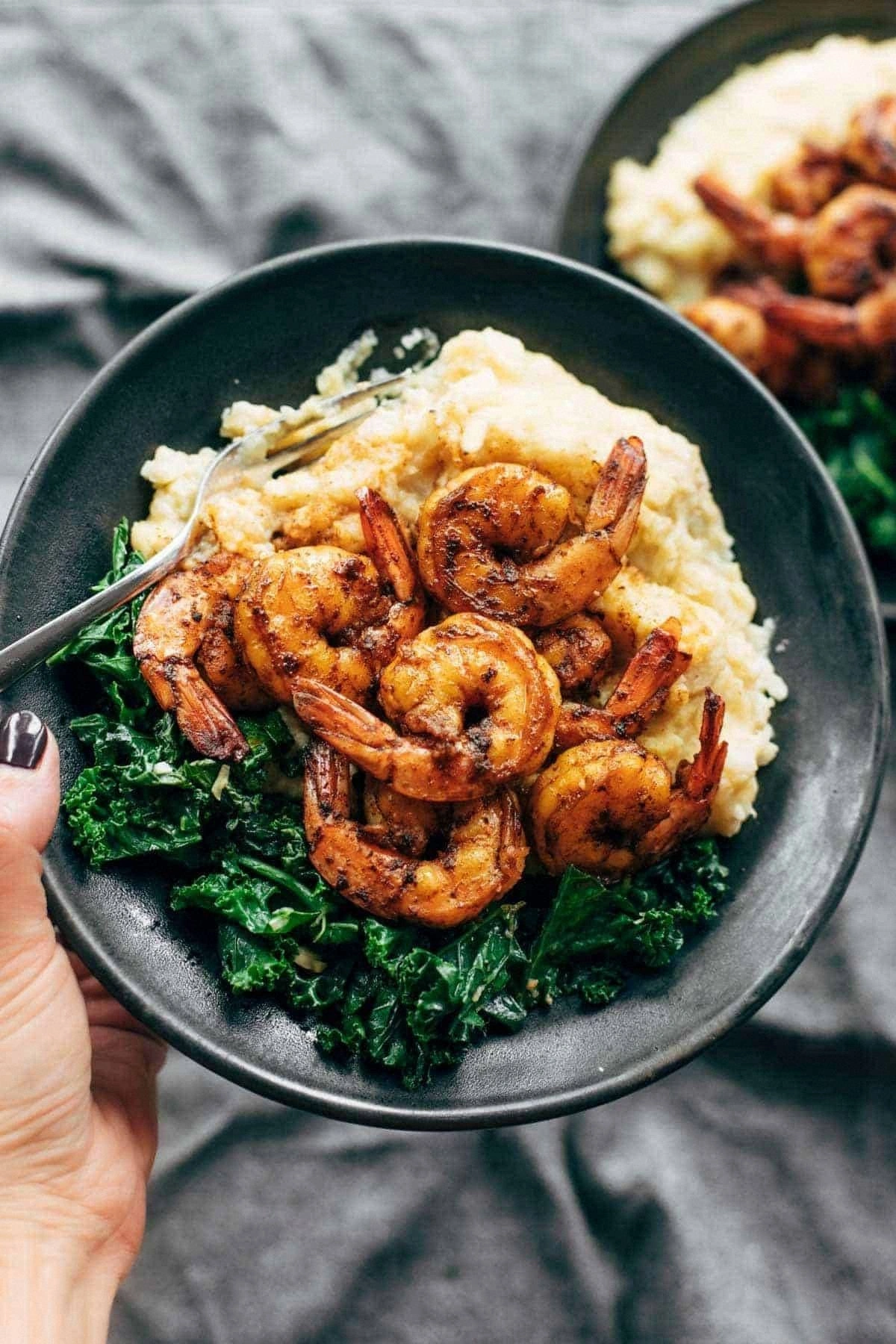
- Visual Appeal: The vibrant orange shrimp against the creamy white mash looks like a work of art on any plate.
Inside the Ingredient List
The Flavor Base
The backbone of this dish is a blend of garlic, smoked paprika, and cayenne pepper. Fresh minced garlic releases a sweet, aromatic perfume that becomes the first thing you notice when the shrimp hit the pan. Smoked paprika adds a deep, earthy undertone that feels like a slow‑burning ember, while cayenne injects that daring heat you crave. If you skip the garlic, you’ll lose the foundational aroma; if you omit the smoked paprika, the dish can feel one‑dimensional. For a milder version, halve the cayenne and add a pinch of sweet paprika instead.
The Texture Crew
Shrimp, the star protein, brings a snap that’s impossible to replicate with any other seafood. Fresh, wild‑caught shrimp have a firmer, meatier bite compared to farm‑raised varieties, which can turn rubbery if overcooked. The cauliflower is transformed into a silky mash after being roasted, giving a buttery mouthfeel that balances the shrimp’s firmness. If you’re missing cauliflower, try a blend of parsnip and turnip for a similar creamy texture, but expect a slightly sweeter profile.
The Unexpected Star
Lemon zest and juice act as the secret brighteners, cutting through the richness and lifting the entire dish. The zest adds a fragrant citrus oil that clings to the shrimp, while the juice adds a subtle tang that prevents the heat from feeling oppressive. Missing this component results in a flat, overly heavy plate. If lemons are out of season, a splash of lime or a dash of rice vinegar can work in a pinch, though the flavor will shift toward a more tropical note.
The Final Flourish
A final drizzle of cold‑pressed olive oil and a handful of chopped fresh parsley bring color, freshness, and a silky finish that ties everything together. The oil adds richness without making the dish greasy, while parsley provides a bright green contrast that’s pleasing to the eye. Skipping the parsley will make the dish look dull, and using too much oil can drown out the nuanced spices. For a nutty twist, finish with toasted almond slivers or a sprinkle of grated Parmesan.
Everything's prepped? Good. Let's get into the real action…
The Method — Step by Step
Start by preheating your oven to 425°F (220°C). While the oven heats, break the cauliflower into florets and toss them with a tablespoon of olive oil, a pinch of salt, and a generous drizzle of melted butter. Spread the florets on a baking sheet in a single layer; the goal is to achieve a caramelized edge, not a steam bath. Roast for 20‑25 minutes, shaking the pan halfway through, until the tops are golden brown and you can smell a nutty, toasty aroma. This step is crucial because the roasted flavor is what gives the mash its depth.
While the cauliflower roasts, pat the shrimp dry with paper towels. This may sound trivial, but a dry surface is the secret to that coveted sear. Season the shrimp on both sides with salt, pepper, smoked paprika, and cayenne; the spices should cling like a thin dusting of snow. Let the shrimp sit for five minutes—this brief rest lets the seasoning penetrate, ensuring every bite bursts with flavor.
Heat a large cast‑iron skillet over medium‑high heat and add a splash of olive oil followed by a knob of butter. Once the butter foams and begins to turn light brown, it’s time for the shrimp. Place the shrimp in a single layer, giving each piece enough room to breathe; crowding the pan will steam them instead of searing. Cook for 2‑3 minutes per side, watching for that beautiful caramelized crust that should appear as soon as the edges start to turn pink and the scent becomes intoxicating. That sizzle when it hits the pan? Absolute perfection.
When the shrimp are nearly done, add the minced garlic and a splash of lemon juice to the pan. The garlic should turn fragrant within 30 seconds—watch it carefully, because burnt garlic turns bitter fast. Stir the shrimp gently, letting the garlic coat each piece, and let the lemon juice deglaze the pan, lifting all those caramelized bits stuck to the bottom. This creates a quick, glossy sauce that clings to the shrimp like a silky veil.
While the shrimp finish, transfer the roasted cauliflower into a food processor. Add a couple of tablespoons of cream cheese or a splash of heavy cream, a pinch of nutmeg, and the remaining butter. Pulse until you achieve a smooth, velvety mash—think cloud‑like consistency that spreads easily on a plate. Taste and adjust salt, pepper, and a final squeeze of lemon to brighten the flavor. If the mash feels too thick, add a tablespoon of warm water to loosen it up.
Now comes the crucial assembly. Spoon a generous mound of cauliflower mash onto each serving plate, spreading it slightly with the back of a spoon. Arrange the seared shrimp on top, letting the glossy garlic‑lemon sauce drizzle over the mash. Finish with a scatter of fresh parsley, a drizzle of extra‑virgin olive oil, and, if you’re feeling indulgent, a light dusting of flaky sea salt.
Give the assembled plates a final squeeze of lemon and a pinch of crushed red pepper flakes for those who love extra heat. Let the dish rest for two minutes—this pause allows the flavors to meld and the steam to settle, so you won’t burn your tongue on a scorching sauce. Serve immediately, and watch as your guests dive in, eyes widening at the vibrant colors and aromas.
That’s it — you did it. But hold on, I've got a few more tricks that'll take this to another level. A quick garnish of toasted almond slivers adds a surprise crunch, and a drizzle of herb‑infused oil can transform the dish into a gourmet masterpiece. Feel free to experiment, but remember: the core of this recipe is balance, so keep the flavors harmonious and the textures contrasting.
Insider Tricks for Flawless Results
The Temperature Rule Nobody Follows
Never start cooking shrimp on low heat. A hot pan creates an instant sear, sealing in juices and giving you that coveted caramelized crust. If your pan isn’t hot enough, the shrimp will release water and steam instead of brown, resulting in a soggy texture. I once tried a “gentle” approach and ended up with shrimp that tasted more like boiled seafood than a sizzling masterpiece. Trust the heat, and you’ll never look back.
Why Your Nose Knows Best
Your sense of smell is the ultimate doneness gauge. When the cauliflower florets start to turn golden and emit a nutty, toasted perfume, they’re ready to be mashed. Similarly, the moment the shrimp hit the pan and you smell a sweet, buttery aroma, you know the sear is forming. If you can’t smell that buttery nuttiness, keep the oven on a few minutes longer. The nose truly knows what a timer can’t convey.
The 5‑Minute Rest That Changes Everything
After the shrimp finishes cooking, let them rest for exactly five minutes before serving. This short pause allows the juices to redistribute, preventing the meat from spilling out when you cut into them. I once served shrimp straight from the pan, and the juices ran everywhere, making the mash soggy. Those five minutes are a game‑changer—your plate stays dry, and each bite remains perfectly juicy.
Butter‑First, Then Oil
Starting with butter and finishing with a splash of oil raises the smoke point, preventing the butter from burning while still imparting that rich flavor. The oil also helps create a glossy finish on the shrimp. Skipping this step can lead to a burnt, bitter taste that overpowers the delicate spices. It’s a tiny tweak that adds a whole new level of sophistication.
Seasoning Layers, Not a One‑Time Dump
Season the shrimp, the cauliflower, and the final sauce separately. Each component absorbs flavors differently, so a single seasoning step would leave the mash bland and the shrimp oversalted. By seasoning at each stage, you build depth and ensure every bite is perfectly balanced. A friend tried to season only the shrimp and ended up with a bland mash that made the whole dish feel incomplete.
Creative Twists and Variations
This recipe is a playground. Here are some of my favorite ways to switch things up:
Coconut Curry Kick
Swap the smoked paprika for a tablespoon of Thai red curry paste and replace the lemon juice with coconut milk. The result is a creamy, exotic twist that pairs beautifully with the cauliflower, turning the dish into a tropical feast.
Garlic‑Butter Herb Explosion
Add a handful of fresh thyme and rosemary to the pan along with the garlic. Finish with a dollop of herb‑infused butter on top of the shrimp for an earthy, aromatic finish that will make you feel like you’re dining in a countryside bistro.
Spicy Chipotle Lime
Introduce chipotle in adobo sauce for a smoky, deep heat, and increase the lime juice for extra zing. This variation leans toward a Mexican vibe and pairs well with a side of black beans.
Cheesy Cauliflower Mash
Stir in a half‑cup of shredded sharp cheddar or Gruyère into the mash just before serving. The cheese melts into the cauliflower, creating a luxurious, velvety texture that’s perfect for cheese lovers.
Nutty Crunch
Top the finished dish with toasted almond slivers or crushed pistachios. The nutty crunch adds an unexpected textural surprise that contrasts the soft mash and juicy shrimp.
Storing and Bringing It Back to Life
Fridge Storage
Place the cauliflower mash in an airtight container and store for up to three days. Keep the shrimp in a separate shallow dish, covered with a thin layer of olive oil to prevent drying. When ready to serve, gently reheat the mash over low heat, adding a splash of water or broth to restore its creaminess.
Freezer Friendly
Both components freeze well. Portion the mash into freezer‑safe bags, flattening them for even thawing, and store for up to two months. Shrimp can be frozen raw, seasoned, and placed in a zip‑top bag. To reheat, thaw in the refrigerator overnight, then quickly sauté the shrimp for two minutes in a hot pan.
Best Reheating Method
For the ultimate comeback, reheat the mash in a skillet over medium heat, adding a tiny splash of water or broth; this creates steam that revives the silky texture. Shrimp should be reheated in a hot pan for just 30‑45 seconds to avoid overcooking. The dish will taste almost as fresh as the day you made it.