What Makes This Version Stand Out
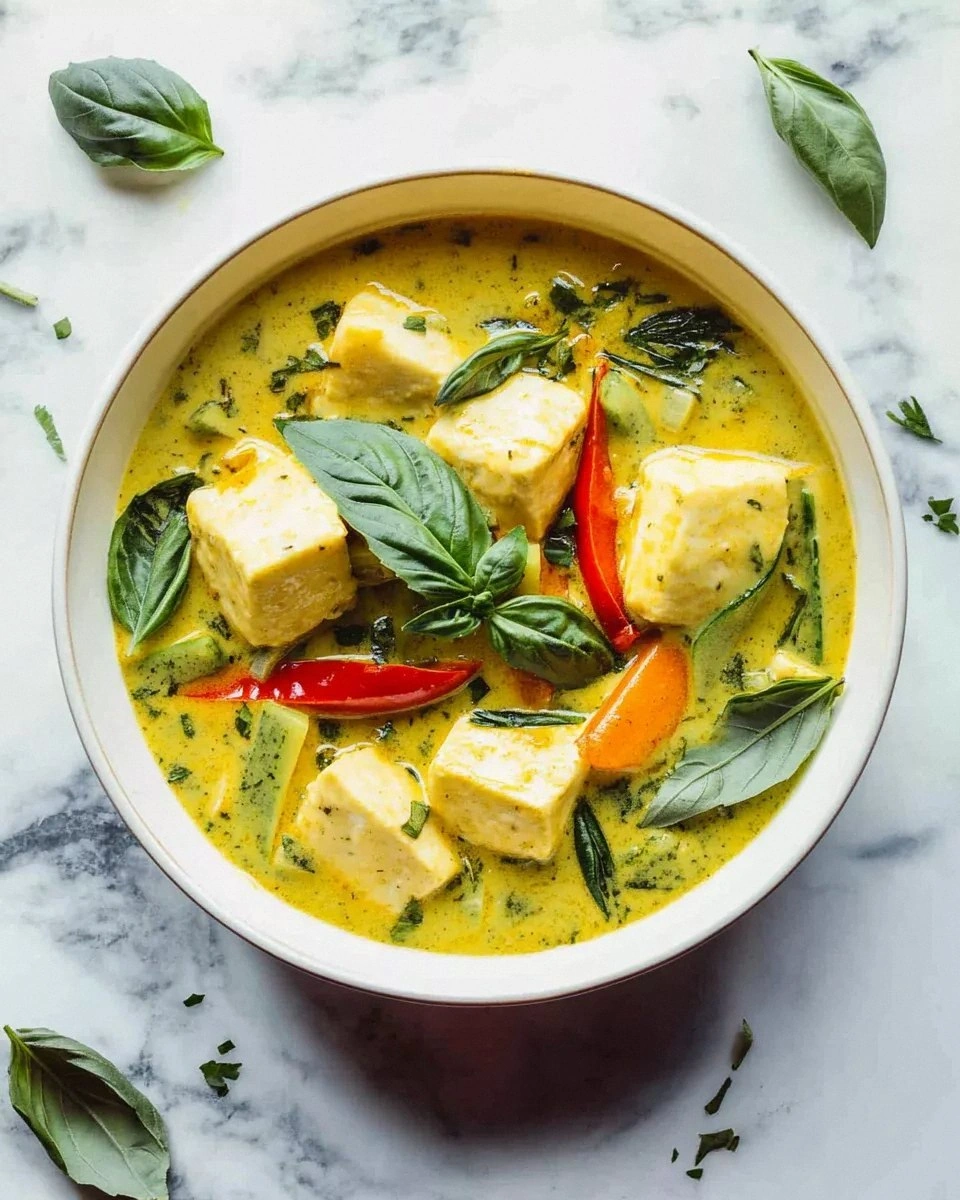
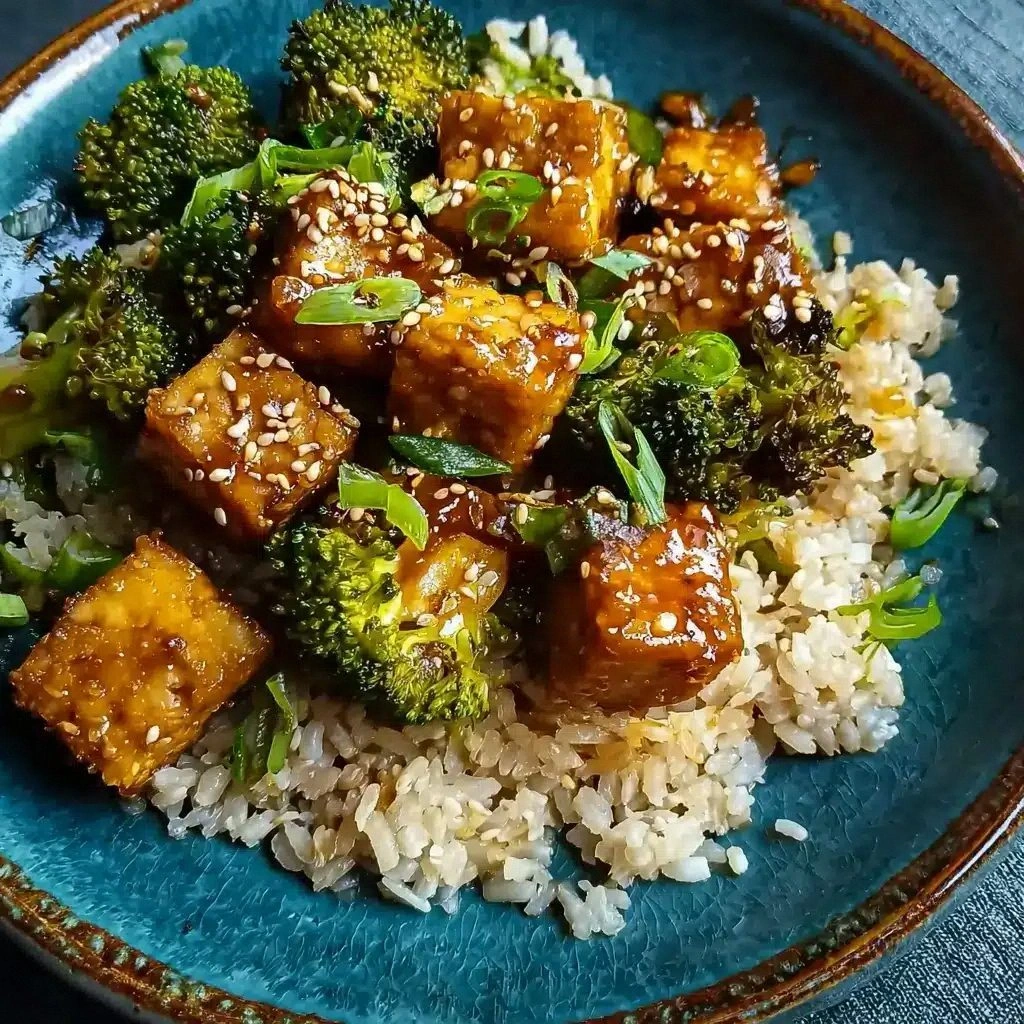
- Flavor: The sauce is a sweet‑savory glaze that caramelizes quickly, creating a glossy coat that clings to each tofu cube and gives every bite a satisfying bite‑feel.
- Texture: The tofu remains tender inside while developing a crisp, caramelized exterior, and the broccoli stays bright and slightly crunchy.
- Ingredient Quality: Using extra‑firm tofu, low‑sodium soy sauce, and freshly toasted sesame seeds ensures depth without overpowering the dish.
- Speed: The entire cooking process takes only 45 minutes from prep to plate, making it an ideal weeknight dinner.
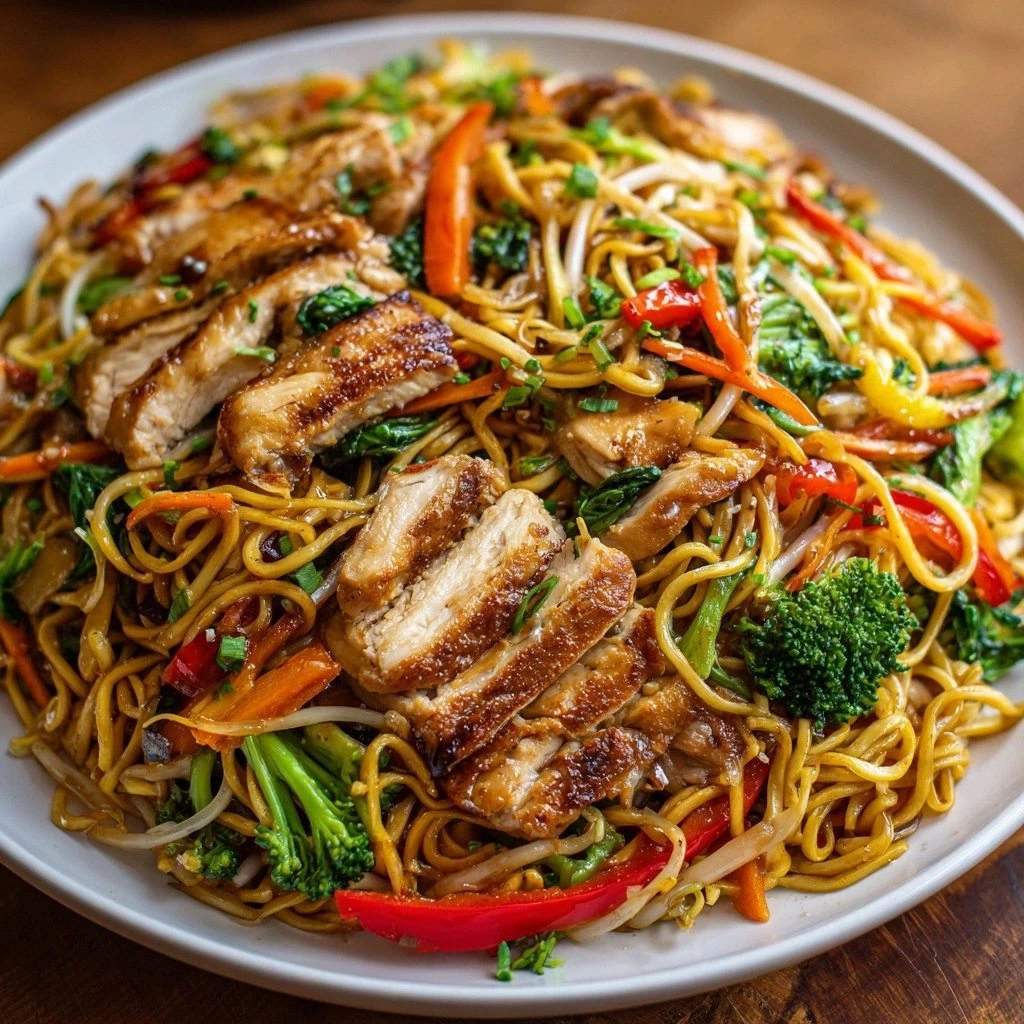
- Versatility: It pairs wonderfully with steamed rice, quinoa, or even ramen noodles, and can be served as a main or a hearty appetizer.
- Make‑Ahead Potential: The flavors deepen when left to rest, so you can prepare it in advance and reheat with minimal fuss.
Inside the Ingredient List
The Flavor Base
The foundation of this dish is a simple yet powerful sauce. Soy sauce brings umami and saltiness, while maple syrup or honey adds a natural sweetness that caramelizes when heated. Rice vinegar cuts through the richness and balances the sweetness, giving the glaze a bright, tangy edge. Sesame oil infuses the sauce with a toasted nutty aroma that elevates the overall flavor profile. Together, these ingredients create a glaze that’s sticky, glossy, and irresistibly flavorful.
The Texture Crew
Extra‑firm tofu is the star of the show; its dense flesh holds up well to high heat, allowing it to develop a caramelized crust without falling apart. Cornstarch acts as a binding agent, thickening the sauce to a silky consistency that clings to the tofu. Broccoli florets add a contrasting crunch and a pop of color, while their mild flavor balances the richness of the glaze. The toasted sesame seeds finish the dish with a subtle crunch and an aromatic finish that lingers on the tongue.
The Unexpected Star
Fresh ginger and minced garlic are the unsung heroes that bring depth and a gentle heat to the dish. Their aromatic compounds release during cooking, infusing the tofu and broccoli with a bright, zesty undertone. If you’re looking for a milder version, you can reduce the ginger to half a teaspoon or omit the garlic entirely, but the dish will lose a layer of complexity.
The Final Flourish
Green onions add a fresh, oniony snap that cuts through the sweetness, while a splash of sesame oil at the end of cooking rounds out the nutty flavor. Salt and pepper are added to taste, ensuring the dish isn’t too salty or bland. A pinch of chili flakes can be included for a subtle heat that contrasts the sweet glaze.
Everything's prepped? Good. Let's get into the real action...
The Method — Step by Step
- Begin by pressing the tofu for at least 15 minutes to remove excess moisture; this step is crucial for achieving a crisp exterior. Once pressed, cut the tofu into 1‑inch cubes, setting them aside on a paper‑towel‑lined tray to absorb any residual water. This simple move saves you from soggy tofu and sets the stage for a perfect caramelized glaze.
- Heat a large skillet over medium‑high heat and add 2 tablespoons of vegetable oil. As soon as the oil shimmers, add the tofu cubes in a single layer, leaving space between each piece so they can brown evenly. Let the tofu cook undisturbed for 3–4 minutes until the bottom turns golden brown, then flip to brown the other side.
- While the tofu is searing, whisk together 2 tablespoons of soy sauce, 1 tablespoon of maple syrup, 1 tablespoon of rice vinegar, 1 teaspoon of sesame oil, 1 teaspoon of cornstarch, 1 clove of minced garlic, 1 teaspoon of grated ginger, and a pinch of salt and pepper. This mixture will become the glossy, sticky glaze that defines the dish.
- When the tofu has browned on all sides, pour the sauce mixture over the pan. Stir gently to coat the tofu, then reduce the heat to medium. The sauce will begin to thicken and bubble, signaling that the caramelization is underway.
- Add the broccoli florets to the pan, tossing them in the sauce so they’re evenly coated. Cover the skillet with a lid and let the broccoli steam for 3–4 minutes until it turns bright green and just tender. The broccoli should maintain a slight crunch, adding a delightful textural contrast.
- Uncover the skillet and let the sauce reduce further, stirring occasionally. The glaze should become thick enough to coat the back of a spoon and cling to the tofu and broccoli. This step is the moment of truth; if the sauce reduces too quickly, you risk burning it, so keep a close eye.
- Sprinkle the sliced green onions and toasted sesame seeds over the dish, then give everything one final toss to distribute the flavors. The sesame seeds will pop slightly when heated, releasing their nutty aroma.
- Remove the skillet from the heat and let the dish rest for 1–2 minutes. This brief rest allows the glaze to set and the tofu to finish cooking in its own steam, ensuring a perfectly sticky finish.
- Serve immediately over steamed rice, quinoa, or noodles, garnishing with a drizzle of sesame oil and a few extra sesame seeds if desired. The dish is best enjoyed hot, when the glaze is still glossy and the tofu is warm.
That's it — you did it. But hold on, I've got a few more tricks that'll take this to another level...
Insider Tricks for Flawless Results
The Temperature Rule Nobody Follows
Many cooks lower the heat too soon, resulting in a sauce that never caramelizes properly. Keep the skillet on medium‑high until the tofu is browned on all sides, then reduce only after the tofu has a good crust. This ensures the sugars in the glaze caramelize evenly, creating that signature glossy sheen.
Why Your Nose Knows Best
When the sauce starts to thicken, a sweet, caramelized aroma will fill the kitchen. That scent is your cue that the glaze is ready. If the aroma is more vinegar than sweet, it’s still too early; if it’s burning, you’re overcooking. Trust your nose as the ultimate flavor gauge.
The 5‑Minute Rest That Changes Everything
Letting the dish rest after cooking allows the flavors to meld and the glaze to set. During this brief pause, the tofu absorbs the last of the sauce, becoming even more succulent. I’ve seen people skip this step, only to find the tofu still a bit dry when served.
The Power of Freshness
Using fresh ginger and garlic is essential. Fresh aromatics bring bright, clean flavors that canned or dehydrated versions can’t match. If you’re short on fresh, a teaspoon of ginger paste or garlic paste can substitute, but the dish will feel a bit flat.
The Secret to a Crispy Broccoli
To keep the broccoli bright green and slightly crunchy, sauté it in the same pan after the tofu is browned, but do not overcook. A quick steam finish preserves its color and texture. Overcooking turns it mushy and dull.
The Final Touch of Sesame Oil
A light drizzle of sesame oil at the end unlocks the nutty aroma and adds a glossy sheen. It also balances the sweetness of the glaze, preventing it from becoming cloying. Sprinkle it just before serving for the freshest flavor.
Creative Twists and Variations
This recipe is a playground. Here are some of my favorite ways to switch things up:
Spicy Szechuan Twist
Add a tablespoon of Szechuan peppercorns and a pinch of chili flakes to the sauce for a numbing heat that pairs beautifully with the sweet glaze. This version is perfect for those who love a bit of spice.
Citrus Burst
Replace half of the maple syrup with fresh orange juice and add a tablespoon of grated orange zest. The citrus brightness cuts through the richness and adds a fragrant, uplifting note.
Mushroom Medley
Sauté sliced shiitake or cremini mushrooms with the tofu for a meaty umami depth. The mushrooms absorb the glaze and add an earthy layer that complements the sesame flavor.
Thai Coconut Twist
Replace half the soy sauce with coconut aminos and stir in a quarter cup of coconut milk. The result is a creamy, slightly sweet sauce that brings a tropical vibe to the dish.
Vegan Protein Punch
Swap tofu for tempeh or seitan for a different texture and protein profile. Both hold up well to the glaze and add a distinct flavor.
Gluten‑Free Option
Use tamari instead of soy sauce and ensure your cornstarch is gluten‑free. This simple swap keeps the dish safe for those with gluten sensitivities.
Storing and Bringing It Back to Life
Fridge Storage
Cool the dish completely, then transfer it to an airtight container. Store in the refrigerator for up to 3 days. The glaze may thicken slightly, but the flavors will deepen.
Freezer Friendly
For longer storage, portion the dish into freezer‑safe containers and freeze for up to 2 months. Thaw overnight in the fridge before reheating.
Best Reheating Method
Reheat in a skillet over medium heat, adding a splash of water or broth to loosen the glaze and bring it back to a silky sheen. Stir gently until heated through, then serve immediately.