I still remember the night I burned my first quiche and the way my kitchen smelled like a failed experiment. The crust was charred, the filling was a lumpy mess, and my friends laughed at my culinary misstep. That disaster turned into a dare: “Make a quiche that actually tastes like a triumph.” I took that challenge, grabbed a pre‑made pie crust, and decided to turn winter’s bounty into a masterpiece that would make my kitchen sing.
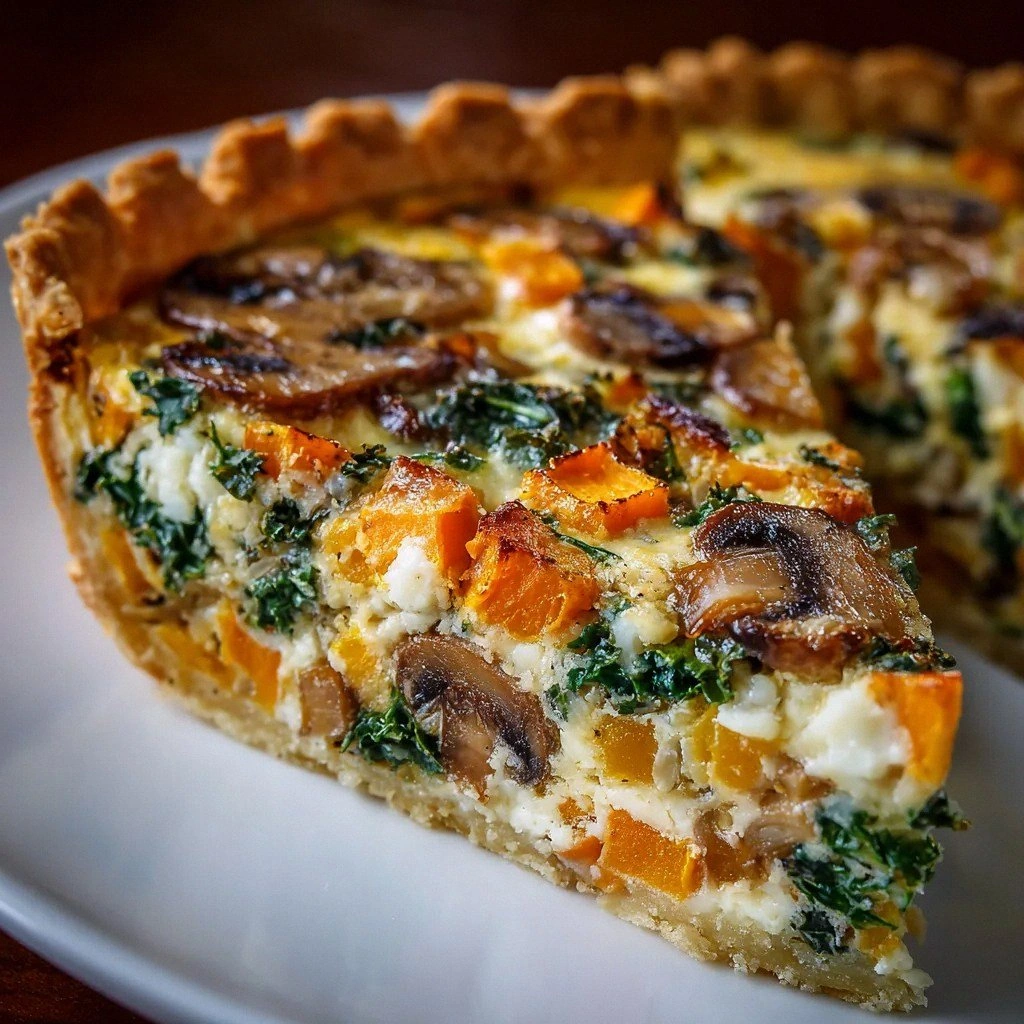
Picture this: the oven’s preheat hum, the gentle sizzle of sautéed onions, the sweet aroma of roasted butternut squash, and the earthy perfume of mushrooms dancing in butter. The sight of kale leaves shimmering in the pan feels like a green splash against the golden backdrop. As the mixture bubbles, a whisper of cheddar’s sharpness cuts through, promising a velvety finish. I swear the kitchen air was thick with anticipation, and the moment the quiche emerged, every bite felt like a warm hug on a cold morning.
What makes this version stand out from every other quiche you’ve tried? It’s the balance of textures: crisp edges that crack like thin ice, a silky custard that clings to the fillings, and a subtle crunch from caramelized onions. It’s the use of pre‑made pie crust—no more chasing flaky perfection, just a reliable base that lets you focus on flavor. And the secret weapon: a splash of milk that keeps the custard airy and the cheese melt perfectly. I dare you to taste this and not go back for seconds; it’s a single bite that keeps you coming back for more.
I’ll be honest—after the first bite, I was already planning the second round before anyone else could touch the plate. The flavors are bold, the colors vivid, and the experience is hands down the best version you’ll ever make at home. Most recipes get this completely wrong by over‑sautéing the vegetables or using too much cheese, but here we keep it simple, natural, and utterly delicious. Picture yourself pulling this out of the oven, the whole kitchen smelling incredible, and knowing that every bite will remind you of winter’s cozy embrace.
What Makes This Version Stand Out
- Taste: The combination of sweet butternut squash, earthy mushrooms, and sharp cheddar creates a flavor profile that feels like a comforting hug.
- Texture: The crust is flaky yet sturdy, the custard is silky, and the vegetables provide a satisfying bite—each component complements the others.
- Simultaneous Simplicity: With a pre‑made crust and minimal prep steps, you can assemble this quiche in under 20 minutes.
- Ingredient Quality: Fresh kale and seasonal squash elevate the dish, while the cheese’s meltability ensures a cohesive finish.
- Make‑Ahead Friendly: Assemble the quiche, bake, and it stays fresh for days in the fridge, making it ideal for meal prep.
- Crowd Reaction: Friends and family rave about how it tastes like a homemade version, but with less effort.
Alright, let’s break down exactly what goes into this masterpiece…
Inside the Ingredient List
The Flavor Base
Pre‑made pie crust: The crust is the silent hero that holds everything together. It provides a buttery foundation that contrasts with the creamy filling. If you skip it, you lose that essential crunch and the quiche would feel like a flat pancake. I recommend a store‑bought crust for speed, but if you’re adventurous, a homemade crust can add a personal touch.
Large eggs: Eggs are the binding agent, giving the custard structure and richness. They also carry the flavors of the vegetables and cheese. Skipping eggs would result in a watery filling that spreads into the crust. For a lighter version, you can replace one egg with an equal amount of silken tofu, but that will change the texture.
The Texture Crew
Milk: Milk adds creaminess to the custard and helps the cheese melt evenly. Whole milk gives the richest taste, while skim milk keeps it lighter. If you’re vegan, a plant‑based milk works fine, but choose one that’s unsweetened to avoid a sweet aftertaste. Skipping milk will make the custard too thick and difficult to spread.
Shredded cheese: Cheddar is the classic choice for its sharp flavor and excellent melt. It creates a golden top that’s both visually appealing and flavorful. You can experiment with mozzarella for a milder taste or goat cheese for a tangy twist. If you skip cheese, the quiche will lack that satisfying gooeyness.
The Unexpected Star
Diced butternut squash: This sweet, creamy vegetable brings a natural sweetness that balances the earthy mushrooms. It also adds a pop of orange that brightens the dish. If you can’t find butternut squash, sweet potatoes or zucchini work as substitutes, but they’ll alter the flavor profile slightly. Leaving it out would make the quiche feel flat.
Sliced mushrooms: Mushrooms add depth and umami, turning the quiche into a savory delight. Their earthy aroma is essential for that “restaurant‑quality” taste. If you’re allergic to mushrooms, try roasted bell peppers for a different bite. Skipping them will leave a noticeable void in flavor.
The Final Flourish
Chopped kale: Kale’s robust flavor and nutrient density give the quiche a wholesome punch. It also adds a green contrast that looks appetizing. If you prefer a milder taste, spinach or Swiss chard are great swaps. Removing kale will reduce the quiche’s nutritional value and color.
Diced onion: Onions bring sweetness and depth. Yellow onions offer a mellow flavor, while red onions add a subtle bite. If you’re avoiding onions, try shallots for a delicate touch. Skipping onions will leave the filling less complex.
Salt and pepper: Seasoning is the final touch that brings all the flavors together. Salt enhances sweetness and balances bitterness, while pepper adds a gentle heat. Taste as you go; you’ll notice how these small adjustments elevate the dish. If you’re low on salt, a pinch of smoked paprika can add depth.
Everything’s prepped? Good. Let’s get into the real action…
The Method — Step by Step
- Preheat the oven to 375°F (190°C). While it warms, line a 9‑inch pie dish with the pre‑made crust, pressing it firmly into the corners and trimming any excess. This step ensures a sturdy base that won’t buckle when you add the filling. As the oven preheats, you’ll notice the air in your kitchen grow warm and inviting.
- Sauté the aromatics in a large skillet over medium heat. Add 1 tablespoon of butter and let it melt, then toss in 1/2 cup diced onion. Cook until translucent, about 5 minutes, stirring frequently to avoid sticking. The onions should develop a golden hue, signaling readiness. This is the moment when the kitchen smells like comfort food.
- Add the mushrooms to the skillet. Stir in 1 cup sliced mushrooms and cook until they release their moisture and begin to brown, about 7 minutes. The mushrooms should become caramelized, adding depth to the flavor. Keep the heat moderate to prevent burning.
- Introduce the squash and kale. Add 1 cup diced butternut squash and 2 cups chopped kale to the pan. Stir everything together, cover, and let steam for 4–5 minutes until the squash softens slightly. The kale will wilt, releasing its earthy aroma. This step ensures the vegetables are tender but still hold their shape.
- Whisk the custard in a bowl. Beat 4 large eggs, 1 cup milk, 1 cup shredded cheddar, 1/2 teaspoon salt, and 1/4 teaspoon pepper until fully combined. The mixture should be smooth and slightly frothy. This custard will coat the vegetables, binding them into a cohesive filling.
- Combine filling and crust in a separate bowl. Gently fold the sautéed vegetables into the custard, ensuring even distribution. Then, pour the mixture into the prepared crust, spreading it evenly with a spatula. The filling should settle into the bottom, creating a smooth surface.
- Bake the quiche for 30 minutes or until the top is golden brown and the custard is set. If the edges brown too quickly, tent the quiche with foil to prevent burning. The center should hold a slight jiggle when you tap it—this indicates proper doneness.
- Cool before slicing the quiche. Let it rest on a rack for 10 minutes; this allows the custard to firm up, making slicing cleaner. The aroma at this point is irresistible, and the crust remains flaky. Slice and serve warm for the best experience.
That’s it — you did it. But hold on, I've got a few more tricks that'll take this to another level…
Insider Tricks for Flawless Results
The Temperature Rule Nobody Follows
Control the oven temperature precisely: 375°F (190°C) is ideal for a golden crust without over‑browning. Many people set the oven too high, causing the edges to burn while the center remains uncooked. I once baked a quiche at 400°F and it came out with a burnt top and a raw middle—lesson learned. Keep the oven calibrated, and you’ll achieve that perfect balance every time.
Why Your Nose Knows Best
Use your sense of smell to gauge doneness. When the custard is set, the aroma will shift from creamy to a subtle, baked scent. If it still smells like raw eggs, it needs more time. I’ve found that the first time the quiche smells like melted cheese, it’s ready to come out of the oven. Trust your nose—it’s a reliable indicator.
The 5‑Minute Rest That Changes Everything
Let the quiche rest for 5–10 minutes after baking. This brief pause allows the custard to set completely, making slicing cleaner and preventing a mushy center. I once cut straight out of the oven, and the filling spilled everywhere. A short rest turns a mess into a masterpiece.
Keep It Light with a Splash
Add a splash of milk or broth before reheating leftovers. This trick keeps the custard from drying out and restores its creamy texture. I’ve used this method to bring a week‑old quiche back to life, and it tasted almost as fresh as when it first came out of the oven.
Cheese Variety for Flavor Depth
Mix cheeses for a richer flavor profile. Combining cheddar with a bit of Gruyère or mozzarella adds complexity. I once added a dash of smoked gouda, and the result was a subtle smoky undertone that elevated the dish. Experimenting with cheese is a great way to personalize the recipe.
Creative Twists and Variations
This recipe is a playground. Here are some of my favorite ways to switch things up:
Mediterranean Delight
Swap kale for spinach and add sun‑dried tomatoes, olives, and feta cheese. The briny notes pair wonderfully with the sweet squash, creating a Mediterranean flavor profile that’s both bright and comforting.
Spicy Southwest
Introduce a handful of roasted red peppers, a dash of cumin, and a sprinkle of pepper jack cheese. The heat from the peppers and the sharpness of the cheese bring a southwestern twist that’s perfect for brunch.
Vegan Version
Replace eggs with a mixture of silken tofu and chickpea flour, use a plant‑based milk, and choose a vegan cheese alternative. The result is a creamy, dairy‑free quiche that still delivers on flavor.
Cheesy Breakfast Quiche
Add diced ham or bacon, and use a blend of cheddar and mozzarella. Serve with a side of fresh fruit for a balanced breakfast that feels indulgent.
Pumpkin Power
Swap butternut squash for pumpkin puree and add a pinch of nutmeg and cinnamon. The warm spices transform the quiche into a cozy autumn treat.
Herb‑Infused
Stir in chopped fresh herbs like thyme, rosemary, and parsley before baking. The herbs release their aroma during cooking, adding a fragrant layer to the dish.
Storing and Bringing It Back to Life
Fridge Storage
Cool the quiche completely before refrigerating. Store it in an airtight container for up to 3 days. The custard remains firm, and the crust stays flaky. When ready to eat, simply slice and enjoy cold or reheat.
Freezer Friendly
Wrap the quiche tightly in plastic wrap, then place it in a freezer bag. It can stay in the freezer for up to 2 months. To thaw, leave it in the fridge overnight. The texture stays intact, and the flavors remain vibrant.
Best Reheating Method
Reheat slices in a toaster oven or conventional oven at 350°F (175°C) for 10 minutes. For a quick microwave, add a splash of water to the slice and cover with a damp paper towel. The tiny splash of water steams the custard back to perfection, preventing it from drying out.