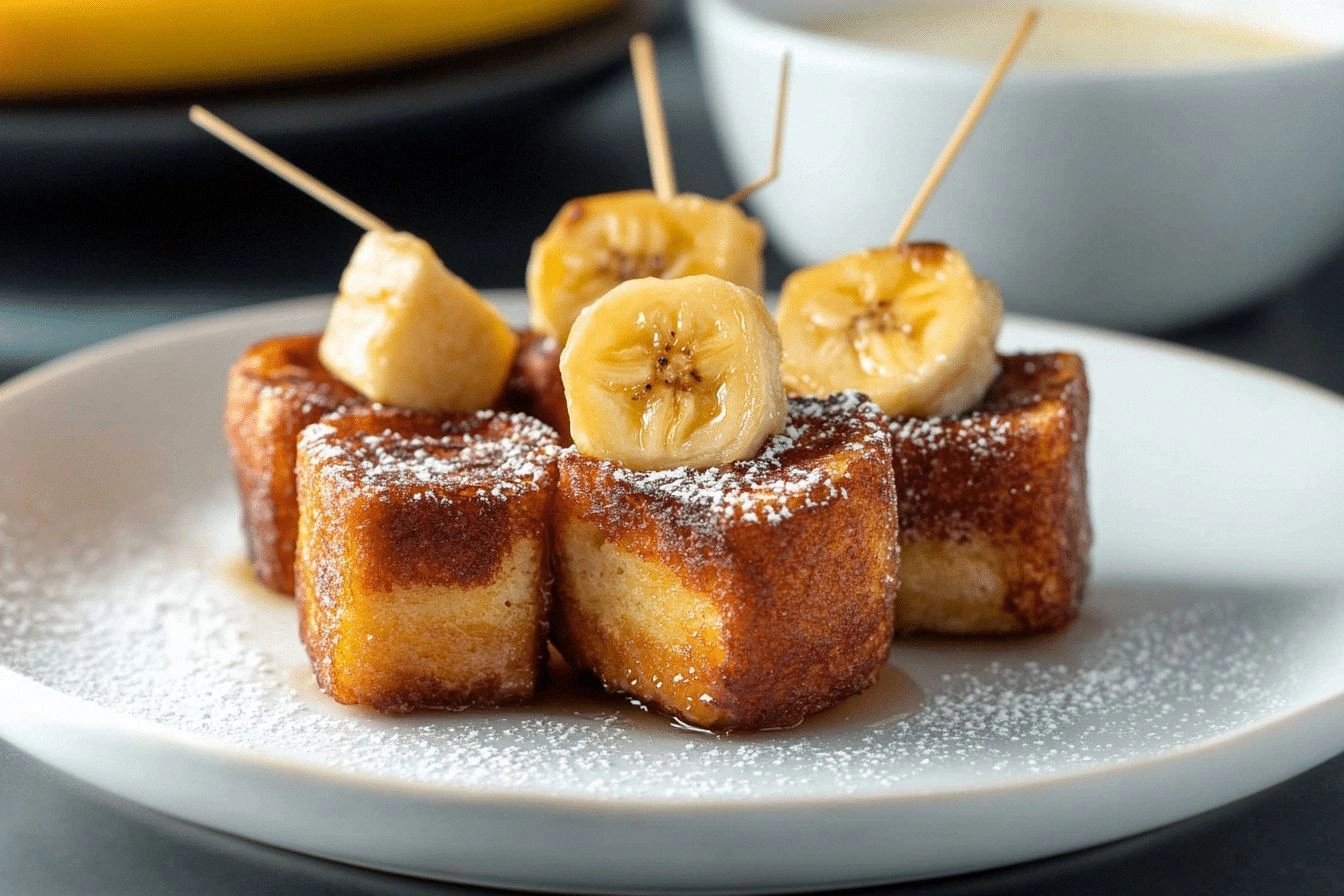
Picture this: I was standing in a kitchen that smelled of burnt toast, a lingering ghost of a failed pancake attempt, when the idea struck me like a lightning bolt. I’d been staring at an overripe banana bread, the kind that’s already gone stale, and thought, “What if I could resurrect this and make it the most decadent breakfast ever?” The result? A bite‑sized French toast that’s as comforting as a hug and as indulgent as a dessert. I dare you to taste this and not go back for seconds.
The first thing you notice is the aroma—warm, buttery, with a whisper of vanilla and a hint of cinnamon that tickles the nose. The texture is a paradoxical delight: the exterior is crisp, like a caramelized sugar shell, while the interior remains moist, tender, and surprisingly airy. I swear, the moment that first bite hits your tongue, the flavors explode like fireworks in a midnight sky, and you’re suddenly convinced this is hands down the best version you’ll ever make at home.
Why does this stand out? It’s not just the combination of banana bread and French toast; it’s the clever layering of custard that turns each cube into a small, golden pocket of joy. The custard isn’t a thick, heavy batter—it’s a light, airy soak that preserves the bread’s structure while infusing it with flavor. And the finishing touch? A drizzle of maple syrup or honey that adds a glossy, caramelized finish, turning every bite into a sweet, buttery masterpiece. This is the kind of dish that turns an ordinary morning into a celebration.
I’ll be honest—before I started experimenting, I was skeptical about turning leftover banana bread into something that could truly impress. I’ve seen countless attempts that ended up soggy or overly sweet. But the technique I discovered is simple, yet game‑changing: use a custard that’s thick enough to coat the bread but thin enough to soak through. The result? A bite that’s crisp on the outside and surprisingly fluffy inside, with a flavor profile that sings. Stay with me here—this is worth it.
What Makes This Version Stand Out
- Flavor: The custard is infused with vanilla, cinnamon, and nutmeg, creating a warm, aromatic base that elevates the banana bread’s natural sweetness.
- Texture: The bite is crisp on the outside yet pillowy inside, thanks to the precise soak time and careful pan‑frying.
- Simplicity: All you need is a few pantry staples, no fancy gadgets, and a single pan.
- Uniqueness: Combining banana bread with French toast is a rare culinary marriage that delivers unexpected depth.
- Crowd Reaction: Friends who’ve tried this rave about the contrast of crunchy and creamy, and they keep asking for the recipe.
- Ingredient Quality: Using a moist, sturdy banana bread and fresh eggs ensures a superior result every time.
- Make‑Ahead Potential: The bites can be prepped the night before and fried fresh in the morning, making it a stress‑free weekend breakfast.
- Versatility: Swap the banana bread for challah or brioche and you’re in for another delicious adventure.
Alright, let’s break down exactly what goes into this masterpiece…
Inside the Ingredient List
The Flavor Base
Banana bread slices form the heart of this dish. The key is to use a loaf that’s moist and sturdy; a dry loaf will crumble under the custard soak. If you’re working with a very moist loaf, consider lightly toasting the slices first to prevent them from becoming mushy. The banana flavor is the star, but the custard’s vanilla, cinnamon, and nutmeg weave a warm, aromatic tapestry that lifts the entire bite.
The Texture Crew
Eggs and milk (or cream) create the custard that coats each cube. The ratio of eggs to liquid is crucial: too much liquid and the bread will fall apart; too few and the custard will be thick and dry. Aim for a custard that’s thick enough to cling to the bread but thin enough to seep in. This balance ensures a crisp exterior after frying while keeping the interior moist and airy.
The Unexpected Star
Cinnamon and nutmeg are the unexpected stars that add depth and complexity. Cinnamon brings a sweet, woody note, while nutmeg offers a subtle, peppery warmth. Together they transform a simple banana bread into an exotic, comforting treat. If you’re allergic to nutmeg, a pinch of allspice can serve as a suitable substitute.
The Final Flourish
Butter or oil is essential for frying, giving the bites a golden, crispy exterior. Use a neutral oil like canola or a small amount of butter for extra flavor. Maple syrup or honey is optional but highly recommended for serving; a drizzle adds a glossy finish and a sweet counterpoint to the savory custard. If you prefer a lower-sugar option, a splash of almond milk with a touch of maple syrup will do the trick.
Everything’s prepped? Good. Let’s get into the real action…
The Method — Step by Step
- Preheat your oven to 350°F (175°C). While the oven warms, cut the banana bread into 1‑inch cubes. I like to keep the cubes uniform so they soak evenly and fry at the same rate. This step is crucial for that perfect bite‑size balance.
- In a medium bowl, whisk together the eggs, milk (or cream), vanilla extract, cinnamon, and nutmeg until the mixture is smooth and glossy. The custard should be thick enough to coat the bread but still pourable. Think of it as a silky sauce that will soak into every crevice.
- Place the banana bread cubes in a large zip‑lock bag and pour the custard over them. Seal the bag, shake vigorously, and let the mixture sit for 10 minutes. This is the moment of truth—watch the bread expand and absorb the flavors like a sponge.
- Heat a large skillet over medium heat and add butter or oil. Once the butter is melted and foamy, add the soaked bread cubes in a single layer. Do not overcrowd the pan; the cubes need room to brown evenly.
- Cook for 2–3 minutes on each side until golden brown and crisp. The edges should pull away slightly from the pan, indicating a perfect sear. This step is the heart of the dish—each bite should crackle pleasantly when you bite into it.
- Transfer the cooked bites to a wire rack to keep them from becoming soggy on the bottom. While they’re still hot, drizzle maple syrup or honey over the top. The syrup should soak into the cracks, giving each bite a glossy, caramelized finish.
- Serve immediately with a side of fresh berries or a dollop of whipped cream for an extra indulgent touch. The contrast of sweet, buttery bites with tart fruit is a flavor explosion.
- Optional: For a crunchy twist, sprinkle a pinch of sesame seeds on the bites before frying. They add a subtle nutty flavor and a pleasing crunch that pairs beautifully with the custard.
- Enjoy your banana bread French toast bites with a cup of coffee or tea. The warm, aromatic flavors will linger long after the last bite, making this a breakfast that stays with you throughout the day.
That’s it— you did it. But hold on, I’ve got a few more tricks that will take this to another level…
Insider Tricks for Flawless Results
The Temperature Rule Nobody Follows
Many people fry their bites on high heat, which leads to a burnt exterior and a soggy interior. I’ve found that medium heat is the sweet spot—enough to get a golden crust without drying out the custard. If you’re using a cast‑iron skillet, preheat it for a few minutes before adding butter. This ensures an even sear and a beautiful golden color.
Why Your Nose Knows Best
The first aroma you catch is a sign of perfection. When the custard begins to bubble gently and the butter starts to foam, that’s when the pan is ready. The scent of cinnamon and vanilla rising from the skillet signals that the flavor infusion is at its peak. Trust your nose; it’s the best judge of doneness.
The 5‑Minute Rest That Changes Everything
After frying, let the bites rest on a rack for 5 minutes. This small pause allows the steam to redistribute, keeping the interior moist while the exterior stays crisp. Skipping this step often results in a dry bite that feels like a stale piece of bread.
The Sweet‑Heat Balance
Maple syrup is the classic topping, but if you’re watching sugar, a light dusting of powdered sugar mixed with a splash of vanilla extract can provide the same sweet finish without the extra calories. I’ve also tried drizzling a thin layer of honey, which gives a subtle floral note that complements the banana.
The Quick‑Freeze Trick
If you’re preparing ahead, freeze the soaked cubes in a single layer on a baking sheet before frying. This prevents them from sticking together and saves time on busy mornings. Just pop them in the skillet when you’re ready; they’ll fry in the same amount of time as fresh cubes.
Creative Twists and Variations
This recipe is a playground. Here are some of my favorite ways to switch things up:
Challah‑Chic Bites
Swap banana bread for challah. The sweet, yeasted loaf pairs beautifully with the custard, adding a richer, more complex flavor profile that’s perfect for brunch.
Berry‑Burst Variation
Add fresh blueberries or strawberries to the custard mixture. The fruit releases juices that mingle with the custard, creating a fruity undertone that brightens each bite.
Nutty Crunch
Sprinkle chopped pecans or walnuts onto the pan before frying. The nuts toast to a golden crunch, adding a delightful texture contrast that elevates the dish.
Spiced Caramel Twist
Replace maple syrup with a drizzle of caramel sauce and add a pinch of cayenne pepper. The heat from the pepper balances the sweetness, creating a bold, adventurous flavor.
Coconut‑Infused Delight
Use coconut milk in the custard and sprinkle shredded coconut on top after frying. The tropical flavor profile transports you to a beachside breakfast in an instant.
Savory Savant
For a savory spin, reduce the sugar in the custard and add a dash of smoked paprika. Serve with a dollop of Greek yogurt and chives for a brunch that’s both sweet and savory.
Storing and Bringing It Back to Life
Fridge Storage
Store the cooked bites in an airtight container in the refrigerator for up to 3 days. Keep them on a paper towel to absorb excess moisture, which helps maintain crispness. When you’re ready to eat, reheat them in a toaster or skillet for 1–2 minutes.
Freezer Friendly
Freeze the soaked cubes before frying for up to 2 months. To cook, simply fry them from frozen; the extra time needed is minimal. This method is perfect for meal prepping.
Best Reheating Method
The best way to reheat is on a skillet over medium heat for 1–2 minutes per side, or in a toaster oven at 350°F for 5 minutes. Add a tiny splash of water to the pan before reheating to steam the bites back to perfection, keeping the interior moist and the exterior crisp.