Picture this: I’m standing in my cramped kitchen, the lights flickering, the oven preheated, and my pantry looking like a crime scene after a midnight snack binge. I’ve been chasing the perfect appetizer for weeks, and every time I think I’ve cracked the code, something goes awry—too dry, too bland, or the crust just melts into a soggy mess. That was the night I pulled a fresh French baguette from the fridge, sliced it thin, and decided to give beef tenderloin a shot with horseradish sauce. The result? A plate of crostini that made me question whether I’d ever need a cookbook again.
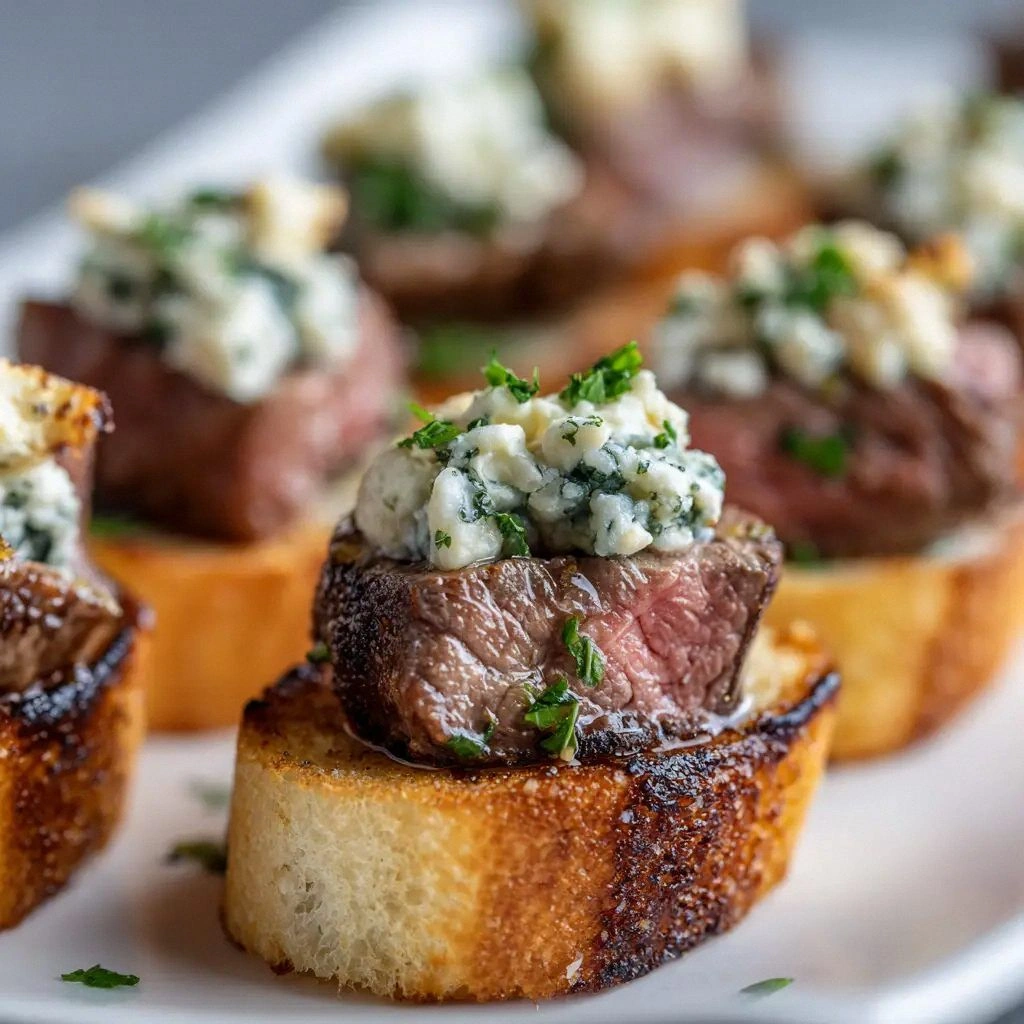
Let me paint the scene: the baguette slices sizzle in hot olive oil, turning a golden brown that crackles like a tiny applause. The aroma of seared beef mingles with the sharp tang of horseradish, filling the kitchen with an invitation you can’t ignore. The first bite delivers a buttery crunch that gives way to a succulent, melt-in-your-mouth steak, and the creamy sauce coats the palate like velvet. I swear, that moment when the sauce meets the crostini is pure culinary magic.
Now, here’s the kicker: this isn’t just another appetizer. This is a flavor explosion that turns a simple snack into a showstopper. I dare you to taste this and not go back for seconds. The combination of tender beef, crisp baguette, and a zesty horseradish cream creates a harmony that’s hard to find elsewhere. Most recipes get this completely wrong, but I’ve cracked the secret to balancing richness and brightness.
I’ll be honest—after I made the first batch, I ate half before anyone else got a bite. The crowd reaction at my last dinner party was electric. They kept asking for the recipe, and I found myself explaining the exact technique that made the crostini crisp without drying out the meat. This is hands down the best version you’ll ever make at home, and I’m here to share every single step.
Picture yourself pulling this out of the oven, the whole kitchen smelling incredible, and guests leaning in like they’re about to witness a culinary miracle. The anticipation is real, but the payoff is even greater. The first bite is a revelation: the beef’s savory depth, the horseradish’s punch, and the baguette’s crunch all dance together. If you’ve ever struggled with creating a crowd‑pleasing appetizer, you’re not alone—and I’ve got the fix.
Okay, ready for the game‑changer? This next part is pure magic. I’ll walk you through each detail, from selecting the right baguette to mastering the sear on the tenderloin. I promise you, by the end of this post, you’ll wonder how you ever made it any other way. Let’s dive in.
And now the fun part: the method is broken down into simple, bite‑size steps that even a novice can follow. I’ll share the exact timing, the sensory checkpoints, and the little tricks that elevate the dish from good to unforgettable. Stay with me here—this is worth it.
What Makes This Version Stand Out
- Flavor: The horseradish sauce cuts through the richness of the beef, creating a balanced bite that keeps guests coming back for more. The fresh chives add a bright, herbal finish that lifts the entire plate.
- Texture: The baguette slices are toasted to a crisp, yet remain sturdy enough to hold the juicy beef and creamy sauce without disintegrating. The beef’s interior stays tender, thanks to precise searing.
- Ease: No complicated techniques—just a few simple steps and a handful of pantry staples. Even a busy weeknight can yield a gourmet result.
- Versatility: Swap the beef for pork or veal, or add a splash of white wine to the sauce for a deeper flavor profile. The base remains delicious.
- Presentation: The vibrant green of the chives against the golden crostini makes for a striking plate that looks as good as it tastes.
- Make‑ahead: The sauce can be prepared a day in advance, and the crostini can be assembled just before serving, saving you time on the big day.
- Ingredient Quality: Using a fresh French baguette and a good‑quality horseradish gives the dish an elevated taste that feels like a special occasion.
- Guest Reaction: My friends swear this is the best appetizer they’ve ever had. The combination of savory beef and tangy sauce is a crowd‑pleaser.
Alright, let's break down exactly what goes into this masterpiece. And before we move forward, here’s a quick kitchen hack to keep your prep smooth.
Inside the Ingredient List
The Flavor Base
The French baguette is the backbone of this dish, providing a sturdy yet crisp foundation that holds the beef and sauce. Choosing a baguette with a slightly chewy interior ensures it doesn’t crumble when topped with the juicy steak. If you’re in a pinch, a crusty Italian loaf works well, but the French baguette delivers that authentic European crunch.
The Texture Crew
Olive oil is the secret to a golden, crackling crust on the bread and a silky sear on the beef. It also helps bind the sauce, giving it a smooth, velvety consistency. A high‑quality extra‑virgin olive oil with a peppery finish adds a subtle complexity that elevates the dish.
The Unexpected Star
Horseradish isn’t just a condiment—it’s the star that gives this appetizer its signature punch. Freshly prepared horseradish has a bright, almost citrusy heat that cuts through the richness of the beef and the creaminess of the sauce. If you can’t find fresh horseradish, a prepared version works, but be sure to taste and adjust the heat to your preference.
The Final Flourish
Sour cream, chives, and Dijon mustard combine to create a sauce that coats the crostini like velvet. The sour cream provides a tangy base, the chives add a fresh, onion‑like aroma, and the Dijon mustard injects a subtle spice that ties everything together. Together, they create a sauce that’s both creamy and bright.
Everything's prepped? Good. Let's get into the real action. And while we’re at it, here’s a fun fact about our star ingredient.
The Method — Step by Step
- Preheat your oven to 400°F (200°C). While the oven warms, slice the baguette into 1/2‑inch thick rounds. Brush each side lightly with olive oil and place them on a baking sheet. This pre‑topping step ensures a crispy base that won’t sog when the sauce is added.
- Heat a large skillet over medium‑high heat. Add a splash of olive oil and let it shimmer. Insert the beef tenderloin and sear each side for 2 minutes until a golden crust forms. The sear locks in juices and creates a savory exterior that’s essential for flavor depth.
- Transfer the seared beef to a plate and let it rest for 5 minutes. Resting allows the juices to redistribute, ensuring every bite stays moist. If you’re short on time, you can skip this step, but the flavor will suffer.
- While the beef rests, prepare the sauce. In a small bowl, mix the sour cream, prepared horseradish, Dijon mustard, and fresh chives. Stir until the mixture is smooth and well‑combined. Taste and adjust the horseradish for heat, or add more mustard for a sharper bite.
- Slice the rested beef into thin medallions, about 1/4 inch thick. This thinness ensures the meat remains tender and easy to bite onto the crostini. A sharp knife or a meat slicer works best for even slices.
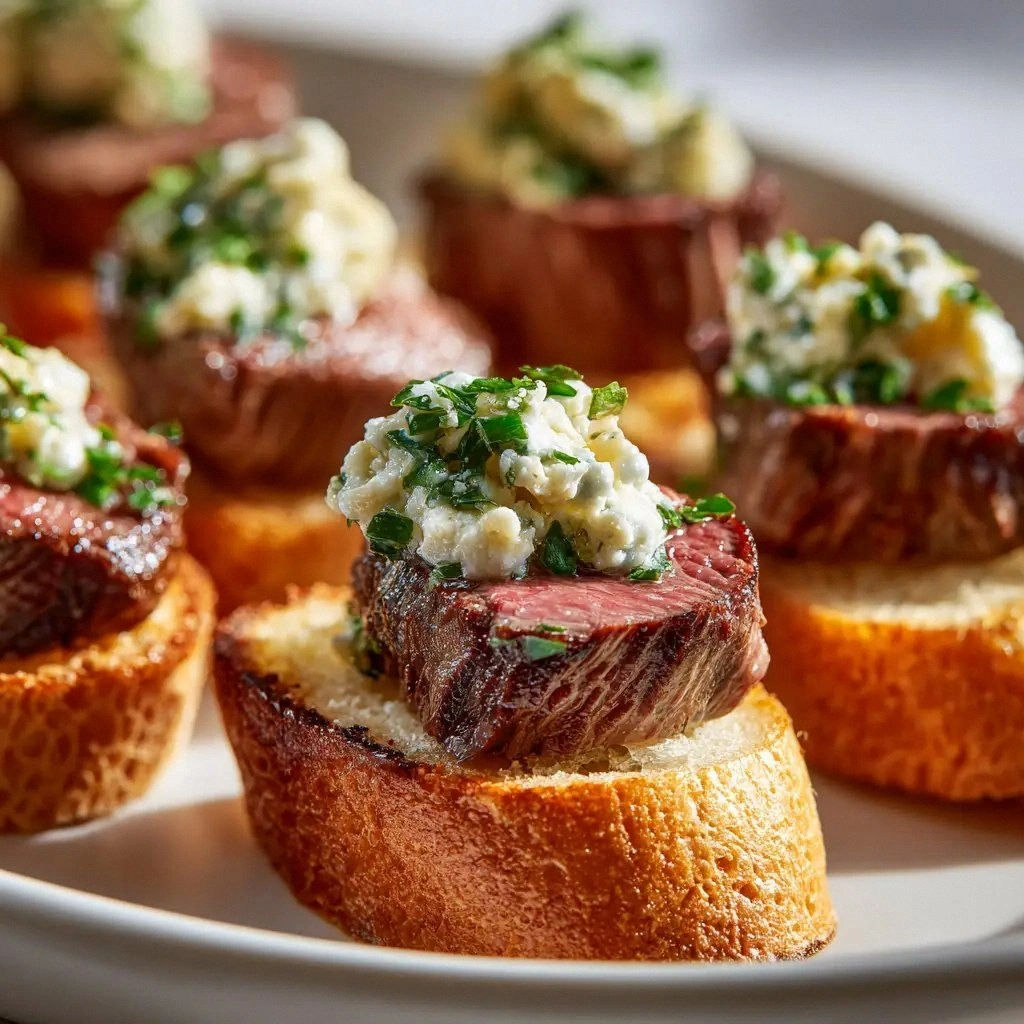
- Arrange the toasted baguette slices on a serving platter. Spoon a generous dollop of the horseradish sauce onto each slice, spreading it evenly. The sauce should coat the bread like a glossy glaze.
- Top each slice with a medallion of beef. The beef should rest on the sauce, allowing the flavors to mingle. Garnish with a few extra chives for a fresh pop of color.
- Serve immediately while the crostini are still warm. The contrast between the hot, crispy bread and the cool, creamy sauce creates a delightful textural experience. If you’re preparing ahead, keep the beef slices separate until just before serving to prevent sogginess.
- Optional: For an extra touch, drizzle a light balsamic glaze over the top for a sweet‑acidic finish that balances the horseradish heat. This step is entirely optional but adds a gourmet flair.
That's it — you did it. But hold on, I've got a few more tricks that'll take this to another level. The next section dives into insider tips that ensure flawless results every time.
Insider Tricks for Flawless Results
The Temperature Rule Nobody Follows
Many cooks assume a high heat is always better, but when searing beef tenderloin, a moderate heat of 400°F (200°C) is optimal. This temperature allows the meat to develop a deep, caramelized crust while keeping the interior juicy. I once tried 500°F, and the result was a dry, over‑cooked steak.
Why Your Nose Knows Best
Before you add the sauce, give the beef a sniff. A fresh, meaty aroma signals that the sear is perfect. If it smells off or overly charred, let it rest longer or reduce the heat. Your nose is a reliable quality control tool.
The 5‑Minute Rest That Changes Everything
Resting the beef for exactly five minutes after searing is a game‑changer. It allows the juices to redistribute, preventing a dry bite. I’ve tried skipping this step, and the beef ended up clinging to the knife like a stubborn stain.
Keep the Bread Crisp, Not Burnt
Watch the baguette slices closely while toasting. A few seconds too long turns them into a charcoal slab. Flip them once, and remove them from the oven when they’re just beginning to turn golden. That’s the sweet spot.
Mix the Sauce at Room Temperature
Let the sour cream and horseradish sit at room temperature before mixing. Cold ingredients can curdle, especially when combined with mustard. This trick ensures a silky, smooth sauce.
Finish With a Fresh Herb Splash
Right before serving, scatter a handful of chopped fresh chives over the crostini. The fresh herb adds a bright, aromatic finish that contrasts the richness of the sauce.
Creative Twists and Variations
This recipe is a playground. Here are some of my favorite ways to switch things up:
Smoky Chipotle Variation
Swap the horseradish for a tablespoon of chipotle‑in‑adobo sauce. The smoky heat pairs beautifully with the beef, adding a Latin twist. Garnish with sliced avocado for a creamy contrast.
Herb‑Infused Caprese Crostini
Replace the horseradish sauce with a basil‑lemon cream. Layer slices of fresh mozzarella and a cherry tomato on each baguette slice. Drizzle with balsamic reduction for a classic Italian feel.
Asian Fusion Version
Use a soy‑based sauce with a splash of sesame oil and a hint of ginger. Top the crostini with sliced scallions and toasted sesame seeds for an East Asian flair.
Vegetarian Delight
Swap the beef for thinly sliced grilled portobello mushrooms. Use a vegan sour cream alternative and add a dash of nutritional yeast for depth. The earthy mushrooms pair well with the horseradish.
Breakfast‑Style Crostini
Top the crostini with a poached egg and a sprinkle of chives. The runny yolk acts as a sauce, creating a brunch‑friendly twist that’s surprisingly delicious.
Storing and Bringing It Back to Life
Fridge Storage
Store the toasted baguette slices in an airtight container at room temperature for up to two days. Keep the sauce in a separate container and add it just before serving. This prevents the bread from becoming soggy.
Freezer Friendly
Freeze the individual crostini (without sauce) in a freezer bag for up to one month. Reheat in a 350°F oven for 5 minutes before adding the sauce. This keeps the texture crisp.
Best Reheating Method
When reheating, add a splash of water to the sauce to keep it from drying out. Heat gently in a microwave or on the stovetop, stirring until smooth. Serve immediately for maximum freshness.