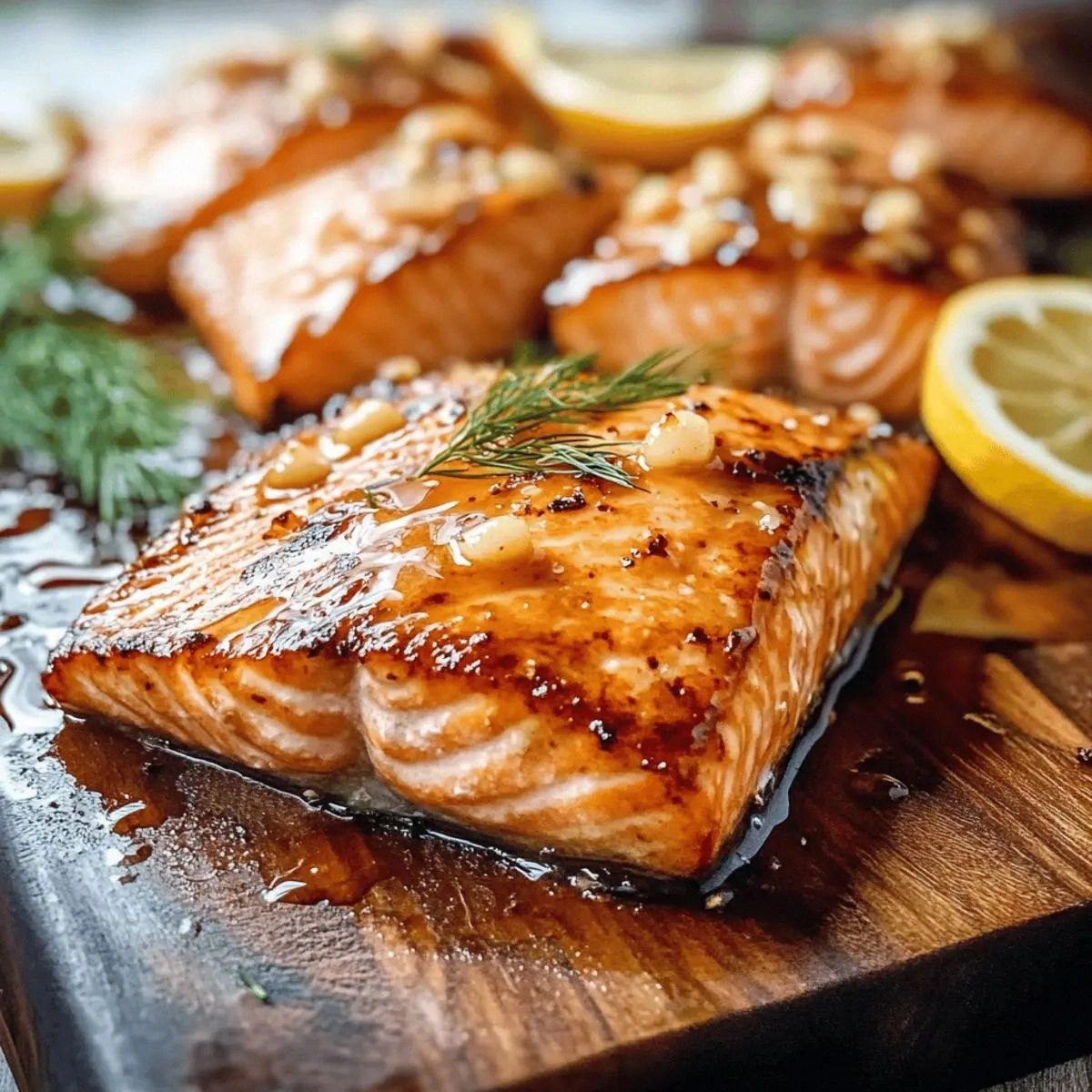
I still remember the first time I tried to impress dinner guests with grilled salmon. Picture this: me, standing in my backyard, wielding tongs like a sword, watching my beautiful salmon fillets stick to the grill grates like they'd been super-glued there. The smoke billowing everywhere wasn't from the cedar planks I'd forgotten to buy — it was from the fish skin burning to a crisp while I frantically tried to scrape it off with a spatula. My guests politely ate the mangled remains, but I knew I'd committed a seafood crime that day.
Fast forward through three years of obsessive experimentation, countless cedar planks turned to charcoal, and enough salmon to feed a small Alaskan village, and I finally cracked the code. This isn't just another grilled salmon recipe — this is the one that made my notoriously picky father-in-law request it for his birthday dinner. The one that had my neighbor knocking on my door asking what smelled so incredible. The one that'll make you wonder why you ever bothered with restaurant salmon when you could create this masterpiece in your own backyard.
Here's the thing: most recipes treat cedar plank salmon like some mystical art form that requires perfect conditions and a culinary degree. They'll tell you to soak the plank for exactly 47.5 minutes while facing north and chanting ancient grilling mantras. Complete nonsense. I've discovered that the magic happens when you understand why each step matters, then throw out the rulebook and focus on what actually creates that transcendent flavor bomb that makes grown adults close their eyes and sigh with each bite.
The real game-changer? It's not just about the cedar — it's about creating a flavor symphony that starts with an Asian-inspired marinade that would make a teriyaki sauce weep with envy, continues with a smoking technique that infuses every fiber of that salmon with woodsy perfume, and ends with a texture that's crispy-edged yet buttery-soft in the middle. Stay with me here — this is worth it.
What Makes This Version Stand Out
Flavor Bomb Guarantee: The marinade isn't playing around. We're talking soy sauce for umami depth, rice vinegar for bright acidity, honey for caramelization, and fish sauce for that mysterious "what IS that incredible flavor?" factor. It penetrates the salmon in just 30 minutes, creating layers of taste that explode on your tongue.
Foolproof Technique: Forget everything you've heard about cedar planks needing hours of soaking. I've tested every timing from 15 minutes to overnight, and discovered the sweet spot that prevents burning while creating maximum smoke. Plus, my temperature control method ensures you never get that dreaded dry, chalky salmon that tastes like fish-flavored sawdust.
Restaurant-Quality Crust: The combination of the honey in the marinade with the high heat creates a lacquered finish that shatters like the top of a creme brûlée when you cut into it. That textural contrast against the silky fish underneath? Pure culinary poetry that'll have you scheduling salmon nights every week.
One-Plank Wonder: Everything cooks on a single cedar plank — no flipping, no sticking, no losing half your fish through the grill grates. The plank becomes your serving board, infusing the fish with smoke while protecting it from direct flames. It's like having a cedar sauna specifically designed for salmon perfection.
Crowd-Pleasing Magic: I've served this to people who "don't like fish" and watched them ask for seconds. The smoky-sweet glaze appeals to everyone, while the cooking method eliminates any "fishy" taste. Even kids who normally turn up their noses at seafood devour this.
Impressive Yet Effortless: Despite looking like you attended culinary school, this recipe requires maybe 10 minutes of actual hands-on time. The rest is just waiting for magic to happen. Your dinner guests will think you're a grilling genius while you're actually inside sipping wine.
Inside the Ingredient List
The Flavor Foundation
The soy sauce in this recipe isn't just providing salt — it's creating that deep, savory base that makes your taste buds sit up and pay attention. I use regular soy sauce, not low-sodium, because we need that punch of flavor to stand up to the smoking process. The rice vinegar adds a clean, bright acidity that cuts through the richness of the salmon like a spotlight through fog. Skip it and your marinade becomes flat and one-dimensional, like a song missing its high notes.
The olive oil might seem boring, but it's the vehicle that carries all these flavors into the fish. Without it, you'd have a watery marinade that just sits on the surface. The oil helps the marinade penetrate the salmon's flesh, creating flavor pockets throughout rather than just on the exterior. Don't substitute with vegetable oil — the fruity notes of good olive oil add another layer of complexity.
The Aromatic Avengers
Fresh garlic and ginger are non-negotiable here. The garlic provides that savory backbone that makes everything taste more complex, while the ginger adds a bright, spicy note that dances on your tongue. I grate both on a microplane so they melt into the marinade completely — no one wants to bite into a chunk of raw garlic while enjoying their salmon. The fresher these aromatics, the more they'll sing in the final dish.
The sesame oil is your secret weapon — just one teaspoon transforms the entire flavor profile. It adds that nutty, toasty note that makes people ask "what's IN this?" It's potent stuff, which is why we use so little. Too much and your salmon tastes like a Chinese restaurant, but the right amount creates an addictive flavor that keeps you coming back for bite after bite.
The Sweet and Tangy Balance
Honey isn't just adding sweetness — it's creating that gorgeous caramelized crust when the salmon hits the heat. The natural sugars in honey brown beautifully, creating those crispy edges that provide textural contrast to the tender fish. The lime juice adds a citrusy punch that brightens everything up, preventing the dish from feeling heavy or cloying. Together, they create that perfect sweet-tart balance that makes your mouth water just thinking about it.
The balsamic vinegar might seem like an odd addition to an Asian-inspired marinade, but it's the ingredient that ties everything together. Its complex sweetness and mild acidity round out the flavors, adding depth without overwhelming the other components. It's like the bass player in a band — you might not notice it specifically, but you'd miss it if it were gone.
The Salmon Selection
Wild-caught salmon is worth every extra penny here. Farm-raised salmon works, but wild salmon has a firmer texture and more pronounced flavor that stands up beautifully to the bold marinade and smoking process. Look for fillets that are about 1 inch thick — any thinner and they'll cook too quickly, any thicker and you risk the outside burning before the inside is done. The color should be vibrant and the fish should smell like the ocean, not "fishy."
The cedar planks need to be untreated and food-safe. Don't grab scraps from your woodworking pile — those could have chemicals that'll ruin your fish and possibly poison your guests. Proper grilling planks are specifically cut and prepared for cooking. They're usually about 1/4 inch thick, which is perfect for our purposes.
The Method — Step by Step
- Start by making your marinade — and trust me, you're going to want to double this recipe because you'll be dipping everything in it from now on. In a medium bowl, whisk together the soy sauce, rice vinegar, olive oil, balsamic vinegar, lime juice, minced garlic, grated ginger, sesame oil, fish sauce, and honey until completely combined. The honey will take a minute to dissolve completely, but keep whisking — it'll come together into a glossy, aromatic liquid that smells absolutely incredible. Give it a taste — it should hit you with salty, sweet, tangy, and umami notes all at once. Cover and set aside while you prep the salmon.
- Now, let's talk salmon prep. Pat those fillets dry with paper towels — I mean really dry. Moisture is the enemy of good searing and flavor absorption. Check for any pin bones by running your fingers along the flesh, and remove any you find with tweezers. Place the salmon in a shallow dish and pour half the marinade over it, reserving the rest for later. The salmon should be swimming in this flavor bath, so don't be shy. Cover with plastic wrap and refrigerate for exactly 30 minutes — any longer and the acid starts to cure the fish, changing the texture.
- While the salmon marinates, it's time to prep your cedar planks. Here's where most recipes get it wrong — they tell you to soak for hours. I've found that 20 minutes in hot water is perfect. The hot water opens up the wood fibers faster, allowing them to absorb water quickly. Use your sink or a large roasting pan, and weight the planks down with a heavy pot so they're fully submerged. You'll know they're ready when they've darkened slightly and feel heavier with water weight.
- Preheat your grill to medium-high heat, aiming for about 375-400°F. This temperature is crucial — too hot and your plank becomes a bonfire, too cool and you won't get that beautiful smoke. If you're using a charcoal grill, bank the coals to one side so you have a hot zone and a cooler zone. For gas grills, light the outer burners and leave the middle one off for indirect cooking. The goal is to create an environment where the plank can smoke without catching fire.
- Remove the salmon from the marinade and let it sit at room temperature for 10 minutes. Cold fish hitting a hot grill causes the proteins to seize up, leading to tough texture. While it rests, brush the top of your soaked cedar planks with a thin layer of olive oil. This prevents sticking and helps the fish release easily when it's time to serve. Place the salmon fillets skin-side down on the planks, leaving space between them for air circulation.
- Here comes the fun part — place the planks directly on the grill grates over the cooler zone. Close the lid immediately and don't open it for 12 minutes. This is where the magic happens: the plank starts to smoke, creating a cedar-scented sauna that gently cooks the salmon while infusing it with woodsy flavor. You might see wisps of smoke escaping — that's perfect. If flames start licking up the sides of the plank, mist them with a spray bottle, but try not to open the lid too often.
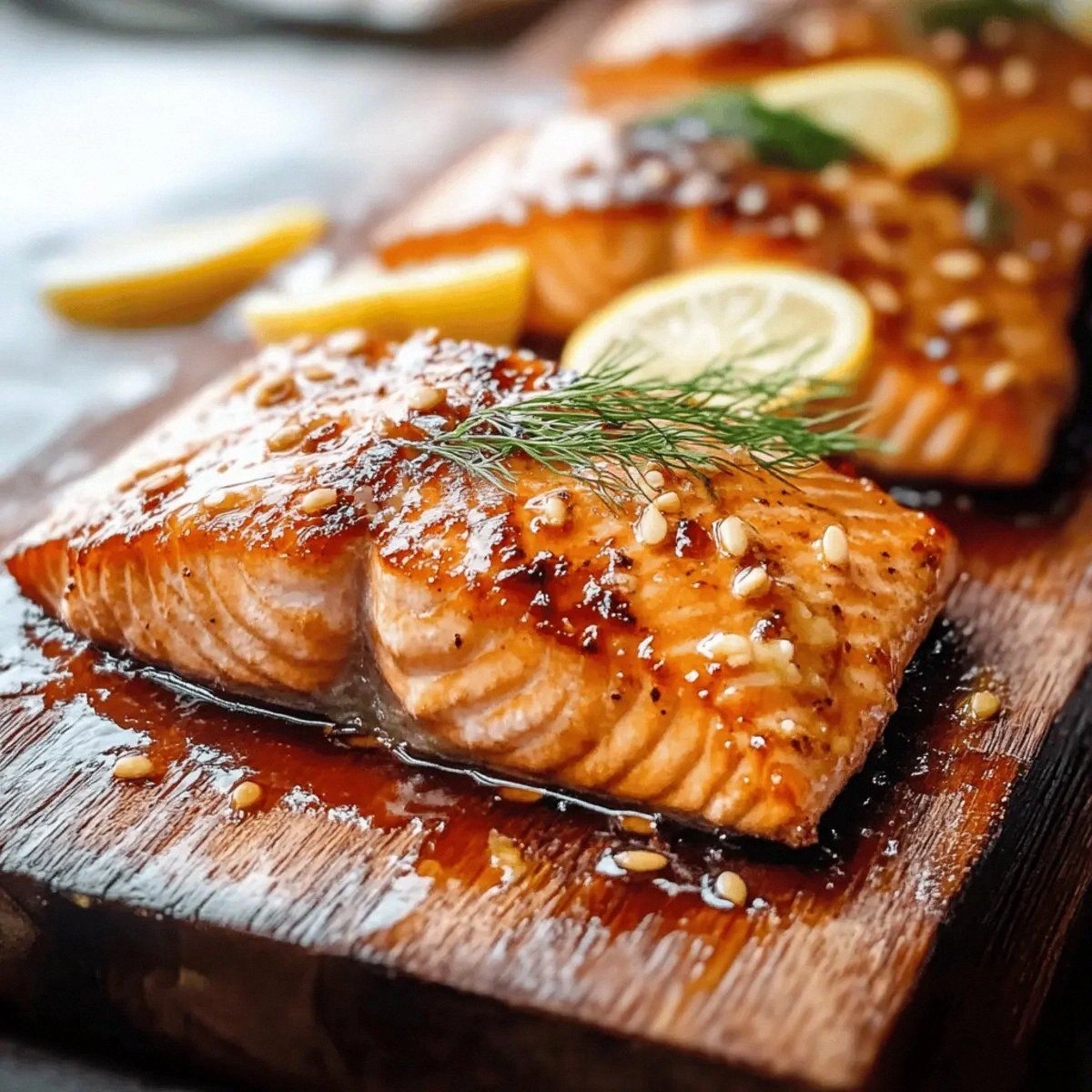
- After 12 minutes, it's time to glaze. Brush the reserved marinade over the top of the salmon — this creates that gorgeous lacquered finish. Close the lid and cook for another 3-5 minutes, depending on the thickness of your fillets. The salmon is done when it flakes easily but is still slightly translucent in the center. It should reach 125°F for medium-rare or 135°F for medium. Remember, it will continue cooking after you remove it from the heat.
- The final flourish happens right after you take the planks off the grill. Squeeze fresh lime juice over the hot salmon and scatter the fresh dill on top. The heat from the fish wilts the herbs slightly, releasing their aromatic oils. Let the salmon rest on the planks for 5 minutes — this allows the juices to redistribute and the glaze to set slightly. Then serve directly from the plank for maximum drama and minimal cleanup.
That's it — you did it. But hold on, I've got a few more tricks that'll take this to another level...
Insider Tricks for Flawless Results
The Temperature Rule Nobody Follows
Here's the thing about salmon — it continues cooking after you remove it from the heat, a phenomenon called carryover cooking. Most people cook it until it's completely opaque and flakes easily, but by then it's overdone and dry. I pull mine when the center still has a hint of translucency, about 5 degrees below my target temperature. As it rests, the residual heat finishes the job, leaving you with perfectly moist, tender fish that melts in your mouth.
The plank itself affects cooking time too. A well-soaked plank creates a gentler cooking environment, almost like a steam bath, which means your salmon cooks more evenly. If your plank is too dry, the heat penetrates faster and can overcook the exterior before the interior is done. Keep a thermometer handy and trust your instincts — the fish should feel slightly firm but still have some give when you press it gently.
Why Your Nose Knows Best
Forget timers — your nose is the most reliable tool for knowing when this salmon is ready. When the marinade hits the hot plank, it creates an intoxicating aroma of sweet smoke and caramelized soy. As the fish approaches doneness, you'll notice the smell intensifies and becomes more complex. When it smells like you want to bottle the air and wear it as perfume, you're about 2 minutes away from perfection.
This sensory approach works because the aromatics in the marinade undergo chemical changes as they heat. The honey starts to caramelize around 320°F, creating those nutty, toasty notes. The soy sauce reduces and concentrates, developing deeper umami flavors. When these scents reach their peak, your salmon is at its prime. My neighbor once followed his nose from three houses away — that's how powerful and irresistible this aroma is.
The 5-Minute Rest That Changes Everything
I know you're tempted to dig right in — that salmon looks incredible and smells even better. But resist the urge for just five minutes. During this rest, several crucial things happen: the proteins relax and reabsorb their juices, the glaze sets slightly creating that gorgeous shine, and the flavors throughout the fish become more harmonious. It's like letting a good wine breathe; the brief wait transforms good salmon into life-changing salmon.
During this rest, loosely tent the plank with foil but don't wrap it tightly — you want to keep it warm, not steam it. The cedar continues to impart subtle flavor even as the fish rests. If you've ever wondered why restaurant salmon seems so much better than homemade, this rest period is often the secret. Those extra five minutes allow all the flavors to marry and the texture to become perfectly tender.
Creative Twists and Variations
This recipe is a playground. Here are some of my favorite ways to switch things up:
The Tropical Vacation
Swap the lime juice for pineapple juice and add a tablespoon of brown sugar to the marinade. The pineapple enzymes help tenderize the fish while adding a tropical sweetness that pairs beautifully with the smoke. Top with grilled pineapple slices and a sprinkle of toasted coconut. This version transports you to a beach in Hawaii with every bite — close your eyes and you can almost hear the waves.
The Mediterranean Escape
Replace the soy sauce with equal parts olive oil and lemon juice, swap the ginger for oregano and basil, and add sun-dried tomatoes to the plank under the salmon. The herbs perfume the fish while the tomatoes create a savory base that prevents sticking. Serve with a cucumber-dill yogurt sauce on the side. It's like taking your taste buds on a Greek island vacation.
The Spicy Daredevil
Add a tablespoon of gochujang (Korean chili paste) and a teaspoon of sriracha to the marinade. The fermented chili adds complex heat that builds slowly rather than overwhelming. Top with sliced jalapeños and serve with a cooling Asian slaw. Fair warning: this version is addictive. I once made it for a dinner party and had to physically restrain guests from licking the plank clean.
The Maple Glazed Wonder
For a New England twist, replace the honey with pure maple syrup and add a splash of bourbon to the marinade. The maple creates a deeper, more complex sweetness that caramelizes beautifully, while the bourbon adds vanilla and oak notes that complement the cedar smoke. This version is particularly spectacular in fall when served with roasted root vegetables.
The Herb Garden Special
Keep the base recipe but add a handful of whatever fresh herbs you have growing. Tarragon adds a slight anise note, rosemary brings piney aromatics, and thyme adds earthy complexity. Mix and match based on what's thriving in your garden. The fresh herbs on the hot plank create an aromatic steam that infuses the salmon with garden-fresh flavor.
The Citrus Explosion
Use a mix of citrus juices — orange, lemon, lime, and grapefruit — instead of just lime. Each brings its own personality: orange for sweetness, lemon for brightness, lime for tang, and grapefruit for a bitter edge that balances everything. The variety creates a more complex, interesting flavor that keeps you guessing with every bite.
Storing and Bringing It Back to Life
Fridge Storage
Leftover cedar plank salmon (if you somehow end up with any) will keep for up to 3 days in the refrigerator. Store it in an airtight container with a piece of lemon on top — the citrus helps prevent oxidation that can create off-flavors. Don't store it on the plank though; the wood will continue to impart flavor and can make the fish taste bitter over time. Separate the salmon from any remaining glaze, as the sugars can crystallize and create an unpleasant texture when cold.
For best results, let the salmon cool completely before refrigerating. Hot fish going into cold storage creates condensation that can make the texture mushy. If you know you'll have leftovers, consider undercooking one fillet slightly so when you reheat it, it doesn't become overdone.
Freezer Friendly
This salmon freezes beautifully for up to 2 months. Wrap individual portions tightly in plastic wrap, then place in a freezer bag with as much air removed as possible. The key is to freeze it quickly — spread the packages in a single layer in your freezer initially, then stack them once frozen solid. This prevents large ice crystals from forming and damaging the texture.
Thaw overnight in the refrigerator, never at room temperature. The slow thaw helps maintain the texture. If you're in a hurry, you can thaw it in cold water, changing the water every 30 minutes. Don't use warm water — it'll start cooking the outside while the inside is still frozen.
Best Reheating Method
Whatever you do, don't microwave this salmon. The microwave's uneven heating will turn your beautiful fish into rubber faster than you can say "leftovers." Instead, let it come to room temperature, then gently warm it in a 275°F oven for about 10 minutes. Place it on a piece of foil with a splash of water or white wine, then tent the foil loosely. The gentle steam brings back the moisture without overcooking.
For a quick lunch, flake the cold salmon over a salad or stir it into pasta. The flavors are so developed that it's actually delicious cold. One of my favorite ways to use leftovers is mixing flaked salmon with a little mayo, lemon juice, and fresh herbs for an incredible salmon salad that puts tuna to shame.