Picture this: I’m in a cramped kitchen, the oven door slamming shut in my face, and a loaf of bread burning on the counter. That night, I was halfway through a dinner party when the savory aroma of garlic and basil hit me like a slap of fresh air, and I knew I had to salvage the situation. I grabbed whatever I could—an old baguette, a jar of pesto, a handful of mozzarella—and I turned that culinary catastrophe into a triumph. The result? A golden, cheesy, pesto-infused garlic bread that still makes my friends ask, “What did you do?” I’m about to walk you through the exact steps that make this recipe unbeatable.
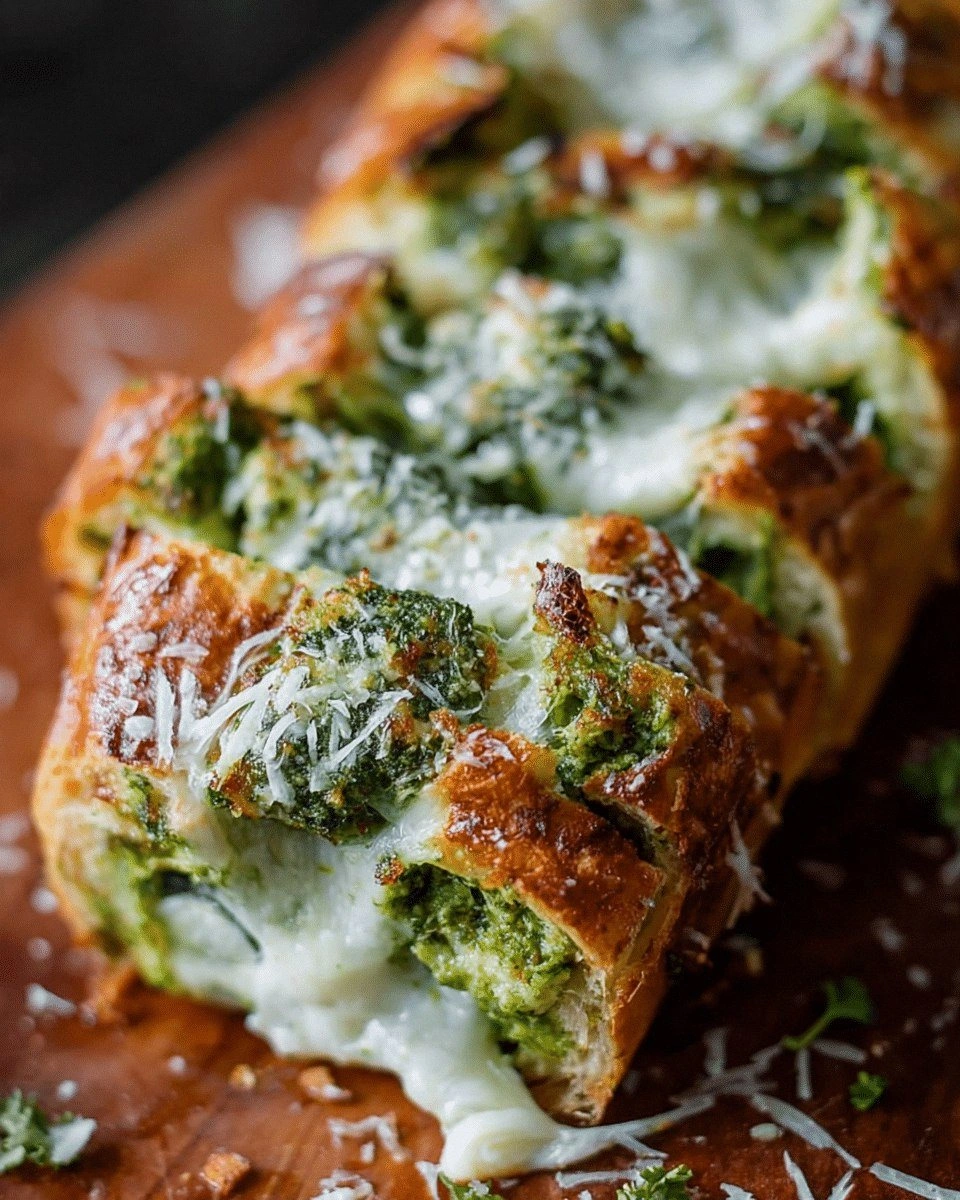
The moment the bread hits the oven, you hear a faint crackle that feels like applause. The scent of melted mozzarella mingles with the herbaceous sharpness of basil, while a subtle garlic undertone lingers in the air. The first bite is a crunchy, buttery crust that gives way to a soft, molten cheese center that oozes with every chew. The flavor profile is a harmonious blend of savory, aromatic, and slightly sweet—like a well‑tuned orchestra where every instrument plays in perfect unison. It’s a dish that doesn’t just fill the stomach; it fills the soul.
What sets this version apart is that it doesn’t rely on a generic “garlic bread” template. Instead, it uses a high‑quality pesto that coats each crumb like velvet, a cheese blend that melts into a silky, golden glaze, and a subtle crunch that satisfies the craving for texture. I’ve refined the ratio of butter to bread to ensure the crust never dries out, and I’ve added a whisper of pepper that gives the dish a gentle kick without overpowering the basil. The result is a bread that’s both comforting and sophisticated—perfect for a casual night in or a dinner party that demands a wow factor.
But the real secret is in the finishing touch: a thin drizzle of olive oil and a scattering of fresh basil that gives the bread a fresh, vibrant finish. This is the moment where the simple becomes extraordinary. I dare you to taste this and not go back for seconds. That’s the kind of confidence I’m about to share with you.
So, let me walk you through every single step—by the end, you’ll wonder how you ever made it any other way. Get ready for a culinary adventure that will turn your kitchen into a fragrant, flavor-packed sanctuary.
What Makes This Version Stand Out
- Flavor: The pesto isn’t just a garnish—it’s the heart of the dish, infusing the bread with a deep, herbaceous aroma that lingers long after you finish eating.
- Texture: A perfectly crisp crust gives way to a molten, cheesy center, creating a satisfying contrast that keeps you reaching for more.
- Simplicity: With only a handful of high‑quality ingredients, this recipe is quick to assemble and doesn’t require a fancy kitchen.
- Uniqueness: The blend of mozzarella and Parmesan creates a gooey, golden glaze that sets it apart from ordinary garlic bread.
- Crowd Reaction: Even seasoned diners can’t resist the irresistible aroma; it’s a guaranteed conversation starter at any gathering.
- Ingredient Quality: Using fresh basil pesto and real mozzarella elevates the flavor profile beyond the standard store‑bought alternatives.
- Cooking Method: Baking at a moderate temperature allows the cheese to melt evenly, preventing a greasy or burnt outcome.
- Make‑ahead Potential: Prepare the pesto and assemble the bread up to the last minute, then bake just before serving to keep it fresh.
Alright, let’s break down exactly what goes into this masterpiece…
Inside the Ingredient List
The Flavor Base
The foundation of this dish is the bread itself. I use a sturdy, crusty baguette that can hold the generous amounts of butter and cheese without becoming soggy. If you prefer a lighter option, a whole‑grain loaf works beautifully, but keep the crust crisp by toasting it briefly before assembly. Skipping the bread would turn this into a cheesy pesto dip—fun, but it loses the comforting crunch.
The butter is the secret to that buttery, melty center. Use unsalted butter for precise control over saltiness, and make sure it’s softened so it blends smoothly into the pesto. If you’re vegan, a high‑quality plant‑based butter works, but the flavor will shift slightly toward a nuttier profile. A good rule of thumb: use half a cup for four servings, which gives the bread enough richness without overwhelming the palate.
The Texture Crew
Cheese is the star of the show, and the combination of mozzarella and Parmesan creates a gooey, golden glaze that coats each slice like a silk scarf. Mozzarella provides the melt, while Parmesan adds depth and a slight nuttiness. If you’re a cheese lover, feel free to sprinkle a handful of shredded aged cheddar on top for a smoky twist. Skipping the cheese would reduce the dish to a dry, herb‑infused loaf—fun for a different texture, but it loses that indulgent gooeyness.
Garlic is the unsung hero that adds that unmistakable zing. Minced fresh cloves mingle with the pesto, delivering a punch that wakes up the taste buds. If you’re sensitive to raw garlic, use a small amount of roasted garlic for a mellow sweetness. The key is balance; too much garlic can dominate, while too little leaves the bread bland.
The Unexpected Star
A splash of olive oil is the final flourish that elevates the bread’s flavor profile. It adds a glossy sheen and a subtle fruity note that complements the basil. Use a high‑grade extra‑virgin olive oil for the best results—its peppery undertones enhance the overall taste. Skipping the oil may result in a slightly drier crust, but the dish will still be delicious.
Fresh basil leaves on top add a burst of color and a refreshing aroma that signals the dish’s freshness. They also serve as a visual cue that the bread is ready to eat. If you’re out of basil, a sprinkle of chopped parsley works as a decent substitute, though it won’t carry the same aromatic intensity.
Everything's prepped? Good. Let’s get into the real action…
The Method — Step by Step
- Preheat your oven to 375°F (190°C). While the oven heats, slice the baguette in half lengthwise, creating two long rectangles. This ensures even coverage of the pesto and cheese. The scent of warm bread starts to mingle with the kitchen’s aroma, building anticipation.
- In a small bowl, combine the softened butter with the minced garlic and a pinch of salt. Use a fork to mash the mixture until it’s a smooth paste. This butter‑garlic blend will coat each slice, giving it a buttery, savory base that absorbs the pesto.
- Spread the butter‑garlic paste generously over each side of the bread. Make sure every inch is covered; the bread will not rise, so you want maximum flavor absorption. This step is critical—if you skip it, the bread will taste flat and uninspired.
- Layer a thick spread of pesto over the buttered side. The pesto should cover the bread like a vibrant green blanket. The basil’s freshness will contrast nicely with the buttery base, creating a layered flavor profile that’s both complex and comforting.
- Sprinkle a generous amount of shredded mozzarella across the pesto, followed by a dusting of grated Parmesan. The mozzarella will melt into a silky, golden coating, while the Parmesan adds a nutty finish. This cheese blend is what makes the bread irresistibly gooey.
- Drizzle a teaspoon of high‑quality extra‑virgin olive oil over the top. This not only adds a glossy sheen but also enhances the basil’s natural flavor. The oil’s peppery undertones will complement the cheese, creating a harmonious finish.
- Place the prepared bread on a parchment‑lined baking sheet, and bake for 15–18 minutes, or until the edges turn golden brown and the cheese is bubbling. The aroma of melted cheese and basil will fill the kitchen, making it hard to resist. Keep an eye on the edges; they should pull away slightly from the crust, signaling readiness.
- Remove the bread from the oven, and let it rest for 2 minutes. This brief pause allows the cheese to set into a perfect, creamy layer. The crust will remain crisp, while the interior stays soft and molten.
- Garnish with fresh basil leaves and a pinch of cracked black pepper. Slice the bread into individual portions, and serve immediately. The first bite should be a symphony of crunch, melt, and aromatic basil.
That’s it—you did it. But hold on, I’ve got a few more tricks that’ll take this to another level. Keep reading for insider tips that will elevate your bread from great to unforgettable.
Insider Tricks for Flawless Results
The Temperature Rule Nobody Follows
Many people bake at 400°F (200°C), but that can cause the cheese to brown too quickly while the bread remains undercooked. I recommend 375°F (190°C) to allow the cheese to melt evenly and the crust to crisp without burning. If you’re using a convection oven, lower the temperature by 25°F (14°C) to compensate for the fan’s efficiency. This small adjustment ensures a consistent, golden finish every time.
Why Your Nose Knows Best
The scent of basil and garlic is a powerful indicator of readiness. When the aroma is strong and comforting, it signals that the pesto has infused the bread and the cheese is perfectly melted. If the smell is weak, give it a few more minutes. Trust your nose; it’s a reliable guide that often outperforms the clock.
The 5‑Minute Rest That Changes Everything
Letting the bread rest for five minutes after baking allows the cheese to set into a silky layer, preventing it from sliding off the slice. The rest period also lets the heat redistribute, ensuring each bite is evenly warm. Skipping this step can result in a messy, greasy bite that’s hard to finish.
Use Fresh Pesto, Not Jarred
If you’re craving authenticity, make your own basil pesto from scratch. Fresh basil, pine nuts, Parmesan, garlic, and olive oil blended until smooth give a vibrant flavor that jarred versions can’t match. For a quick fix, choose a high‑quality jarred pesto with natural ingredients and no preservatives.
Add a Splash of Milk for Extra Creaminess
A tablespoon of whole milk mixed into the cheese blend before baking creates an extra creamy texture. The milk helps the cheese melt uniformly, preventing clumps and ensuring a smooth, velvety interior. This trick is especially useful if you’re using a lower‑fat cheese that tends to separate.
Keep the Bread Fresh Until Baking
If you’re preparing the bread a few hours ahead, wrap it loosely in foil and let it sit at room temperature. This prevents the bread from drying out before it hits the oven. I’ve found that a quick reheat at 350°F (175°C) for 5 minutes brings the crust back to its original crispness.
Creative Twists and Variations
This recipe is a playground. Here are some of my favorite ways to switch things up:
Mediterranean Medley
Swap the basil pesto for sun‑dried tomato pesto and sprinkle crumbled feta over the top. Add a handful of chopped Kalamata olives for a briny punch. This variation offers a tangy, savory profile that pairs wonderfully with grilled chicken.
Spicy Sriracha Crunch
Stir a tablespoon of Sriracha into the butter‑garlic paste for a fiery kick. Finish with a sprinkle of crushed red pepper flakes before baking. The heat will contrast nicely with the creamy cheese, creating a dynamic flavor experience.
Cheddar & Jalapeño Delight
Replace mozzarella with sharp cheddar and add thinly sliced jalapeños. The sharpness of the cheddar combined with the jalapeño heat brings a bold, adventurous twist to the classic.
Herb‑Infused Olive Oil
Infuse the olive oil with rosemary and thyme before drizzling it over the bread. The aromatic herbs add depth and a fragrant finish that complements the basil pesto.
Vegan Version
Use a dairy‑free cheese blend made from cashews and nutritional yeast. Replace butter with a plant‑based butter alternative, and ensure the pesto is vegan by using sunflower seeds instead of pine nuts. This version delivers all the gooeyness without compromising on flavor.
Breakfast Boost
Top the baked bread with a fried egg and a drizzle of hot sauce. The runny yolk adds a rich, savory element that turns the dish into a hearty breakfast or brunch staple.
Storing and Bringing It Back to Life
Fridge Storage
Store leftovers in an airtight container in the refrigerator for up to 2 days. Wrap the bread in parchment paper before placing it in the container to keep the crust from becoming soggy. When you’re ready to reheat, let the bread sit at room temperature for 10 minutes to restore its warmth.
Freezer Friendly
Wrap the baked bread tightly in foil and place it in a freezer bag. Freeze for up to 3 months. When you want to enjoy it again, bake it directly from the freezer at 375°F (190°C) for 12–15 minutes, or until the crust is crisp and the cheese is melted.
Best Reheating Method
The key to a perfect reheated loaf is a quick, high‑heat bake. Place the bread on a baking sheet and heat at 400°F (200°C) for 5–7 minutes. Add a tiny splash of water to the bottom of the pan to create steam, which keeps the interior moist while the crust crisps up. This technique brings the bread back to its original, mouth‑watering state.