
Duchess Potatoes
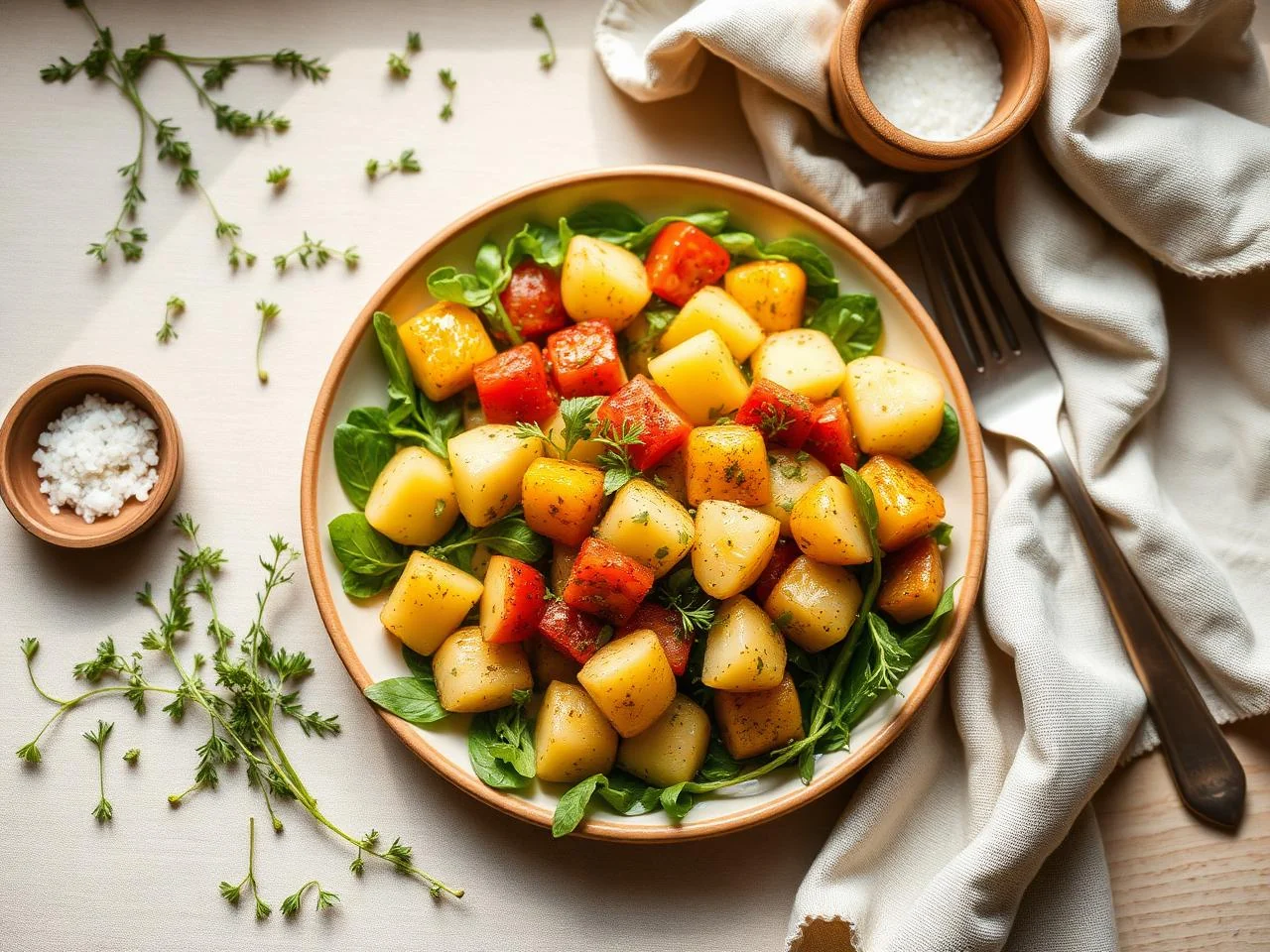
I still remember the first time I had Duchess Potatoes at a family gathering. The combination of creamy mashed potatoes, crispy outside, and flavorful seasonings was love at first bite. Since then, I've been perfecting my own recipe to share with you. In this article, we'll dive into the world of Duchess Potatoes and explore what makes them so special.
As a home cook, I believe that the key to a great dish lies in the details. From the type of potatoes used to the cooking technique, every aspect plays a crucial role in creating a truly unforgettable experience. In this recipe, we'll use a combination of high-quality ingredients and tried-and-true techniques to create the perfect Duchess Potatoes.
One of the things that sets Duchess Potatoes apart from other potato dishes is their unique texture. The outside is crispy and golden, while the inside remains fluffy and creamy. To achieve this, we'll be using a special cooking technique that involves baking the potatoes in a hot oven. But before we get started, let's talk about the ingredients and equipment you'll need.
In this recipe, we'll be using a variety of ingredients, including potatoes, butter, milk, and seasonings. We'll also be using some specialized equipment, such as a pastry bag and a piping tip, to create the signature swirl on top of the potatoes. Don't worry if you don't have these items in your kitchen - we'll provide alternatives and substitutions throughout the recipe.
Why You’ll Love This Recipe
- Easy to make and requires minimal ingredients
- Perfect side dish for any meal, from casual to formal
- Can be made ahead of time and refrigerated or frozen for later use
- Customizable with your favorite seasonings and toppings
- Impressive presentation that's sure to wow your guests
- Comforting and delicious, making it a great choice for special occasions
Why This Recipe Works
The key to making great Duchess Potatoes lies in the cooking technique. By baking the potatoes in a hot oven, we're able to achieve a crispy outside and a fluffy inside. This is because the high heat causes the starches on the surface of the potatoes to break down and become golden brown, while the inside remains moist and creamy.
Another important factor is the type of potatoes used. For this recipe, we'll be using high-starch potatoes, such as Russet or Idaho. These potatoes have a dry, fluffy interior that's perfect for baking. We'll also be using a combination of butter and milk to add flavor and moisture to the potatoes.
Finally, the seasonings we use will add a depth of flavor to the potatoes. We'll be using a combination of salt, pepper, and garlic powder to create a savory and aromatic flavor profile. By using these ingredients and techniques, we'll be able to create Duchess Potatoes that are truly unforgettable.
Ingredients You’ll Need
When it comes to making Duchess Potatoes, the ingredients are just as important as the technique. We'll be using a combination of high-quality potatoes, dairy products, and seasonings to create a dish that's both flavorful and visually appealing. In this section, we'll take a closer look at the ingredients we'll be using and provide some tips for selecting the best ones for the job.
One of the most important ingredients in this recipe is the potatoes. We'll be using high-starch potatoes, such as Russet or Idaho, which have a dry, fluffy interior that's perfect for baking. We'll also be using a combination of butter and milk to add flavor and moisture to the potatoes.
- 2 lbs (1 kg) high-starch potatoes, such as Russet or IdahoHigh-starch potatoes are essential for making great Duchess Potatoes. They have a dry, fluffy interior that's perfect for baking and will help the potatoes to hold their shape.
- 1/4 cup (55g) unsalted butter, softenedThe butter adds flavor and moisture to the potatoes. Make sure to use high-quality, unsalted butter for the best results.
- 1/2 cup (120ml) whole milkThe milk helps to add moisture and creaminess to the potatoes. You can also use a non-dairy milk alternative if you prefer.
- 2 large eggsThe eggs help to bind the potatoes together and add richness to the dish. Make sure to use fresh, high-quality eggs for the best results.
- 1 tsp (5g) saltThe salt helps to bring out the flavors in the potatoes and adds depth to the dish. Use a high-quality, flaky salt for the best results.
- 1/2 tsp (2g) black pepperThe pepper adds a subtle kick to the potatoes and helps to balance out the flavors. Use freshly ground black pepper for the best results.
- 1/2 tsp (2g) garlic powderThe garlic powder adds a savory, aromatic flavor to the potatoes. Use a high-quality, fresh garlic powder for the best results.
- 1/4 cup (30g) grated cheddar cheese, optionalThe cheddar cheese adds a rich, creamy flavor to the potatoes. Use a high-quality, sharp cheddar cheese for the best results.
- 2 tbsp (30g) chopped fresh parsleyThe parsley adds a fresh, herbaceous flavor to the potatoes. Use high-quality, fresh parsley for the best results.
- 1 tsp (5g) paprikaThe paprika adds a smoky, savory flavor to the potatoes. Use a high-quality, sweet paprika for the best results.
Equipment You’ll Need
How to Make Duchess Potatoes
- 1Preheat your oven to 400°F (200°C). Line a baking sheet with parchment paper and set aside.
- 2Peel the potatoes and place them in a large pot of cold water. Bring to a boil over high heat, then reduce the heat to medium-low and simmer for 15-20 minutes, or until the potatoes are tender when pierced with a fork.
- 3Drain the potatoes and return them to the pot. Add the softened butter, salt, pepper, and garlic powder, and mash the potatoes with an electric mixer or whisk until they're smooth and creamy.
- 4Beat in the eggs until they're fully incorporated, then stir in the milk and grated cheddar cheese (if using).
- 5Transfer the potato mixture to a pastry bag fitted with a piping tip. Pipe the mixture onto the prepared baking sheet in long, thin strips.
- 6Bake the potatoes for 20-25 minutes, or until they're golden brown and crispy on the outside. Repeat with the remaining potato mixture.
- 7Remove the potatoes from the oven and let them cool on the baking sheet for 5-10 minutes.
- 8Transfer the potatoes to a serving platter or individual plates. Sprinkle with chopped parsley and paprika, and serve hot.
- 9To make ahead, pipe the potato mixture onto the baking sheet and refrigerate or freeze until ready to bake. Bake frozen potatoes for an additional 5-10 minutes, or until golden brown and crispy.
- 10To reheat, bake the potatoes in a preheated oven at 350°F (180°C) for 10-15 minutes, or until hot and crispy.
Expert Tips
- Use high-quality, high-starch potatoes for the best results.
- Don't overmix the potato mixture, or it will become gluey and unappetizing.
- Pipe the potato mixture in long, thin strips to create a crispy, golden-brown exterior.
- Don't overcrowd the baking sheet, or the potatoes will steam instead of bake.
- Let the potatoes cool on the baking sheet for 5-10 minutes before serving to help them retain their shape.
- Experiment with different seasonings and toppings to create unique flavor combinations.
- Consider using a variety of cheeses, such as cheddar, parmesan, or feta, to add depth and complexity to the dish.
- For an extra-crispy exterior, try baking the potatoes at a higher temperature (425°F or 220°C) for a shorter amount of time (15-20 minutes).
Common Mistakes to Avoid
- Using low-starch potatoes, which will result in a dense, unappetizing texture.
- Overmixing the potato mixture, which will make it gluey and unappetizing.
- Not piping the potato mixture in long, thin strips, which will prevent the potatoes from becoming crispy and golden brown.
- Overcrowding the baking sheet, which will cause the potatoes to steam instead of bake.
- Not letting the potatoes cool on the baking sheet before serving, which will cause them to lose their shape and become unappetizing.
- Not using high-quality ingredients, such as fresh parsley and real cheddar cheese, which will result in a lackluster flavor and texture.
Variations and Substitutions
- Add some diced ham or bacon to the potato mixture for a savory, meaty flavor.
- Use different types of cheese, such as parmesan or feta, to add depth and complexity to the dish.
- Add some chopped herbs, such as chives or thyme, to the potato mixture for a fresh, herbaceous flavor.
- Use a variety of spices, such as paprika or cayenne pepper, to add a smoky or spicy flavor to the potatoes.
- Try using different types of potatoes, such as sweet potatoes or Yukon golds, to create a unique flavor and texture.
- Add some grated vegetables, such as carrots or zucchini, to the potato mixture for added nutrition and flavor.
- Use a flavored oil, such as truffle or garlic oil, to add a rich, savory flavor to the potatoes.
What to Serve With Duchess Potatoes
Duchess Potatoes are a versatile side dish that can be served with a variety of main courses. They're perfect for special occasions, such as holidays or dinner parties, and can be made ahead of time for convenience.
Some ideas for serving Duchess Potatoes include:
Make-Ahead, Storage, Freezing and Reheating
Once the potatoes are baked, they can be stored in an airtight container in the refrigerator for up to 3 days. To reheat, simply bake the potatoes in a preheated oven at 350°F (180°C) for 10-15 minutes, or until hot and crispy.
To freeze the potatoes, pipe the potato mixture onto a baking sheet lined with parchment paper and freeze until solid. Transfer the frozen potatoes to an airtight container or freezer bag and store in the freezer for up to 3 months. To bake, simply place the frozen potatoes on a baking sheet lined with parchment paper and bake in a preheated oven at 400°F (200°C) for 20-25 minutes, or until golden brown and crispy.
When reheating the potatoes, make sure to check them frequently to prevent overcooking. You can also add some grated cheese or chopped herbs to the potatoes during the last few minutes of reheating to add extra flavor and moisture.
Frequently Asked Questions
What type of potatoes should I use for Duchess Potatoes?
High-starch potatoes, such as Russet or Idaho, are best for making Duchess Potatoes. They have a dry, fluffy interior that's perfect for baking and will help the potatoes to hold their shape.
Can I make Duchess Potatoes ahead of time?
Yes, you can make Duchess Potatoes ahead of time. Simply pipe the potato mixture onto a baking sheet lined with parchment paper and refrigerate or freeze until ready to bake.
How do I reheat Duchess Potatoes?
To reheat Duchess Potatoes, bake them in a preheated oven at 350°F (180°C) for 10-15 minutes, or until hot and crispy. You can also add some grated cheese or chopped herbs to the potatoes during the last few minutes of reheating to add extra flavor and moisture.
Can I freeze Duchess Potatoes?
Yes, you can freeze Duchess Potatoes. Simply pipe the potato mixture onto a baking sheet lined with parchment paper and freeze until solid. Transfer the frozen potatoes to an airtight container or freezer bag and store in the freezer for up to 3 months. To bake, simply place the frozen potatoes on a baking sheet lined with parchment paper and bake in a preheated oven at 400°F (200°C) for 20-25 minutes, or until golden brown and crispy.
What's the best way to pipe the potato mixture onto the baking sheet?
To pipe the potato mixture onto the baking sheet, use a pastry bag fitted with a piping tip. Pipe the mixture in long, thin strips to create a crispy, golden-brown exterior.
Can I use different types of cheese in the potato mixture?
Yes, you can use different types of cheese in the potato mixture. Some options include cheddar, parmesan, feta, or a combination of cheeses. Experiment with different types of cheese to find the one you like best.
How do I prevent the potatoes from becoming too dense or gluey?
To prevent the potatoes from becoming too dense or gluey, make sure to not overmix the potato mixture. Stop mixing as soon as the ingredients are combined, and don't overpipe the mixture onto the baking sheet.
Can I add other ingredients to the potato mixture?
Yes, you can add other ingredients to the potato mixture. Some options include diced ham or bacon, chopped herbs, grated vegetables, or spices. Experiment with different ingredients to find the combination you like best.
Ingredients
- 2 lbs (1 kg) high-starch potatoes, such as Russet or Idaho
- 1/4 cup (55g) unsalted butter, softened
- 1/2 cup (120ml) whole milk
- 2 large eggs
- 1 tsp (5g) salt
- 1/2 tsp (2g) black pepper
- 1/2 tsp (2g) garlic powder
- 1/4 cup (30g) grated cheddar cheese, optional
- 2 tbsp (30g) chopped fresh parsley
- 1 tsp (5g) paprika
Instructions
- Preheat your oven to 400°F (200°C). Line a baking sheet with parchment paper and set aside.
- Peel the potatoes and place them in a large pot of cold water. Bring to a boil over high heat, then reduce the heat to medium-low and simmer for 15-20 minutes, or until the potatoes are tender when pierced with a fork.
- Drain the potatoes and return them to the pot. Add the softened butter, salt, pepper, and garlic powder, and mash the potatoes with an electric mixer or whisk until they're smooth and creamy.
- Beat in the eggs until they're fully incorporated, then stir in the milk and grated cheddar cheese (if using).
- Transfer the potato mixture to a pastry bag fitted with a piping tip. Pipe the mixture onto the prepared baking sheet in long, thin strips.
- Bake the potatoes for 20-25 minutes, or until they're golden brown and crispy on the outside. Repeat with the remaining potato mixture.
- Remove the potatoes from the oven and let them cool on the baking sheet for 5-10 minutes.
- Transfer the potatoes to a serving platter or individual plates. Sprinkle with chopped parsley and paprika, and serve hot.
- To make ahead, pipe the potato mixture onto the baking sheet and refrigerate or freeze until ready to bake. Bake frozen potatoes for an additional 5-10 minutes, or until golden brown and crispy.
- To reheat, bake the potatoes in a preheated oven at 350°F (180°C) for 10-15 minutes, or until hot and crispy.