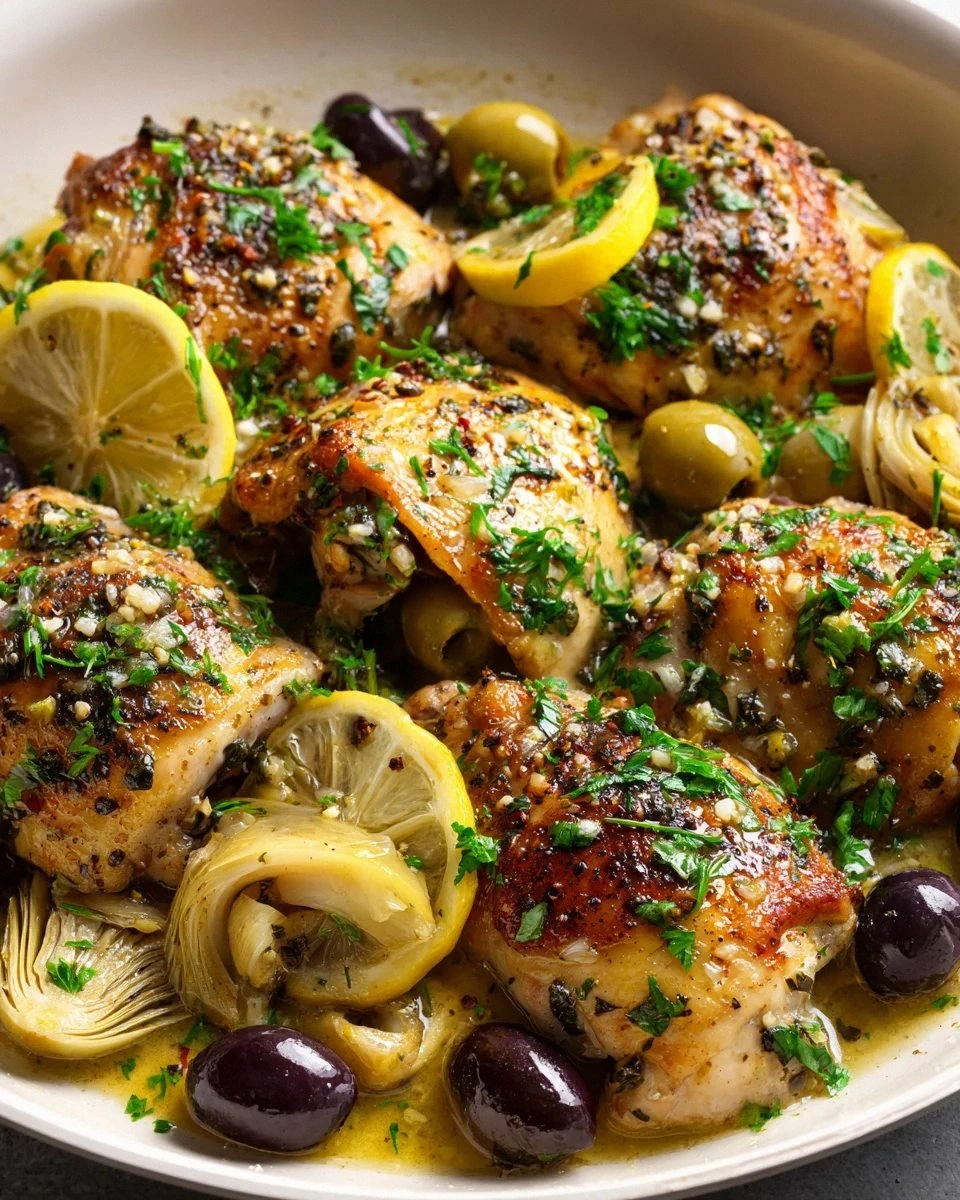
I'm about to confess something that might get me kicked out of the food bloggers' club: I used to think lemon chicken was the most boring dish on the planet. You know the kind I'm talking about — those sad, dry chicken breasts drowning in a gloopy, fluorescent yellow sauce that tastes like someone dissolved a lemon drop candy in cornstarch. I'd rather eat plain rice than suffer through that travesty again. But then, during a particularly desperate weeknight cooking session where my fridge contained nothing but chicken thighs, a sad onion, and some lemons that were definitely on their last legs, I stumbled upon a technique that completely transformed my opinion. The result was so mind-blowingly delicious, so perfectly balanced between bright and comforting, that I actually called my neighbor over to taste it at 9 PM on a Tuesday. She took one bite, looked me dead in the eye, and said, "You need to put this on the internet immediately." That sizzle when the marinated chicken hits the hot pan? Absolute perfection.
What makes this version different isn't just one thing — it's the combination of Middle Eastern spices that warm your soul while the lemon tickles your taste buds, the way the onions caramelize into sweet-savory jammy bits, and how the chicken stays so juicy it practically falls apart when you look at it. Most recipes get this completely wrong by treating lemon as an afterthought, dumping it in at the end like some kind of sad garnish. Here's what actually works: you create this incredible spice blend that makes your kitchen smell like a Moroccan souk, then let that chicken soak up all those flavors while the acid from the lemon works its tenderizing magic. The first time I made this, I stood over the pan eating pieces straight from the skillet, burning my tongue because I couldn't wait long enough for it to cool. I'll be honest — I ate half the batch before anyone else got to try it.
Picture yourself pulling this out of the oven, the whole kitchen smelling like sunshine and spices, golden-brown chicken nestled among caramelized onions with charred lemon halves releasing their citrusy perfume. Your family will materialize like magic, drawn by the aroma that's somehow both familiar and exciting. The sauce that coats everything is so good, you'll be tempted to drink it straight from the pan (no judgment here). If you've ever struggled with dry, flavorless chicken that needs a gallon of sauce to make it edible, you're not alone — and I've got the fix that'll make you look like a culinary genius with minimal effort. Okay, ready for the game-changer?
Let me walk you through every single step — by the end, you'll wonder how you ever made it any other way. This isn't just another weeknight dinner recipe; it's your new secret weapon for everything from impressing dinner guests to meal prepping like a pro. The best part? It comes together in under 45 minutes, uses ingredients you probably already have, and tastes like something from your favorite Mediterranean restaurant. I dare you to taste this and not go back for seconds.
What Makes This Version Stand Out
- Flavor Bomb: The spice mixture of oregano, coriander, cumin, and nutmeg creates this incredible depth that makes people ask "what is that amazing smell?" before they even taste it. It's like a warm hug for your taste buds that keeps you coming back for bite after bite.
- Tender Magic: The lemon juice in the marinade doesn't just add brightness — it transforms tough chicken into melt-in-your-mouth tender pieces through a scientific process that would make your high school chemistry teacher proud. Most recipes get this completely wrong by adding lemon at the end, but we're using it as a tenderizer from the start.
- One-Pan Wonder: Everything happens in a single skillet, which means fewer dishes and more flavor since the chicken, onions, and lemons all share their juices and create this incredible sauce. Your future self doing dishes will thank you profusely.
- Restaurant Quality: The technique of searing then finishing in the oven creates that perfect contrast of crispy edges and juicy interior that you usually only get at restaurants. Those crispy edges shatter like thin ice while the inside stays so moist it practically drips.
- Meal Prep Champion: This tastes even better the next day, making it perfect for Sunday meal prep that'll have your coworkers asking what amazing restaurant you ordered from. The flavors meld and deepen overnight in a way that'll make you grateful for leftovers.
- Beginner Friendly: Despite tasting complex, this recipe is practically foolproof. If you can measure spices and cut an onion, you can make this dish that'll have everyone thinking you went to culinary school.
- Budget Conscious: Using chicken thighs instead of breasts means you get restaurant-quality results with grocery store budgets. Plus, thighs are more forgiving if you get distracted by Netflix while cooking.
Alright, let's break down exactly what goes into this masterpiece...
Inside the Ingredient List
The Flavor Base
The dried oregano in this recipe isn't just any oregano — it's the backbone of Mediterranean cooking that brings this earthy, slightly bitter complexity that makes the lemon sing. When you open that jar and get a whiff of those tiny leaves, you're smelling thousands of years of culinary history. The oregano works overtime here, bridging the gap between the warm spices and bright citrus, creating harmony where lesser recipes create chaos. Skip it and your dish will taste flat, like a song missing its bass line. If you only have fresh oregano, use three times the amount, but honestly? The dried stuff works better here because it's more concentrated and stands up to the aggressive flavors we're throwing at it.
The Spice Quartet
Ground coriander is the unsung hero of this spice blend, bringing this lemony, floral note that makes people ask "what's that amazing flavor?" without being able to put their finger on it. It's like the bass player in a band — you don't always notice it's there, but you'd definitely miss it if it disappeared. The cumin adds this warm, nutty depth that makes the chicken taste like it's been slow-cooking for hours, even though we're done in 45 minutes. Nutmeg might seem weird in a savory dish, but trust me on this — just three-quarters of a teaspoon transforms the whole thing from good to "holy cow, what did you put in this?" It adds this mysterious warmth that makes people think you've unlocked some secret level of cooking. These spices don't just add flavor; they create this incredible aroma that'll have your family asking if you've been taking secret cooking classes.
The Chicken Situation
Boneless, skinless chicken thighs are the secret weapon here because they're basically impossible to overcook into that dry, stringy texture that makes people hate chicken. The fat content keeps everything juicy while the meat itself has this rich, chickeny flavor that breasts can only dream about. When you're buying them, look for thighs that are roughly the same size so they cook evenly — nobody wants to bite into half-cooked chicken while someone else is chomping on leather. The kosher salt and pepper aren't just afterthoughts; they're essential for bringing out all those complex spice flavors we just talked about. Salt is like the volume knob on your stereo — without it, everything sounds (or tastes) flat and boring.
The Supporting Cast
That large onion isn't just filler — it's going to caramelize into these sweet, jammy bits that'll have you fighting your dining companions for the last pieces. When it hits the hot pan and starts to sizzle, something magical happens as the natural sugars break down and create this incredible depth of flavor. The two lemons we're using get halved and roasted cut-side down, caramelizing their edges and mellowing their acidity into something almost sweet. Extra virgin olive oil isn't just for show — it creates this beautiful base for everything and adds its own fruity, peppery notes to the party. Fresh parsley at the end isn't optional; it adds this bright, fresh pop that wakes up all the cooked flavors and makes the whole dish sing. Everything's prepped? Good. Let's get into the real action...
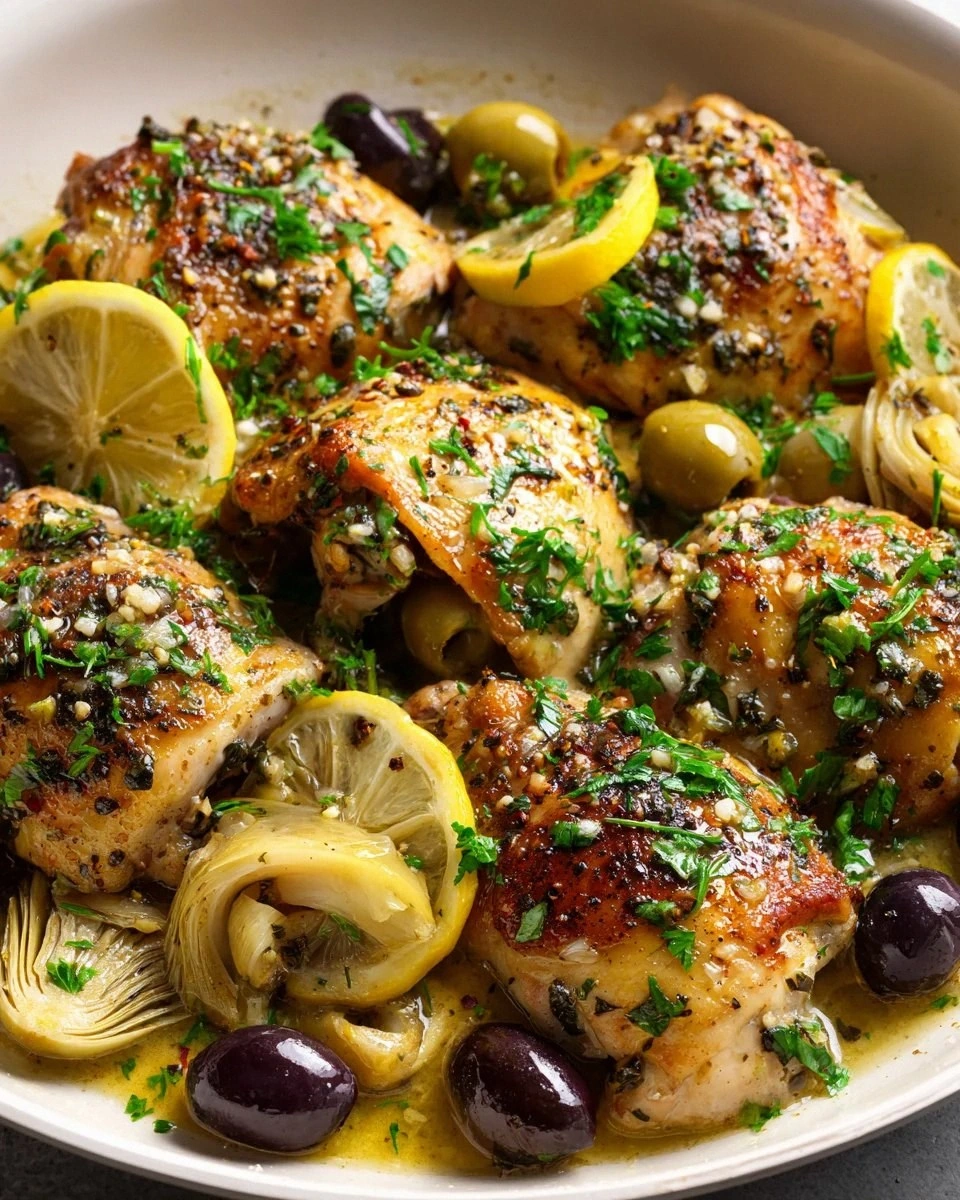
The Method — Step by Step
- In a small bowl, combine the oregano, coriander, cumin, and nutmeg with your fingers, breaking up any clumps and getting a good whiff of that incredible aroma. This is your flavor foundation, and mixing it now ensures every bite of chicken gets perfectly seasoned instead of having one piece that's all nutmeg while another gets nothing. The smell should transport you to a spice market somewhere exotic, and if it doesn't, your spices might be too old — time for a pantry refresh. Set this mixture aside and try not to sneeze directly into it, because that stuff gets everywhere and you'll be tasting nutmeg for hours.
- Whisk together the lemon juice, olive oil, and minced garlic in a bowl big enough to hold all your chicken pieces. Don't just dump everything in and hope for the best — really whisk it so the oil and lemon juice emulsify into this beautiful, glossy marinade that'll coat every nook and cranny of the chicken. The garlic should be minced fine enough that it distributes evenly but not so fine that it burns when we hit high heat later. This is where the magic starts, and that bright, garlicky aroma should make you hungry immediately.
- Pat your chicken thighs dry with paper towels — I cannot stress how important this step is for getting that beautiful sear we're after. Moisture is the enemy of browning, and wet chicken will just steam in its own juices instead of developing those gorgeous caramelized edges. Season both sides generously with salt and pepper, remembering that some of it will wash off in the marinade. Think of this as insurance against bland chicken, because nobody has ever complained about chicken being too well-seasoned.
- Add the chicken to your marinade, turning each piece to coat it completely, then cover and refrigerate for at least 30 minutes but up to 24 hours. Here's where planning ahead pays off — the longer it marinates, the more tender and flavorful it becomes. If you're in a rush, even 15 minutes is better than nothing, but try to give it at least half an hour for the acid to work its tenderizing magic. Turn the pieces once halfway through if you remember, but don't stress if you forget — it'll still be amazing.
- Heat a large, oven-safe skillet over medium-high heat until it's screaming hot — we're talking a drop of water should dance across the surface like it's having a party. Add enough olive oil to coat the bottom thinly, then wait for it to shimmer; this is your visual cue that we're ready to create some serious flavor. Carefully place the chicken thighs in the pan, skin-side down if they have skin, making sure not to crowd them because crowded chicken steams instead of sears. That sizzle when the marinated meat hits the hot metal? That's the sound of flavor being created.
- Sear the chicken for about 4-5 minutes without moving it — I know it's tempting to poke and prod, but leave it alone so it can develop that beautiful golden-brown crust that'll make you look like a professional chef. The edges will start to turn opaque, and you'll see the color creeping up the sides — that's your sign that it's time to flip. Use tongs to turn each piece, revealing that gorgeous caramelized surface that should make you want to take a photo for Instagram immediately. Sear the second side for another 3-4 minutes while you admire your handiwork.
- Scatter the diced onion around the chicken pieces, stirring them gently so they start to pick up all those beautiful browned bits from the bottom of the pan. These onions are going to transform from sharp and raw to sweet and jammy as they cook, creating little pockets of flavor throughout the dish. Push them around with a wooden spoon, scraping up any stuck bits because that's pure flavor gold that'll make your sauce incredible. The smell should be driving you crazy by now — resist the urge to start eating straight from the pan.
- Nestle the lemon halves cut-side down among the chicken pieces, pressing them gently so they make good contact with the hot pan. These lemons are going to caramelize and mellow, their edges turning golden-brown and their juice becoming sweet and complex instead of harsh and acidic. Don't worry if they look like they're burning — that's just the sugars developing incredible flavor. The heat transforms them from sharp and aggressive to something almost like lemon candy that you'll fight over.
- Transfer the whole skillet to a preheated 400°F oven and roast for 15-20 minutes, depending on the size of your chicken pieces. This is where everything comes together — the chicken finishes cooking through while the onions caramelize and the lemons roast into sweet-tart perfection. Don't walk away for too long because overcooked chicken is a tragedy we want to avoid. The best way to check for doneness is to cut into the thickest piece — the juices should run clear, not pink.
- Remove from the oven and let everything rest for 5 minutes — this isn't just chef nonsense, it's essential for juicy meat. While the chicken rests, squeeze those roasted lemon halves over everything, letting their sweet-tart juice mingle with the pan juices to create an incredible sauce that'll make you want to lick the pan. Sprinkle with fresh parsley for that pop of color and freshness that makes the whole dish sing. That's it — you did it. But hold on, I've got a few more tricks that'll take this to another level...
Insider Tricks for Flawless Results
The Temperature Rule Nobody Follows
Here's the thing about chicken that most recipes gloss over — temperature matters more than time. Your chicken is done when it hits 165°F in the thickest part, but it will keep cooking after you take it out of the oven, so pull it at 160°F and let carryover cooking do the rest. A friend tried skipping this step once and ended up with chicken so dry it could have been used as shoe leather. Invest in a good instant-read thermometer and you'll never serve dry chicken again, plus you'll look like you know what you're doing when you confidently check temperatures like a pro.
Why Your Nose Knows Best
Your nose is actually the best tool for knowing when this dish is perfectly done — when the onions start to smell sweet and caramelized instead of sharp and raw, you're getting close. The lemons will develop this incredible roasted aroma that's almost like lemon meringue, and the whole kitchen will smell like you've been transported to a Mediterranean villa. This next part? Pure magic. If you smell anything burning or acrid, pull it out immediately because once those lemon edges burn, they turn bitter and there's no saving the dish.
The 5-Minute Rest That Changes Everything
I know you're hungry and that chicken looks amazing, but walk away for five minutes and you'll be rewarded with juiciness that'll make you weep. During the rest, the juices redistribute throughout the meat instead of flooding your cutting board when you slice in immediately. Cover the pan loosely with foil and use this time to set the table, pour yourself a glass of wine, or just stand there sniffing the incredible aromas. Trust me — this is worth it, and your patience will be rewarded with chicken so juicy it practically cuts itself.
Creative Twists and Variations
This recipe is a playground. Here are some of my favorite ways to switch things up:
The Greek Vacation Version
Add a handful of Kalamata olives and some crumbled feta cheese during the last five minutes of cooking, then serve over orzo pasta that you've tossed with the pan juices. The briny olives and salty feta create this incredible contrast with the sweet roasted lemons, and suddenly you're transported to a taverna overlooking the Aegean Sea. Throw in some fresh oregano if you have it growing in your garden, and don't be surprised if you start speaking Greek spontaneously.
The Spicy Moroccan Adventure
Swap out the nutmeg for a teaspoon of smoked paprika and half a teaspoon of cayenne pepper, then add a cinnamon stick to the pan before roasting. The combination of warm spices and bright lemon creates this incredible complexity that'll have people guessing what your secret ingredient is. Serve over couscous with toasted almonds and suddenly you're running a Moroccan restaurant out of your kitchen. The heat builds slowly but doesn't overpower, making this perfect for people who think they don't like spicy food.
The Cozy Winter Comfort
Add two sliced carrots and a chopped sweet potato to the pan before roasting, creating a complete one-pan meal that'll warm you from the inside out. The vegetables roast in all those amazing chicken juices and spices, turning into tender, flavorful bites that soak up the lemony sauce like little flavor sponges. This version is perfect for those cold winter nights when you want something comforting but not heavy, and it makes incredible leftovers that taste even better the next day.
The Fresh Summer Garden
Toss in a handful of cherry tomatoes and some sliced zucchini during the last 10 minutes of cooking, then finish with fresh basil instead of parsley. The tomatoes burst and create this incredible sauce with the lemon juice, while the zucchini stays crisp-tender and fresh. Serve with crusty bread to mop up all those amazing juices, and you've got a light, bright meal that tastes like summer in a bowl. This is hands down the best version you'll ever make at home during tomato season.
The Party-Ready Appetizer
Cut the chicken into bite-sized pieces before marinating, then thread them onto skewers with the onions and lemon wedges. Grill or broil them for about 3-4 minutes per side until they're golden and slightly charred around the edges. These disappear faster than free drinks at a wedding, and they're perfect for parties because people can eat them with one hand while holding a drink in the other. Serve with a simple yogurt sauce made with Greek yogurt, more lemon juice, and some fresh herbs.
The Luxurious Weekend Version
Use bone-in, skin-on chicken thighs and increase the cooking time by about 10 minutes. The skin gets incredibly crispy while the meat stays impossibly juicy, and the bones add this incredible depth to the sauce that makes it taste like it's been simmering for hours. This is what you make when you want to impress someone or when you need comfort food that tastes like a hug from your grandmother. Plus, it's practically impossible to overcook bone-in chicken, so you can relax and enjoy your wine while it roasts.
Storing and Bringing It Back to Life
Fridge Storage
Store leftovers in an airtight container in the refrigerator for up to 4 days, though I guarantee it won't last that long. Separate the chicken from the sauce if possible, because this helps everything stay fresher and makes reheating easier. The onions and lemon pieces are like gold — don't you dare throw them away because they get even better as they sit and absorb all those flavors. If you have extra sauce (and you should), store it separately because it's incredible drizzled over roasted vegetables or stirred into rice for an instant flavor upgrade.
Freezer Friendly
This dish freezes beautifully for up to 3 months, making it perfect for meal prep Sundays when you want to stock your freezer with delicious options. Freeze individual portions in freezer-safe containers, and you'll have gourmet meals ready faster than you can say "delivery." The texture holds up surprisingly well because chicken thighs are naturally more forgiving than breasts, and the flavors actually intensify during freezing. Thaw overnight in the refrigerator for best results, though you can microwave from frozen in a pinch — just add a splash of water to create steam and prevent drying out.
Best Reheating Method
Skip the microwave if you want to maintain that incredible texture — instead, warm it gently in a covered skillet over medium-low heat with a splash of chicken broth or water to create steam. Add a tiny splash of water before reheating — it steams back to perfection and keeps everything moist and delicious. Cover the pan and let it warm slowly, stirring occasionally, until it's heated through but not overcooked. The lemon pieces can be warmed separately and added back at the end because they get even better when they're hot and their juices run into everything. This method takes about 10 minutes but tastes almost as good as the first time you made it.