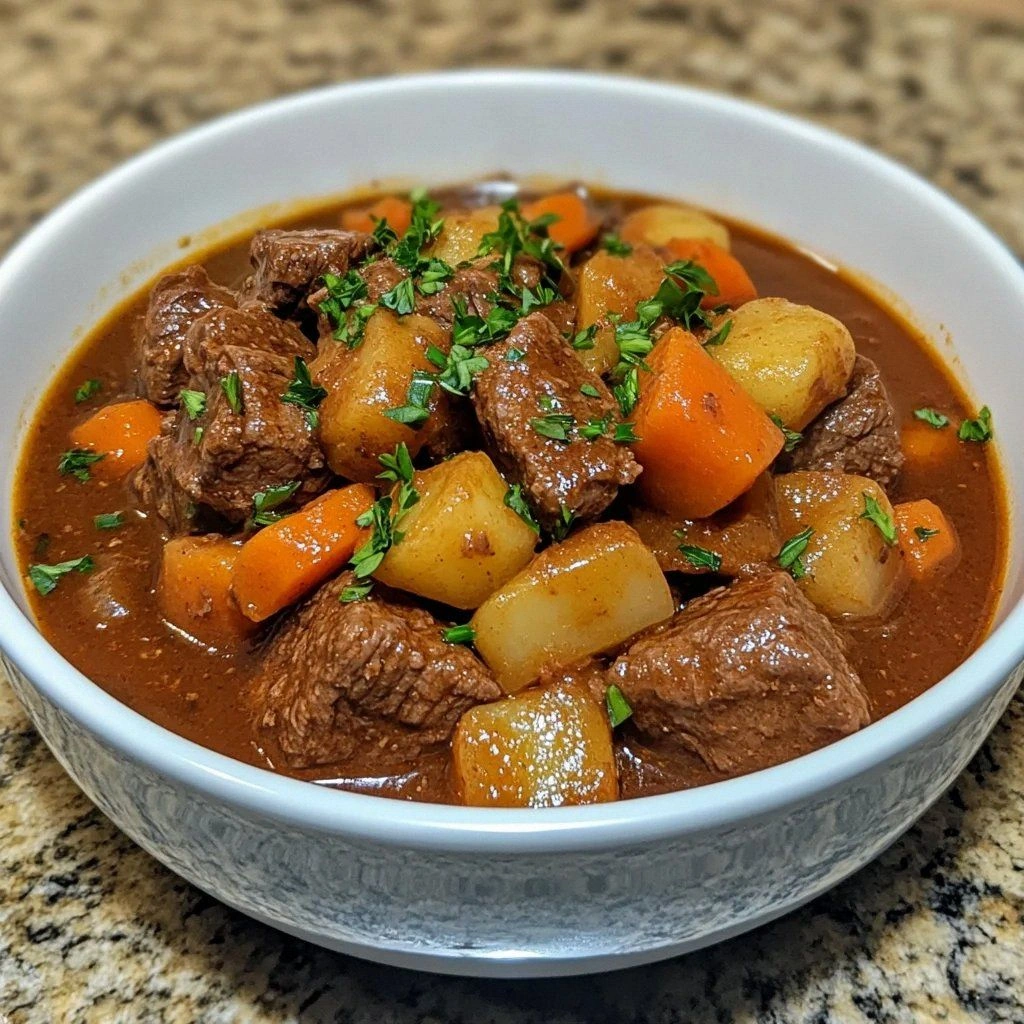
I'll be honest — I once tried to make a "fancy" meatloaf for a dinner party and ended up with something that tasted like a shoe sole wrapped in disappointment. The kind of culinary catastrophe that haunts your dreams and makes you question your life choices. But that epic failure led me down a rabbit hole of obsessive testing, tweaking, and tasting until I stumbled upon something so ridiculously delicious that I actually hid the leftovers from my own family. Picture this: all those deep, caramelized onion flavors you love from French onion soup, but swirled into a tender, juicy meatloaf that basically melts on your tongue. The Gruyère cheese creates these molten pockets of joy throughout, while the French onion soup concentrate infuses every single bite with that rich, umami-packed goodness that makes grown adults close their eyes and sigh contentedly.
That first successful batch? I ate half of it standing at my kitchen counter, straight from the pan, using a wooden spoon because I couldn't be bothered to find a proper plate. My neighbor knocked on the door mid-bite, drawn by the incredible aroma wafting through the neighborhood, and I shamelessly lied that I was "testing for a catering gig." The truth? I was experiencing a moment of pure culinary bliss that I selfishly wanted to keep to myself. The combination of caramelized onions, savory beef, and that nutty Gruyère creates something that's way more than the sum of its parts — it's comfort food elevated to an art form.
Here's what makes this version completely different from every other meatloaf recipe you've tried: instead of using plain breadcrumbs and hoping for flavor, we're essentially turning French onion soup into meatloaf form. The soup concentrate acts like a flavor bomb, carrying all those caramelized onion notes deep into the meat mixture. Most recipes get this completely wrong by adding watery soup that makes the meatloaf fall apart. But when you concentrate that French onion essence and fold it into the mixture with the right ratio of binding ingredients? Magic happens. The Gruyère doesn't just sit on top like an afterthought — it weaves throughout the entire loaf, creating these surprise cheese pulls that will make your Instagram followers weep with envy.
If you've ever struggled with dry, crumbly meatloaf that tastes like punishment for your taste buds, you're not alone — and I've got the fix. This recipe delivers all the cozy nostalgia of your grandmother's cooking, but with a sophistication that'll have dinner guests asking for the recipe before they've even finished their first helping. The secret lies in understanding how each ingredient works together, from the way the egg binds everything to how the Worcestershire sauce amplifies those deep umami notes. By the end of this post, you'll not only master this incredible dish, but you'll understand the science behind why it works so perfectly. Let me walk you through every single step — by the end, you'll wonder how you ever made it any other way.
What Makes This Version Stand Out
The Flavor Explosion: Most meatloaf recipes taste like, well, meatloaf. This one tastes like someone took all the best parts of French onion soup — those caramelized onions, the rich broth, the bubbling Gruyère — and somehow crammed them into a tender, sliceable form. It's familiar enough to trigger all your comfort food memories, but different enough to make everyone at the table sit up and pay attention.
Texture Perfection: Say goodbye to dense, brick-like meatloaf forever. The French onion soup concentrate adds moisture without making the mixture too wet, while the breadcrumbs absorb just enough liquid to keep everything tender. The result slices cleanly but still practically melts on your fork, with little pockets of melted cheese throughout that create textural surprises in every bite.
One-Bowl Simplicity: Despite tasting like something from a fancy bistro, this comes together in one bowl with ingredients you probably already have. No complicated techniques, no special equipment, no standing over the stove for hours reducing sauces. Mix, shape, bake, and prepare to be hailed as a culinary genius.
Make-Ahead Magic: This recipe actually gets better as it sits, making it perfect for entertaining or meal prep. The flavors meld and deepen overnight, so you can mix it up the night before and pop it in the oven when you're ready. Your future self will thank you when you're pulling a restaurant-quality dinner out of the oven on a Tuesday night.
Leftover Transformation: Should you somehow have leftovers (I seriously doubt it), they reheat beautifully and make the most incredible sandwiches. Thin slices on crusty bread with a little extra cheese and a quick broil? That's lunch that'll make your coworkers jealous.
Crowd-Pleasing Power: I've served this to picky kids, food snobs, and everything in between. Everyone loves it. The familiar comfort of meatloaf makes it approachable, while the French onion spin makes it special enough for company. It's the culinary equivalent of a perfect dinner party guest — interesting, memorable, but not trying too hard.
Inside the Ingredient List
The Flavor Base
The ground beef is obviously the star here, but not all beef is created equal. You want 80/20 for the perfect balance — enough fat to keep things moist and flavorful, but not so much that your meatloaf swims in grease. I've tried this with everything from expensive grass-fed to basic supermarket beef, and honestly? The French onion flavors are so bold that you don't need to splurge on the fancy stuff. Save your money for the Gruyère, which is where you'll really taste the difference. The egg acts as the binding agent, holding everything together so you get clean slices instead of a crumbly mess that falls apart on your plate.
French onion soup concentrate is where the magic happens, but here's what most recipes get wrong: they use the canned stuff straight from the can and wonder why their meatloaf tastes watered down. You need to reduce it first, concentrating those caramelized onion flavors until it's almost syrupy. This step takes about five minutes but transforms the entire dish from "meh" to "how did you make this taste like restaurant food?" The Worcestershire sauce amplifies all those deep, savory notes and adds a subtle complexity that makes people ask what your secret ingredient is.
The Texture Crew
Breadcrumbs aren't just filler — they're the insurance policy against dry, tough meatloaf. They absorb excess moisture and release it slowly during cooking, keeping everything tender and juicy. I prefer plain breadcrumbs over seasoned ones because I want to control exactly what flavors go into the mix, and the French onion soup provides plenty of seasoning already. If you only have Italian-seasoned breadcrumbs, they'll work, but reduce any additional herbs you might be tempted to add. The finely chopped onion adds both flavor and moisture, but the key is to chop it small enough that it distributes evenly throughout the meat mixture without creating big chunks that might not cook through completely.
The Unexpected Star
Dried thyme might seem like an afterthought, but it's the ingredient that ties everything together and makes people say "this tastes like something I've had before, but I can't quite place it." Thyme has this woodsy, slightly floral quality that plays beautifully with the sweet caramelized onions in the soup concentrate. Just one teaspoon is enough to add complexity without overwhelming the other flavors. Garlic brings its own magic, but two cloves is the sweet spot — enough to contribute depth without turning this into garlic bread meatloaf. Salt and pepper seem basic, but they're crucial here because the French onion soup concentrate varies in saltiness depending on the brand you use. Always start conservative and adjust at the end if needed.
The Final Flourish
Gruyère cheese is non-negotiable for me, but I understand it can be pricey and hard to find. If you must substitute, go with Swiss cheese rather than something like cheddar — you want that nutty, slightly sweet flavor that melts into creamy pockets throughout the meatloaf. The cheese doesn't just sit on top like a hat; it's woven throughout the entire loaf, creating these surprise moments when you bite into a particularly cheesy section. Fresh parsley at the end isn't just for color — it adds a bright, fresh note that cuts through the richness and makes the whole dish feel lighter and more balanced.
The Method — Step by Step
- Start by preheating your oven to 375°F (190°C) — this isn't just about following instructions, it's about setting yourself up for success. While the oven heats, grab a small saucepan and pour in your French onion soup. Bring it to a gentle simmer over medium heat and let it reduce for about 5 minutes, stirring occasionally. You're looking for it to thicken slightly and become almost syrupy. This step concentrates all those beautiful caramelized onion flavors and prevents your meatloaf from becoming waterlogged. The smell that fills your kitchen during this step? That's the smell of victory, my friend.
- In a large bowl, combine your ground beef, reduced French onion soup concentrate, breadcrumbs, finely chopped onion, minced garlic, egg, Worcestershire sauce, dried thyme, salt, and pepper. Now here's where most people mess up — they either overmix or undermix. You want to combine everything just until it comes together, using your hands (yes, get in there) or a fork. Overmixing makes tough meatloaf because you're developing the proteins too much, but undermixing means you'll bite into pockets of plain breadcrumbs or concentrated seasoning. The mixture should feel cohesive but not pasty, like a slightly sticky play-doh that holds its shape when you form a small test ball.
- Gently fold in half of your shredded Gruyère cheese, distributing it throughout the mixture but being careful not to overwork the meat. The cheese distribution is crucial here — you want little surprises throughout, not one big clump in the center. Think of it like chocolate chips in cookies, except these chips are going to melt into creamy pockets of joy. If the mixture feels too wet, add a tablespoon more breadcrumbs. Too dry? A splash of milk works wonders. This is where your instincts as a cook kick in — the mixture should hold together when you squeeze it, but not feel like you're making cement.
- Transfer the mixture to a loaf pan or shape it into a free-form loaf on a rimmed baking sheet lined with parchment paper. I prefer the free-form method because it allows the edges to caramelize and develop those crispy, flavorful bits that everyone fights over. If you're using a loaf pan, don't pack it too tightly — you want some air pockets so steam can escape and the meatloaf doesn't become dense. The shape should be roughly football-sized, about 9 inches long and 3 inches high. Pro tip: create a slight indentation down the center with the back of a spoon. This prevents the dreaded meatloaf dome and helps it cook more evenly.
- Slide your creation into the preheated oven and bake for 25 minutes. Now, don't walk away completely — you want to check it around the 20-minute mark. The top should be starting to brown, and you should see some juices bubbling around the edges. If it's browning too quickly, tent it loosely with foil. This is also when your kitchen starts smelling so incredible that neighbors might show up with dinner plates. That sizzle when it hits the pan? Absolute perfection. The smell of caramelized onions and savory beef wafting through your house? That's the smell of someone who knows exactly what they're doing in the kitchen.
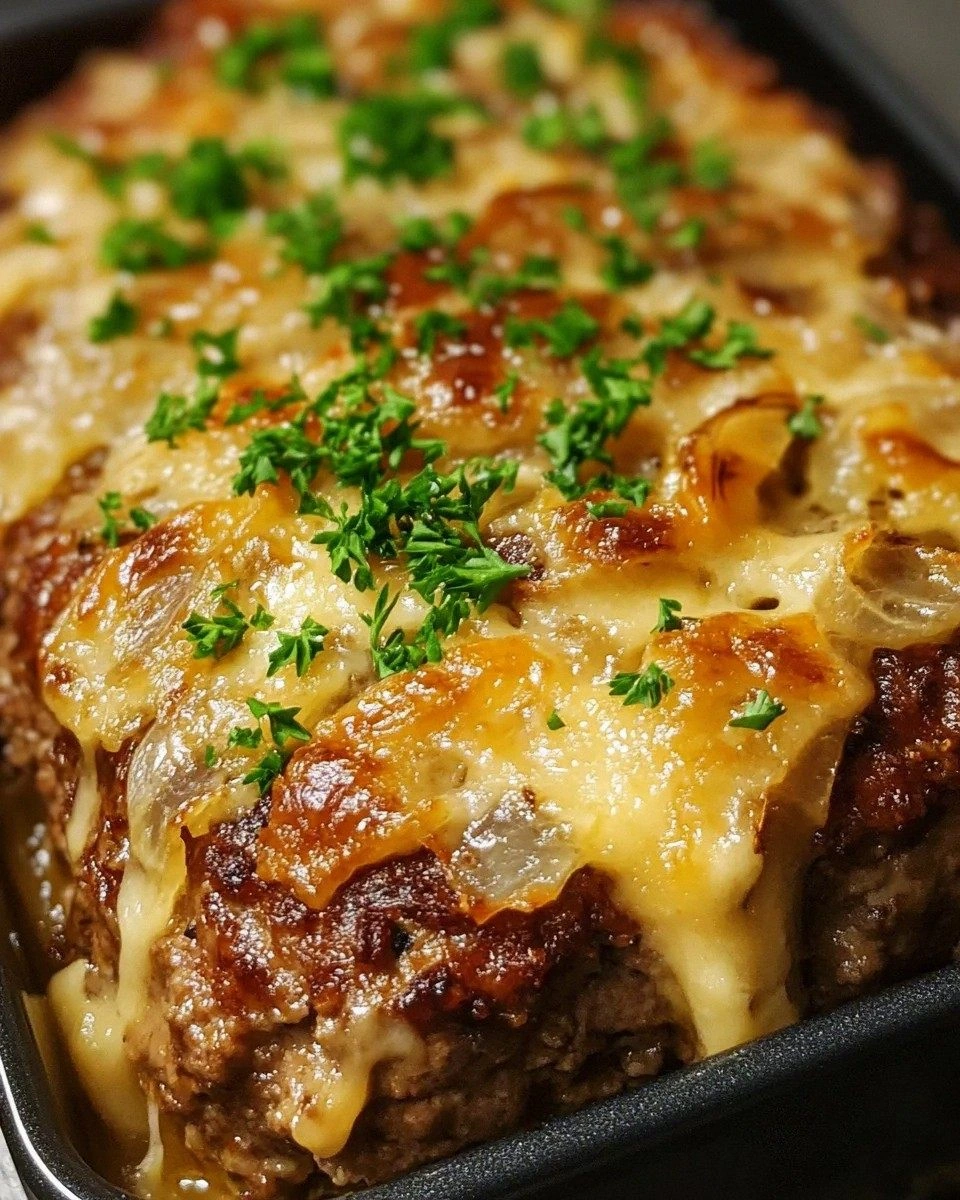
- After 25 minutes, pull it out and sprinkle the remaining Gruyère cheese over the top. Return it to the oven for another 5-7 minutes, just until the cheese is melted and bubbly and starting to turn golden in spots. This isn't just about adding cheese — it's about creating that gorgeous crust that makes everyone reach for their cameras. The cheese will melt into all the nooks and crannies, creating a blanket of gooey, nutty deliciousness that takes this from home cooking to restaurant-quality presentation. Keep an eye on it during these final minutes because cheese can go from perfectly melted to burnt in about 30 seconds.
- Here's the hardest part — let it rest for 5 minutes before slicing. I know, I know, you've been smelling this incredible creation for 45 minutes and now I'm asking you to wait? But trust me on this one. Those few minutes allow the juices to redistribute throughout the meatloaf instead of running all over your cutting board. If you slice too soon, you'll end up with dry meatloaf swimming in a puddle of lost flavor. Use this time to set the table, pour some wine, or just stand there admiring your handiwork while breathing in the incredible aroma that's now permeated your entire kitchen.
- Slice into thick, generous portions and watch as the cheese creates these gorgeous strings between slices. The texture should be tender and moist, not crumbly or dense. Each slice should hold together beautifully but practically melt on your fork. Serve it up with some crusty bread to mop up all those incredible juices, or go traditional with mashed potatoes if that's your jam. Garnish with fresh parsley for a pop of color and that fresh, herbaceous note that cuts through all the richness. And then? Prepare for the compliments to start rolling in, because this is the kind of dish that makes people close their eyes and make embarrassing happy noises.
- Don't throw away those pan juices! They're liquid gold, packed with concentrated French onion flavor and melted cheese. Spoon them over the top of each slice before serving, or better yet, save them to drizzle over vegetables or rice later. Some people strain them and serve them as a sauce on the side, but I like to keep things rustic and just pour them right over everything. These juices are where all the flavor lives, and wasting them should be considered a culinary crime. If you've got leftovers (unlikely, but possible), these juices will keep everything moist and flavorful when you reheat.
That's it — you did it. But hold on, I've got a few more tricks that'll take this to another level...
Insider Tricks for Flawless Results
The Temperature Rule Nobody Follows
Here's what separates good cooks from great ones: understanding that temperature matters at every step, not just when you're baking. Start with room temperature ingredients — yes, that means taking your ground beef out of the fridge 30 minutes before you start. Cold beef doesn't mix evenly, and you'll end up with tough spots where the fat seized up. Same goes for your egg; room temperature egg incorporates more smoothly and helps everything bind together better. And that reduced French onion soup? Let it cool slightly before mixing it in. Hot liquid will start cooking your egg before you even get the meatloaf in the oven, creating scrambled egg pockets that nobody wants to discover in their dinner.
Why Your Nose Knows Best
Your nose is actually the best kitchen timer you have, and I'm not being poetic here. When this meatloaf is perfectly done, your kitchen will smell like the best French onion soup you've ever had, but deeper and more complex. If you start smelling something sharp or acrid, you've probably overcooked it. That rich, savory scent should make your mouth water, not make you worry about burning. A friend tried skipping this step once — let's just say it didn't end well. She set a timer and walked away, came back to a house that smelled like burnt onions and disappointment. Trust your senses; they've been honed over thousands of years of human cooking.
The 5-Minute Rest That Changes Everything
I mentioned resting the meatloaf after baking, but here's an insider tip: let your ingredients rest before mixing too. After you reduce the French onion soup, let it cool for about 5 minutes. This prevents the hot liquid from starting to cook your egg or melt your cheese prematurely. Then after you mix everything together, let the mixture rest for another 5 minutes before shaping. This gives the breadcrumbs time to fully absorb the liquid and distribute evenly, which means no dry spots or weird texture variations. These little pauses feel like they're slowing you down, but they actually guarantee consistent results every single time.
The Cheese Distribution Secret
The difference between good and legendary meatloaf lies in how you handle the cheese. Don't just dump it all in at once — reserve half for the top, but here's the key: cube some of the interior cheese instead of shredding it. Those little cubes create molten pockets that stay creamy even after the meatloaf cools slightly. The shredded cheese on top creates that gorgeous golden crust, while the cubed cheese inside provides surprise bursts of gooey goodness. Mix different sizes — some shredded, some cubed — and you'll get textural variety that keeps every bite interesting. This is the kind of detail that makes people ask "what makes this so much better than regular meatloaf?"
The Make-Ahead Method That Actually Works
You can absolutely mix this up the night before, but here's how to do it right: combine everything except the cheese, cover tightly, and refrigerate. The flavors actually meld and deepen overnight, creating something even more incredible. But wait to add the cheese until just before baking — both mixed in and on top. Cheese that's been sitting in raw meat mixture overnight gets weird and rubbery, plus the fat can separate and create greasy spots. Add the cheese right before it goes in the oven, and you'll get that perfect melt and distribution. This method also lets you do all the messy prep work when you have time, then just pop it in the oven when you're ready to eat.
Creative Twists and Variations
This recipe is a playground. Here are some of my favorite ways to switch things up:
The Swiss Alps Version
For an even more authentic French onion experience, swap out half the Gruyère for Emmental cheese and add a tablespoon of dry white wine to the mixture. The Emmental adds those characteristic holes and a slightly sweeter, nuttier flavor that pairs beautifully with the onions. The wine cooks off but leaves behind this subtle complexity that makes people ask if you studied in France. This version tastes like you're sitting in a cozy chalet after a day of skiing, even if you're actually in your suburban kitchen in July.
The Caramelized Onion Overload
If you're the kind of person who thinks you can never have too many onions (hi, friend), sauté half an onion until deeply caramelized before adding it to the mixture. This adds another layer of onion flavor and creates little sweet pockets throughout the meatloaf. The key is to cook them low and slow until they're mahogany-colored and almost jam-like. Mix these in with your raw onion for a double-onion experience that'll make onion lovers weep with joy.
The Bacon Lover's Dream
Everything's better with bacon, right? Line your loaf pan with bacon strips before adding the meat mixture, or weave a bacon blanket over the top. The bacon fat bastes the meatloaf as it cooks, adding smoky richness and keeping everything incredibly moist. The bacon on top gets crispy while the bacon underneath becomes tender and almost melts into the meat. It's over-the-top indulgent, but sometimes that's exactly what you need.
The Mushroom Umami Bomb
Add finely chopped mushrooms to the mixture for an extra umami punch that makes this taste almost meatier than meat. Use cremini or shiitake mushrooms, sautéed until they've released their moisture and turned golden. They add depth and earthiness that complements the French onion flavors beautifully. This is especially great if you're trying to stretch your meat budget or just want to add more vegetables without anyone noticing.
The Individual Portions Method
Instead of one big loaf, divide the mixture into muffin tins for individual mini meatloaves. They cook faster (about 20-25 minutes total) and everyone gets their own cheesy top. Kids love having their own personal meatloaf, and they're perfect for portion control if you're into that sort of thing. Plus, the edges get more crispy surface area, which is where a lot of the flavor lives.
The Vegetarian Adaptation
Okay, hear me out — you can make a vegetarian version using finely chopped mushrooms, lentils, and walnuts as the base. The French onion soup concentrate and Gruyère keep the flavors familiar, while the texture comes from pulsing mushrooms until they resemble ground meat. It's not exactly the same, but it scratches that same itch and makes vegetarians feel included in the comfort food party.
Storing and Bringing It Back to Life
Fridge Storage
Store any leftovers in an airtight container in the refrigerator for up to 4 days, though honestly, it's never lasted that long in my house. Wrap individual slices in plastic wrap before storing in the container — this prevents them from drying out and makes reheating single portions easier. The flavors actually continue to develop and meld, so day-two meatloaf might even taste better than fresh. Keep those precious pan juices in a separate small container and spoon them over when reheating for maximum moisture restoration.
Freezer Friendly
This meatloaf freezes beautifully, making it perfect for meal prep or future emergency comfort food needs. Wrap the completely cooled meatloaf (or individual slices) tightly in plastic wrap, then in aluminum foil, and freeze for up to 3 months. For best results, freeze it without the cheese topping and add fresh cheese when reheating. Thaw overnight in the refrigerator before reheating, or if you're impatient (like me), you can reheat from frozen — just add extra time and cover with foil to prevent the top from burning before the center heats through.
Best Reheating Method
Skip the microwave unless you enjoy rubbery meatloaf tragedy. Instead, place slices in a baking dish with a splash of broth or those reserved pan juices, cover with foil, and reheat at 325°F for about 15 minutes. This gentle method steams the meatloaf back to life without drying it out. For the cheese topping, add fresh cheese during the last 5 minutes of reheating so it melts perfectly. If you're in a hurry, you can reheat slices in a skillet with a little butter — it creates crispy edges that are honestly incredible and might be even better than the original.