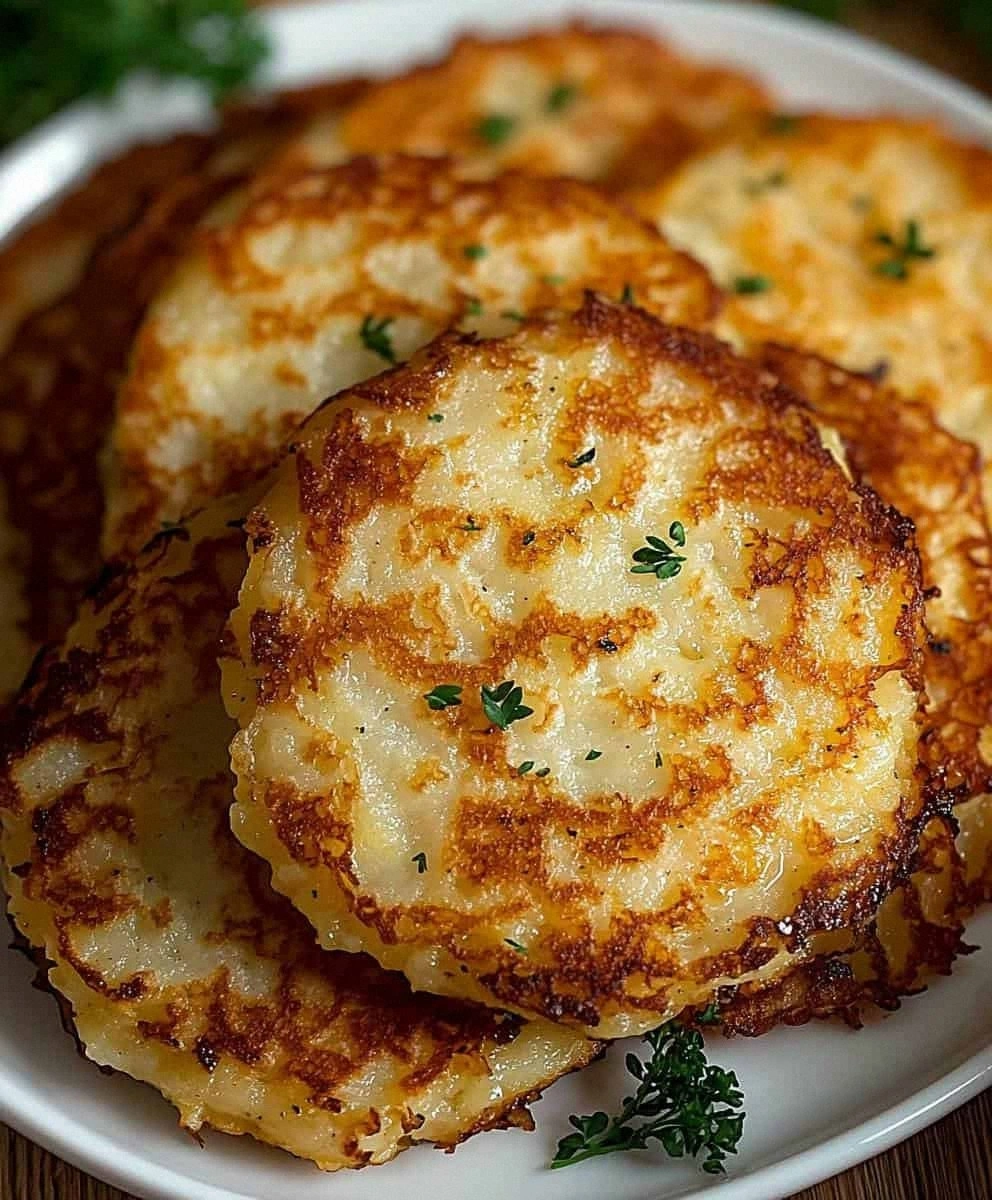
My obsession with potato pancakes started on a Tuesday night when the fridge was practically empty except for a sack of russets and a single onion. I was supposed to be meal-prepping sensible salads, but the universe had other plans. Forty-five minutes and one blistered spatula later, I was standing over the stove, spatula in one hand and a half-eaten pancake in the other, making promises to a pile of potatoes that I would never let them become boring again. That first bite was a revelation: golden lace edges, creamy center, a whisper of onion, the kind of crisp that shatters like thin ice under your fork. I ate six before I remembered I was alone and nobody was judging me. By the time the neighbors knocked to complain about the smoke alarm, the entire batch was gone and my T-shirt looked like Jackson Pollock had used bacon grease as paint. Worth it.
Fast-forward through three months of obsessive testing, a small kitchen fire, and one heroic stand mixer that nearly gave up on life, and here we are: the potato pancake recipe that made my picky German neighbor weep into her apron and my teenage nephew text "BRING THESE TO MY BIRTHDAY OR ELSE." Most recipes treat potato pancakes like sad hash-brown pucks—dense, greasy, and tasting faintly of the back of a freezer. This version is the opposite: feather-light, audibly crispy, and so packed with potato flavor that you'll start questioning every other starch you've ever met. The secret isn't a fancy ingredient; it's a technique that feels borderline criminal the first time you do it, but trust me, you'll want to frame the results.
Picture this: it's Saturday morning, your favorite playlist is humming, the window is cracked just enough for the smell of onions hitting hot oil to drift outside and make dog-walkers jealous. You drop a spoonful of batter into the pan and the sizzle sounds like applause. Thirty seconds later you flip, revealing a sunburst-gold surface freckled with lacy holes. Steam rises, carrying the scent of buttery potato and mellow onion, and you realize you have created edible sunshine. I dare you to taste the first one without immediately returning to the pan for seconds. Actually, I double-dog dare you, because I've never seen it happen.
Let me walk you through every single step—by the end, you'll wonder how you ever made it any other way.
What Makes This Version Stand Out
Shatter-Crisp Edges: The trick is wringing the potatoes until they surrender every last drop of water, then letting the starch settle like gold dust at the bottom of the bowl. That concentrated starch becomes built-in crunch insurance, creating a crust that stays noisy even after the pancakes cool. Most recipes skip this and wonder why their edges go flabby on the plate.
Cloud-Soft Centers: We fold a whisper of baking powder into the batter, which buys us a millimeter of airy lift. The result is a whisper-light interior that melts on your tongue like mashed potatoes wearing a tuxedo. You get the comfort-food vibe without the door-stopper density.
One-Bowl Minimalism: No fancy gear, no overnight rests, no separate whipping of egg whites like you're auditioning for pastry school. You grate, squeeze, stir, fry, and eat within forty-five minutes. If you can operate a cheese grater without losing a knuckle, you're qualified.
Onion Without Tears: Instead of raw onion that hisses and burns, we grate it directly over the potatoes so the juices mingle and mellow. The onion flavor perfumes every bite without stealing the show or turning your pancakes into bitter little frisbees.
Cast-Iron Magic: A well-seasoned skillet holds heat like a battery, giving you consistent browning from first pancake to last. Non-stick pans can't compete with the deep, even sear that makes the crust taste fried-chicken level indulgent.
Freezer-Friendly Glory: Make a double batch, freeze them flat on a sheet pan, then toss them into zip bags. Ten minutes in a toaster oven at 400°F and they re-crisp like fresh. Future-you will high-five present-you every busy Tuesday night.
Applesauce vs. Sour Cream Peace Treaty: Why pick sides? The sweet-tart applesauce cuts the richness like a palate cleanser, while the cool sour cream drapes over the hot pancake like a silk blanket. Serve both and watch grown adults argue over condiments like it's the Super Bowl.
Alright, let's break down exactly what goes into this masterpiece...
Inside the Ingredient List
The Flavor Base
Russet potatoes are the Beyoncé of this operation—fluffy, starchy, ready to absorb all the good stuff. Skip waxy varieties; they hold too much moisture and refuse to crisp, leaving you with sad, rubbery disks. Two pounds sounds like a mountain, but once you peel off the jackets and rinse away surface starch, you'll have just enough for four hungry humans or six polite ones. Choose potatoes that feel heavy for their size and have taut, unblemished skin; if they sprout alien eyeballs in the pantry, save them for planting, not pancakes.
The onion is more than a supporting actor—it's the aromatic backbone that whispers savory secrets throughout the batter. A medium yellow onion gives gentle sweetness; red turns the batter pink and can taste sharp; sweet Vidalia makes everything taste like diner hash browns. Grate it last so the sulfur compounds don't have time to punk your eyes, and leave the root end intact while you work; it holds the layers together and keeps your knuckles intact.
The Texture Crew
Eggs are the Velcro that keeps our pancakes from falling apart in the pan, but too many and you'll have an omelet with trust issues. Two large eggs bind two pounds of potatoes without going rubbery; beat them first so they distribute evenly and you don't get streaks of white that scream "amateur hour." Room-temperature eggs mix more fluidly, so pull them out when you start grating and they'll be ready when you are.
Flour is the quiet bodyguard of the operation—just a quarter cup of all-purpose soaks up residual moisture and gives the eggs something to grip. Swap in potato starch for extra potato punch, or rice flour for gluten-free friends; both work, but AP flour is the every-day hero that keeps life simple. Don't eyeball this one; too much flour tastes like paste, too little and your pancakes shred in the oil like tissue paper in the rain.
Baking powder is the secret aerodynamicist. A measly quarter teaspoon creates micro-bubbles that lighten the interior without turning breakfast into a science experiment. Make sure it's fresh—if the can predates your last birthday, give it the fizz test in vinegar first, because flat baking powder is just fancy cornstarch.
The Unexpected Star
Salt is the flavor amplifier, but sprinkle it directly onto the hot pancakes the second they leave the oil, not into the raw batter. The crystals hit the screaming-hot surface and dissolve instantly, seasoning from the outside in and giving you that steak-house crust. Kosher salt's jagged edges stick like glitter, while table salt bounces off like shy confetti.
Black pepper waits until the end too; its volatile oils hate prolonged heat and turn bitter faster than a breakup text. A few cracks over the finished stack add floral heat that blooms in your mouth rather than the pan. If you've only got pre-ground, skip it—dusty pepper tastes like regret.
The Final Flourish
Vegetable oil needs a high smoke point and neutral flavor, so leave the grassy extra-virgin olive oil for salads. Peanut, sunflower, or refined avocado oil let the potato flavor sing without a burnt-popcorn backing track. You're shallow-frying, not deep-frying, so pour in just enough to create a shimmering pool that reaches halfway up the pancakes—about a quarter inch. Swirl the pan before each batch; hot spots are the enemy of even browning.
Everything's prepped? Good. Let's get into the real action...
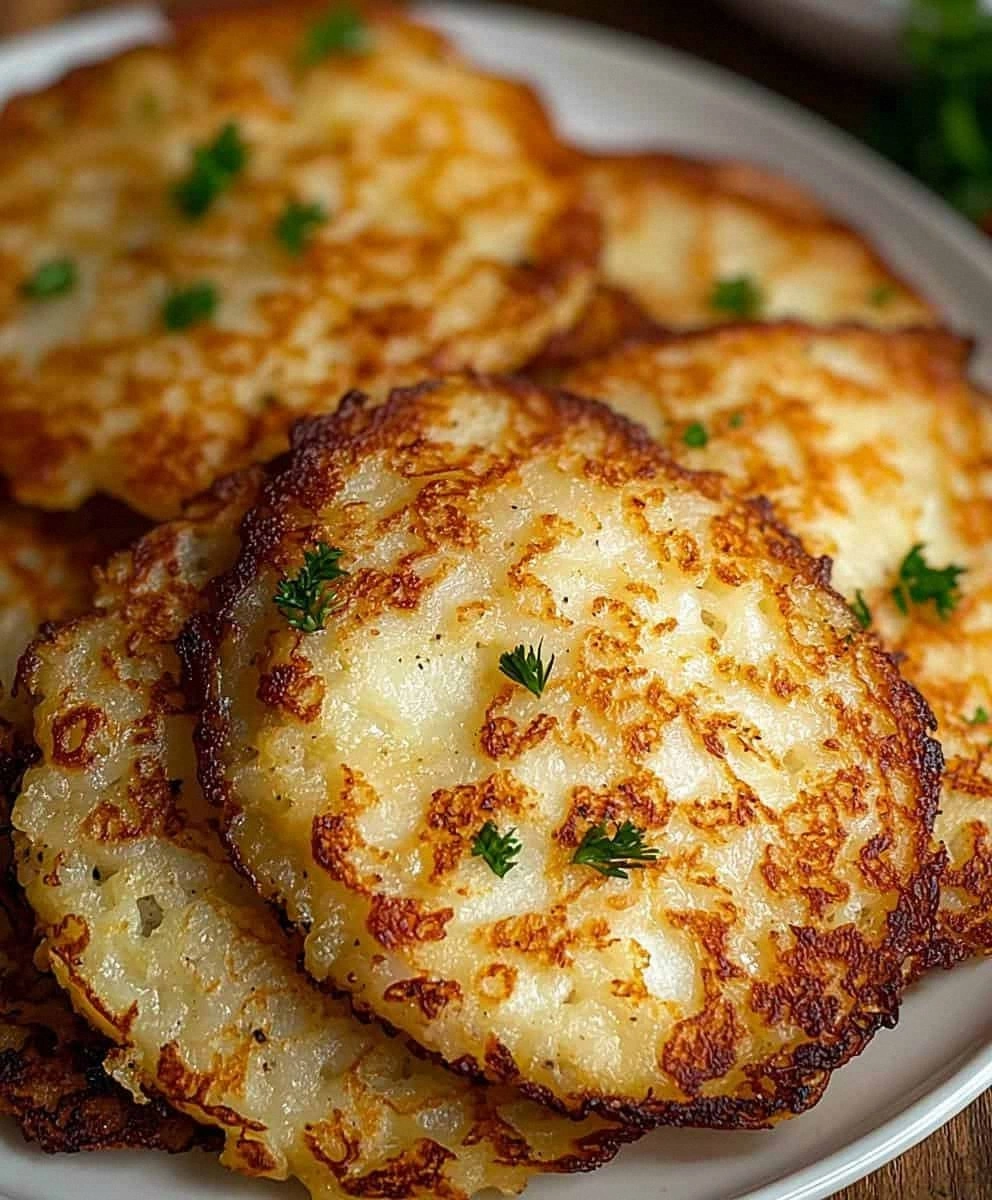
The Method — Step by Step
- Set up your station like you're prepping for surgery: box grater in a sheet pan to catch runoff, clean kitchen towels at the ready, and a heavy skillet on medium heat. Peel the potatoes and dunk them in ice water for two minutes; this washes away excess starch so your pancakes don't glue together. Dry them aggressively—water is the arch-nemesis of crisp—then grate using the large holes. The pile will look like snowy shredded wheat; resist the urge to dive in face-first.
- Grate the onion directly over the potatoes so every tear-inducing vapor lands on the starch, not in your eyes. Toss the shreds together with your fingers; the onion juice starts seasoning immediately and prevents the potatoes from oxidizing into gray sadness. Work fast—potatoes left idle start sulking and turn an unappetizing lavender.
- Grab a lint-free kitchen towel, pile in the potato-onion mixture, and twist into a tourniquet over the sink. Squeeze like you're wringing out a wet dog until not a single drop drips. Open the towel; you'll find a starchy white paste clinging to the fabric—that's potato gold. Scrape it back onto the shreds; it's natural glue that turbo-charges the crust.
- Beat the eggs in a small bowl until homogenous and frothy, then drizzle over the potatoes. Sprinkle the flour, salt, pepper, and baking powder across the top like you're dusting a crime scene. Fold everything together with a rubber spatula until no dry pockets remain; the batter should look like chunky applesauce that holds a loose shape when scooped. If it feels wet, add another tablespoon of flour; if it's stiff, a teaspoon of water loosens it up.
- Test the oil by dropping a rice-grain-sized bit of batter into the pan; it should sizzle immediately but not smoke. Adjust heat as needed—too low and the pancakes soak up oil like sponges, too high and you get raw insides wrapped in charcoal. Swirl the oil to coat evenly, then use a heaping tablespoon to drop mounds into the pool, flattening each into a three-inch disk with the back of the spoon. Crowding drops the temperature, so leave breathing room; three per batch is the sweet spot in a ten-inch skillet.
- Now, don't touch anything for a full ninety seconds. Let the crust develop its golden armor. You'll see the edges turn opaque and firm, and tiny bubbles will appear on the surface like a pancake constellation. When the undersides are mahogany and release easily from the pan, flip confidently with a thin metal spatula. Hesitation causes casualties.
- Cook the second side for sixty to seventy seconds; it browns faster because the interior is already warm. Transfer to a wire rack set over a baking sheet, sprinkle with salt while they're glistening, and park them in a 200°F oven if you're making a mountain. Repeat with the remaining batter, adding oil as needed and letting it reheat between batches.
- The final batch always disappears before it reaches the table—accept this reality and plan accordingly. Serve them stacked like edible currency, flanked by chilled applesauce and sour cream in separate bowls so people can choose their own adventure. Listen for the crunch that travels across the room when someone takes the first bite; that's the sound of breakfast victory.
That's it—you did it. But hold on, I've got a few more tricks that'll take this to another level...
Insider Tricks for Flawless Results
The Temperature Rule Nobody Follows
Most home cooks crank the burner to high and wonder why the outsides carbonize while the insides stay raw. The sweet spot is medium, where the oil shimmers but doesn't smoke—around 350°F if you like numbers, or "angry enough that a breadcrumb sizzles politely" if you don't. After each batch, let the oil recover for thirty seconds; rushing this is like sprinting up stairs—you'll arrive winded and wobbly. A friend once ignored this and served pancakes that looked like coal briquettes; we still joke about "carbon-flavored latkes" every Hanukkah.
Why Your Nose Knows Best
Trust the aroma. When the potatoes hit the oil, you should smell buttery toast and sweet onion—if you detect acrid bitterness, the pan is too hot and the potato sugars are burning. Adjust immediately by lowering the heat and adding a splash of fresh oil to cool the surface. Your nose is faster than any thermometer, and it never runs out of batteries at the worst possible moment.
The 5-Minute Rest That Changes Everything
After mixing the batter, let it sit for five minutes so the flour hydrates and the starch tightens its grip. This prevents the pancakes from shedding shreds in the oil and gives you a smoother flip. Use the downtime to tidy the counter, sip coffee, or practice your victory dance—just don't skip it. I once tried to rush straight from bowl to pan and ended up with potato confetti floating in the oil; my dog still considers it the best day ever.
Season in Real Time
Potatoes are notorious under-seasoners; they need salt like teenagers need Wi-Fi. Dust the hot pancakes the instant they leave the oil so the crystals adhere and dissolve instantly. Taste the first one and adjust—under-seasoned potatoes taste like wet cardboard, over-seasoned ones make you reach for water and apologize to your tongue. Aim for the first bite to make you smile, not wince.
Creative Twists and Variations
This recipe is a playground. Here are some of my favorite ways to switch things up:
Zucchini-Potato Summer Stacks
Swap out one pound of potatoes for zucchini; salt the shredded zucchini for ten minutes, then wring it dry. The result is lighter, greener, and tastes like July sunshine. Add a pinch of lemon zest to the batter and serve with garlicky yogurt sauce. Perfect for when your garden is staging a zucchini coup.
Smoked Gouda & Chive Clouds
Fold in a half cup of shredded smoked Gouda and a tablespoon of fresh chives. The cheese melts into smoky pockets, and the chives add a grassy pop. These disappear fastest at brunch alongside cold mimosas and gossip.
Sweet Potato-Coconut Curry Cakes
Replace half the russets with orange sweet potatoes and swap the flour for coconut flour. Add a teaspoon of curry powder and serve with mango chutney. The coconut flour soaks up extra moisture and lends a faint tropical perfume that makes winter feel less brutal.
Everything-Bagel Crust
Brush the cooked pancakes with garlic butter and press into a plate of everything-bagel seasoning while still hot. You get sesame-crusted edges that crackle like snack chips and a bakery aroma that drives carb-lovers wild.
Mini Appetizer Coins
Drop teaspoon-sized mounds into the oil and fry until dainty two-inch coins. Top with sour cream and smoked salmon for cocktail parties, or with apple butter for a autumnal twist. They vanish in one bite, so make twice as many as math suggests.
Breakfast Sandwich Sliders
Make palm-sized pancakes, then sandwich them around scrambled eggs, sharp cheddar, and a drizzle of hot honey. Wrap in parchment for road trips or desk lunches; they reheat like savory Pop-Tarts and make coworkers jealous in the microwave line.
Storing and Bringing It Back to Life
Fridge Storage
Cool the pancakes completely on a rack, then layer them between sheets of parchment in an airtight container. They'll keep for up to four days, though the crust will soften. Reheat in a dry skillet over medium heat for two minutes per side; the sizzle returns, and the edges regain their snap. Microwaves turn them rubbery—only use them if you're desperate and have dental insurance.
Freezer Friendly
Freeze them flat on a parchment-lined sheet pan until solid, then toss into zip-top bags with the air squeezed out. They'll keep for two months without freezer burn, though good luck waiting that long. To reheat, place frozen cakes on a wire rack set inside a rimmed baking sheet in a 400°F oven for ten minutes; they emerge almost as crunchy as day one. Add a tiny splash of water to the pan before closing the oven door; the steam revives the interior while the dry heat recrisps the outside.
Best Reheating Method
For maximum crunch, use the toaster. Set it to medium-dark and let the pancakes ride the escalator twice; the direct heat re-caramelizes the surface and creates new blisters of flavor. If you're feeding a crowd, the oven method above scales beautifully and keeps your hands free for coffee refills and high-fives.