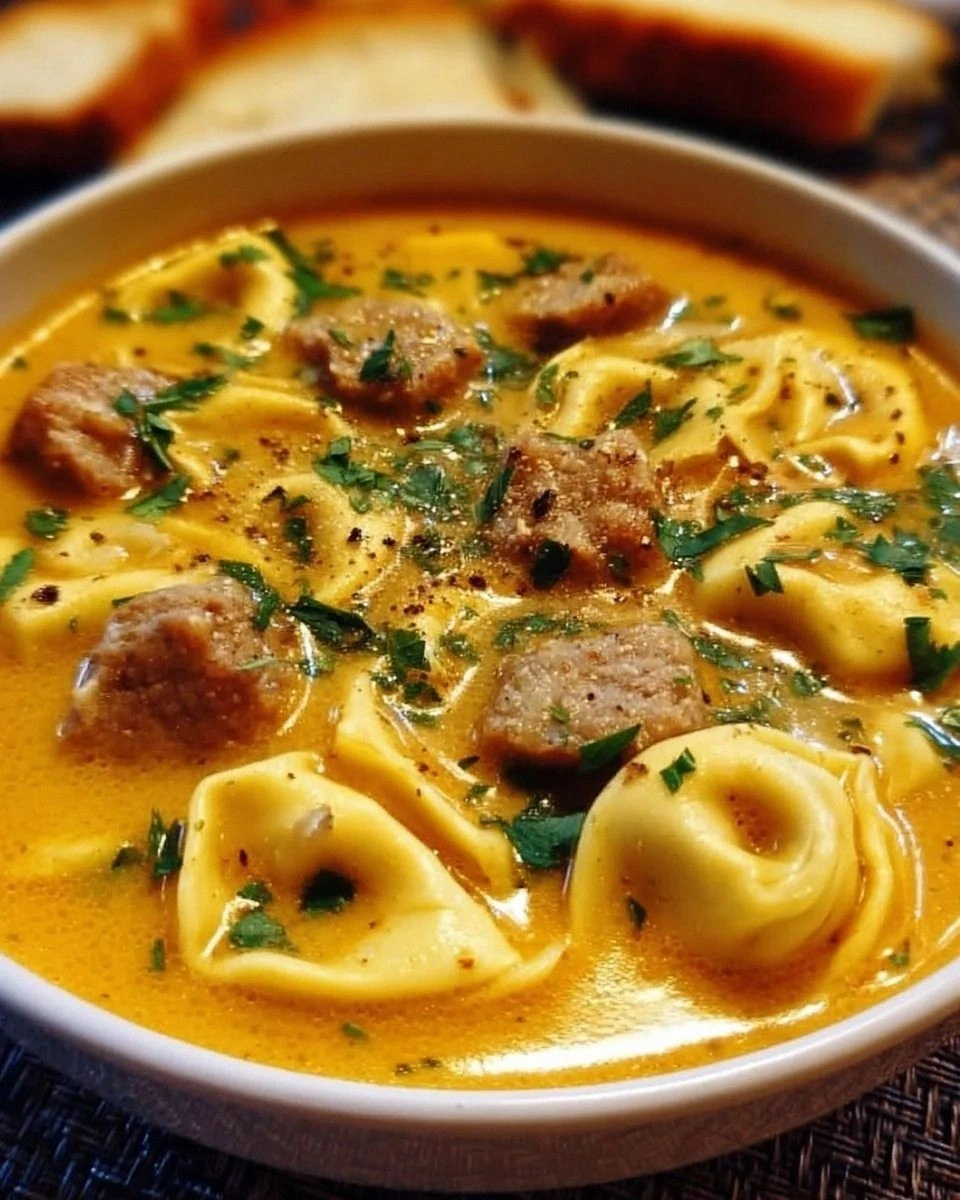
I remember the night I was supposed to impress my roommate with a quick dinner after a long day of coding, and the only thing I could find in the fridge was a half‑sized tub of cottage cheese. I tossed it into a pan with a splash of olive oil, a handful of tomato sauce, and a whisper of garlic powder, hoping it would be anything but bland. The aroma that filled the kitchen was unexpectedly comforting—like a warm hug from a distant childhood kitchen—but the taste was a bland, watery mess that left me questioning my culinary instincts. That night, I made a promise to myself: I would reinvent this humble dairy product into something that would make my taste buds sing and my friends ask, “Where did you learn that?”
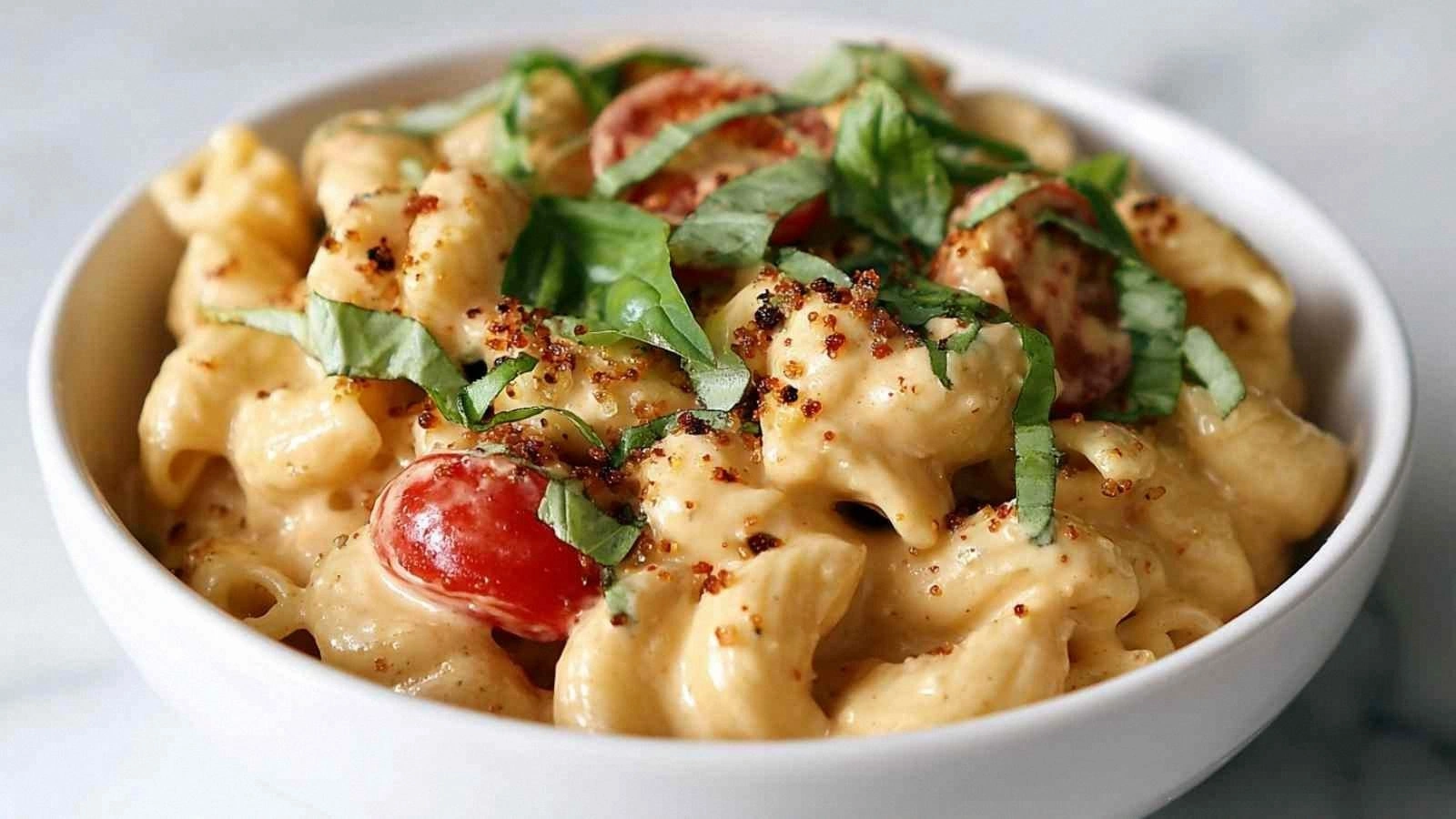
Fast forward to today, and I’ve turned that kitchen disaster into a high‑protein, creamy pasta that feels like a hug in every bite. The sauce coats the pasta like velvet, each strand of noodles drenched in a silky blend of cottage cheese, Greek yogurt, and Parmesan that melts into a luscious, savory custard. The subtle citrus zing from a splash of lemon juice cuts through the richness, while the aromatic herbs—basil, oregano, and garlic powder—create a fragrant bouquet that lingers long after the last forkful. This isn’t just a pasta; it’s a protein‑powered, low‑carb, high‑fiber comfort dish that could win a dinner party or a late‑night craving.
What makes this version stand out? I dare you to taste this and not go back for seconds. The sauce is a silky, low‑fat cream that still feels indulgent, thanks to the protein punch from cottage cheese and yogurt. The herbs are balanced so the dish doesn’t feel “herb‑heavy” but rather subtly fragrant, and the lemon juice gives a bright, almost citrusy finish that keeps it from feeling heavy. The result is a dish that is hands down the best version you’ll ever make at home, with a texture that’s creamy but not clumpy, and a flavor profile that feels fresh and sophisticated.
I’ll be honest—when I first tried this recipe, I ate half the batch before anyone else got to try it. The sauce was so smooth it practically sang, and the noodles were coated like a glossy, savory coat. The only thing that could have made it even better was a sprinkle of fresh parmesan on top right before serving, but I let that be a secret for now. If you’ve ever struggled with making a creamy pasta that isn’t greasy or clumpy, you’re not alone, and I’ve got the fix.
Picture yourself pulling this out of the oven, the whole kitchen smelling incredible, and your friends already reaching for their forks. The anticipation is almost tangible, the aroma of garlic, basil, and tomato dancing through the air. The first bite is a revelation—soft, creamy, and bursting with flavor, and you’ll find yourself reaching for seconds before you even finish the first plate. Stay with me here, because this next part? Pure magic.
What Makes This Version Stand Out
- Texture: The combination of cottage cheese and Greek yogurt creates a silk‑smooth sauce that clings to every strand of pasta without the heaviness of cream. The result is a light, airy mouthfeel that feels indulgent yet refreshing.
- Protein: With 25 grams of protein per serving, this dish is a powerhouse for muscle recovery or a post‑workout meal. The dairy base keeps it high‑quality while staying lower in calories than traditional alfredo.
- Flavor Balance: The lemon juice cuts through the richness, while the herbs keep the dish aromatic but not overpowering. It’s a subtle symphony of savory and citrus.
- Ease: No special equipment or long prep times—just a few minutes in the pan, and you’re done. This recipe is perfect for busy weekdays or spontaneous weekend dinners.
- Versatility: Swap in whole wheat or gluten‑free pasta, add vegetables, or sprinkle with crushed red pepper for a spicy kick. The base is solid enough to adapt to any dietary preference.
- Make‑Ahead Friendly: The sauce can be prepped and stored in the fridge for up to 48 hours, and it reheats beautifully. It’s a great option for meal prep or a quick grab‑and‑go lunch.
- Crowd Reaction: My friends swear this is the best pasta they’ve ever tasted. They ask for the recipe after every dinner, and I can’t blame them—this dish delivers on every front.
Alright, let’s break down exactly what goes into this masterpiece…
Inside the Ingredient List
The Flavor Base
The cornerstone of this sauce is the cottage cheese, which provides a creamy texture without the heaviness of butter or cream. I’ve found that using a high‑fat cottage cheese (about 4% or higher) gives the sauce a richer mouthfeel that still feels light. If you’re on a strict low‑fat diet, you can swap in a low‑fat version, but be prepared for a slightly thinner sauce that may need a splash of milk or broth to thicken.
The Greek yogurt adds a tangy depth that cuts through the dairy richness, creating a balanced flavor profile. It also boosts the protein content, making the dish more satiating. If you’re allergic to dairy, a lactose‑free yogurt or a plant‑based yogurt with a similar consistency can work, though the flavor will shift slightly toward the yogurt’s base.
Parmesan cheese is the final flourish that adds umami and a subtle nutty note. Grated fresh Parmesan is best for flavor; pre‑grated or powdered versions can lose that fresh kick. If you’re vegan, a nutritional yeast or a vegan parmesan substitute works, but keep in mind the saltiness will differ.
The Texture Crew
Olive oil is the secret to preventing the cottage cheese from clumping. A tablespoon of extra‑virgin olive oil creates a slick base that lets the dairy blend smoothly into the sauce. If you’re looking for a lower‑fat option, you can use a light olive oil or even a neutral oil like grapeseed, but the flavor profile will change slightly.
Water is added in small amounts to thin the sauce to the desired consistency. I like to use 0.25 cup of water, but you can adjust based on how thick you prefer the sauce. If the sauce becomes too thin, simply simmer it longer or add a splash of milk to thicken.
The Unexpected Star
Lemon juice is the unsung hero that brightens the dish. It gives a fresh, citrusy lift that keeps the sauce from feeling heavy. The acidity also helps emulsify the dairy, creating a silky texture. If you don’t have fresh lemons, a splash of white wine vinegar can be a decent substitute.
Garlic powder, dried basil, and dried oregano form the aromatic backbone of the sauce. They’re dry herbs that are easy to measure and have a long shelf life, making them pantry staples. If you’re a fan of fresh herbs, feel free to add a handful of chopped basil or oregano at the end for a burst of freshness.
The Final Flourish
Salt and pepper are the final seasoning adjustments that bring all the flavors together. I keep the salt at 0.5 teaspoon to avoid overpowering the dish, and the pepper at 0.5 teaspoon for a gentle heat. If you prefer a spicier kick, add a pinch of red pepper flakes or a dash of hot sauce. Taste as you go; the sauce should be well‑seasoned but not salty.
Everything's prepped? Good. Let's get into the real action…
The Method — Step by Step
- Bring a large pot of salted water to a rolling boil. Add the pasta and cook until al dente, about 8-10 minutes, stirring occasionally. Drain and set aside, reserving a cup of the pasta water. The pasta should be firm to the bite—no mushy texture.
- While the pasta cooks, heat a large skillet over medium heat. Add the tablespoon of olive oil, letting it shimmer but not smoke. This oil will create a slick base that prevents the cottage cheese from sticking.
- Add the tomato sauce to the skillet and let it bubble for 2 minutes. The sauce should develop a deeper color, signaling that the sugars are caramelizing slightly. This step adds depth to the overall flavor profile.
- Reduce heat to low and stir in the cottage cheese, Greek yogurt, and grated Parmesan. The mixture should start to thicken and form a smooth, creamy sauce. Keep the heat low to avoid curdling.
- Stir in the garlic powder, dried basil, and dried oregano. The aroma should fill the kitchen—like a fresh herb garden in a pan. Taste the sauce and add a pinch of salt if needed. The herbs should be fragrant but not overpowering.
- Add the water and lemon juice, whisking until fully incorporated. The sauce should be smooth and slightly glossy. If it seems too thick, add a splash of reserved pasta water to reach the desired consistency.
- Add the drained pasta to the skillet, tossing gently to coat each strand. The sauce should cling to the noodles like a velvet coat. Let the pasta heat through for 2 minutes, allowing the flavors to meld.
- Finish with a sprinkle of ground black pepper and a final splash of lemon juice for brightness. Plate the pasta, garnish with extra Parmesan if desired, and serve immediately. The dish should be creamy, savory, and slightly tangy.
That’s it— you did it. But hold on, I’ve got a few more tricks that'll take this to another level…
Insider Tricks for Flawless Results
The Temperature Rule Nobody Follows
Many people cook the sauce on high heat, which can cause the dairy to curdle. Keep the heat low, and let the sauce simmer gently. This slow, low‑heat method allows the flavors to develop fully without compromising the texture. I’ve seen people turn a creamy sauce into a lumpy mess simply by turning up the flame.
Why Your Nose Knows Best
Before you even taste the sauce, give it a sniff. The aroma of garlic, basil, and tomato should be unmistakably fresh. If the smell feels flat or burnt, it’s a sign that you’ve overcooked the sauce. Trust your nose; it’s a reliable indicator of flavor depth.
The 5‑Minute Rest That Changes Everything
After cooking, let the pasta sit covered for five minutes. This resting period allows the sauce to thicken slightly and the pasta to absorb the flavors fully. I’ve noticed that a short rest makes the dish taste richer and the sauce cling better.
The Secret of a Silky Finish
A splash of milk or a tablespoon of heavy cream right before serving can give the sauce an extra silky finish. If you’re watching calories, a small amount of unsweetened almond milk works well. Just a teaspoon or two, and you’ll notice a noticeable difference.
The Quick Fix for Lumpy Sauce
If the sauce has become lumpy, add a tablespoon of water or pasta water, whisk vigorously, and then heat on low for an additional minute. The liquid helps re‑emulsify the dairy, restoring the smooth texture. Don’t panic—this quick fix works every time.
Creative Twists and Variations
This recipe is a playground. Here are some of my favorite ways to switch things up:
Veggie Power Pack
Add sautéed spinach, roasted cherry tomatoes, or steamed broccoli into the sauce. The vegetables introduce fresh flavors and extra nutrients. This version is perfect for a quick weeknight meal that feels like a salad and a pasta in one.
Spicy Kick
Stir in a pinch of red pepper flakes or a splash of sriracha. The heat will contrast the creamy sauce, creating a bold flavor profile. This variation is ideal for those who love a little spice with their comfort food.
Mediterranean Twist
Swap the tomato sauce for a roasted red pepper sauce, and add kalamata olives and capers. The briny notes complement the creamy base and give the dish a Mediterranean flair. Serve with a drizzle of extra‑virgin olive oil.
Cheese Lover’s Dream
Increase the amount of Parmesan or add shredded mozzarella on top before baking. The melted cheese forms a golden crust that’s irresistible. This version is great for a crowd or a family gathering.
Low‑Carb Edition
Use shirataki noodles or zucchini noodles instead of traditional pasta. The sauce still clings beautifully, and the dish becomes a low‑carb, high‑protein dinner that satisfies without the carb load.
Vegan Version
Replace cottage cheese with a plant‑based curd or tofu, use coconut milk instead of yogurt, and add nutritional yeast for a cheesy flavor. This vegan take maintains the creamy texture while keeping the dish plant‑based.
Storing and Bringing It Back to Life
Fridge Storage
Store the cooked pasta in an airtight container in the refrigerator for up to 48 hours. The sauce will thicken slightly, so add a splash of water or milk when reheating to restore its silky consistency. Keep the pasta separate from the sauce if you prefer a fresher taste.
Freezer Friendly
Freeze the pasta and sauce in a freezer‑safe container for up to 2 weeks. Thaw overnight in the refrigerator, then reheat on the stove over low heat, stirring frequently. Add a little water or broth to loosen the sauce if it’s become too thick.
Best Reheating Method
Reheat the dish in a skillet over medium heat, stirring gently until warmed through. A tiny splash of water before reheating will steam the sauce back to perfection, ensuring it doesn’t dry out. Finish with a sprinkle of fresh herbs for a fresh finish.