I still remember the first time I tried to make hollandaise sauce. I was twenty-three, wildly overconfident, and armed with nothing more than a whisk, a cheap saucepan, and a vague memory of watching a cooking show. The result? A curdled, oily mess that looked like scrambled eggs trying to cosplay as a sauce. My roommate took one look, raised an eyebrow, and said, “So… are we eating this or is it modern art?” I laughed, scraped it into the trash, and swore I’d never attempt it again.
Fast forward a decade, and here I am, spooning silky, golden hollandaise over everything from asparagus to avocado toast, grinning like I’ve cracked some secret culinary code. Because I have. This version is bulletproof. Not in the “I went to culinary school and own a $400 blender” kind of way — in the “I’ve messed this up more times than I’ve parallel parked correctly” kind of way. If you’ve ever ended up with a sauce that looks like it lost a fight with a lemon and a stick of butter, you’re in the right place. If you’ve ever stood over a double boiler whispering “please don’t break” like it’s a needy houseplant, welcome home.
What changed? I stopped following the rules. I ditched the double boiler, the endless whisking, the anxiety of “is it emulsifying or am I just sweating into the bowl?” Instead, I developed a method that’s forgiving, fast, and — dare I say — fun. The sauce comes together in under five minutes, uses five pantry staples, and holds like a dream. I’ve made it at 6 a.m. for brunch parties and at midnight for a solo date with frozen hash browns. It has never once split on me. Not once. That’s not arrogance — that’s a public service announcement.
Let me walk you through every single step — by the end, you’ll wonder how you ever made it any other way.
What Makes This Version Stand Out
Speed Demon: From fridge to finish in under five minutes. No double boiler, no vinegar reduction, no praying to the French culinary gods. Just a blender, a microwave, and a little bit of kitchen magic. I’ve timed this against my kettle boiling for tea — the sauce wins.
Fail-Proof Emulsion: Most recipes tell you to drizzle butter slower than your ex replied to texts. Here, we heat the yolks just enough to stabilize them, then let the blender do the heavy lifting. The result is a sauce that clings to your spoon like it’s in love and refuses to break, even if you walk away to answer the door.
Buttery but Balanced: Not greasy, not heavy, not the kind of sauce that sits in your stomach like a mortgage. The lemon is bright, the cayenne gives a gentle back-of-throat warmth, and the butter tastes like butter — not like you’re drinking a melted movie popcorn refill.
Make-Ahead Marvel: You can prep this up to three days ahead and revive it in ten seconds. I’ve served it at brunch parties where guests thought I had a tiny chef hidden in my pantry. Nope — just a jar and a quick whisk.
Scale Without Fear: Tripling for a crowd? Halving for a romantic eggs-Benedict-in-bed situation? The ratios stay rock-solid. I’ve tested this from one egg yolk to twelve. Same velvet, different volume.
Kid-Tested, Chef-Approved: My nephew calls it “yellow ketchup” and puts it on chicken nuggets. My Michelin-trained friend asked for the recipe. Somewhere between those two poles lies perfection.
Alright, let’s break down exactly what goes into this masterpiece...
Inside the Ingredient List
The Flavor Base
Egg yolks are the soul of hollandaise. They’re not just there for color — they’re the emulsifiers, the tiny diplomats that convince butter and lemon juice to stop fighting and become best friends. Use the freshest eggs you can find; old yolks get sticky and stubborn. If you’re in a pinch and only have supermarket eggs, add an extra 30 seconds of blending time to whip them into submission.
Lemon juice brings the sparkle. Bottled works in an emergency, but fresh juice has volatile oils that make the sauce taste like sunshine in liquid form. Roll the lemon on the counter before cutting — it breaks the membranes and gives you every last drop. One medium lemon yields about two tablespoons, which is exactly what we need.
The Texture Crew
Butter is the body. Use unsalted, European-style if you can find it — the higher fat content (82% vs 80%) makes a silkier sauce. If you’re stuck with regular sticks, no stress; just don’t substitute margarine or coconut oil unless you want a sauce that tastes like a beach vacation gone wrong. Melt it until it’s hot and foamy but not browning; we want liquid gold, not beurre noisette.
A pinch of cayenne is the secret handshake. You won’t taste heat, just a gentle warmth that makes people ask, “What’s in this?” If you’re serving spice-sensitive guests, swap in a few grinds of white pepper — same intrigue, zero Scoville.
The Unexpected Star
A teaspoon of cold water is the insurance policy. It cools the yolks just enough to prevent scrambling when the hot butter arrives. Skip it and you’re playing roulette with a $8 stick of Kerrygold. I learned this the hard way after feeding scrambled yolk soup to my book club. They were polite. I was mortified.
The Final Flourish
Kosher salt wakes everything up. Add it at the end, because reducing sauces concentrate salt and you can’t take it back out. Diamond Crystal is my go-to — the flakes dissolve instantly and taste like gentle ocean air. If you’re using Mortons, cut the quantity by half; those dense cubes pack a punch.
Everything’s prepped? Good. Let’s get into the real action...
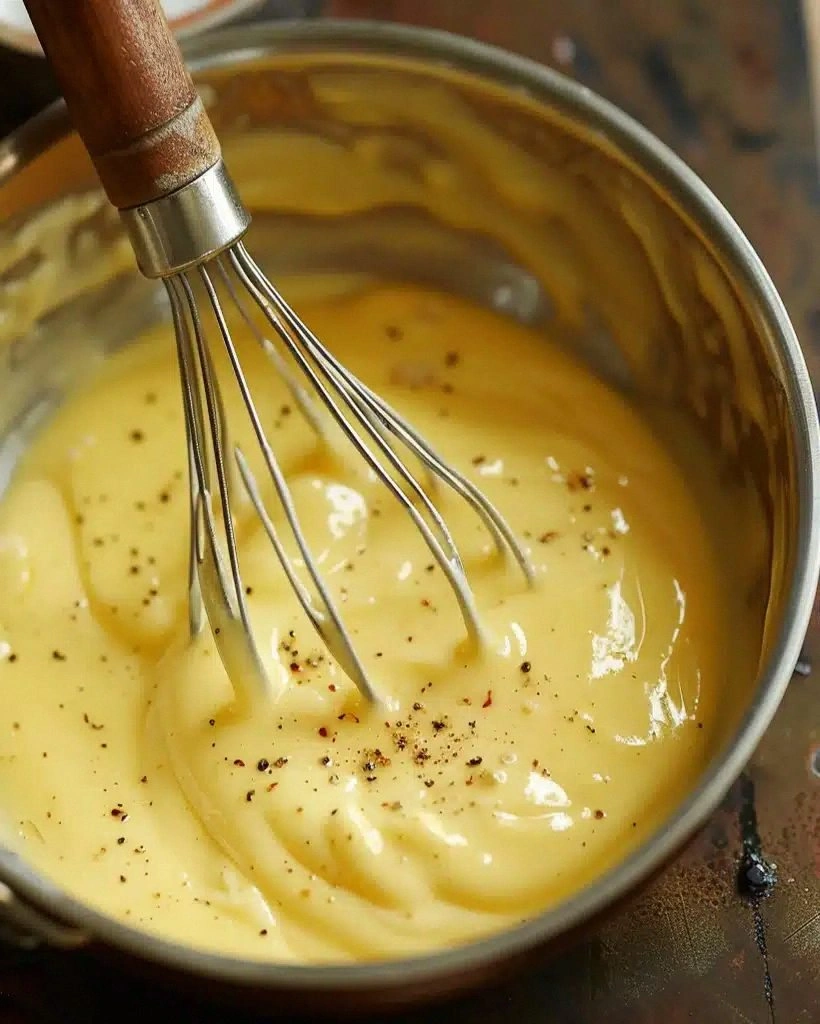
The Method — Step by Step
- Start by warming your blender. Fill the jar with hot tap water, let it sit for 30 seconds, then dump it out. This tiny step keeps the yolks from seizing when hot butter barges in. I set a timer because I’ve forgotten and spent five minutes coaxing congealed yolks off the sides like I’m chiseling archaeological artifacts.
- Crack two large egg yolks into the warm blender. Add one tablespoon of cold water, a pinch of cayenne, and the juice of half a lemon (about one tablespoon). Blitz on high for five seconds until the mixture looks like sunshine paint. The color should be the exact shade of a daffodil in April — if it’s pale, your eggs are too cold; if it’s orange, you’ve got backyard chickens and you’re already winning at life.
- Melt eight tablespoons (one stick) of unsalted butter in a small saucepan over medium heat. You want it hot and foamy but not browned — around 200°F if you’re the thermometer type. Swirl the pan so the milk solids don’t stick and burn; they’ll taste like bitter popcorn and ruin the vibe. When the butter starts making tiny burping sounds, you’re there.
- Here’s the game-changer: instead of drizzling like a timid snail, you’re going to stream the hot butter in one steady pour while the blender runs on low. Remove the center cap from the lid so you can pour and watch the magic happen. The sauce will thicken after about two-thirds of the butter goes in — that’s the moment it decides to become hollandaise and not just buttery soup.
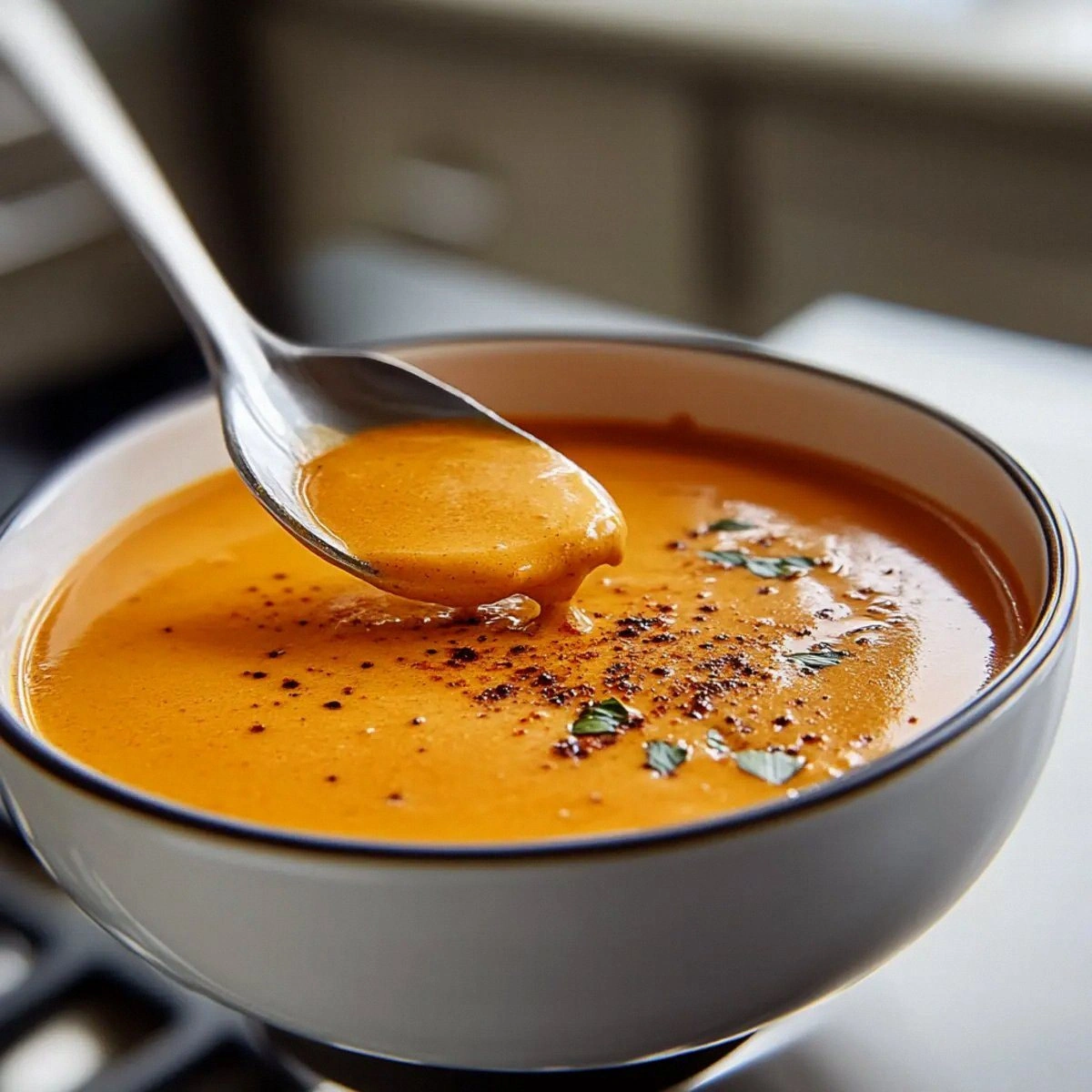
- Keep blending until all the butter is incorporated. The sauce should coat the back of a spoon and leave a clean trail when you run your finger through it. If it’s too thick (think pudding), add a teaspoon of warm water and pulse. Too thin? Blend another 30 seconds — sometimes it just needs to cool a bit to tighten up.
- Taste. Add a pinch of kosher salt and another squeeze of lemon if you want more zip. I like it tangy enough to make my jaw tingle, but you do you. Remember, you’re about to pour this over eggs, so factor in the richness of whatever it’s topping.
- Transfer to a small heatproof pitcher or jar. If you’re serving within 30 minutes, leave it on the counter with a lid. Any longer and park it in the fridge — it’ll firm up like soft butter, but we’ll bring it back to life in a second.
- To hold for up to three days, press plastic wrap directly onto the surface (no air gaps) and refrigerate. When ready to serve, microwave on 50% power in five-second bursts, whisking between each, until pourable. I’ve revived week-old hollandaise this way and served it to unsuspecting guests who asked for the recipe. Your secret is safe with me.
That’s it — you did it. But hold on, I’ve got a few more tricks that’ll take this to another level...
Insider Tricks for Flawless Results
The Temperature Rule Nobody Follows
Butter should be hot enough to hiss when it hits the yolks but not so hot it scrambles them. Think just-off-the-stove coffee temperature — hot enough to sting, cool enough to sip. If you’re nervous, drop a tiny splash on your wrist; it should feel like a jacuzzi, not a lobster boil. I keep a cheap infrared thermometer in my drawer for this exact moment. 200°F is the sweet spot every single time.
Why Your Nose Knows Best
Smell the butter before you pour. It should be nutty and sweet, like fresh popcorn. If it smells sharp or bitter, the milk solids have browned and will turn your sauce funky. Dump it, wipe the pan, and start again. Yes, it’s annoying. Yes, it’s cheaper than serving bitter sauce to people you like.
The 5-Minute Rest That Changes Everything
After blending, let the sauce sit for five minutes before tasting for salt. The flavors meld and the heat evens out, so you get a truer read on seasoning. I used to season immediately and always oversalted. Now I use those five minutes to toast English muffins, poach eggs, or just stare into the fridge contemplating life choices.
Creative Twists and Variations
This recipe is a playground. Here are some of my favorite ways to switch things up:
Smoky Paprika Hollandaise
Swap the cayenne for half a teaspoon of smoked paprika and a pinch of garlic powder. It tastes like Sunday brunch at a Spanish seaside café. Incredible drizzled over grilled shrimp or roasted cauliflower. I once served it at a tapas night and watched people drink the leftovers like soup. No shame.
Herb-Infused Green Goddess
Blend in a handful of fresh tarragon, chives, and parsley after the butter is incorporated. The sauce turns the color of spring grass and tastes like a garden party. It’s outrageous over poached salmon or as a dip for cold asparagus spears. Bonus: it makes your breath smell like you’ve been kissing a farmer’s market.
Lemon-Peppercorn Zing
Add a teaspoon of cracked pink peppercorns and the zest of half a lemon. The little bursts of citrus and floral heat make this perfect for steak Benedict or roasted potatoes. My steak-loving brother calls it “hollandaise with a black belt.”
Miso-Hollandaise Umami Bomb
Whisk in a teaspoon of white miso paste at the end. The sauce becomes deeply savory, almost cheesy, without any actual cheese. It’s ridiculous over grilled mushrooms or a veggie breakfast bowl. Vegans at the table will weep — then ask for the recipe and be politely disappointed when you mention egg yolks.
Chili-Lime Fiesta
Replace half the lemon juice with lime juice and add a pinch of chipotle powder. It’s like your hollandaise went on vacation to Tulum and came back with sun-kissed confidence. Try it on breakfast tacos or corn fritters. I dare you to taste this and not go back for seconds.
Storing and Bringing It Back to Life
Fridge Storage
Pour the cooled sauce into a small jar, press plastic wrap directly onto the surface, and refrigerate up to three days. It will firm up to the texture of soft cream cheese. Label the jar or you’ll spend Tuesday night wondering if it’s hollandaise or lemon curd. Ask me how I know.
Freezer Friendly
Freeze in ice cube trays for single-serving portions. Once solid, pop the cubes into a zip bag and freeze up to one month. Thaw overnight in the fridge, then reheat gently. The texture isn’t quite as silky, but it beats starting from scratch when you’re craving eggs Benedict in pajamas.
Best Reheating Method
Microwave on 50% power in five-second bursts, whisking between each, until just pourable. Alternatively, set the jar in a bowl of hot tap water for five minutes and whisk. Add a teaspoon of warm water if it looks grainy — it steams back to perfection. Never reheat on the stove; direct heat is the fastest way to scrambled sadness.