Picture this: I’m standing in my kitchen, the smell of toasted coconut drifting through the air, and a sudden craving for something sweet, creamy, and utterly indulgent. I’ve spent years chasing the perfect dessert that feels like a hug in a bowl, and tonight’s disaster—an over‑cooked pie that turned out dry and flat—was the catalyst that pushed me to reinvent the classic coconut cream pie. I promised myself that this time, the crust would be buttery, the filling silky, and the toppings a glossy, caramelized crown of coconut chips and white chocolate. It’s not just another dessert; it’s a revelation that will rewrite the way you think about coconut desserts.
When you slice into this pie, the first thing that hits you is the buttery, crumbly texture of the crust, with a faint hint of toasted coconut that whispers “summer” even in the middle of winter. The filling is a velvety blend of whole milk, heavy cream, and eggs, thickened to a custard that clings to the spoon, yet remains light enough to melt in your mouth like a soft cloud. The topping—coconut chips kissed by a swirl of melted white chocolate—crispens into a golden caramelized finish that adds a subtle crunch and a sweet, buttery finish that lingers on the palate. The whole experience is a dance of textures: from the crunchy base to the silky middle and the glossy, caramelized top. The result? A dessert that feels like a secret indulgence you can share with friends, but also a guilty pleasure you’ll keep hidden in your pantry.
What makes this version stand out from the countless other coconut cream pies you’ve seen? First, the crust isn’t just a simple dough; it’s a coconut‑infused base that brings a nutty aroma and a subtle sweetness that balances the custard. Second, the filling uses a combination of whole milk and heavy cream, giving it a richer mouthfeel while the eggs bind it into a silky custard that holds its shape without over‑cooking. Third, the topping is a two‑layered treat: coconut chips for crunch and white chocolate for a sweet, slightly bitter contrast that caramelizes beautifully. Fourth, the recipe’s method is designed to be foolproof, with precise temperatures and timing that guarantee a perfect result every time. And finally, the finish—an unexpected drizzle of melted white chocolate that coats the top like a glossy glaze—turns a simple pie into a showstopper that will have people asking for the recipe after every bite.
I dare you to taste this and not go back for seconds. If you’ve ever struggled with a pie that turns out soggy or a custard that curdles, this recipe is your salvation. The next sections will walk you through every single step, from the crust to the final glaze. By the end, you’ll wonder how you ever made it any other way.
What Makes This Version Stand Out
- Crust: A coconut‑infused dough that delivers a nutty, buttery bite, setting the stage for the creamy filling.
- Filling: A rich custard made from whole milk and heavy cream, thickened with eggs for silky smoothness.
- Topping: Coconut chips caramelized with melted white chocolate, adding crunch and a glossy finish.
- Technique: Precise baking temperatures and timing ensure a golden crust and a custard that sets without over‑cooking.
- Flavor Balance: Sweetness from coconut and white chocolate is tempered by a touch of vanilla and a hint of salt.
- Make‑ahead: The pie can be assembled ahead of time and baked just before serving, making it perfect for parties.
- Visual Appeal: The glossy white chocolate glaze gives the pie a dramatic finish that looks as good as it tastes.
- Ingredient Quality: Using high‑quality coconut and white chocolate elevates the entire flavor profile.
Alright, let's break down exactly what goes into this masterpiece...
Inside the Ingredient List
The Flavor Base
The first layer of this pie’s personality comes from the sweetened shredded coconut. It’s the star of the crust, giving it a subtle tropical aroma that awakens the senses. If you skip it, the crust will be bland and lack the signature coconut flavor that makes the dessert feel exotic. For a deeper flavor, use organic coconut that has a slightly darker color; it will add a richer, nutty note. A quick tip: toast the coconut lightly before adding it to the dough; this brings out a caramelized aroma that elevates the whole pie.
All-purpose flour is the backbone of the crust, providing structure and a light, flaky texture. If you’re aiming for a gluten‑free version, swap it with a 1:1 gluten‑free blend that contains xanthan gum. The flour also helps absorb moisture from the butter, ensuring the crust stays crisp. When measuring, spoon the flour into the measuring cup and level it off to avoid a denser dough.
The Texture Crew
Cold unsalted butter is the secret to a flaky crust. The cold temperature keeps the fat from melting into the flour too early, resulting in a tender crumb. If you’re using butter that’s too soft, chill it in the refrigerator for 30 minutes before cutting it into the dough. The 2 tablespoons of sugar add a subtle sweetness that balances the savory notes of the crust. Keep it to 2 tablespoons; more sugar will make the crust overly sweet and could cause it to brown too quickly.
Kosher salt, just a 1/4 teaspoon, is essential for enhancing all the flavors and preventing the crust from tasting flat. Salt also helps the dough hold together during baking. If you’re sensitive to sodium, use a low‑sodium alternative or reduce the amount slightly, but don’t skip it entirely. A pinch of salt is the difference between a bland and a flavorful crust.
The Unexpected Star
The 2 tablespoons of ice water bring the dough together without overworking it. It’s a small amount, but it’s crucial for achieving the right consistency—neither too dry nor too sticky. If the dough feels too dry, add an extra tablespoon of water, a few drops at a time, until it comes together. Conversely, if it’s too sticky, add a teaspoon of flour. This step ensures the dough is pliable enough to roll out without cracking.
The 2 cups of whole milk are the base of the custard, providing a mellow, creamy texture. Whole milk gives the filling a richer flavor than skim, and its fat content helps the custard set smoothly. If you’re looking for a lighter version, substitute half the milk with oat milk, but be aware that the custard may be slightly thinner. Whole milk also adds a subtle sweetness that balances the white chocolate topping.
The Final Flourish
The 1 cup of sweetened shredded coconut in the filling adds a burst of coconut flavor that complements the crust. This second coconut portion gives the custard a subtle nutty undertone, making the pie feel cohesive from crust to filling. If you want an extra coconut kick, sprinkle a tablespoon of toasted coconut on top before baking. This will give a delightful crunch and enhance the overall coconut aroma.
The vanilla bean is the aromatherapeutic element that infuses the custard with a warm, vanilla scent that lingers in every bite. Use a whole bean for the most authentic flavor, and scrape out the seeds to add to the custard. If you’re out of vanilla beans, a teaspoon of vanilla extract will do, but the bean provides a richer, more complex flavor profile. Remember to let the seeds sit in the custard for a few minutes before whisking to allow the vanilla to release fully.
The 3 large eggs act as the binding agent, giving the custard structure while keeping it silky. The yolks provide richness, and the whites help thicken the mixture. If you’re concerned about raw eggs, use pasteurized eggs or a custard base that’s been pre‑cooked slightly before adding the eggs. The eggs also help the custard set evenly, preventing any runny spots.
The 1/4 cup unsalted butter in the filling adds a silky mouthfeel and helps the custard stay smooth. It also gives the custard a slightly glossy sheen when baked. If you’re avoiding dairy, replace it with coconut cream or a dairy‑free butter substitute. The butter also helps the custard set without becoming rubbery.
The 1 cup heavy cream is the luxurious component that gives the custard its silky texture and rich mouthfeel. Heavy cream also helps the custard set firmly while maintaining a creamy consistency. If you’re looking for a lighter version, use half the cream and replace the other half with whole milk. The heavy cream ensures the custard has that indulgent, melt‑in‑your‑mouth quality that makes this pie unforgettable.
The 2 tablespoons of sugar in the custard balance the richness of the cream and butter, ensuring the filling isn’t overly heavy. The sugar also helps the custard set at a slightly lower temperature, preventing curdling. If you’re watching sugar intake, reduce it to 1 tablespoon, but be prepared for a slightly less sweet custard.
The 1 teaspoon vanilla extract is the finishing touch that brings all the flavors together, adding depth to the custard’s vanilla notes. While you already have a vanilla bean, the extract amplifies the vanilla aroma, giving the custard a more complex profile. If you don’t have vanilla extract, a splash of almond or coconut extract will add a unique twist.
The 1/2 cup coconut chips are the crunchy topping that adds texture and a caramelized finish. They’re toasted during baking, creating a golden crust that contrasts beautifully with the creamy custard. If you prefer a sweeter topping, sprinkle a tablespoon of brown sugar on the chips before baking. The coconut chips also add a subtle nutty flavor that enhances the overall taste.
The 1/4 cup white chocolate is the glossy glaze that crowns the pie. White chocolate melts smoothly and, when drizzled over the top, creates a glossy, caramelized finish that looks as good as it tastes. If you’re looking for a darker finish, use dark chocolate instead, but the flavor profile will shift to a more bittersweet note. The white chocolate also provides a subtle sweetness that balances the coconut and vanilla.
Everything’s prepped? Good. Let’s get into the real action...
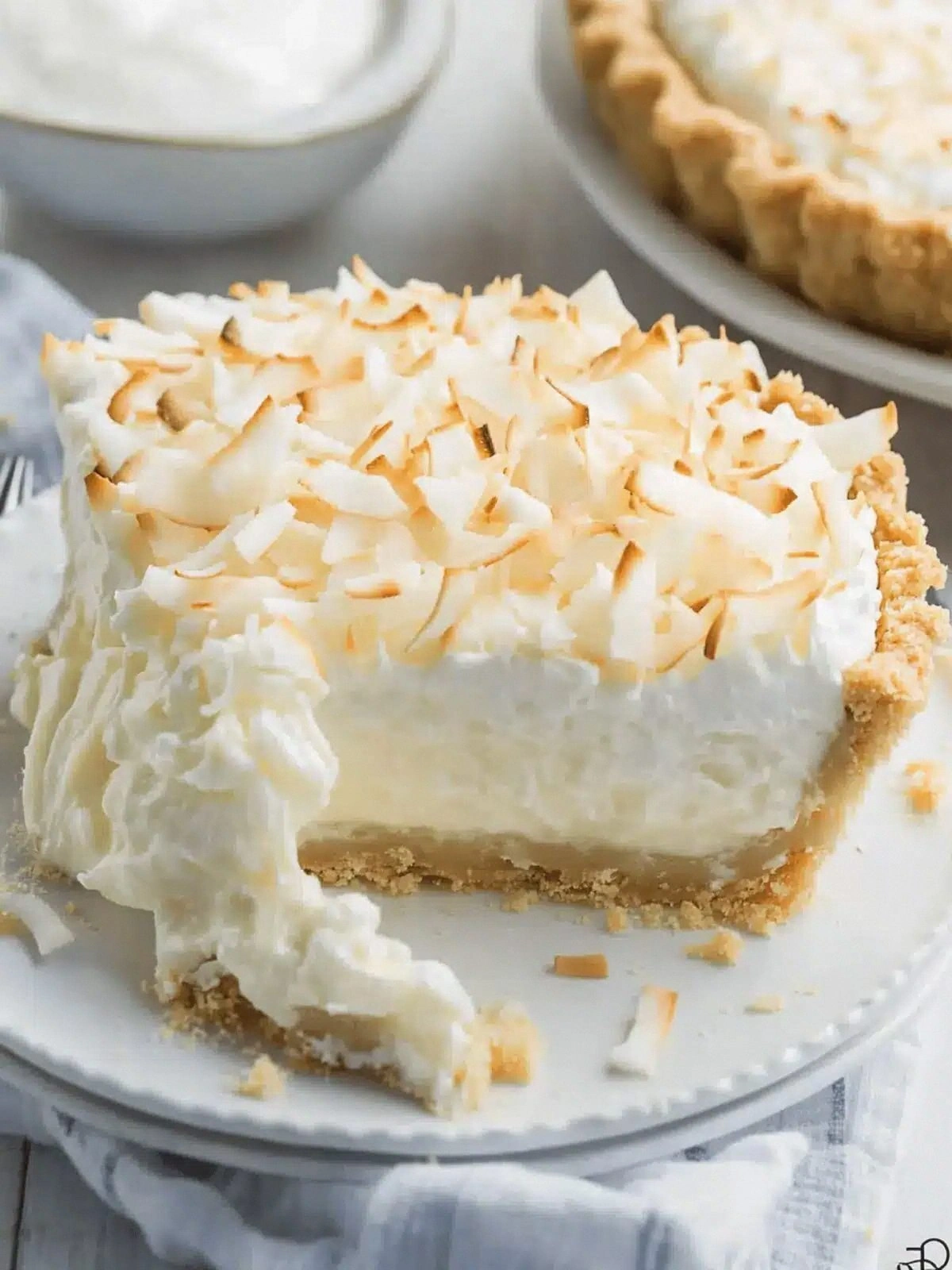
The Method — Step by Step
-
Preheat your oven to 350°F (175°C). While the oven warms, prepare the crust. In a large bowl, combine 1 cup of sweetened shredded coconut, 1 cup of all-purpose flour, 2 tablespoons of sugar, and 1/4 teaspoon of kosher salt. Stir until the mixture is evenly moistened.
-
Cut 1/2 cup of cold unsalted butter into small cubes and add it to the flour mixture. Using your fingertips or a pastry cutter, work the butter into the dry ingredients until the mixture resembles coarse crumbs. The goal is to keep the butter pieces visible for a flaky texture.
-
Gradually add 2 tablespoons of ice water, a tablespoon at a time, mixing until the dough just holds together. Be careful not to overmix; the dough should be pliable but not sticky. Once the dough comes together, shape it into a disk, wrap in plastic, and refrigerate for 30 minutes to chill.
-
After the dough has chilled, roll it out on a lightly floured surface to a 12-inch circle. Carefully transfer the dough to a 9-inch pie pan, pressing it into the bottom and up the sides. Trim any excess dough and crimp the edges with a fork or your fingers.
-
Fill the crust with parchment paper and bake for 15 minutes at 350°F (175°C). This blind‑baking step ensures a crisp crust that won’t become soggy when you add the custard. After 15 minutes, remove the parchment and continue baking for another 5 minutes until the crust turns a light golden brown.
-
While the crust bakes, whisk together 2 cups of whole milk, 1 cup of heavy cream, 1/4 cup of unsalted butter, 2 tablespoons of sugar, and 1 teaspoon of vanilla extract in a saucepan over medium heat. Bring to a gentle simmer, stirring constantly, until the butter melts completely.
-
In a separate bowl, whisk the 3 large eggs and 1 cup of sweetened shredded coconut until fully blended. Slowly pour the hot milk mixture into the egg mixture, whisking continuously to prevent curdling. Once combined, pour the custard back into the saucepan and cook over low heat, stirring constantly, until it thickens to the consistency of a thick pudding.
-
Remove the custard from heat and let it cool for 5 minutes. Then, pour it into the pre‑baked crust, smoothing the top with a spatula. Sprinkle 1/2 cup of coconut chips evenly over the custard, ensuring each chip makes contact with the surface for maximum caramelization.
-
Return the pie to the oven and bake at 350°F (175°C) for 30 minutes, or until the custard is set and the coconut chips are golden brown. The edges of the crust should be a deep golden brown, while the filling remains smooth and slightly translucent.
-
While the pie is baking, melt 1/4 cup of white chocolate in a double boiler or microwave, stirring every 20 seconds until smooth. Once the pie is done, remove it from the oven and drizzle the melted white chocolate evenly over the top, allowing it to set slightly. This creates a glossy, caramelized glaze that makes the pie look like a piece of art.
-
Let the pie cool to room temperature, then refrigerate for at least 2 hours before serving. The custard will firm up, making it easier to slice cleanly. When ready to serve, slice with a warm knife to get clean edges, and enjoy the contrast between the buttery crust, silky custard, and caramelized coconut chips.
That's it — you did it. But hold on, I've got a few more tricks that'll take this to another level...
Insider Tricks for Flawless Results
The Temperature Rule Nobody Follows
Many bakers think any oven temperature will do, but the secret to a perfect crust is baking at exactly 350°F (175°C). This temperature allows the butter to melt slowly, creating a flaky texture without scorching the coconut. If you’re using a convection oven, reduce the temperature by 25°F (14°C) to avoid over‑browning.
Why Your Nose Knows Best
As the custard cooks, it releases a warm, sweet aroma that signals when it’s almost done. Trust your nose; when the custard smells like vanilla and toasted coconut, it’s just about ready to set. A quick test is to press the top with your finger—if it leaves a faint indentation that fills in after a few seconds, you’re good to go.
The 5‑Minute Rest That Changes Everything
After removing the pie from the oven, let it rest for 5 minutes before slicing. This allows the custard to settle, preventing a runny center and ensuring clean cuts. If you slice too early, the custard will spill over the edges, ruining the presentation.
Let the Coconut Chips Toast in the Pan
Place the coconut chips directly on the custard before baking. They’ll toast and caramelize in the heat, adding a delightful crunch and a caramelized flavor that complements the white chocolate glaze. If you prefer a lighter crunch, toast the chips separately in a dry skillet for 2 minutes before adding.
Keep the White Chocolate Cool
White chocolate can seize if it’s too hot when drizzled over the custard. Let it cool to a warm, pourable consistency before drizzling. If it starts to thicken, gently reheat it over a double boiler to restore its silky texture.
Creative Twists and Variations
This recipe is a playground. Here are some of my favorite ways to switch things up:
Almond Joy Twist
Swap the coconut chips for chopped almonds and drizzle a caramel sauce over the top before baking. The caramel adds a buttery sweetness that pairs well with the almond crunch.
Chocolate Coconut Explosion
Replace the white chocolate glaze with melted dark chocolate for a richer, bittersweet finish. Add a pinch of sea salt on top to balance the chocolate’s intensity.
Minty Freshness
Add a tablespoon of fresh mint leaves to the custard for a refreshing twist. The mint will give a subtle coolness that contrasts with the warm custard.
Nutmeg Spice
Stir in 1/4 teaspoon of ground nutmeg into the custard before baking. The nutmeg adds a warm, aromatic depth that feels like a cozy winter treat.
Berry Burst
Fold in a cup of fresh blueberries into the custard before pouring into the crust. The berries will pop with juice, adding a tart contrast to the sweet filling.
Storing and Bringing It Back to Life
Fridge Storage
Store the cooled pie in the refrigerator for up to 3 days. Keep it covered with plastic wrap or a lid to prevent it from absorbing other odors. The custard will firm up, making it easy to slice.
Freezer Friendly
Wrap the pie tightly in plastic wrap and place it in a freezer bag. Freeze for up to 2 weeks. When ready to serve, thaw in the refrigerator overnight. The texture may be slightly softer, but the flavor remains intact.
Best Reheating Method
To reheat, preheat your oven to 300°F (150°C). Place the pie on a baking sheet and heat for 10-12 minutes until warmed through. Add a splash of milk or cream before reheating to keep the custard moist and creamy.