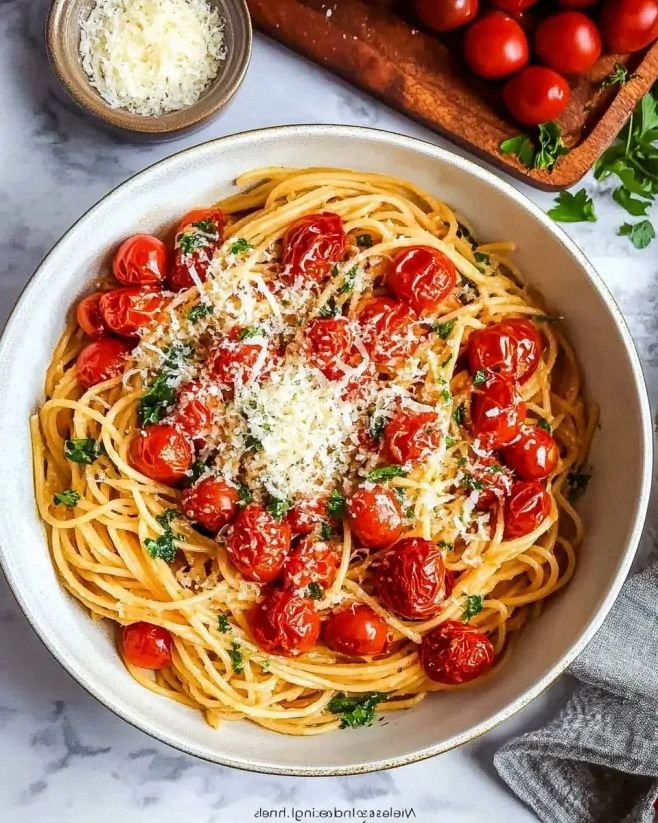
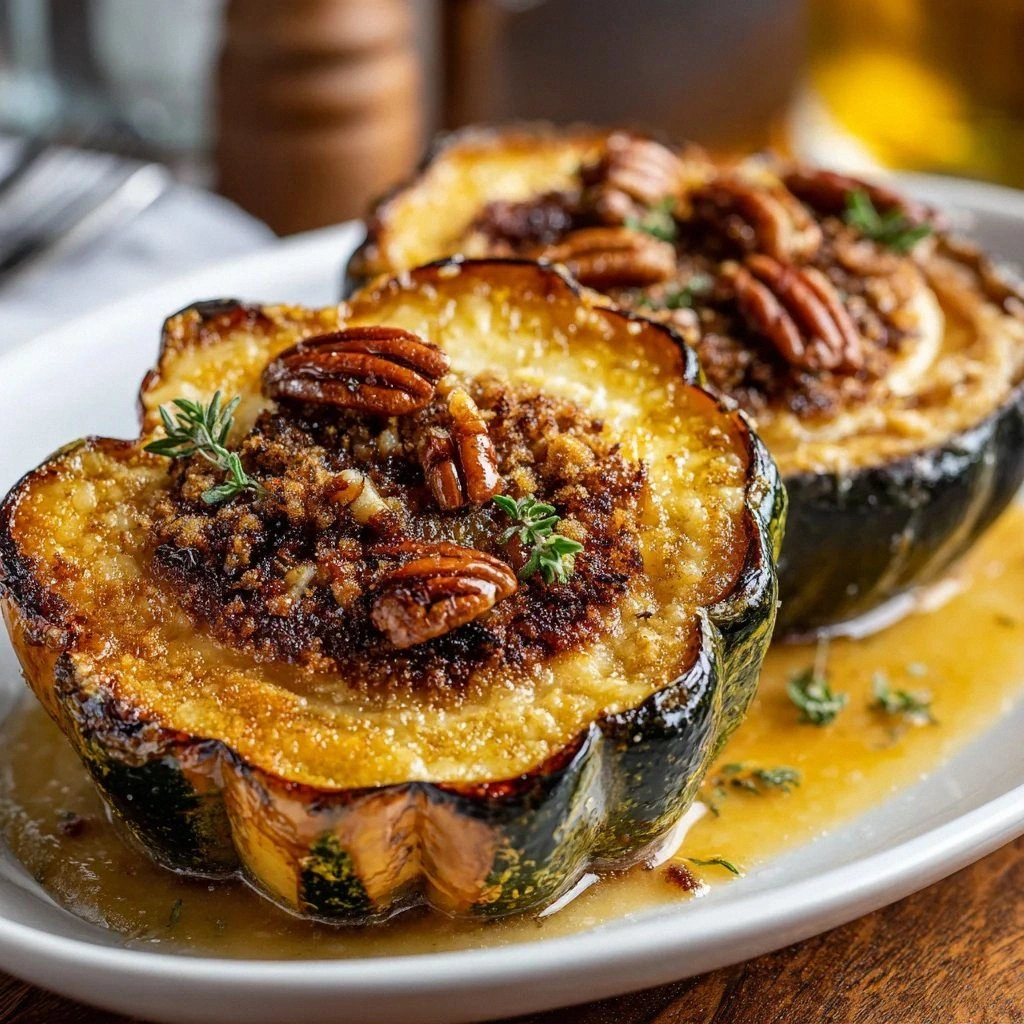
Picture this: it was a Tuesday night, I was still wearing my work badge, and I had twenty-eight minutes before my streaming show auto-played the next episode. I opened the fridge expecting the usual sad vegetables, but instead I spotted a half-empty box of cream, the last of the good Parmesan, and a rainbow of produce that was one day away from staging a protest in the crisper drawer. My stomach growled like an angry bear, and right then I decided that if I was going to risk dirtying a pot, it had better taste like springtime doing the tango with comfort food. What happened next was pure kitchen alchemy: silky ribbons of fettuccine tangled up with blistered cherry tomatoes, snap peas that still had pop, and a sauce so glossy it could have starred in its own shampoo commercial. The first forkful made me do that involuntary happy dance where your shoulders shimmy without permission, and by the time the credits rolled I was standing at the counter eating the last bite straight from the serving bowl, ladle in hand, zero regrets.
Here is the honest truth—most primavera recipes are liars. They promise “light and fresh” and then hand you a plate of steamed sadness draped in watery cream that separates like a bad relationship. No thank you. My version keeps the garden-party vibe but delivers it in a robe of velvety sauce that actually sticks to the pasta instead of puddling at the bottom like a lazy lake. The trick lives in a quick roux we bloom right in the same pan, plus a secret splash of pasta water so starchy it could practically bench-press the noodles. If you have ever wondered why restaurant sauces cling like cling-film and yours slide off like awkward small talk, stay with me here—this is worth it.
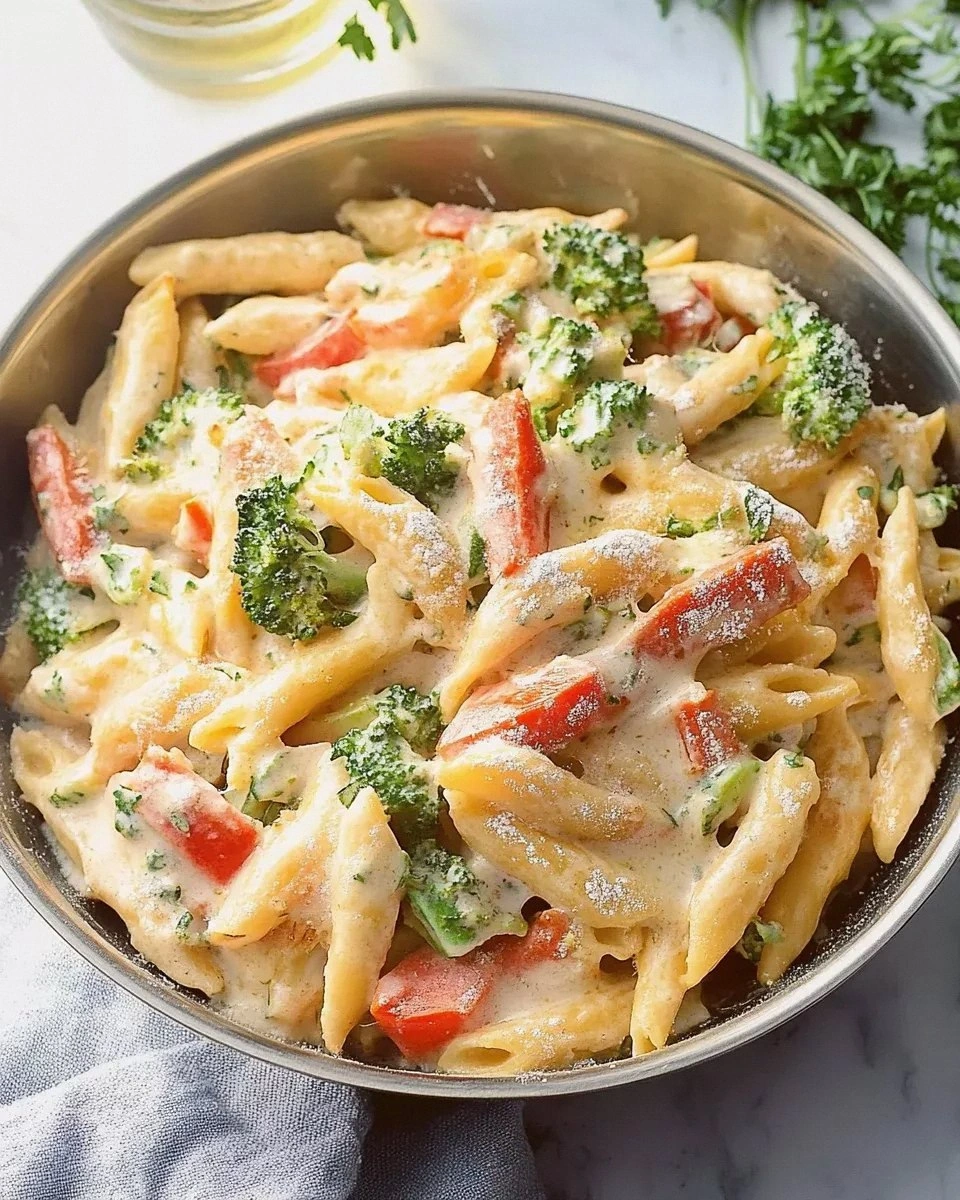
Let me set the scene with all five senses so you know what you are signing up for. You will hear the thud-thud-thud of your knife going through crisp bell pepper, the sizzle when garlic meets butter that sounds like applause, and the low bubble of cream as it thickens into something that could legally be called a blanket. The smell is spring in edible form—sweet basil, grassy zucchini, and the nutty perfume of Parmesan melting into dairy nirvana. Touch the pasta when it is al dente; it should feel like a firm handshake from someone who lifts weights but still moisturizes. Taste a blistered tomato and you will get a candy-sweet pop backed by a whisper of smoke from the hot pan. See the colors? Neon green peas, ruby peppers, sunset-orange carrots—this bowl could replace your multivitamin.
Before we dive in, let me drop a teaser that will keep you reading: we are going to roast half the vegetables and leave the rest bright and raw so you get both deep caramelized flavor and garden-crunch in every bite. That contrast? Game-changer. Okay, ready for the game-changer? Let me walk you through every single step—by the end, you will wonder how you ever made it any other way.
What Makes This Version Stand Out
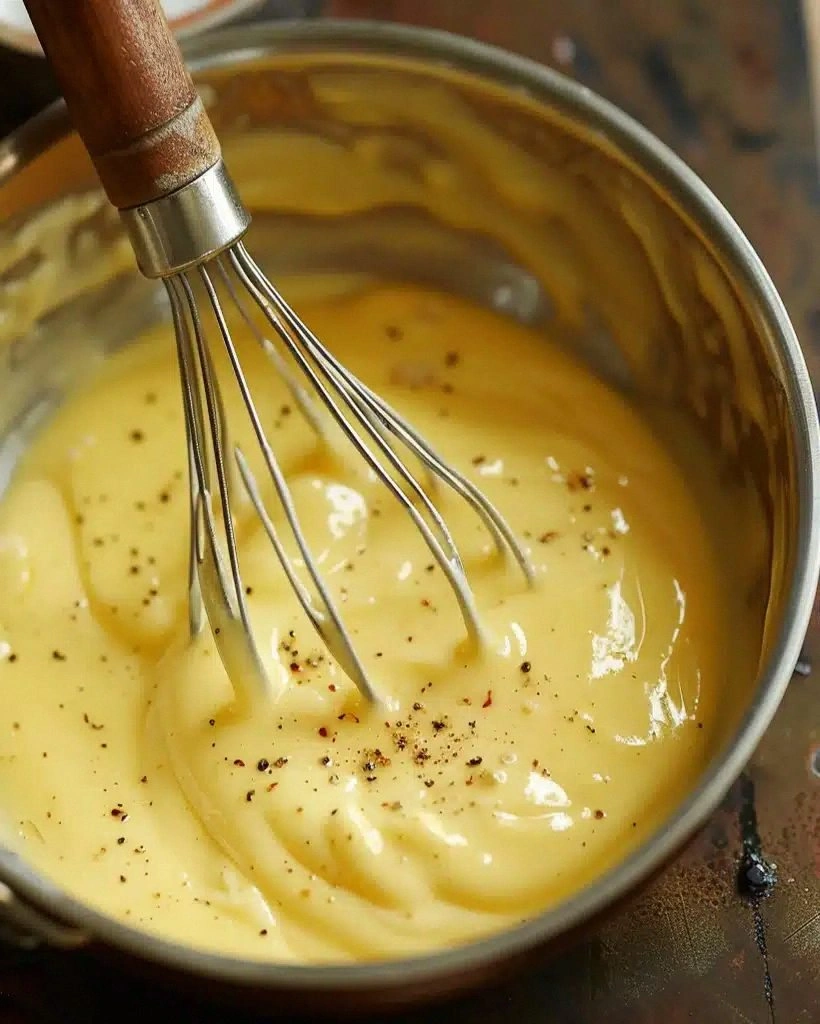
Velvet-Cloaked Sauce: Instead of the usual heavy-cream pour-and-pray, we build a quick béchamel base, then thin it with lemon juice and pasta water so it coats every ridge like liquid satin without the weight of Alfredo.
Two-Temperature Vegetables: Roasting half concentrates sugars into candy-like nuggets while flash-sautéing the rest keeps them snappy and Technicolor—no more army-green broccoli in sight.
One-Pan Bragging Rights: Everything happens in a single skillet, even the pasta finish, which means you can toss this together on a weeknight and still have only one dish to wash. Netflix waits for nobody.
Five-Minute Cheese Cloud: Off-heat, we fold in cold cubed butter and fresh Parmesan so the sauce emulsifies into a glossy cloud that tastes like it took an hour of reduction therapy.
Make-Ahead Magic: The sauce base can ride out in the fridge for three days; reheat with a splash of milk and it is back to party status, meaning Tuesday dinner is halfway done before you find your house keys.
Crowd Reaction Guarantee: I have served this to toddlers, teenagers, and judgmental in-laws, and every single bowl comes back licked clean. I dare you to taste this and not go back for seconds.
Ingredient Flexibility: Clean-out-the-frveg-bin freedom: zucchini, asparagus, frozen peas, that lonely half bell pepper—if it is produce and it is on the edge, it is invited to this pasta prom.
Alright, let us break down exactly what goes into this masterpiece...
Inside the Ingredient List
The Flavor Base
Butter is our opening act, and please do not insult the dish with the cheap stick that tastes like refrigerator. I am talking about the European-style stuff that has more fat and attitude. It browns faster, smells like hazelnuts, and gives the roux a head start on flavor. Olive oil joins the party because butter alone can burn like a bad romance; together they create a smoke-point safety net and a layered fat profile. Garlic goes in next, but only after the foaming subsides so it turns fragrant instead of bitter. Think of it as the opening band that warms up the palate for the headliner vegetables.
The Texture Crew
Pasta choice is not negotiable—ridged, tube, or ribbon shapes grab sauce like Velcro. I reach for fettuccine or tagliatelle because their flat surface area acts like a canvas for our creamy paint, but rotini works if that is what the pantry coughs up. Snap peas must survive the pan just long enough to turn jade-green while retaining their snap; if they limp, you have gone too far. Cherry tomatoes blister until their skins wrinkle like sunbathers and their insides turn into sweet goo that pops in your mouth. Carrot coins are sliced thin so they cook in the steam of the sauce but still keep a gentle bite.
The Unexpected Star
Here is the curveball: a teaspoon of white miso. I know, I know—Italian purists just fainted, but hear me out. Miso brings umami depth that tricks tasters into thinking there is bacon hiding somewhere, and it dissolves seamlessly into the cream without clumps. It is the culinary equivalent of adding a secret bassist who makes the whole song funkier. If you do not have miso, dissolve a mashed anchovy filet in the butter; either way, you get savory bass notes that make vegetables taste like they have been slow-simmered in grandma’s Sunday gravy.
The Final Flourish
Lemon zest goes in last, because essential oils evaporate faster than enthusiasm at a timeshare seminar. A micro-plane grater gives you feathery flakes that melt on contact. Fresh basil is stacked, rolled, and ribboned so it bruises just enough to release perfume without the blackened edges that scream “I was prepped an hour ago.” Parmesan must be the real Parmigiano-Reggiano; the pre-grated sawdust in the green can will turn your sauce gritty and sad. And please, for the love of all that is edible, save the cheese rind in your freezer—drop it into simmering sauce for ten minutes and watch the umami meter explode.
Everything is prepped? Good. Let us get into the real action...
The Method — Step by Step
- Start a big pot of water on high heat—think of it as a Jacuzzi for pasta, not a crowded subway car. Salt it until it tastes like a pleasant ocean, not the Dead Sea; that means about one tablespoon per quart. While the water comes to a rolling boil, spread your cherry tomatoes and carrot coins on a sheet pan, drizzle with olive oil, shower with salt and pepper, and slide them under a 425 °F broiler. You want blistering action, so keep the oven door cracked and watch for the tomatoes to pop and char like tiny fireworks; this takes roughly eight minutes, which is exactly how long you need to prep the rest of the vegetables.
- Drop the pasta into the now-boiling Jacuzzi and set a timer two minutes shy of package directions; we will finish it in the sauce later. Meanwhile, heat a wide skillet—preferably stainless so you can see the fond—over medium-high heat. Add one tablespoon of butter and one of olive oil, swirl until the butter foams but has not browned, then tumble in the snap peas and bell-pepper strips. Listen for the sizzle that sounds like applause; if you only hear a polite murmur, your pan is not hot enough. Toss for ninety seconds, just enough to blister the skins and keep Technicolor crunch.
- Clear a little space in the center of the pan like you are making a vegetable donut, drop another knob of butter into the bare metal, and let it melt into shy foam. Sprinkle one tablespoon of flour over the melted butter and whisk like you are mixing cloud batter; this roux needs to cook for a full sixty seconds so the raw flour taste packs its bags. The mixture will go from blonde to light tan and smell like toasted hazelnuts—your nose is the timer here, not the clock.
- Lower the heat to medium and slowly ladle in ½ cup of the starchy pasta water while whisking constantly. The sauce will seize up like it is panicking, then relax into a smooth lava. Add ½ cup of heavy cream, the white miso, and a pinch of red-pepper flakes; simmer gently for two minutes. The surface should burp lazily—if it is roaring like a jacuzzi jet, your cream will break and look like cottage cheese having a bad day.
- The broiled tomatoes and carrots are ready; their skins should be wrinkled like your fingers after a long bath. Scrape them plus all their caramelized juices into the skillet, which will hiss and steam like a sauna full of gossip. Fold to combine; the tomatoes will burst further and dye the sauce sunset orange. Now taste for salt, but remember the Parmesan is still waiting in the wings, so under-salt slightly.
- Using tongs, transfer the slightly-undercooked pasta straight from the pot into the skillet—no colander needed, and yes, some water riding shotgun is perfect. Add another ¼ cup of pasta water, the lemon zest, and a handful of grated Parmesan. Toss, toss, toss like you are flipping a salad that owes you money. The sauce should cling to each strand; if it glues up, splash in more water a tablespoon at a time until it regains its silky flow.
- Remove the pan from heat, add the remaining cold butter cubes, and shake the skillet in a circular motion like you are swirling a fine wine. This mounts the sauce into a glossy emulsion that could double as a silk scarf. Shower with fresh basil ribbons, crack black pepper over the top until it looks like a night sky, and serve immediately into warm bowls. Garnish with extra Parmesan shavings because restraint is overrated.
That is it—you did it. But hold on, I have got a few more tricks that will take this to another level...
Insider Tricks for Flawless Results
The Temperature Rule Nobody Follows
Most home cooks treat heat like an on-off switch, but primavera demands a dimmer approach. Start vegetables in a ripping-hot pan so they caramelize, then drop the heat before the cream joins the party. If you are unsure, hover your palm two inches above the skillet; you should feel a gentle spa-day warmth, not a desert mirage. A friend tried skipping this step once—let us just say the sauce broke up faster than her last Tinder date, and we still joke about “curdled primavera therapy.”
Why Your Nose Knows Best
Professional chefs set timers, but they also trust the sniff test. When garlic goes from raw to nutty, your nose will register a sweet, almost buttery aroma; that is your cue to add the flour. When the roux smells like toasted hazelnuts and the foaming subsides, you are thirty seconds away from liquid gold. Ignore the clock—your olfactory bulb is the real MVP here, and it has never let anyone down except during allergy season.
The 5-Minute Rest That Changes Everything
After you have mounted the cold butter, walk away for five minutes. Seriously, set the skillet on a cool burner and let the carry-over heat finish the emulsification while you pour yourself something cold to drink. During this mini vacation, starch granules swell, flavors marry, and the sauce tightens just enough to coat without gluing. Come back, give it a gentle toss, and you will witness a texture transformation worthy of a cooking-show slow-mo.
Creative Twists and Variations
This recipe is a playground. Here are some of my favorite ways to switch things up:
Smoky Bacon Primavera
Render two strips of bacon until crispy, remove the bits, and use the fat instead of butter for the roux. The smoke mingles with the miso and creates a campfire-cream vibe that makes grown adults close their eyes and sigh. Finish with the reserved bacon crumble and a whisper of maple syrup for a sweet-smoky tango.
Spicy Calabrian Chili Edition
Swap the red-pepper flakes for a spoonful of finely chopped Calabrian chilies packed in oil. They bring fruity heat and a sunset hue that makes the sauce look like a Mediterranean summer. Add a handful of baby arugula at the end so it wilts into peppery ribbons that cut through the richness.
Spring Green Vegan Power
Trade butter for olive oil, use oat milk instead of cream, and stir in two tablespoons of nutritional yeast for cheesy depth. The miso stays—thank you, fermented soybeans—while roasted asparagus tips and edamame replace the dairy toppings. Even carnivores inhale this version and ask for the recipe.
Lemon Lobster Luxury
For date-night flex, fold in chunks of freshly poached lobster tail during the final toss. The sweet seafood plays off the lemon zest like they were introduced by a matchmaker. Finish with chervil instead of basil for delicate anise notes that whisper, “I love you and my credit score.”
Garden Overload Clean-Out
Got half a zucchini, wrinkly bell pepper, and that last ear of corn? Roast them all together until the corn kernels caramelize into candy-like pearls. The result tastes like farmers-market confetti, and you have postponed food waste for another day. Your conscience and your wallet both do a happy dance.
Crispy Prosciutto Crown
Lay thin sheets of prosciutto on a wire rack and bake at 375 °F until they crinkle into ruby chips. Crumble them over the finished pasta for salty shards that shatter like thin ice and then melt into the sauce. Guests will assume you attended culinary school in Italy when really you just own an oven.
Storing and Bringing It Back to Life
Fridge Storage
Pour leftovers into a shallow glass container so the sauce cools quickly and does not trap steam that encourages separation. Press a sheet of plastic wrap directly onto the surface like a cozy blanket, eliminating air pockets that oxidize the basil. It will keep for up to four days, though the peas may dull slightly in color—still delicious, just less Instagram-glamorous.
Freezer Friendly
Portion individual servings into freezer bags, squeeze out every last air bubble, and flatten them into thin slabs for rapid thawing. The cream base may look grainy once frozen, but do not panic; we can fix it. Label with masking tape and a Sharpie, because “mystory pasta” is not helpful at 6 a.m. when you are hunting for lunch.
Best Reheating Method
Thaw overnight in the fridge, then slide the pasta into a skillet with a splash of milk and a drizzle of olive oil. Warm gently over medium-low, tossing constantly, until the sauce loosens and re-emulsifies. Add a pinch of fresh lemon zest and a shower of new Parmesan to wake up the flavors. Add a tiny splash of water before reheating—it steams back to perfection and tastes almost as good as day one.