I was standing in my kitchen on a Tuesday night, the kind of night where the fridge is half empty and the cravings are louder than a marching band. I had a leftover rotisserie chicken, a bag of frozen veggies, and a vague memory of a take‑out place that served the most addictive Moo Shu rolls I’d ever tasted. I tossed the chicken into a pan, added a splash of oil, and then—boom—a kitchen disaster erupted when the pan smoked like a tiny fireworks show. That moment of panic turned into a revelation: if I could harness that smoky, sweet, and slightly nutty flavor in a home‑cooked version, I would have cracked the code to the ultimate comfort food.
Picture this: the sizzle of garlic and ginger hitting a hot wok, the aroma of soy and hoisin mingling like old friends at a reunion, and the bright crunch of fresh napa cabbage that snaps under your fork. The kitchen fills with a fragrant steam that whispers promises of a dish that’s both familiar and exotic, a flavor profile that dances on your palate like a well‑choreographed flash mob. When you finally scoop the glossy, glossy mixture onto a warm, pliable tortilla, the steam rises, the colors pop, and you hear that satisfying rustle of the wrapper as you roll it up. The first bite is a cascade of textures—soft, crisp, juicy, and a hint of sweet—everything you’ve ever wanted from a stir‑fry wrapped in a hug.
Most Moo Shu recipes I’ve tried either drown the veggies in sauce or leave the chicken dry and flavorless. I’ve seen versions that demand a wok that costs more than a small car, or ones that require you to marinate for hours that you simply don’t have. This version, however, is the sweet spot: bold flavor, minimal prep, and a technique that guarantees the chicken stays tender while the vegetables retain that perfect snap. I’m daring you to taste this and not go back for seconds—because once you’ve experienced the harmony of smoky sesame oil and bright hoisin, you’ll be hooked.
And now, the secret weapon that most recipes overlook: a splash of sesame oil added at the very end, right before you fold everything together. It’s the culinary equivalent of a mic drop, giving the dish a nutty finish that makes the whole thing sing. Let me walk you through every single step — by the end, you’ll wonder how you ever made it any other way.
What Makes This Version Stand Out
- Taste: The balanced trio of soy, hoisin, and sesame oil creates a sweet‑savory umami that coats every bite like velvet.
- Texture: Crisp napa cabbage and carrots contrast with silky chicken, while the tortilla adds a soft, chewy wrapper.
- Simplicity: Fewer than ten ingredients and a single pan keep the cleanup to a minimum—perfect for weeknight hustle.
- Uniqueness: The late‑add sesame oil finish is a game‑changer, delivering a nutty aroma that most home versions miss.
- Crowd Reaction: Guests swear they’re eating restaurant‑quality food, and the “wow” factor is instant.
- Ingredient Quality: Using shiitake mushrooms adds an earthy depth that button mushrooms simply can’t match.
- Cooking Method: High‑heat stir‑fry locks in moisture and creates those coveted caramelized edges.
- Make‑Ahead Potential: The filling stores beautifully, so you can prep on Sunday and roll fresh wraps all week.
Inside the Ingredient List
The Flavor Base
Soy sauce is the backbone of any Asian‑inspired stir‑fry, delivering salty depth that anchors the sweeter notes. In this recipe, the two tablespoons provide just enough brine without overwhelming the delicate mushrooms. If you’re watching sodium, opt for low‑sodium soy sauce, but remember that the hoisin will still bring a subtle sweetness.
Hoisin sauce is the secret sweet‑spicy whisper that makes Moo Shu unforgettable. Its thick, molasses‑like texture clings to the chicken and veggies, ensuring every bite is uniformly flavored. A common mistake is to use ketchup as a substitute; it lacks the complex spices and will leave you with a one‑dim taste.
The Texture Crew
Shiitake mushrooms bring an earthy, almost meaty bite that elevates the dish beyond a simple chicken stir‑fry. Slice them thinly so they cook quickly and release their umami without becoming rubbery. If you can’t find shiitake, oyster mushrooms are a decent backup, though they’re milder.
Napa cabbage and carrots are the dynamic duo of crunch. The cabbage’s tender leaves absorb the sauce while retaining a satisfying snap, and the carrots add a sweet, slightly earthy counterpoint. For a seasonal twist, swap in julienned bell peppers for extra color and a hint of bitterness.
The Unexpected Star
Sesame oil is the finishing touch that transforms this dish from good to legendary. A single tablespoon added at the end infuses a nutty fragrance that lingers in the kitchen long after you’ve plated the rolls. Don’t confuse it with regular vegetable oil; the toasted flavor is essential.
Green onions (the white and green parts) provide a fresh, mild oniony bite that brightens the sauce. Their subtle sharpness cuts through the richness of the hoisin, balancing the overall flavor profile. If you’re out of green onions, thinly sliced scallions or chives work just as well.
The Final Flourish
The tortillas or traditional Moo Shu pancakes are the edible vessels that make this dish handheld and fun. Flour tortillas are a convenient shortcut, but if you have time, homemade pancakes (made with eggs, flour, and a splash of water) give an authentic texture. Warm them briefly in a dry skillet so they’re pliable but not soggy.
A pinch of salt and pepper to taste is the final adjustment, allowing you to tailor the seasoning to your palate. Taste the filling before you wrap—if it needs a little more brightness, a dash of rice vinegar or a squeeze of lime can work wonders.
Everything's prepped? Good. Let's get into the real action...
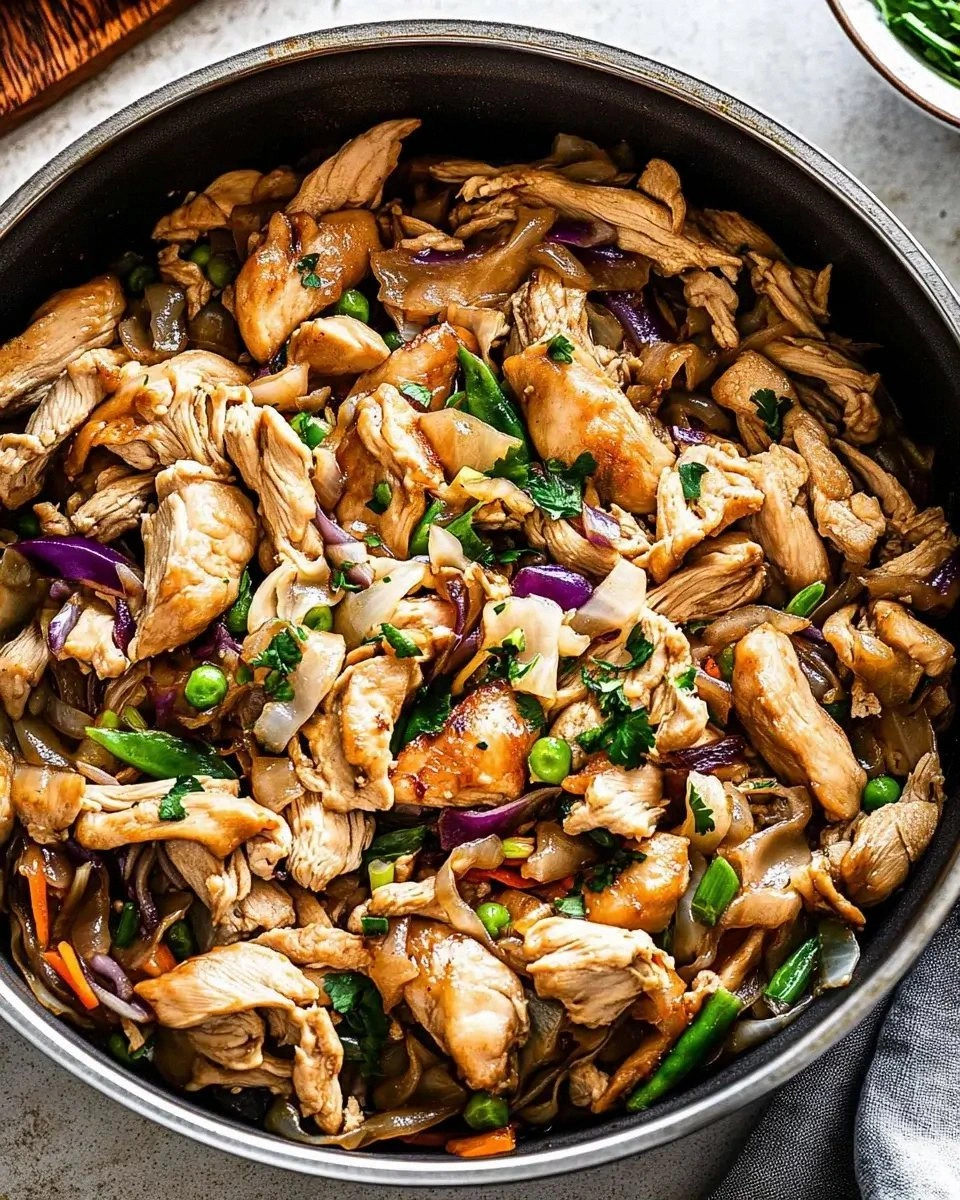
The Method — Step by Step
Heat the vegetable oil in a large wok or skillet over medium‑high heat until it shimmers. Add the minced garlic and let it sizzle for about 15 seconds—watch that golden brown edge, it’s the first sign of flavor building. Then toss in the cooked chicken, breaking it up with a spatula so each piece gets a quick sear. The chicken should turn a light amber, releasing a faint, comforting aroma that tells you you’re on the right track. Once browned, transfer the chicken to a plate and set aside.
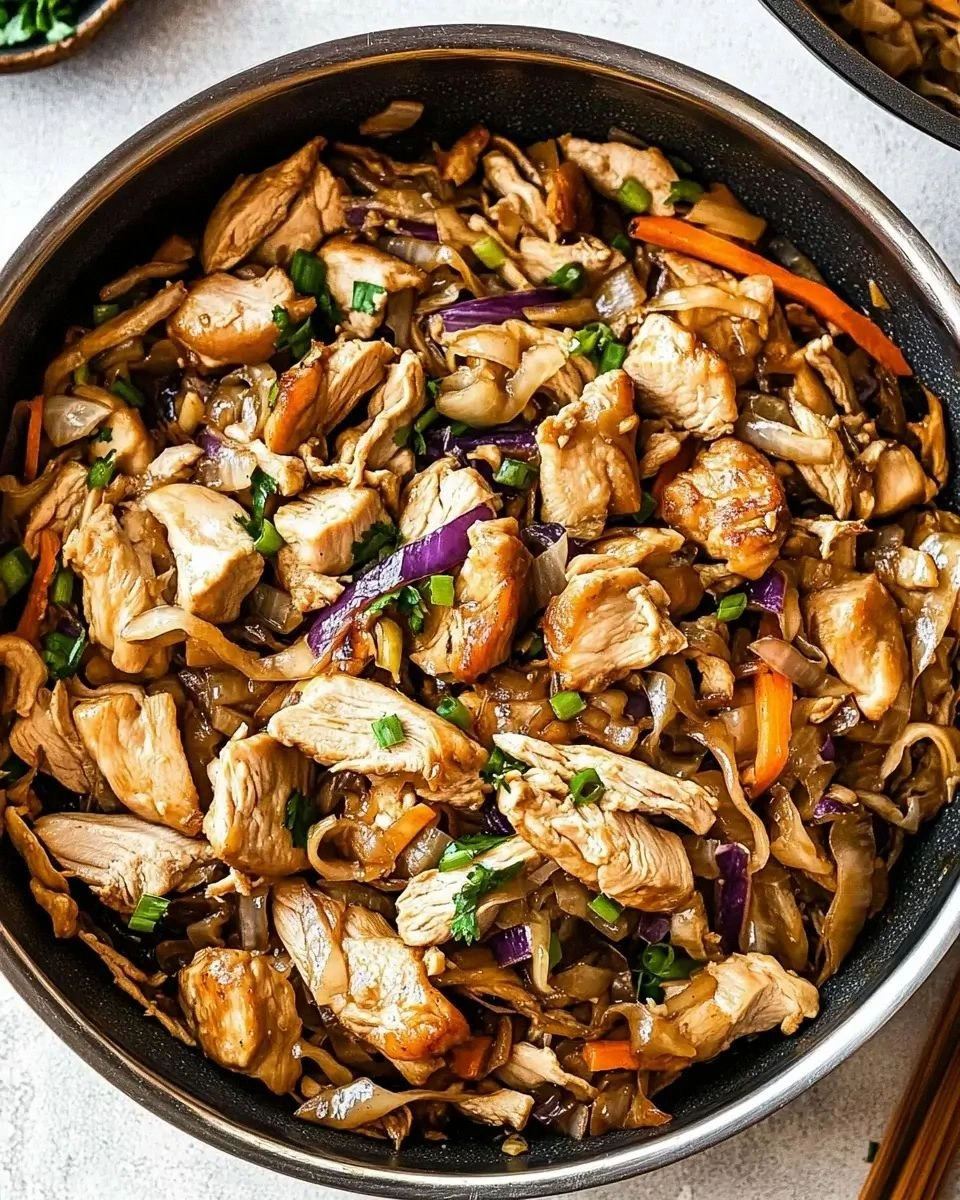
In the same pan, add the sliced shiitake mushrooms. Let them sit undisturbed for 30 seconds so they develop a nice caramelized surface, then stir‑fry for another 2 minutes. You’ll hear a gentle crackle as the moisture evaporates—this is the sound of flavor concentrating. Sprinkle a pinch of salt to help draw out any remaining water, then add the shredded napa cabbage, carrots, and green onions. Stir continuously, letting the vegetables stay crisp but slightly wilted, about 3‑4 minutes. The colors should be vivid, and the scent should start to hint at sweet earthiness.
Kitchen Hack: If the veggies start to stick, deglaze with a splash of water or broth; it creates a light steam that keeps them tender while preserving that crunch.Now it’s sauce time. Pour the soy sauce and hoisin sauce over the vegetables, stirring to coat every strand of cabbage and carrot. The mixture should bubble gently, turning a glossy amber. Let it simmer for 1‑2 minutes so the flavors meld; you’ll notice the sauce thickening slightly, clinging to the veggies like a silky veil. Taste at this point—if it feels a touch too salty, add a tiny drizzle of honey or a pinch of sugar to balance.
Return the browned chicken to the pan, mixing it thoroughly with the saucy vegetables. This is the moment of truth: the chicken should absorb the sauce without becoming soggy. Keep the heat on medium‑high and stir for another 2 minutes, allowing the chicken to re‑heat and the sauce to coat every morsel. The aroma should now be a harmonious blend of smoky sesame, sweet hoisin, and fresh greens.
Turn off the heat and drizzle the toasted sesame oil over the entire mixture. Stir quickly so the oil distributes evenly; you’ll see a subtle sheen appear, and the scent will instantly become richer, like a toasted almond bakery. This final touch is what makes the dish sing—don’t skip it.
While the filling rests for a minute, warm your tortillas or pancakes. Heat a clean, dry skillet over medium heat, lay a tortilla flat, and cook for about 20 seconds per side until just pliable and lightly speckled. If you’re using store‑bought pancakes, a quick microwave for 10 seconds does the trick. The goal is a soft wrapper that won’t tear when you roll.
Now the fun part: assemble the rolls. Place a generous spoonful of the chicken‑veggie mixture in the center of each tortilla, spreading it out but leaving a small border. Sprinkle a handful of fresh cilantro or a few extra green onion slivers if you like extra brightness. Fold the sides in, then roll tightly from one end to the other, like you’re wrapping a sushi roll but with a softer hug.
Watch Out: Overfilling the tortilla will cause it to tear; keep the filling to about a quarter cup per wrap for optimal structural integrity.Serve the rolls immediately, with a side of extra hoisin sauce for dipping if you’re feeling indulgent. The rolls should be warm, the filling steaming, and the tortilla slightly chewy. Take a bite, close your eyes, and let the layers of flavor unfold—sweet, salty, nutty, and fresh all at once. If you’ve followed every step, you’ll hear that satisfying crunch of cabbage and the soft sigh of the tortilla as you bite through.
That’s it — you did it. But hold on, I’ve got a few more tricks that'll take this to another level. From a quick garnish to a secret side dip, stay with me here — this is worth it.
Insider Tricks for Flawless Results
The Temperature Rule Nobody Follows
High heat is the secret weapon for a proper stir‑fry. If the pan isn’t hot enough, the veggies will steam instead of sear, losing that coveted crunch. I always preheat the wok for at least a minute before adding oil; you’ll know it’s ready when a drop of water evaporates instantly. This rule applies whether you’re using a gas stove or an electric coil—just give it a few extra seconds on electric.
Why Your Nose Knows Best
Don’t rely solely on timers—trust your senses. When the garlic turns a light golden and the mushrooms start to caramelize, you’re at the perfect stage to add the sauce. If the sauce bubbles too aggressively, lower the heat a notch to prevent burning. The aroma of sesame oil is a reliable cue: once you smell that nutty perfume, you know the dish is essentially done.
The 5‑Minute Rest That Changes Everything
After you combine the chicken and sauce, let the mixture sit off the heat for five minutes. This short rest allows the flavors to marry, and the sauce thickens just enough to cling without dripping. I’ve seen people serve immediately and get a watery wrap; the rest step eliminates that issue. It also gives the sesame oil a chance to fully infuse the dish.
The “Secret” Garnish Upgrade
A quick sprinkle of toasted sesame seeds and a few thin strips of fresh cucumber add texture and a cooling contrast. The cucumber’s crisp bite balances the richness of the sauce, while the seeds add a subtle crunch and visual pop. This garnish is optional but elevates the dish from casual to restaurant‑grade.
The “One‑Pan” Cleanup Trick
Line your wok with a sheet of parchment paper before you start cooking. It prevents stubborn bits from sticking and makes the post‑cooking wipe‑down a breeze. The paper can be removed and tossed, leaving the pan virtually spotless—perfect for when you’re in a hurry.
Creative Twists and Variations
This recipe is a playground. Here are some of my favorite ways to switch things up:
Spicy Szechuan Style
Add a teaspoon of Szechuan peppercorn oil and a pinch of crushed red pepper flakes to the sauce. The result is a tongue‑tingling heat that pairs beautifully with the sweet hoisin, making the dish perfect for spice lovers.
Veggie‑Only Version
Swap the chicken for extra tofu cubes or tempeh, pressed and browned beforehand. The tofu absorbs the sauce just as well, delivering a plant‑based protein punch without sacrificing texture.
Pineapple Pop
Stir in a half‑cup of diced fresh pineapple during the final minute of cooking. The fruit’s acidity cuts through the richness, adding a tropical twist that’s unexpectedly refreshing.
Noodle Nest
Instead of tortillas, serve the filling over a bed of chilled rice noodles. Toss the noodles lightly in sesame oil and garnish with chopped peanuts for a crunchy, noodle‑centric spin.
Breakfast Moo Shu
Replace the chicken with scrambled eggs and add a dash of soy sauce. Wrap it in a warm pancake for a savory breakfast that feels like a treat from a street market.
Storing and Bringing It Back to Life
Fridge Storage
Transfer the cooked filling to an airtight container and refrigerate for up to three days. The flavors actually deepen after a night, so you’ll find the second day even more flavorful. Keep the tortillas separate and wrap them in a damp paper towel to prevent drying out.
Freezer Friendly
Portion the filling into freezer‑safe bags, squeeze out excess air, and freeze for up to two months. When you’re ready to eat, thaw overnight in the fridge, then reheat in a skillet with a splash of water to revive the texture.
Best Reheating Method
For the best results, reheat the filling in a hot pan over medium heat, adding a teaspoon of water or broth to create steam. This prevents the veggies from turning mushy and restores that fresh‑cooked snap. Warm the tortillas briefly on a dry skillet, then assemble as usual.