INTRODUCTION
Picture this: I was standing in a cramped kitchen, a single pan on the stove, and a mountain of zucchini that had just come in from the farmers market. The aroma of fresh greens mingled with the faint scent of garlic from my pantry. My friend, a self‑proclaimed culinary critic, dared me to turn those humble veggies into a sauce that could rival the classic bolognese. I laughed, grabbed my skillet, and set out to prove that summer zucchini could do more than just fill a salad bowl.
I swear, that first sizzle when the zucchini hit the hot oil was like a tiny fireworks show—bright, crisp, and instantly satisfying. The sound of the onions caramelizing, the gentle pop of the garlic, and the subtle crackle of the carrots as they softened together created a symphony that made my kitchen feel like a gourmet studio. By the time the tomatoes and wine joined the dance, the air was thick with a heady, earthy perfume that made my mouth water before I even tasted a single bite.
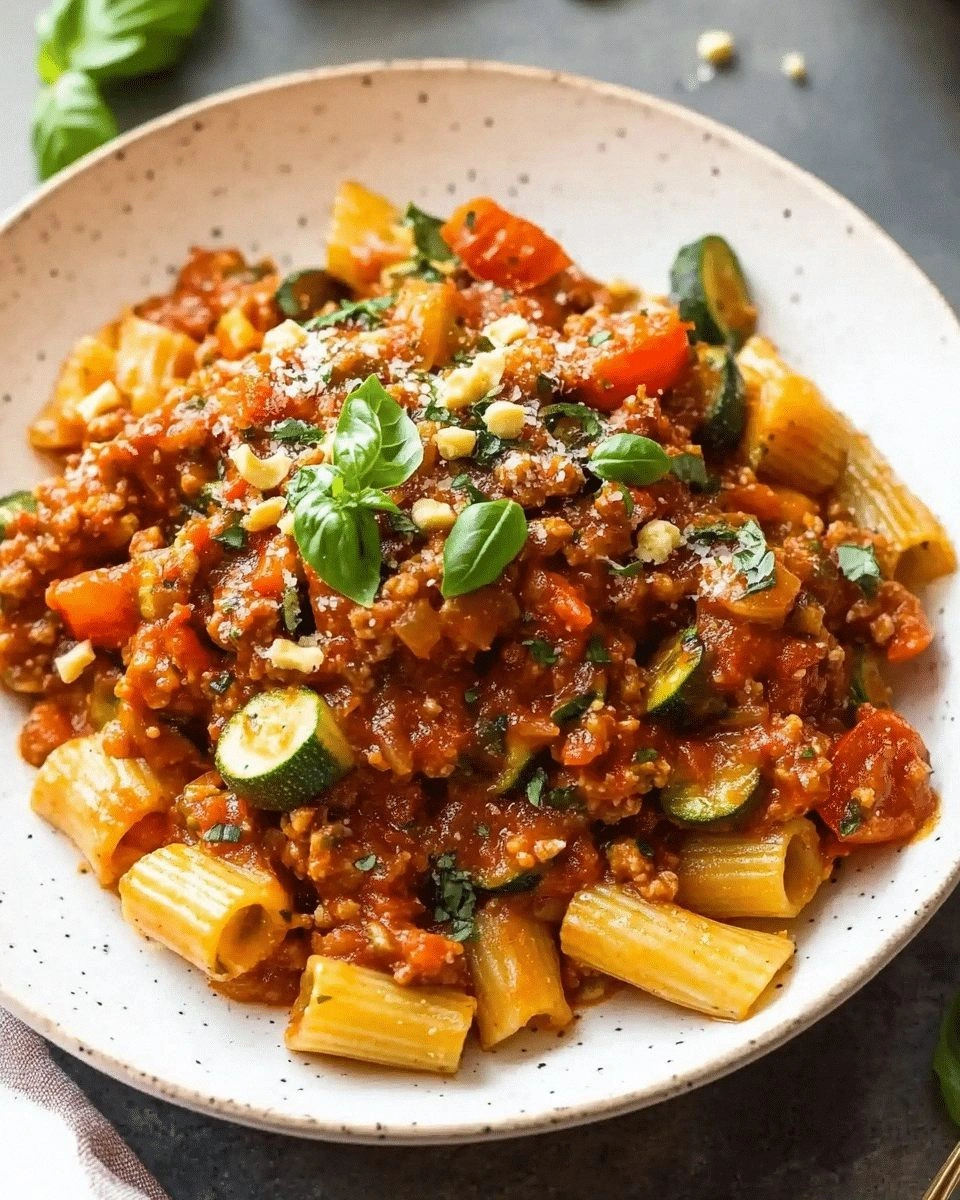
What makes this version stand out? It’s the intentional balance of textures and flavors—crunchy zucchini, silky tomato, and a hint of peppery spice that lingers on the palate. The sauce coats the pasta like velvet, yet the zucchini retains a satisfying bite that prevents it from turning mushy. I’ve spent months tweaking the ratios, but the secret lies in the timing and the quality of each ingredient. This is hands down the best version you’ll ever make at home.
And there’s a twist you won’t see in most bolognese recipes: a splash of dry red wine added right after the tomatoes, followed by a dash of fresh basil at the very end. That simple addition lifts the sauce into something that feels both rustic and refined. Let me walk you through every single step — by the end, you’ll wonder how you ever made it any other way.
What Makes This Version Stand Out
- Texture: The zucchini is diced just large enough to hold its shape, giving the sauce a playful bite that contrasts with the smooth tomato base.
- Flavor Depth: A splash of red wine early on caramelizes the sugars, adding a subtle complexity that elevates the dish.
- Freshness: Using garden‑fresh zucchini and basil keeps the sauce bright and prevents it from becoming heavy.
- Simplicity: Only 12 ingredients, all pantry staples, mean you can whip this up on a weekday night.
- Versatility: The sauce works wonderfully with any pasta shape, and you can swap in gluten‑free noodles if you like.
- Make‑Ahead Friendly: The flavors deepen overnight, making it ideal for meal prep or dinner parties.
- Healthful: Low in fat, high in veggies, and the Parmesan adds a savory finish without overloading the plate.
- Audience Appeal: Kids love the gentle sweetness of zucchini, while adults appreciate the aromatic herbs.
Alright, let's break down exactly what goes into this masterpiece...
Inside the Ingredient List
The Flavor Base
The foundation of any great sauce starts with a fragrant sauté. Olive oil, onion, garlic, carrot, and celery—known as a mirepoix—creates a sweet, savory base that caramelizes slowly over low heat. The onion releases a mellow sweetness, while the garlic adds a punch that lingers through the dish. If you skip the mirepoix, the sauce will taste flat and unbalanced; it’s the unsung hero that ties everything together.
The Texture Crew
Zucchini is the star, but its texture can make or break the sauce. Diced just right, it gives the sauce a subtle crunch that keeps the dish from becoming mushy. Carrot and celery add layers of bite and color, and if you’re watching calories, you can reduce the carrot or leave it out entirely. The key is to keep the vegetables in the same size range so they cook evenly.
The Unexpected Star
Red wine might sound like a fancy addition, but it’s essential for depth. A half cup of dry red wine, added right after the tomatoes, helps deglaze the pan and extracts browned bits that carry rich flavor. If you’re avoiding alcohol, replace the wine with a splash of balsamic vinegar or a touch of tomato juice for a similar tang.
Everything's prepped? Good. Let's get into the real action...
The Method — Step by Step
- Heat the olive oil in a large, deep skillet over medium heat until shimmering. Add the finely chopped onion, carrot, and celery, and sauté for 5–7 minutes until the mixture turns translucent and the vegetables start to soften. This is the moment of truth—if the veggies are still raw, the sauce will lack depth. Keep the heat moderate to avoid burning.
- Add the minced garlic, and cook for an additional 30 seconds, just until fragrant. Watch the garlic closely; once it turns golden, it’s ready. This step ensures the garlic’s sharpness is mellowed and integrated into the base.
- Stir in the diced zucchini, and let it cook for 4–5 minutes. The zucchini will release water and start to brown slightly. The edges should turn a light golden color, indicating that they’re developing flavor without turning mushy. If the pan feels too dry, add a splash of water to help the vegetables steam.
- Pour in the crushed tomatoes and tomato paste, mixing thoroughly to coat the vegetables. The tomato paste thickens the sauce and deepens the color. At this point, the aroma should become rich and tomato‑savory, signaling that the base is ready for the wine.
- Deglaze the pan with the dry red wine, scraping up any browned bits from the bottom. The wine should reduce slightly, concentrating its flavor. This trick is the secret sauce for a restaurant‑level bolognese that feels homemade.
- Add the dried oregano, basil, and red pepper flakes, then season with salt and pepper to taste. Stir and let the sauce simmer on low heat for 15 minutes, uncovered. This slow simmer allows the herbs to bloom and the flavors to marry. Keep the lid off to let excess liquid evaporate, preventing a watery sauce.
- While the sauce simmers, cook the pasta in a large pot of salted boiling water until al dente—about 8 minutes for spaghetti or fettuccine. Drain, reserving a cup of pasta water.
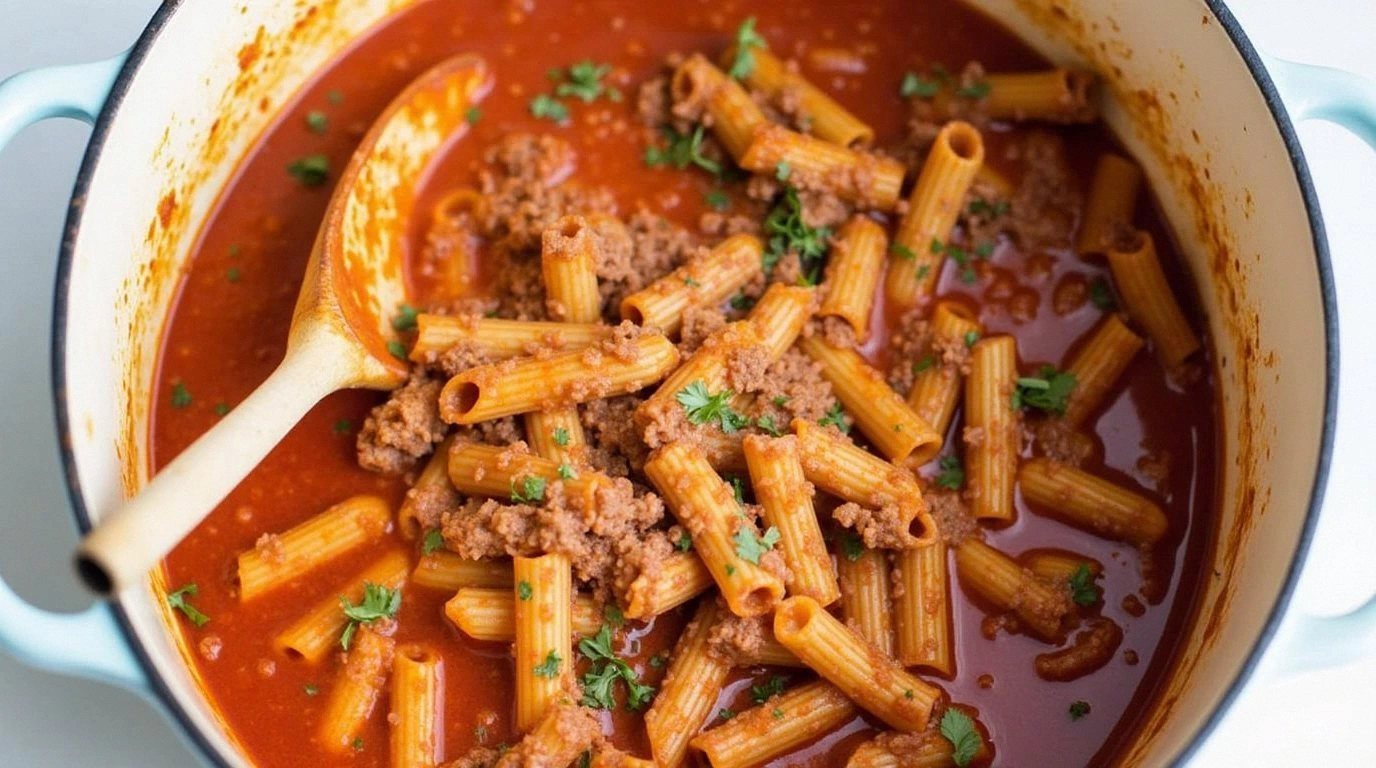
- Add the cooked pasta to the sauce, tossing gently to coat. If the sauce is too thick, add a splash of reserved pasta water to achieve the desired consistency. The sauce should cling to each strand, creating a silky, flavorful coat.
- Remove the skillet from heat, stir in the grated Parmesan cheese and fresh basil leaves. The cheese melts into the sauce, adding creaminess, while the basil provides a bright, herbal finish. Let the dish rest for 2 minutes before serving to allow the flavors to settle.
- Serve immediately, garnished with extra Parmesan and a few basil leaves. The dish should smell aromatic, look glossy, and taste balanced—sweet, savory, and with a gentle peppery kick.
That’s it—you did it. But hold on, I've got a few more tricks that'll take this to another level...
Insider Tricks for Flawless Results
The Temperature Rule Nobody Follows
Many cooks think simmering at high heat is fine, but the secret to a silky sauce is low, steady heat. Cooking the sauce over low heat for 15 minutes allows the flavors to meld without scorching the tomatoes. I once tried high heat and ended up with a bitter sauce—don’t make that mistake.
Why Your Nose Knows Best
Smell the sauce as it cooks; when it starts to carry a sweet, caramelized aroma, it’s ready. If it still smells raw or watery, give it a few more minutes. Trusting your nose ensures you never overcook the vegetables.
The 5‑Minute Rest That Changes Everything
After adding the pasta, let the dish sit for 5 minutes off the heat. This rest period allows the pasta to absorb the sauce and the flavors to settle. It also prevents the sauce from sliding off the noodles when you serve.
Using Fresh Herbs Over Dried
If you have fresh oregano and basil, use them in place of dried. Fresh herbs give a brighter, more vibrant flavor. Add them at the end of cooking to preserve their delicate oils.
Balancing Salt with Acidity
A pinch of sugar or a splash of vinegar can balance the acidity of the tomatoes. I like a teaspoon of honey to round out the sauce—just a touch, or it’ll taste sweet. This trick is especially useful if your tomatoes are very acidic.
Creative Twists and Variations
This recipe is a playground. Here are some of my favorite ways to switch things up:
Smoky Chipotle Version
Add a tablespoon of chipotle in adobo sauce for a smoky heat that pairs beautifully with the zucchini’s natural sweetness. This version is perfect for a spicy dinner.
Herbed Mushroom Bolognese
Replace half the zucchini with sliced shiitake mushrooms for a meaty texture. The mushrooms’ earthy flavor complements the tomato base and adds depth.
Low‑Carb Twist
Swap the pasta for spiralized zucchini noodles or shirataki noodles. The sauce still coats the noodles, and you get a lighter, keto‑friendly meal.
Cheesy Cauliflower Crumbles
Add a cup of roasted cauliflower florets for a nutty, slightly crunchy element. Sprinkle with crumbled feta for a tangy finish.
Vegan Adaptation
Omit the Parmesan and use nutritional yeast or vegan cheese instead. The sauce stays creamy, and the flavor profile remains intact.
Breakfast Bolognese
Serve the sauce over scrambled eggs and toast for a hearty breakfast. The savory tomato and zucchini pair wonderfully with eggs.
Storing and Bringing It Back to Life
Fridge Storage
Cool the sauce to room temperature, then transfer it to an airtight container. Store in the refrigerator for up to 4 days. Reheat gently on the stove, adding a splash of water if needed to loosen the sauce.
Freezer Friendly
Divide the sauce into freezer‑safe portions and freeze for up to 3 months. Thaw overnight in the refrigerator, then reheat on the stove with a small amount of pasta water to restore its silky texture.
Best Reheating Method
The best way to revive this sauce is to simmer it over low heat, stirring frequently. Add a tablespoon of olive oil or a splash of cream to refresh its richness. A tiny splash of water before reheating steams the sauce back to perfection.