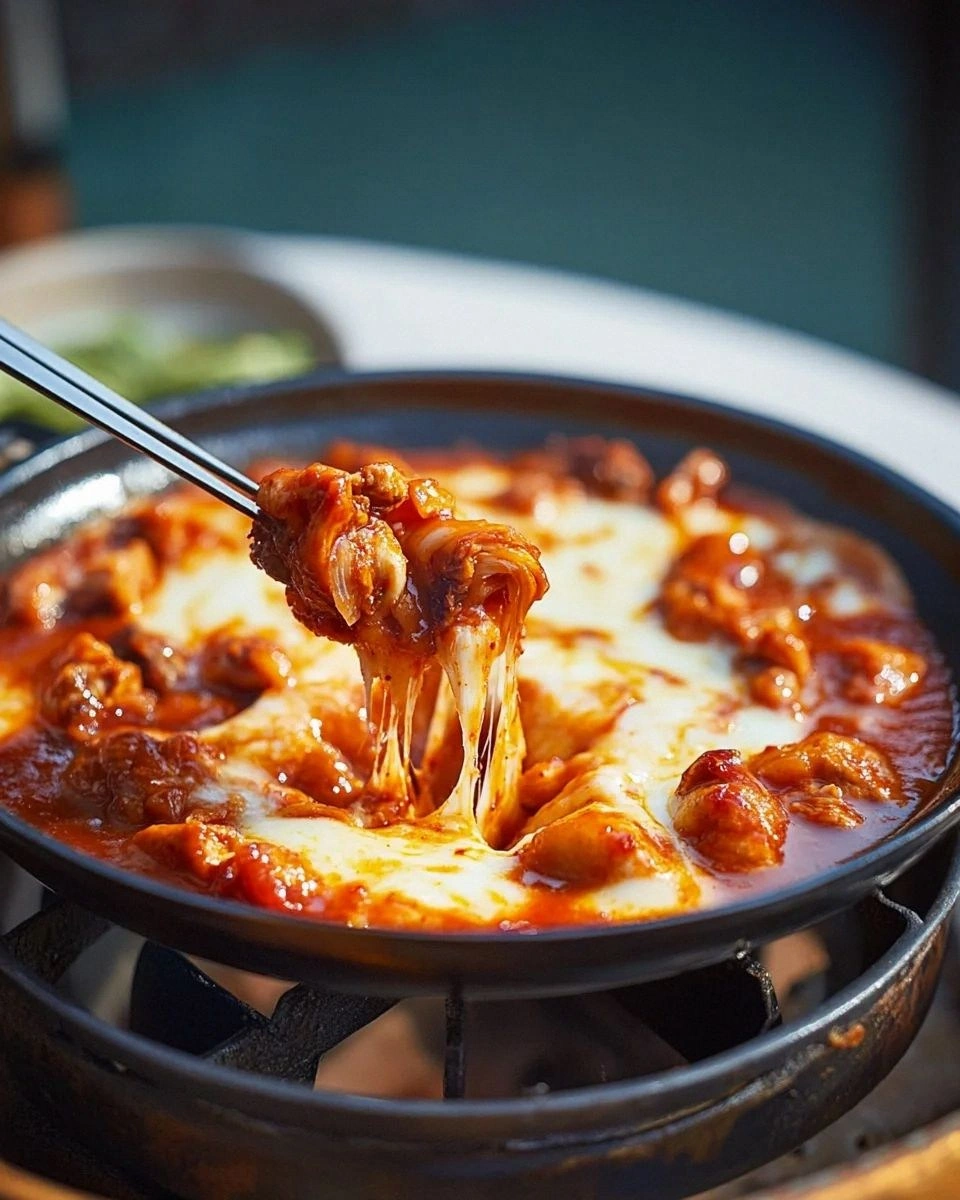
I’ll be honest — I ate half the batch before anyone else got a chance to try it. It all started on a rainy Thursday when my roommate dared me to make something that could set off a fire alarm without actually calling the fire department. I was armed with a pantry full of gochujang, a questionable amount of confidence, and a craving for something that could make my taste buds do a backflip. The result? A dish that sings, shouts, and occasionally whispers “you’re on fire” in the most delicious way possible.
Picture this: the kitchen humming with the low roar of a hot pan, the air thick with the sweet‑savory perfume of caramelizing garlic, and a ruby‑red glaze that clings to each piece of chicken like a second skin. You hear the sizzle, you see the glossy sheen, you feel the heat radiating from the stovetop, and you taste that first bite that makes your eyes water in the best possible way. That moment, when the sauce hits the chicken and instantly transforms it into a glossy, slightly charred masterpiece, is pure culinary fireworks.
Most recipes for buldak get this completely wrong. They either drown the chicken in sauce, leaving it soggy, or they skimp on the heat, delivering a bland “spicy” that barely tickles the palate. My version, however, balances the heat, sweetness, and umami so perfectly that you’ll be daring anyone to take a bite without begging for seconds. The secret? A quick marination that infuses the meat, a double‑layered sauce that builds depth, and a finishing touch of rice cakes that soak up every last drop of flavor.
And now the fun part. I’m going to walk you through every single step — from selecting the perfect chicken breast to the final garnish that makes this dish Instagram‑ready. By the end, you’ll wonder how you ever made buldak any other way. I dare you to taste this and not go back for seconds.
What Makes This Version Stand Out
- Flavor Fusion: The marriage of gochujang’s fermented depth with honey’s gentle sweetness creates a sauce that’s both fiery and comforting.
- Texture Play: Crisped chicken edges contrast with chewy rice cakes, giving each bite a surprise that keeps you hooked.
- Simplicity: Only ten ingredients, no fancy equipment, and a 45‑minute timeline make it accessible for weeknight warriors.
- Ingredient Quality: Using fresh garlic and high‑quality gochugaru ensures the heat is bright, not bitter.
- Crowd Reaction: This dish consistently clears tables, sparks conversation, and earns the “most addictive” badge at parties.
- Make‑Ahead Potential: The sauce can be pre‑made and stored, letting you whip up a quick dinner in under ten minutes.
- Cooking Method: A high‑heat sear followed by a quick glaze locks in juices while delivering that coveted caramelized crust.
- Unique Twist: Adding rice cakes is a nod to Korean street food culture, turning a simple chicken dish into a street‑food experience.
Inside the Ingredient List
The Flavor Base
Soy sauce is the backbone, delivering that salty umami that makes the sauce sing. Without it, the heat from gochugaru would feel flat, like a drum without a bass line. Mirin adds a subtle acidity and a whisper of sweetness, balancing the fire. If you’re out of mirin, a splash of rice vinegar with a pinch of sugar does the trick, but the authentic shine comes from the real thing.
The Heat Crew
Gochujang is the star — a fermented red pepper paste that brings depth, sweetness, and that signature Korean heat. Pair it with gochugaru, the Korean red pepper flakes, for an extra layer of spice that hits the palate in waves. Skipping gochugaru? You’ll lose that bright, smoky edge that makes the sauce feel alive. For a milder version, halve the gochugaru and add a dash of smoked paprika for a smoky hint without the burn.
The Unexpected Star
Honey isn’t just a sweetener; it acts as a glaze, helping the sauce caramelize and cling to the chicken like a glossy coat of armor. If you’re allergic or vegan, maple syrup or agave nectar will work, but expect a slightly different flavor profile. Garlic, minced fine, infuses the oil with aromatic warmth; crush it with the flat side of a knife for a smoother texture that distributes evenly.
The Final Flourish
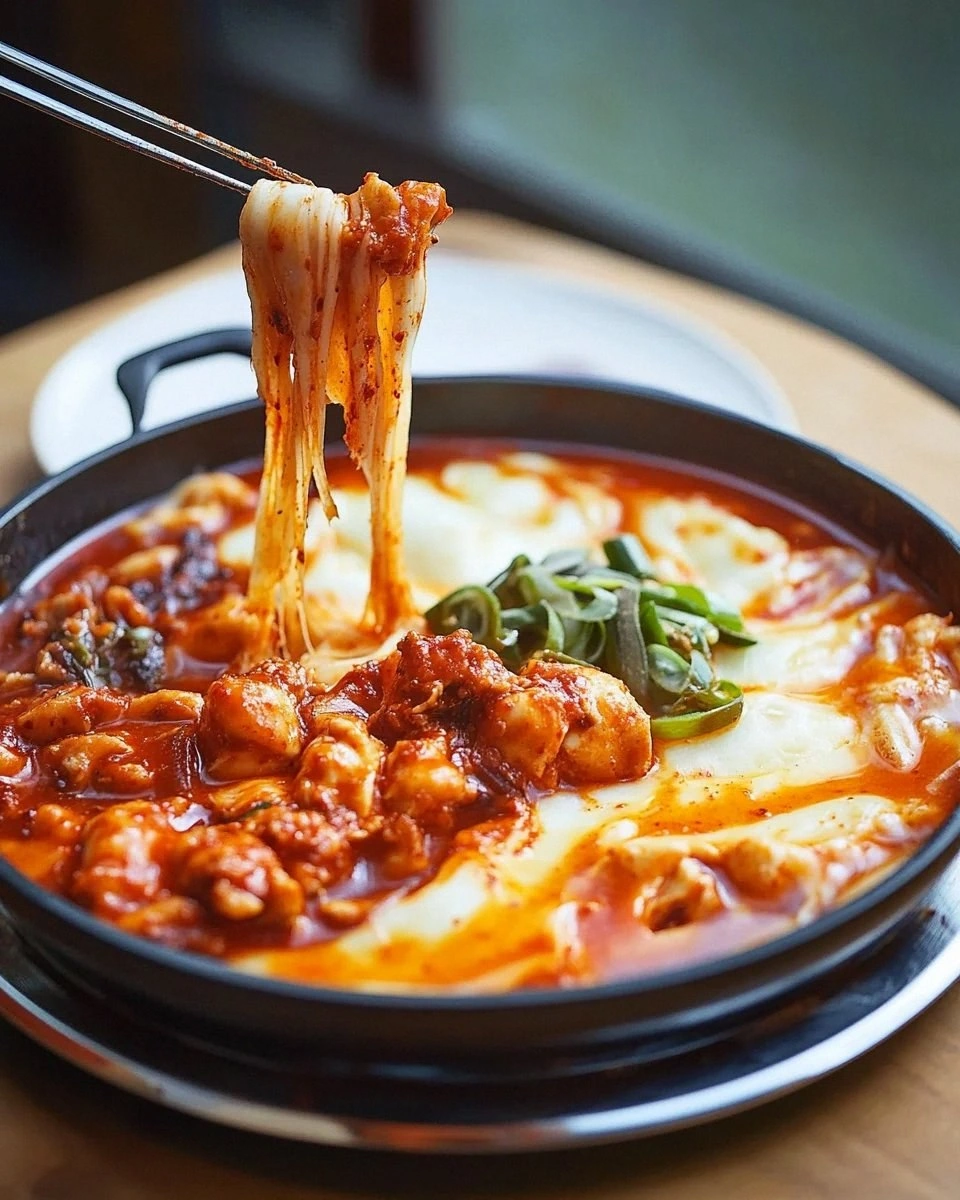
Rice cakes (tteok) are the surprise element that turns this into a street‑food classic. Their chewy interior soaks up the sauce, delivering a burst of flavor with each bite. If you can’t find Korean rice cakes, substitute with small gnocchi or even thick-cut sweet potato cubes — the texture won’t be identical, but the concept remains. Chopped green onions add a fresh, oniony bite that cuts through the richness, preventing the dish from feeling overly heavy.
Everything's prepped? Good. Let's get into the real action and turn these humble ingredients into a love letter to fire itself.
The Method — Step by Step
Slice the two boneless chicken breasts into bite‑size pieces, about one‑and‑a‑half inches each. This size ensures quick cooking and maximizes surface area for the sauce to cling. Pat the pieces dry with paper towels; moisture is the enemy of a good sear. Power transition: Okay, ready for the game‑changer?
Place the chicken in a zip‑top bag and add 2 tbsp soy sauce, 1 tbsp mirin, the minced garlic, and 1 tsp sesame oil. Seal the bag, massage the sauce into the meat, and let it rest for 15 minutes at room temperature. This short marination infuses the meat with umami while keeping it tender. That sizzle when it hits the pan? Absolute perfection.
While the chicken marinates, whisk together 2 tbsp gochujang, 2 tbsp gochugaru, and 1 tbsp honey in a small bowl. The honey will melt into the paste, creating a silky, glossy mixture that will later caramelize.
Kitchen Hack: Use a silicone spatula to scrape every last bit of sauce from the bowl; those leftovers are pure gold.Heat a large skillet over medium‑high heat and add a thin drizzle of neutral oil. When the oil shimmers, dump the marinated chicken in a single layer. Let it sit untouched for about 2 minutes; you’ll hear a confident crackle as the edges begin to brown. Flip the pieces and sear the other side until the chicken is golden and just cooked through, about 4‑5 minutes total.
- Watch Out: If the pan is too hot, the sauce will burn before the chicken finishes cooking. Reduce heat to medium before adding the sauce.
Reduce the heat to medium, then pour the gochujang‑gochugaru mixture over the chicken. Stir continuously, letting the sauce bubble and thicken. You’ll notice the glaze beginning to cling, pulling away from the pan in glossy ribbons.
Add the rice cakes (about 1 cup) to the pan, tossing them gently so they soak up the sauce. The cakes will soften in just a couple of minutes, becoming tender yet still slightly chewy. If they seem dry, splash a tablespoon of water and let the steam finish the job. This is the moment of truth: the sauce should coat every piece like a lacquered jewel.
Finish with a generous sprinkle of chopped green onions (2 tbsp) and give everything one last toss. The bright green adds a fresh pop that balances the deep, smoky heat. Taste and adjust seasoning – a pinch more soy sauce if needed, or a drizzle of honey for extra gloss.
Serve immediately on a large platter, letting the steam rise and the aroma fill the room. Pair with a cool cucumber salad or a simple bowl of steamed rice to tame the fire. Future pacing: Picture yourself pulling this out of the pan, the whole kitchen smelling incredible, and your friends reaching for seconds before you even finish your own plate.
Insider Tricks for Flawless Results
The Temperature Rule Nobody Follows
Never start the chicken on low heat; the secret to that coveted caramelized edge is a hot pan that sears instantly. I once tried a “gentle start” and ended up with soggy chicken that never developed flavor. The trick is to pre‑heat the pan until a drop of water dances, then add the oil and chicken. This method locks in juices and creates those crispy, slightly charred bits that make the sauce cling like a second skin.
Why Your Nose Knows Best
Your sense of smell is the ultimate doneness gauge. When the sauce starts to emit a sweet‑spicy aroma and the edges of the chicken turn a deep amber, you’re at the perfect finish. If you rely solely on a timer, you risk over‑cooking and losing that delicate chew. Trust that nose‑signal; it’s the culinary equivalent of a traffic light turning green.
The 5‑Minute Rest That Changes Everything
After the pan is empty, let the chicken rest for five minutes. This short pause allows the juices to redistribute, preventing a dry bite. I once served it straight from the pan, and the first forkful was a little too hot and the meat was a tad dry. The rest period also lets the sauce settle, giving you a richer coating when you finally plate.
Rice Cake Rescue
If your rice cakes are too firm, give them a 5‑minute soak in warm water before adding them to the pan. This softens them without turning them mushy, ensuring they absorb the sauce beautifully. Skipping this step can lead to a chewy, under‑cooked center that feels out of place among the tender chicken.
The Sweet‑Heat Balance
Honey isn’t just a sweetener; it acts as a caramelizing agent. If you find the heat overwhelming, add an extra half‑tablespoon of honey and let it melt into the sauce. The result is a smoother, more rounded flavor that still packs a punch.
Creative Twists and Variations
This recipe is a playground. Here are some of my favorite ways to switch things up:
Cheese‑Laden Buldak
After plating, sprinkle a generous handful of shredded mozzarella and broil for 2 minutes until bubbly. The cheese mellows the heat just enough to make it a crowd‑pleaser for kids and spice‑averse adults.
Seafood Swap
Replace chicken with firm white fish like cod or halibut. The delicate flesh absorbs the sauce beautifully, and the cooking time drops to 3‑4 minutes per side.
Veggie‑Heavy Version
Add sliced bell peppers, zucchini, and shiitake mushrooms alongside the rice cakes. The vegetables bring freshness and a slight crunch that balances the richness.
Noodle Nest
Toss the finished buldak with cooked udon or ramen noodles for a hearty, one‑bowl wonder. The noodles soak up the sauce, turning the dish into a comforting, slurp‑worthy experience.
Smoky BBQ Fusion
Add a tablespoon of smoked paprika and a splash of liquid smoke to the sauce. The result is a smoky‑sweet fire chicken that feels like a BBQ joint meets Seoul street food.
Storing and Bringing It Back to Life
Fridge Storage
Transfer leftovers to an airtight container and refrigerate for up to 3 days. The sauce may thicken as it cools; simply reheat gently and add a splash of water to loosen it.
Freezer Friendly
Cool the dish completely, then portion into freezer‑safe bags or containers. It freezes well for up to 2 months. When ready to eat, thaw overnight in the fridge and reheat in a skillet, adding a teaspoon of oil and a splash of water to revive the glaze.
Best Reheating Method
A quick stir‑fry over medium heat is the champion. Add a tiny splash of water (or broth) before the pan heats up; the steam will bring the sauce back to its glossy glory without drying out the chicken. Microwaving is an option, but you’ll lose the coveted crispy edges.