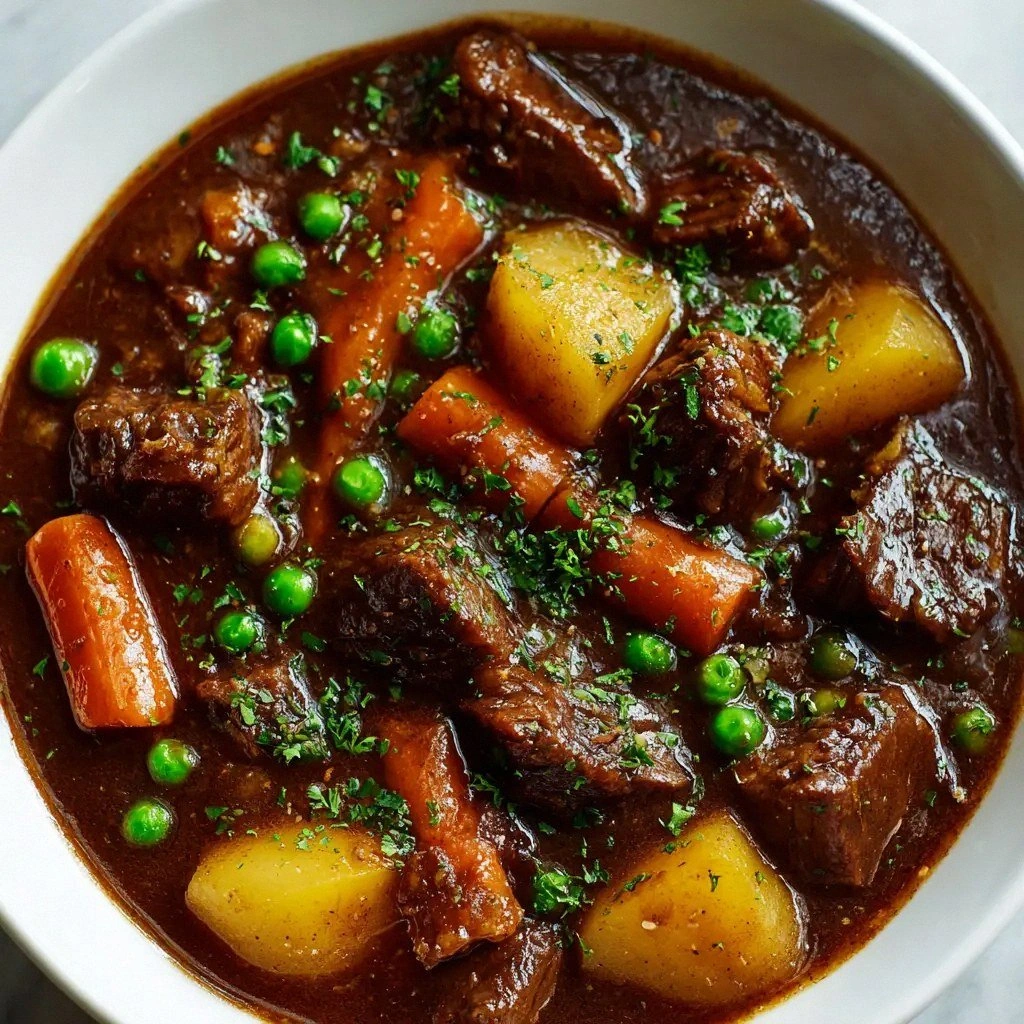
I was halfway through a week of bland dinners when a friend dared me to turn a humble pot of beef stew into something unforgettable. I stared at the stack of frozen veggies, the cubed chuck, and the empty pantry. The promise of a comforting, soul‑warming meal clung to me like a secret. I whispered to the stove, “I’m about to rewrite the rulebook.” And so began the quest for the ultimate crockpot beef stew.
The kitchen smelled like a promise of adventure—meat sizzling, onions caramelizing, garlic releasing its earthy perfume. My fingertips tingled as I pressed the first cube into the hot pan, watching the brown crust form, the sound like a satisfied sigh. The sizzle was a cue: the flavors were about to mingle, layer, and intensify. Every breath carried hints of rosemary, thyme, and the faint sweetness of tomatoes. The anticipation was palpable, the air thick with the scent of slow‑cooked bliss.
What sets this version apart is its relentless focus on depth of flavor and texture. I refuse to let the stew be a generic, run‑of‑the‑mill pot of meat and vegetables. Instead, I layer umami with a touch of acidity, thicken with a flour roux, and finish with fresh herbs that brighten the dish. The result is a stew that’s tender, thick, and bursting with character—hand‑crafted, not store‑bought. It’s the kind of comfort food that makes you wonder why you ever settled for less.
And there’s a twist you won’t see in the usual recipes: a splash of Worcestershire sauce early on, a quick sauté of the onions and garlic, and a final flourish of fresh parsley that gives the stew a bright, almost citrusy lift. I dare you to taste this and not go back for seconds. Let me walk you through every single step — by the end, you’ll wonder how you ever made it any other way.
What Makes This Version Stand Out
- Flavor: A harmonious blend of beef, tomatoes, and Worcestershire that creates a savory, slightly tangy base.
- Texture: Thickened with a flour roux yet still liquid enough to coat the potatoes and carrots.
- Ease: Minimal prep, one pot, and a slow‑cook that delivers restaurant‑level results.
- Ingredient Quality: Fresh, high‑quality produce and lean chuck that melt into a melt‑in‑your‑mouth experience.
- Crowd‑Pleaser: The hearty, comforting flavor makes it a hit at family dinners, potlucks, and holiday gatherings.
- Make‑Ahead: Perfect for meal‑prep; the flavors deepen overnight.
- Versatility: Easy to adjust for dietary preferences—gluten‑free, low‑sodium, or extra‑protein.
- Time Efficiency: 15 minutes of prep plus 6‑8 hours of slow‑cooking—no constant monitoring.
Inside the Ingredient List
The Flavor Base
Beef chuck is the star—its marbling gives the stew a rich, meaty backbone. The 4 cups of low‑sodium beef broth carry the savory depth, while the 2 tablespoons of tomato paste introduces a subtle sweetness and thickens the sauce. Worcestershire sauce adds a complex, umami punch that cuts through the richness. Skipping any of these would leave the stew feeling flat and incomplete.
The Texture Crew
Yukon Gold potatoes and carrots bring hearty, comforting chunks that absorb the sauce without disintegrating. The 1 cup of frozen peas offers a pop of color and a burst of sweetness that balances the savory base. The flour roux, made from 1/4 cup all‑purpose flour and 2 tablespoons of olive oil, coats the stew, giving it body and a silky mouthfeel. Without it, the stew would be watery and less satisfying.
The Unexpected Star
Fresh parsley isn’t just a garnish; it injects a bright, herbaceous note that lifts the entire dish. It’s the secret weapon that turns a good stew into a great one. If you’re in a pinch, a handful of chopped cilantro or basil can substitute, but the parsley’s subtle earthiness is irreplaceable.
The Final Flourish
A pinch of black pepper and a teaspoon of salt are the finishing touches that bring all the flavors together. They’re the final seasoning that makes the stew taste balanced and complete. If you’re watching sodium, reduce the broth and add a splash of low‑sodium soy sauce instead.
Everything’s prepped? Good. Let’s get into the real action.
The Method — Step by Step
- Heat the olive oil in a large skillet over medium‑high heat. Add the cubed beef in a single layer, letting each side sear without crowding. The sear is essential—it locks in juices and adds a caramelized depth that a slow cooker alone can’t achieve. Watch for a deep brown crust; if the pan gets too smoky, reduce the heat slightly. Once all sides are browned, transfer the beef to the crockpot.
- In the same skillet, reduce the heat to medium and add the diced onion. Sauté until translucent and fragrant, about 3–4 minutes. The onions release a sweet, buttery flavor that forms the backbone of the stew. If you like a touch of crunch, keep them slightly under‑cooked. Then add the minced garlic, cooking just until aromatic—about 30 seconds—to avoid bitterness.
- Pour the browned beef broth into the skillet, scraping up any browned bits from the bottom. Stir in the tomato paste, Worcestershire sauce, and the flour roux. Whisk continuously until the mixture thickens into a smooth, glossy sauce. This step is crucial; it prevents the stew from becoming watery and adds body. Let the sauce simmer for 2 minutes to cook out the raw flour taste.
- Transfer the sauce, along with the onions and garlic, into the crockpot. Add the cubed potatoes, sliced carrots, and frozen peas. Toss gently to coat the vegetables in the rich sauce. The vegetables will absorb the flavors during the long, slow cook.
- Cover and set the crockpot to low for 6–7 hours or high for 3–4 hours. The low setting allows the beef to become fall‑apart tender, while the high setting saves time without sacrificing flavor. Check the stew once after 3 hours to ensure the vegetables are not over‑cooked; if they’re too soft, add a splash of broth to maintain texture.
- When the cooking time is up, taste and adjust seasoning with salt and pepper. If the stew feels too thick, stir in a little extra broth or water. If it’s too thin, let it simmer uncovered for a few minutes to reduce. The final consistency should be thick enough to coat the meat and vegetables but still pourable.
- Stir in the fresh parsley, letting it wilt into the stew. The parsley brightens the dish, adding a fresh, herbaceous note that cuts through the richness. Let the stew sit for a minute to allow the flavors to meld.
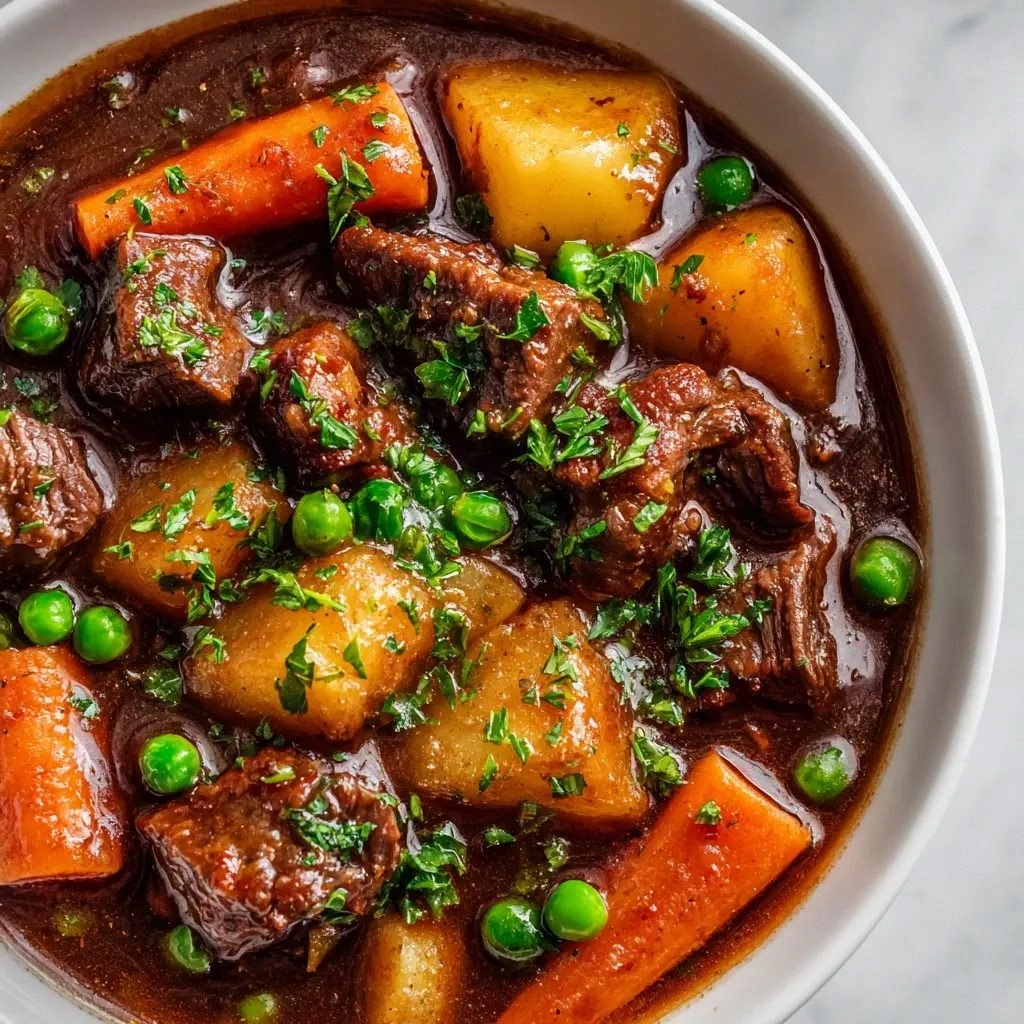
- Serve hot, ladling the stew into bowls, and garnish with a sprinkle of extra parsley if desired. Pair with crusty bread or a side of buttery mashed potatoes for a complete meal. The aroma alone will make your guests line up for seconds.
That’s it — you did it. But hold on, I've got a few more tricks that'll take this to another level.
Insider Tricks for Flawless Results
The Temperature Rule Nobody Follows
Many people cook their stew on high, assuming it’s faster. The truth is low‑and‑slow lets the connective tissue in the beef break down, producing melt‑in‑your‑mouth tenderness. I’ve tried high for a few minutes, and while it saves time, the meat feels rubbery. Stick to low for at least 6 hours, or high for 3–4, and you’ll taste the difference.
Why Your Nose Knows Best
The aroma of a stew is the first indicator of doneness. When the broth is thick and the meat smells rich, it’s almost ready. If the smell is too sharp, give it a few more minutes. Trust your nose; it’s a reliable chef’s tool.
The 5‑Minute Rest That Changes Everything
After the crockpot shuts off, let the stew sit covered for 5 minutes before serving. This allows the flavors to settle and the liquid to redistribute, ensuring every bite is perfectly balanced. I’ve seen people skip this step and end up with uneven seasoning.
Skip the Sear? No Problem
If you’re in a hurry, you can skip the initial sear and add the beef directly to the crockpot with the broth. The stew will still be delicious, but the flavor depth will be slightly less. It’s a quick shortcut that still delivers comfort.
Add a Splash of Red Wine
A half cup of dry red wine adds a subtle fruitiness that elevates the stew. Pour it in with the broth after the sear. The wine reduces to a rich sauce that pairs beautifully with the beef’s savory notes. If you’re avoiding alcohol, substitute with a splash of beef broth and a dash of balsamic vinegar.
Creative Twists and Variations
This recipe is a playground. Here are some of my favorite ways to switch things up:
Smoky Chipotle Twist
Add a tablespoon of chipotle in adobo for a smoky, spicy kick. Pair with a side of cilantro lime rice for a Mexican flair. It’s perfect for a weekend gathering that needs a bold flavor profile.
Herb‑Infused Mediterranean
Replace the parsley with a mix of oregano, thyme, and rosemary. Add a splash of olive oil and a squeeze of lemon at the end. Serve over couscous for a Mediterranean twist.
Ginger‑Soy Fusion
Swap Worcestershire for low‑sodium soy sauce and add a tablespoon of fresh ginger. Finish with a sprinkle of toasted sesame seeds. This version pairs wonderfully with steamed bok choy.
Creamy Mushroom Variation
Sauté sliced mushrooms with the onions and garlic before adding the broth. Stir in a splash of heavy cream or coconut milk for a velvety finish. The earthy mushrooms complement the beef beautifully.
Vegetarian Swap
Use a high‑protein, low‑fat meat substitute or hearty lentils. Add a cup of vegetable broth and a tablespoon of tomato paste. This version maintains the comforting feel while being plant‑based.
Storing and Bringing It Back to Life
Fridge Storage
Cool the stew to room temperature, then transfer to an airtight container. Store in the refrigerator for up to 4 days. The flavors will continue to develop, making each day’s serving even richer.
Freezer Friendly
Divide the stew into freezer‑safe portions, leaving about an inch of headspace. Freeze for up to 3 months. When ready, thaw overnight in the refrigerator, then reheat gently.
Best Reheating Method
Reheat on the stovetop over low heat, adding a splash of water or broth to restore moisture. Stir frequently to prevent scorching. The tiny splash of water steams the stew back to perfection, keeping it silky and flavorful.