I was halfway through a frantic week of work emails, grocery shopping, and a toddler who had a sudden obsession with the kitchen counter when I decided I needed a dinner that would feel like a hug from the inside out. I opened the fridge, stared at the handful of ground beef, and thought, “What if I could turn this into something that smells like a Sunday dinner, but still fits in 45 minutes?” The answer arrived in the form of a one-pot beef ragu that I’d never seen before—except for the fact that I’d seen a handful of ragu recipes, all of them either too dry or too heavy. That night, I grabbed my skillet, let the beef sizzle, and the rest is history. I dare you to taste this and not go back for seconds.
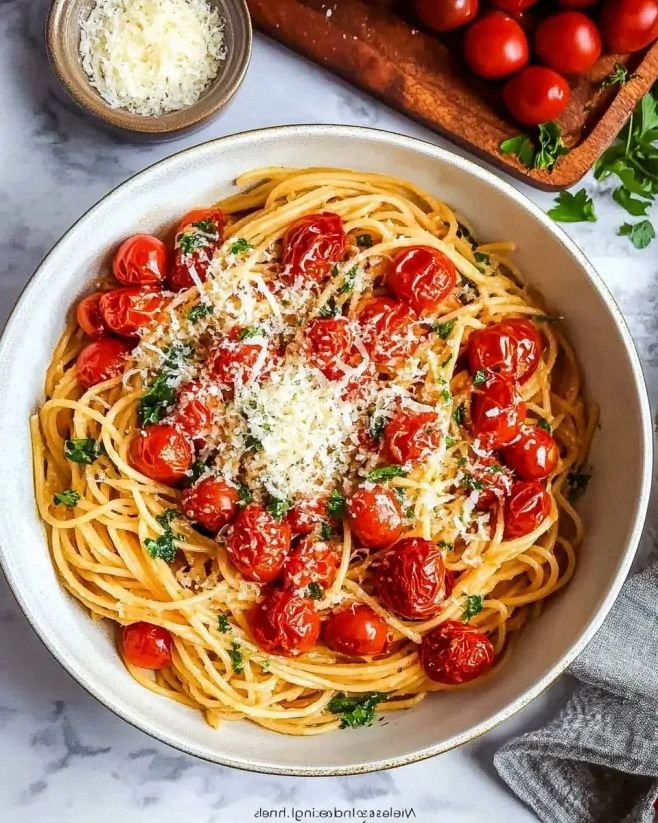
Picture yourself pulling this out of the oven, the whole kitchen smelling incredible, the steam rising like a small cloud of savory promise. The sauce coats the pasta like velvet, and the beef is so tender it practically dissolves in your mouth. Every bite is a symphony of caramelized onions, roasted garlic, and the deep umami of tomatoes, balanced by a splash of red wine that adds a subtle fruitiness. The pasta is al dente, its surface slick with sauce, and the whole dish feels like a comforting hug in a bowl. I’ve never had a dish that made me feel this proud and this satisfied at the same time.
What makes this version stand out is that it’s a single pot masterpiece—no separate pan for the sauce, no separate pot for the pasta. The beef and vegetables cook together, releasing their flavors into a single, cohesive sauce that clings to each noodle. I’ll show you the technique that turns a simple skillet into a flavor laboratory, and the ingredient twist that gives it a depth you’ll never forget. By the end, you’ll wonder how you ever made it any other way.
Okay, ready for the game‑changer? This isn’t just a recipe; it’s a kitchen revelation. I’ll walk you through every single step, from the first sizzle to the final sprinkle of parmesan. If you’ve ever struggled with a ragu that turns out watery or too thick, you’re not alone—and I’ve got the fix. Let’s dive in.
What Makes This Version Stand Out
- Richness: The beef is browned in stages, creating a caramelized crust that locks in flavor. This layered browning gives the sauce a depth that’s impossible to achieve with a single sear.
- Texture: The pasta is cooked directly in the sauce, absorbing its juices while staying firm. No soggy noodles, just silky strands that cling to the sauce.
- Convenience: One pot, one pan—clean‑up is a breeze. It’s the perfect dish for busy nights, yet it still feels luxurious.
- Ingredient Quality: Using fresh herbs, a splash of good red wine, and a touch of cream transforms the dish from ordinary to extraordinary.
- Crowd‑pleasing: The sauce is bold yet balanced, making it a hit with both kids and adults. It’s the kind of meal you can serve at a family dinner or a casual get‑together.
- Make‑ahead Potential: The sauce tastes even better the next day, and the pasta can be reheated without losing its texture.
- Flavor Layering: Each ingredient plays a distinct role—carrots for subtle sweetness, celery for earthiness, and oregano for that Mediterranean kick.
- Visual Appeal: The glossy sauce, the golden brown edges, and the sprinkle of parmesan create a dish that looks as good as it tastes.
Inside the Ingredient List
The Flavor Base
The foundation of any great ragu is the aromatic base. Diced onion, minced garlic, and finely chopped carrot and celery form a classic mirepoix that releases sweetness and depth. The onion should be translucent before you add the beef, and the garlic should brown just enough to give a nutty aroma. If you skip this step, the sauce will taste flat, like a bowl of plain tomato soup. For a subtle twist, add a pinch of smoked paprika to the base; it will give the sauce a gentle smokiness that complements the beef.
The Texture Crew
Ground beef is the star, but the way you cook it matters. Use a mix of lean and fat—about 80/20—to keep the meat juicy. Brown the beef in a hot skillet until it’s a deep mahogany color; this caramelization locks in flavor. If you’re using steak cubes instead of ground, sear them on all sides before adding the aromatics. A good rule of thumb: don’t crowd the pan; let the meat sear properly. The texture of the beef will dictate the overall mouthfeel of the dish—tender, not mushy.
The Unexpected Star
Red wine is the secret ingredient that elevates this ragu. A dry, full-bodied wine like a Chianti or a Sangiovese adds acidity and a subtle fruitiness that balances the richness of the beef. Pour the wine into the pan after the beef is browned and let it reduce by half before adding tomatoes. If you’re not a fan of wine, a splash of beef broth or a bit of balsamic vinegar can mimic the acidity, but the wine adds a depth that’s hard to replace.
The Final Flourish
The finishing touches are what make the dish shine. A splash of heavy cream or a knob of butter at the end gives the sauce silky richness. Grated Parmesan not only adds umami but also creates a slight crust on the top when you finish the dish in the oven. Fresh herbs—basil or parsley—added at the very end brighten the flavor profile and add a pop of color. Don’t forget to taste and adjust salt and pepper before serving; the sauce should be well-seasoned but not overpowering.
Everything’s prepped? Good. Let’s get into the real action.
The Method — Step by Step
- Prep the aromatics: Dice one medium onion, mince two cloves of garlic, and finely chop two carrots and two celery stalks. Set them aside. This step is crucial for building layers of flavor; the more finely you chop, the more surface area for the aromatics to release their oils.
- Brown the beef: Heat a large, heavy‑bottomed skillet over medium‑high heat. Add one tablespoon of olive oil, then toss in one pound of ground beef. Break it apart with a spatula, letting it sear without stirring for the first minute. This creates a caramelized crust that locks in flavor. When the beef is a deep mahogany, remove it from the pan and set aside.
- Sauté the base: In the same skillet, add the diced onion and a pinch of salt. Cook until the onion is translucent, about 3–4 minutes. Add the minced garlic, carrots, and celery, and sauté for another 2 minutes until the vegetables soften. This is where the sauce’s foundation is built; the vegetables should be fragrant, not raw.
- Deglaze with wine: Pour in one cup of dry red wine. Let it simmer until it reduces by half, about 4–5 minutes. The wine should be bubbling gently, leaving a glossy sheen on the pan. The reduction concentrates the wine’s acidity and caramelizes the bits stuck to the bottom of the skillet.
- Add tomatoes and broth: Stir in one can (28 oz) of crushed tomatoes and one cup of beef broth. Add one teaspoon each of dried oregano, basil, and a bay leaf. Return the browned beef to the skillet. Bring the mixture to a gentle simmer, then reduce the heat to low and cover partially. Let it cook for 15 minutes, stirring occasionally. The sauce should thicken slightly, and the flavors will meld into a rich, cohesive blend.
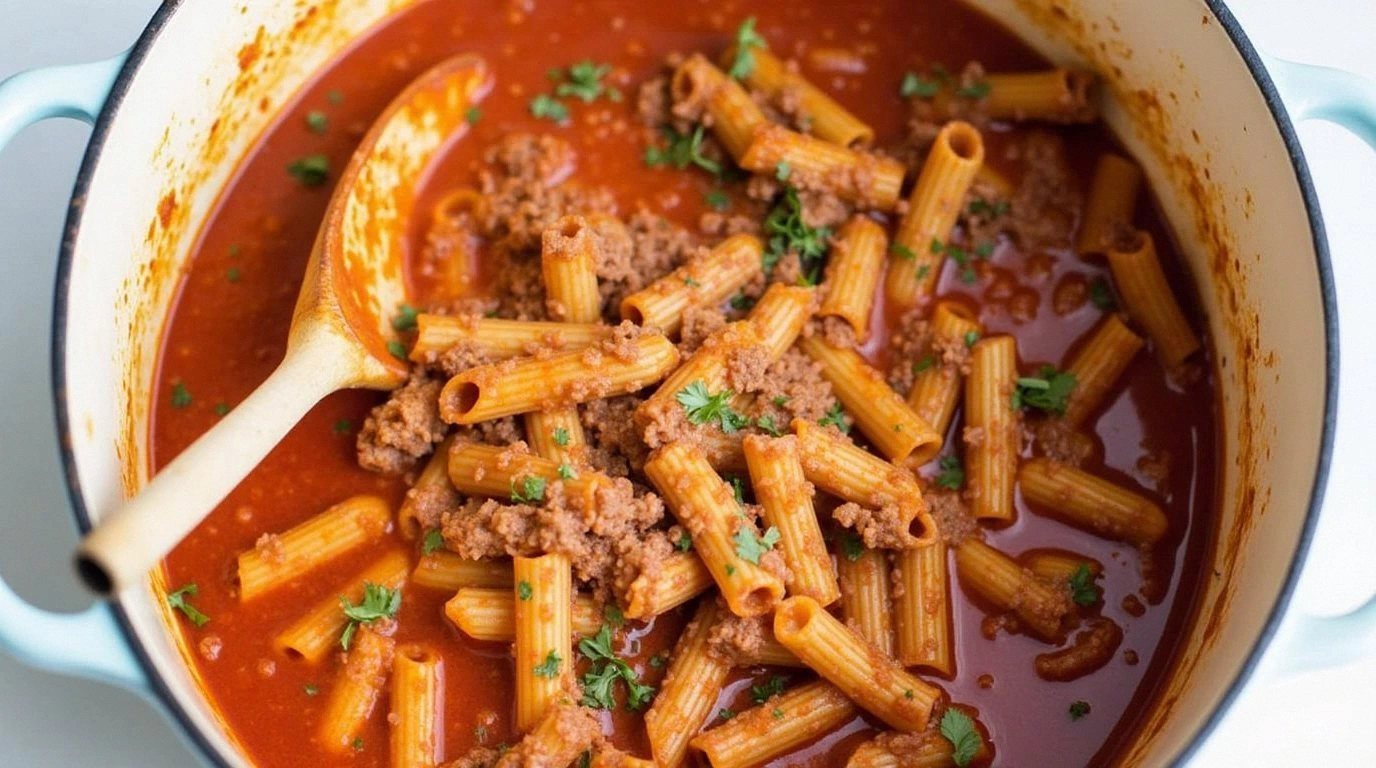
- Incorporate the pasta: Add 12 ounces of rigatoni or penne pasta directly to the sauce. Stir to ensure the pasta is submerged in liquid. Cover and let it cook for 10–12 minutes, or until the pasta is al dente. Stir once or twice to prevent sticking. If the sauce thickens too much, add a splash of beef broth or water to loosen it.
- Finish with richness: Once the pasta is cooked, remove the bay leaf. Stir in a quarter cup of heavy cream (or a tablespoon of butter for a lighter version). Add a quarter cup of grated Parmesan and stir until the cheese melts. The sauce should be silky, with a slight sheen, and the pasta should be coated in a glossy, flavorful coat.
- Final touches: Taste and season with salt and pepper to your liking. Sprinkle fresh basil or parsley over the top. Transfer the dish to a baking dish and bake at 375°F (190°C) for 10 minutes to develop a golden crust. This step is optional but adds a delightful textural contrast.
That’s it— you did it. But hold on, I’ve got a few more tricks that’ll take this to another level. These insider tips will help you perfect the sauce’s consistency, enhance its aroma, and keep the pasta from sticking.
Insider Tricks for Flawless Results
The Temperature Rule Nobody Follows
Many people keep the heat high throughout the cooking process, which can scorch the sauce and make it bitter. I keep the heat low after the initial sear, allowing the flavors to develop slowly. This low‑heat technique gives the beef a melt‑in‑your‑mouth tenderness that’s hard to achieve with high heat. The next time you cook a ragu, try turning the stove down to medium‑low after the aromatics are sautéed.
Why Your Nose Knows Best
The aroma is a reliable indicator of doneness. When the sauce smells toasty and slightly sweet, the caramelization is complete. If it still smells raw, give it a few more minutes. The nose can tell you when the sauce has reached that perfect balance of acidity and richness.
The 5‑Minute Rest That Changes Everything
Letting the dish rest for five minutes after baking allows the flavors to settle. The pasta continues to absorb the sauce, and the cheese melts into a uniform coating. If you’re in a hurry, skip the rest, but you’ll miss out on a depth of flavor that makes the dish unforgettable.
Use a Dutch Oven for Even Heat
A heavy Dutch oven distributes heat evenly, preventing hot spots that can burn the sauce. If you don’t have a Dutch oven, a thick‑bottomed skillet works fine, but make sure it’s large enough to hold all the ingredients without crowding.
Fresh Herbs at the End
Adding fresh basil or parsley after baking brightens the dish and cuts through the richness. The herbs release their oils only when heated briefly, so wait until the dish is almost finished to add them. This small step makes a big difference in overall flavor.
Creative Twists and Variations
This recipe is a playground. Here are some of my favorite ways to switch things up:
Spicy Italian Twist
Add a pinch of red pepper flakes to the aromatics for a subtle kick. Pair it with a splash of balsamic vinegar at the end to balance the heat. This version is perfect for those who love a little spice without overpowering the dish.
Vegetarian Ragu
Replace the ground beef with a hearty mix of lentils, diced mushrooms, and crumbled tofu. The mushrooms provide umami, while the lentils add body. This version is both protein‑rich and comforting.
Seafood Variation
Swap the beef for a mix of shrimp and scallops. Cook the seafood separately and fold it into the sauce at the last 5 minutes. The result is a luxurious, oceanic take on the classic ragu.
Cheesy Gnocchi Version
Use gnocchi instead of pasta for a lighter texture. The pillowy gnocchi will soak up the sauce beautifully, creating a dish that feels both indulgent and airy.
Low‑Carb Adaptation
Replace the pasta with zucchini noodles or shirataki noodles. The sauce will cling to the noodles, offering a low‑carb alternative that doesn’t sacrifice flavor.
Sunday Slow‑Cook
Transfer the entire mixture to a slow cooker on low for 6–8 hours. The long, gentle cooking will break down the beef and create an even richer sauce. Serve it over mashed potatoes for a comforting meal.
Storing and Bringing It Back to Life
Fridge Storage
Cool the ragu to room temperature, then transfer it to an airtight container. Store in the refrigerator for up to 4 days. The sauce will thicken as it cools, so add a splash of beef broth or water before reheating to restore its silky texture.
Freezer Friendly
For longer storage, portion the ragu into freezer‑safe containers and freeze for up to 3 months. Thaw overnight in the refrigerator before reheating. The pasta may soften, so consider adding a fresh batch of noodles when you reheat.
Best Reheating Method
Reheat the ragu on the stovetop over low heat, stirring frequently. Add a splash of water or broth to loosen the sauce. Finish with a drizzle of olive oil or a pat of butter for extra gloss. Serve immediately over freshly cooked pasta or a bed of sautéed greens.