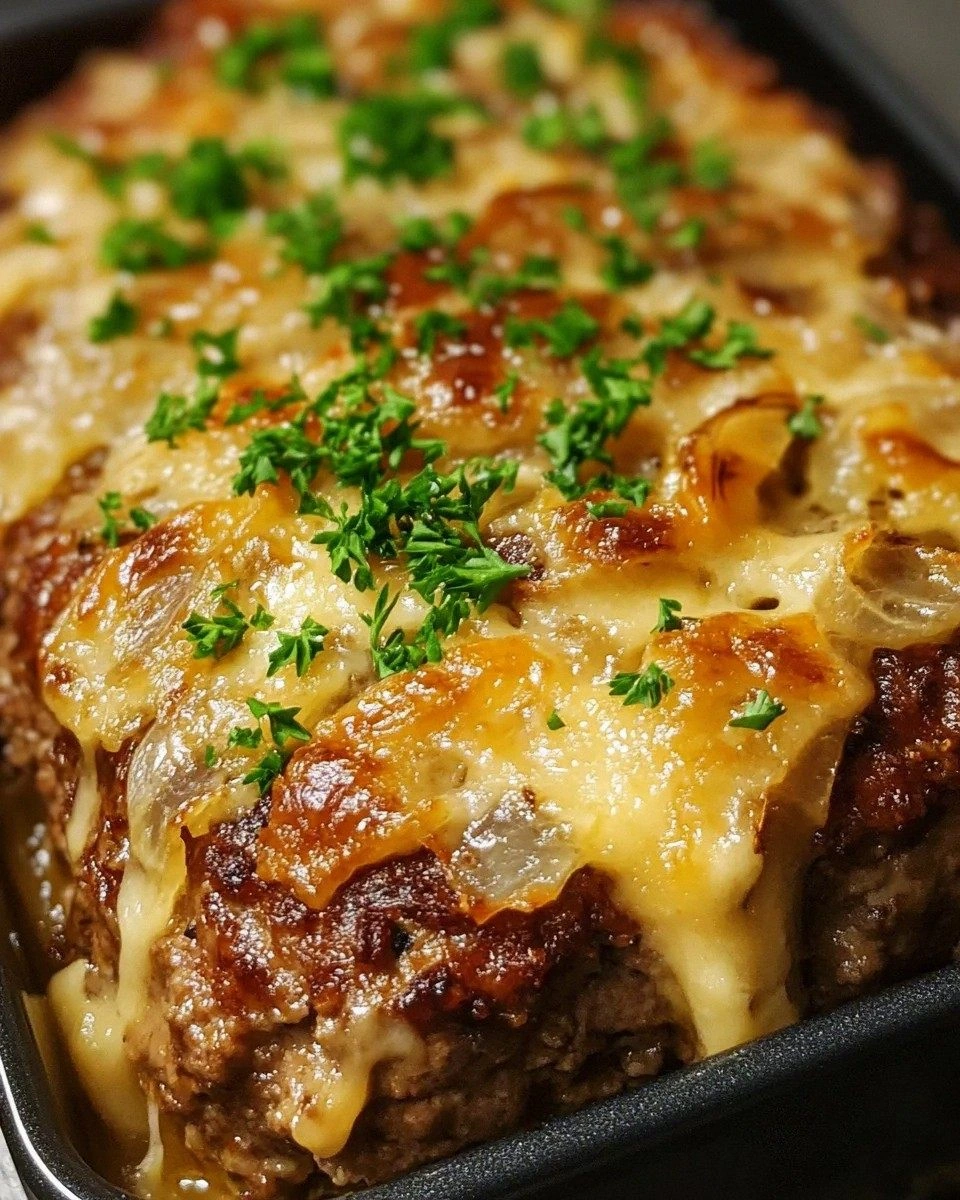
I still remember the night I nearly burned my kitchen to the ground while trying to recreate a bowl of Bun Rieu I’d seen on a late‑night vlog. The pot was boiling, the broth was too salty, and the noodles were either soggy or rubbery. I stared at the simmering mess, feeling a mix of frustration and excitement, and I whispered to myself, “I’m going to make this right.” That moment sparked a culinary obsession that led me to dig through every Vietnamese cookbook, talk to street vendors, and finally settle on a version that feels like a hug from a grandma who’s perfected the dish for generations.
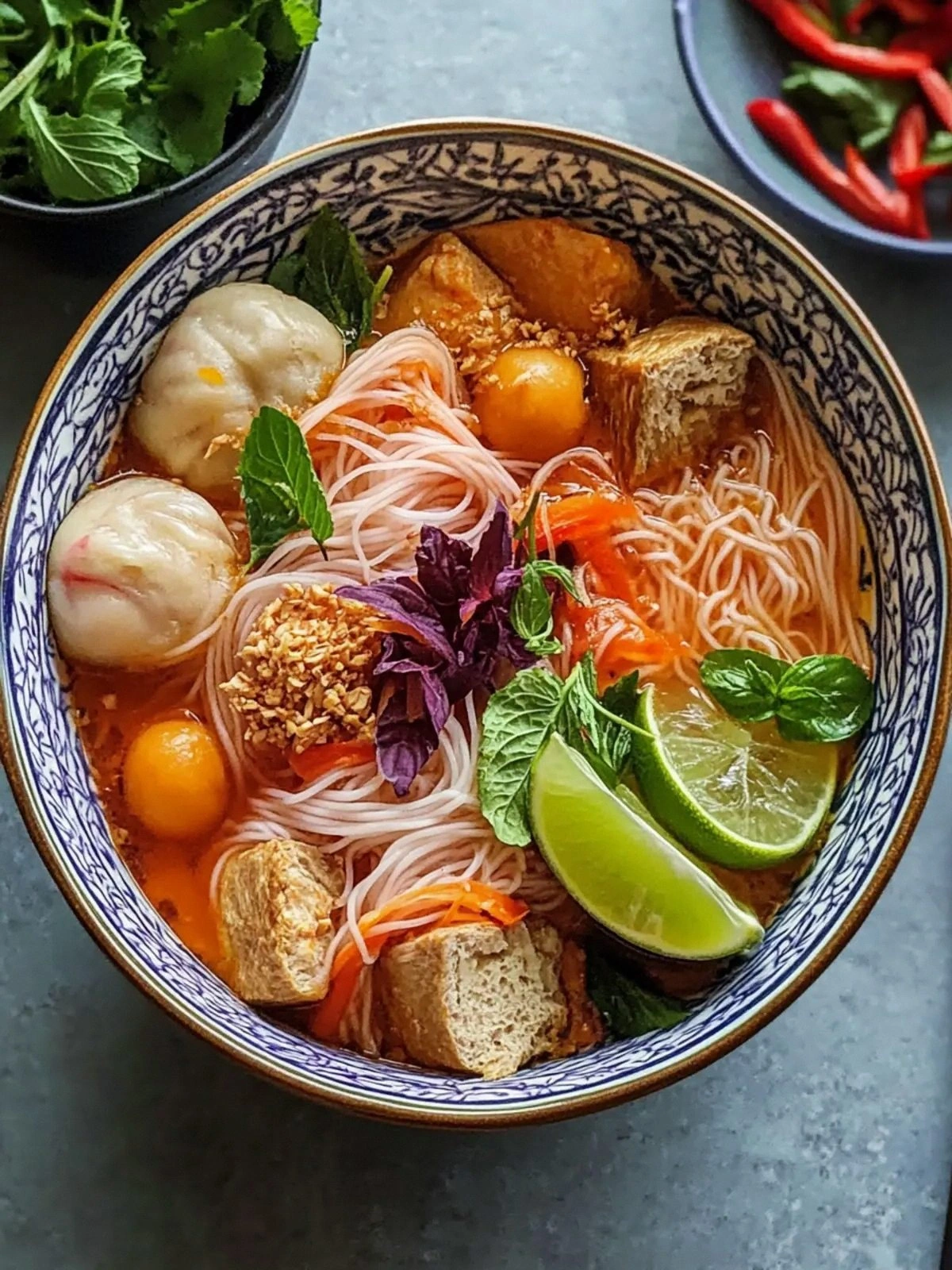
Picture this: a steaming bowl of broth that smells like the ocean and the forest at once, with a faint citrus tang that wakes your senses. The moment the noodles hit the surface, they release a soft, silky snap that sounds like a gentle applause. The first spoonful is a symphony—crab paste’s subtle sweetness, the savory depth of pork, the bright zing of lime, and the gentle heat of chili powder dancing on the tongue. The texture is a perfect balance: tender pork, silky noodles, crunchy green onions, and the occasional burst of dried shrimp that pops like a tiny fireworks show.
What sets this recipe apart is the way each component is treated with love and precision. The pork shoulder isn’t just simmered; it’s first seared to lock in juices and then slow‑cooked until it practically falls off the bone. The broth is clarified, not just simmered, to achieve a crystal‑clear clarity that showcases every ingredient. The crab paste is blended into the broth at the very end, giving the soup a velvety richness that coats the noodles like silk. And the finish—lime, green onions, and a splash of fish sauce—creates a bright, layered finish that makes each spoonful feel like a new discovery.
I dare you to taste this and not go back for seconds. I’ll be honest—after the first bowl, I already found myself reaching for the next spoon before the bowl even emptied. Most recipes get this completely wrong by over‑cooking the noodles or under‑seasoning the broth. Here’s what actually works: a balanced broth, a gentle simmer, and a final burst of freshness. Picture yourself pulling this out of the pot, the whole kitchen smelling incredible, and your friends or family lining up for a second plate. Let me walk you through every single step—by the end, you’ll wonder how you ever made it any other way.
What Makes This Version Stand Out
- Depth of Flavor: Every ingredient is layered so that the broth is complex yet harmonious. The pork shoulder’s slow cooking releases gelatin, giving the broth a silky mouthfeel that is hard to replicate with quick‑cook methods.
- Texture Harmony: The vermicelli is cooked to al dente perfection, providing a subtle chew that contrasts with the tender pork and the crispness of fresh green onions.
- Simplicity in Technique: Despite the depth, the method is straightforward—no need for fancy equipment or exotic ingredients. All you need is a pot, a few pantry staples, and a little patience.
- Ingredient Quality: Using bone‑in pork shoulder and fresh crab paste elevates the dish beyond a typical instant‑mix version. The dried shrimp adds umami without overpowering.
- Make‑Ahead Friendly: The broth can be prepared a day ahead, allowing the flavors to meld. When you reheat, a splash of water restores the broth’s original consistency.
- Audience Appeal: This version is crowd‑pleasing; it works for family dinners, potlucks, or a quiet evening with friends. The bright finish makes it feel celebratory.
Alright, let’s break down exactly what goes into this masterpiece…
Inside the Ingredient List
The Flavor Base
The broth is the heart of Bun Rieu. Start with 4 cups of high‑quality chicken broth; the richer it is, the more depth you’ll get. Add 1 teaspoon of salt early on to season the liquid before the pork adds its own saltiness. The dried shrimp, soaked in warm water for 10 minutes, releases a subtle briny note that is essential for authenticity. If you’re missing dried shrimp, a teaspoon of fish sauce can serve as a decent substitute, but the texture will differ.
The pork shoulder bone‑in is the star. It brings a natural gelatinous quality that thickens the broth without needing extra starch. If you’re in a hurry, you can use pork belly, but the flavor will lean more fatty and less hearty. A quick sear before simmering caramelizes the surface, creating a flavor profile that’s both sweet and savory.
The Texture Crew
The vermicelli noodles are the canvas that carries every flavor. Cook them al dente, then rinse under cold water to stop the cooking process. They should be firm enough to hold their shape in the broth but soft enough to give a gentle bite. If you prefer a thicker noodle, try rice sticks or even thin egg noodles for a different mouthfeel.
The eggs are whisked lightly and then poured into the simmering broth in a slow, steady stream, creating delicate ribbons that float like clouds. If you’re looking for a richer texture, you can add a splash of coconut milk, but that will change the flavor profile significantly.
The Unexpected Star
Crab paste is the secret sauce that gives Bun Rieu its signature umami kick. It’s a blend of crab meat, sugar, and seasoning, and it dissolves quickly into the broth, giving it a silky, slightly sweet finish. If you can’t find crab paste, fresh crab meat or a small amount of crab sauce can work, but the flavor will be less intense.
The tomatoes bring acidity and a burst of sweetness that cuts through the richness. Slice them into wedges so they release their juices slowly, infusing the broth without becoming mushy. If you’re using canned tomatoes, opt for whole peeled ones and crush them gently to maintain texture.
The Final Flourish
Green onions and lime are the finishing touches that add brightness and a fresh, herbal note. Chop the green onions finely so they release their flavor quickly. Squeeze the lime just before serving to preserve its citrus oils. A sprinkle of chili powder gives a gentle heat that lingers on the palate.
Everything’s prepped? Good. Let’s get into the real action…
The Method — Step by Step
- Heat a large stockpot over medium heat and add the pork shoulder bone‑in. Sear the pork on all sides until a deep brown crust forms; this caramelization locks in flavor and creates a golden base for the broth. The sizzle should be audible, like a tiny applause. Once seared, remove the pork and set aside.
- In the same pot, add the diced yellow onion and dried shrimp. Sauté until the onion is translucent and the shrimp releases its aroma, about 3–4 minutes. The onions should be soft but not browned, maintaining their natural sweetness.
- Return the pork to the pot, pour in 4 cups of chicken broth, and add 1 teaspoon of salt. Bring the mixture to a gentle boil, then reduce to a simmer. Cover loosely to allow steam to escape, and let it cook for 45 minutes; this slow simmer extracts gelatin and creates a silky broth.
- While the pork simmers, whisk the 2 tablespoons of fish sauce with 1 teaspoon of chili powder in a small bowl. Set aside. This mixture will add a burst of umami and heat later.
- After the pork has cooked, remove it from the pot and shred the meat with two forks. Return the shredded pork to the broth, ensuring it is fully submerged. This step ensures every spoonful has that melt‑in‑your‑mouth pork flavor.
- Add the 100 grams of crab paste to the pot, stirring until it’s fully dissolved. The crab paste should coat the broth like a velvet coat, giving it a rich, slightly sweet undertone. Let it simmer for another 5 minutes.
- Introduce the tomatoes, sliced into wedges, and let them cook until they release their juices but remain intact. The tomatoes should soften without turning mushy, preserving their bright color and flavor.
- Stir in the whisked fish sauce and chili powder mixture, tasting as you go to ensure the broth is balanced. If it feels too acidic, a pinch of sugar can help mellow the acidity.
- Whisk the 2 large eggs lightly and pour them slowly into the simmering broth in a steady stream, creating thin ribbons that float like clouds. Let the eggs cook for 1–2 minutes until they set but remain silky.
- Meanwhile, cook the vermicelli noodles according to package instructions, but stop just before they’re fully cooked. Rinse under cold water to halt the cooking process and prevent them from becoming mushy. Drain well and set aside.
That’s it— you did it. But hold on, I’ve got a few more tricks that will take this to another level. The next section is all about insider tips that will ensure each bite is flawless.
Insider Tricks for Flawless Results
The Temperature Rule Nobody Follows
Keep the broth at a low, steady simmer rather than a rolling boil. This slow heat allows the gelatin from the pork to fully dissolve, giving the broth its silky texture. A rolling boil can break down the delicate flavors and cause the broth to become cloudy. If you notice the pot bubbling vigorously, reduce the heat immediately.
Why Your Nose Knows Best
The aroma is a reliable indicator of readiness. When the broth smells fragrant and slightly sweet, with a hint of umami, it’s time to add the crab paste. If the scent is too sharp or the shrimp smell dominates, give it another 5 minutes to mellow. Trust your nose; it will guide you to the perfect balance.
The 5‑Minute Rest That Changes Everything
After removing the pork, let the pot rest for 5 minutes before shredding. The residual heat will help the meat relax, making it easier to pull apart. This short rest also allows the flavors to meld further, resulting in a more cohesive broth.
The Perfect Egg Ribbon
Whisk the eggs with a pinch of salt and a splash of cold water before pouring them into the broth. This technique creates smooth, fine ribbons that float gracefully. If you prefer a thicker texture, whisk the eggs more vigorously for a slightly thicker consistency.
The Lime Timing Trick
Squeeze lime into the bowl just before serving. The citrus oils evaporate quickly, so adding it too early can diminish the bright flavor. A quick squeeze right before eating preserves the lime’s freshness and complements the broth’s richness.
Creative Twists and Variations
This recipe is a playground. Here are some of my favorite ways to switch things up:
Spicy Sriracha Kick
Add a tablespoon of sriracha to the broth for a fiery punch. The heat complements the crab paste’s sweetness, creating a bold flavor profile that’s perfect for heat lovers.
Mushroom Umami Boost
Sauté sliced shiitake mushrooms with the onions before adding the broth. The mushrooms add earthy depth and a meaty texture that pairs well with the pork.
Coconut Cream Finish
Stir in a quarter cup of coconut milk after the broth has simmered. The creamy addition softens the acidity of the tomatoes and adds a tropical twist.
Herbal Garden Garnish
Top the finished bowl with fresh basil, cilantro, or mint. The herbs introduce a fresh, aromatic layer that brightens the dish and offers a different aroma.
Vegetarian Version
Replace the pork with diced tofu and use vegetable broth. Add extra dried shrimp or a splash of soy sauce for umami. The result is a lighter, plant‑based version that still delivers the signature flavor.
Breakfast Bowl
Serve the broth over a bowl of rice instead of vermicelli and add a fried egg on top. The savory broth makes a hearty breakfast that keeps you satisfied all day.
Storing and Bringing It Back to Life
Fridge Storage
Cool the broth to room temperature, then transfer it to a sealed container. Store in the refrigerator for up to 3 days. The flavors will continue to develop, making it even more delicious the next day.
Freezer Friendly
Divide the broth into individual portions in freezer‑safe containers or freezer bags. Label with the date and freeze for up to 2 months. Thaw overnight in the refrigerator before reheating.
Best Reheating Method
Reheat the broth on low heat, adding a splash of water or broth to restore the original consistency. Stir gently and bring to a gentle simmer, but avoid a rolling boil to preserve the delicate flavors.