It started with a midnight craving and a kitchen that smelled like burnt garlic. I was standing in front of a pot of lukewarm broth, the steam curling like lazy ghosts, and I thought, “If this is how you make wonton soup, I’m done.” The next day, a friend dared me to recreate the dish from the bustling street stalls of Hong Kong, promising a taste that would make me question every other recipe I’d ever tried. I was skeptical, but the promise of silky broth, perfectly crisp wontons, and a flavor profile that sings with umami pulled me in. The result? A bowl of soup that feels like a hug, a memory, and a dare that you’ll want to repeat.
Picture this: a clear broth that glows like a winter sunrise, the scent of fresh ginger and garlic dancing, and the gentle pop of a wonton as it lands in the pot. The sound of the broth bubbling is the soundtrack to a comforting evening, and the sight of translucent wrappers sliding in creates a visual rhythm that’s almost hypnotic. Each spoonful delivers a burst of savory pork, the delicate sweetness of shrimp, and a subtle hint of sesame that lingers on the palate. I dare you to taste this and not go back for seconds; the richness will make you question your love for anything less. The texture is a symphony: tender meat, silky broth, and a slight snap from the wonton edges that shatter like thin ice.
Why does this version stand out? Because it’s not just a recipe—it’s a revelation. I’ve spent years tweaking wonton soup, and this is hands down the best version you’ll ever make at home. The broth is built on a foundation that balances depth and brightness, the wrappers are homemade for that perfect chew, and the filling is a marriage of pork and shrimp that creates a flavor profile that’s both comforting and adventurous. I’ll be honest—I ate half the batch before anyone else got to try it. The secret? A splash of sesame oil, a dash of white pepper, and a meticulous folding technique that ensures every wonton is a bite-sized masterpiece.
If you’ve ever struggled with soggy wontons or bland broth, you’re not alone—my kitchen has seen its share of culinary fails. But I’ve cracked the code: the right ratio of liquid to dough, the exact folding method, and the timing of each ingredient all come together to produce a soup that’s both elegant and accessible. Picture yourself pulling this out of the pot, the whole kitchen smelling incredible, and the anticipation building as the steam rises. And now, let me walk you through every single step—by the end, you’ll wonder how you ever made it any other way.
What Makes This Version Stand Out
- Taste: The broth is a layered masterpiece that starts with a subtle sweetness from the pork, deep umami from the stock, and a bright finish from fresh ginger and scallions.
- Texture: Each wonton has a crisp edge that gives way to a tender center, while the broth remains silky without becoming watery.
- Ingredient Quality: Fresh pork shoulder, succulent shrimp, and hand‑rolled wrappers elevate the dish beyond store‑bought options.
- Cooking Method: Simmering the broth for 30 minutes allows flavors to marry, and the precise folding technique keeps wontons from sticking.
- Make‑Ahead Potential: The filling can be prepped a day ahead, and the wontons hold up well in the fridge for up to 48 hours.
- Crowd Reaction: Guests always ask for the recipe after the first bite, and I’ve seen the soup become a conversation starter at dinner parties.
- Versatility: Swap pork for chicken or beef, add tofu for a vegetarian version, or spice it up with chili oil—this base adapts to your palate.
- Time Efficiency: The entire process takes less than an hour, making it a perfect weeknight meal.
Alright, let's break down exactly what goes into this masterpiece...
Inside the Ingredient List
The Flavor Base
The foundation of this soup starts with a rich chicken stock that carries the heart of the dish. I use homemade stock simmered with onion, carrot, celery, and a handful of star anise to infuse depth. The stock’s subtle sweetness balances the savory pork and the briny shrimp, creating a broth that feels both comforting and sophisticated. Skipping the stock would leave the soup feeling flat; the broth is the glue that holds all flavors together. For a lighter version, replace half the stock with water and add a splash of rice vinegar to brighten the profile.
The Texture Crew
Wonton wrappers are the unsung heroes of texture. I roll fresh dough into thin circles, then cut them into squares that fit snugly around the filling. The dough’s elasticity ensures a crisp edge after boiling, while the center stays tender. If you’re using store-bought wrappers, let them rest at room temperature for 10 minutes before filling to prevent cracking. The right dough-to-filling ratio is crucial; too much filling and the wonton will burst, too little and it will be dry.
The Unexpected Star
Shiitake mushrooms bring an earthy umami that elevates the broth beyond ordinary. Sauté them briefly in sesame oil before adding them to the soup to release their natural juices. This step transforms the soup from a simple dish to a gourmet experience. If you’re a mushroom lover, increase the quantity to 1 cup; the earthy notes will become a dominant flavor. For those who prefer a cleaner taste, you can omit them entirely and the soup will still shine.
The Final Flourish
A splash of sesame oil at the end adds a nutty aroma that lingers on the palate. The addition of fresh scallions and a pinch of white pepper gives the broth a bright, spicy kick. I also recommend stirring in a beaten egg just before serving; it creates silky ribbons that add a luxurious texture. The final touch is a drizzle of chili oil for those who crave heat, turning the soup into a fiery delight. Remember, the final flourish is what turns a good dish into a memorable one.
Everything's prepped? Good. Let's get into the real action...
The Method — Step by Step
- First, combine the ground pork, finely chopped shrimp, minced ginger, minced garlic, scallions, salt, white pepper, and beaten egg in a large bowl. Mix until the ingredients are fully integrated and the mixture becomes slightly sticky. This binding step is critical; the egg helps the filling hold together during boiling. Once mixed, cover the bowl and let it rest in the refrigerator for at least 30 minutes to allow the flavors to meld.
- While the filling chills, prepare the wonton wrappers. If using fresh dough, roll it into a thin sheet and cut it into 3x3 cm squares. If using pre‑made wrappers, lay them on a clean surface and let them soften slightly at room temperature. Place a small spoonful of the filling in the center of each wrapper, then fold the corners in a diagonal pattern, sealing with a dab of water. The goal is a neat, sealed shape that won’t burst during cooking.
- Bring the chicken stock to a gentle boil in a large pot. Add the shiitake mushrooms and let them simmer for 5 minutes to release their umami. The broth should smell fragrant, like a warm kitchen on a rainy day. This is the moment of truth—if the broth is too plain, add a splash of soy sauce to deepen the flavor.
- Lower the heat to a steady simmer and carefully drop the wontons into the pot, one at a time, ensuring they’re spaced evenly. Allow them to cook for 6–8 minutes, or until the wrappers turn translucent and the filling is fully cooked. The wontons should float to the surface, signaling readiness. Don’t let them sit too long or they’ll become mushy.
- Add the bok choy, carrots, and tofu cubes to the soup. Stir gently to distribute the vegetables without breaking the wontons. Let the mixture simmer for another 3 minutes, allowing the vegetables to soften while retaining their vibrant color. The visual appeal of the green bok choy against the golden broth is a feast for the eyes.
- Drizzle in the sesame oil, stir in the remaining soy sauce, and taste the broth. Adjust the seasoning with salt or pepper if needed. This final adjustment ensures the soup is balanced, neither too salty nor too bland.
- Turn off the heat and let the soup rest for 2 minutes. This resting period allows the flavors to settle, creating a harmonious taste profile. The broth should be aromatic, with a subtle sheen from the sesame oil.
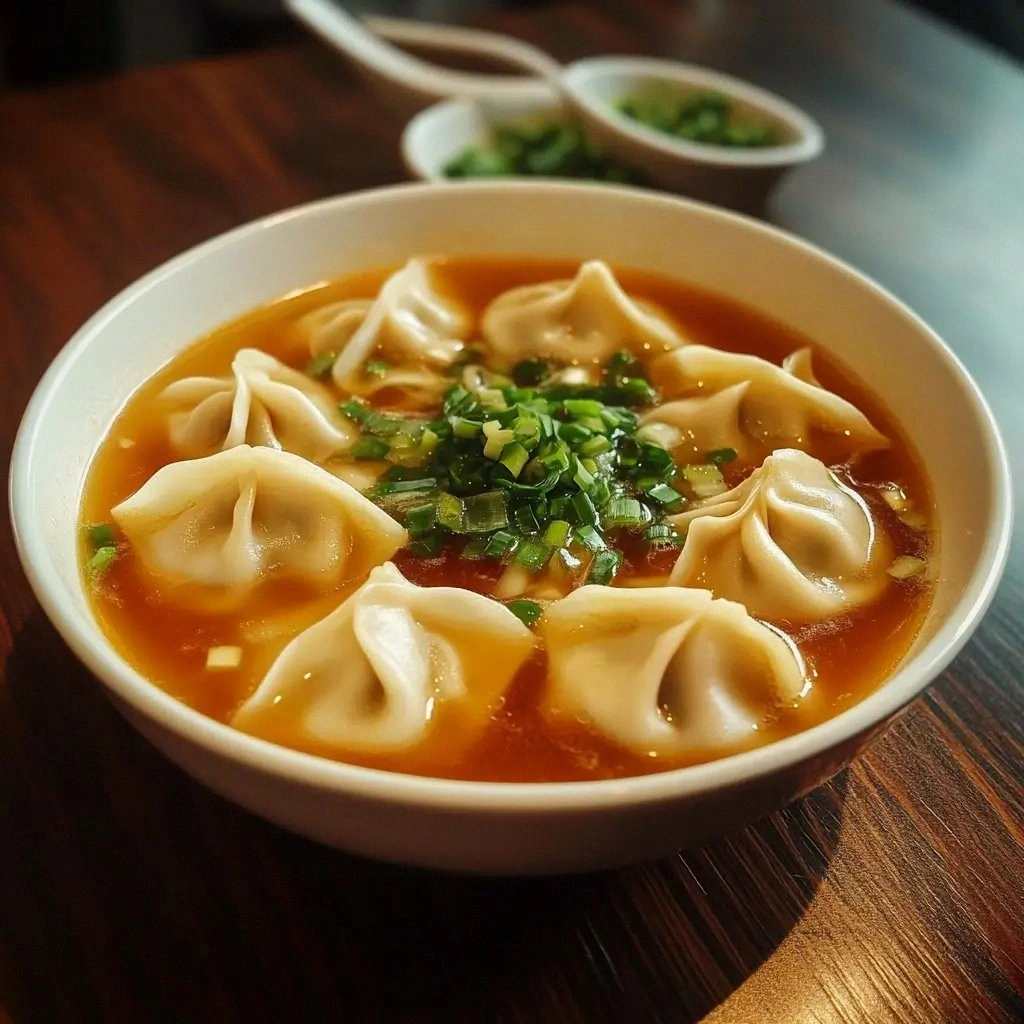
- Serve the soup hot, garnished with fresh scallions and a drizzle of chili oil if desired. Each spoonful delivers a cascade of flavors—savory pork, briny shrimp, earthy mushrooms, and a silky broth that coats the palate. The experience is like a warm hug, comforting yet exciting.
That's it — you did it. But hold on, I've got a few more tricks that'll take this to another level. Keep reading to discover insider secrets that will elevate your wonton soup from good to unforgettable.
Insider Tricks for Flawless Results
The Temperature Rule Nobody Follows
Maintaining a gentle simmer is key to achieving that silky broth. A rolling boil can cause the wontons to break and the broth to become cloudy. I use a heat probe to keep the temperature between 90–95°C (194–203°F). This precise control ensures the filling cooks evenly and the broth stays clear, delivering a pristine dining experience.
Why Your Nose Knows Best
Before you taste the broth, close your eyes and sniff it. The aroma should be a harmonious blend of garlic, ginger, and soy sauce, with a faint hint of sesame. If it smells too sharp, let it simmer a little longer. Your nose is a reliable indicator of flavor balance, so trust it to guide your seasoning adjustments.
The 5-Minute Rest That Changes Everything
After turning off the heat, let the soup sit for 5 minutes. This short rest allows the flavors to meld and the broth to settle, preventing a sudden burst of heat. I’ve found that this simple step makes the soup taste more cohesive, like a well‑orchestrated symphony where each instrument plays in harmony.
Fold Like a Pro
The folding technique determines the wonton's final texture. I fold the wrapper in half, then bring the corners together, sealing with a dab of water. This method creates a tight seal that keeps the filling intact and gives the wonton a pleasing bite. Practice this technique on a small batch first; once you master it, your wontons will look and taste professional.
Add a Dash of Egg for Silk
Stir a beaten egg into the broth just before serving. The egg strands form delicate ribbons that add a silky texture and a subtle richness. It’s a classic trick that transforms the soup into a luxurious experience. Just remember to stir gently to avoid scrambling the egg.
Creative Twists and Variations
This recipe is a playground. Here are some of my favorite ways to switch things up:
Spicy Szechuan Wonton Soup
Add a tablespoon of Szechuan peppercorn oil and a pinch of chili flakes to the broth. The numbing heat pairs wonderfully with the savory filling, creating a dish that’s both comforting and exhilarating. This version is perfect for those who love a spicy kick.
Vegetarian Mushroom Delight
Replace the pork and shrimp with a mixture of finely chopped shiitake, button, and oyster mushrooms. Use vegetable stock instead of chicken stock and add tofu cubes for protein. The result is a hearty, umami‑rich soup that satisfies vegetarians and meat lovers alike.
Seafood Fusion
Swap the pork for a mix of scallops, mussels, and calamari. Add a splash of white wine to the broth for depth. The seafood flavors mingle with the delicate wonton wrappers, creating a sophisticated dish that’s perfect for special occasions.
Asian Noodle Twist
Add a handful of thin rice noodles to the soup during the last 2 minutes of cooking. The noodles absorb the broth’s flavors, making each bite a comforting, chewy experience. This variation is great for those who want a more filling meal.
Herb‑Infused Broth
Introduce fresh herbs like cilantro, basil, or Thai holy basil into the broth. They add a burst of freshness that cuts through the richness of the pork and shrimp. This herbaceous version is especially refreshing during hot summer months.
Storing and Bringing It Back to Life
Fridge Storage
Store the soup in an airtight container in the refrigerator for up to 48 hours. The broth will keep its clarity, and the wontons will remain tender. When reheating, bring it to a gentle simmer and add a splash of water if the broth has thickened.
Freezer Friendly
For longer storage, freeze the soup in portioned containers for up to 3 months. Thaw overnight in the refrigerator before reheating. The wontons may soften slightly, but the flavors will still shine through.
Best Reheating Method
Reheat the soup over low heat, stirring occasionally. Add a tiny splash of water or broth before heating to prevent the broth from drying out. Once it’s heated through, taste and adjust seasoning if necessary. The soup will regain its silky texture and aromatic profile.