I still remember the first time I attempted to make whipped feta. It was a disaster of epic proportions—grainy, salty clumps that looked like something you'd find at the bottom of a forgotten container. My guests politely picked at it while I died a thousand deaths inside. Fast forward three years, and here I am, practically evangelizing about the silkiest, dreamiest whipped feta you'll ever taste, topped with those gorgeous candy-sweet roasted beets and crunchy pistachios that make this dish look like edible jewelry.
Picture this: It's 2 AM on a Tuesday, and I'm standing in my kitchen in my pajamas, blender whirring like a jet engine. The neighbors probably think I've lost my mind, but I'm on a mission. You see, I'd just come back from this tiny little Greek restaurant where they served something similar, and I couldn't stop thinking about it. The way the tangy feta melted on my tongue, how those earthy beets played against the creamy base, and oh—that satisfying crunch of pistachios. I needed to crack the code, and I needed to do it right then.
After what felt like a hundred attempts (and a very patient husband who ate more failed versions than any human should), I finally nailed it. The secret isn't just throwing feta in a food processor and hoping for the best—anyone who's tried that knows you end up with something that resembles wet sand more than silk. No, the magic happens when you understand that feta needs a dance partner, something to coax it into that cloud-like state we're after. And when you pair it with those jewel-toned beets that have been slowly roasting until they become concentrated little nuggets of sweetness, plus those emerald pistachios that add the perfect textural contrast? Well, that's when the angels start singing.
This isn't just another dip recipe, my friend. This is the kind of appetizer that makes people cancel their dinner plans and hover around your kitchen island. The kind that has your mother-in-law asking for the recipe before she's even finished her first bite. The kind that you'll find yourself making at midnight because the craving hits. And here's the kicker—it's actually stupidly simple once you know the tricks. Let me walk you through every single step — by the end, you'll wonder how you ever made it any other way.
What Makes This Version Stand Out
Silk-Smooth Texture: We're talking cloud-like, pillowy smoothness that spreads like cream cheese but tastes like a Mediterranean dream. The secret lies in the specific ratio of feta to cream cheese, plus one unexpected ingredient that transforms everything. Most recipes leave you with grainy, broken feta that separates faster than oil and water.
Beet Perfection: These aren't just any roasted beets. We roast them low and slow until they become concentrated candy-like gems that burst with sweet earthiness. The edges caramelize into chewy bits that'll have you sneaking pieces straight off the pan.
Pistachio Crunch That Lasts: Nobody likes soggy nuts. We toast them to golden perfection and add them at just the right moment so they stay crunchy even hours later. That contrast against the creamy base is what separates good from legendary.
Flavor Balance That Actually Works: Most whipped feta recipes taste like you're licking a salt block. This version balances the salt with honey, lemon, and those sweet beets to create something you'll actually want to keep eating.
Make-Ahead Magic: Unlike those temperamental dips that separate faster than middle school couples, this one actually gets better overnight. The flavors meld into something transcendent, making it perfect for entertaining.
Instagram-Ready Without Trying: That gorgeous pink swirl from the beet juice mixing with the white feta? Pure food porn. Your guests will think you hired a food stylist, but really, it just naturally looks that stunning.
Alright, let's break down exactly what goes into this masterpiece...
Inside the Ingredient List
The Flavor Base
The feta is obviously the star here, but not all feta is created equal. Greek sheep's milk feta is what you want—it's creamier, less aggressive, and melts into silk better than the cow's milk stuff. Avoid the pre-crumbled junk that sits in sad plastic tubs; it has anti-caking agents that'll sabotage your smooth texture. Look for blocks packed in brine, ideally imported from Greece. Yes, it costs more, but this is the foundation of your entire dish. Skimp here and you'll taste it in every bite.
Cream cheese might seem like an odd addition, but it's the unsung hero that transforms gritty feta into spreadable luxury. Don't you dare reach for the low-fat version—we need that full-fat richness to create the emulsion that holds everything together. Room temperature is crucial here; cold cream cheese won't incorporate properly and you'll end up with little white flecks throughout. If you're dairy-free, you could try vegan cream cheese, but honestly, maybe just make hummus instead.
The olive oil you use matters more than you think. A peppery, grassy extra virgin oil adds layers of flavor that cheap stuff can't touch. Think of it as the difference between a $10 bottle of wine and a $30 one—both get you drunk, but only one makes you close your eyes and sigh. About two tablespoons is all you need; too much and your feta will taste like a Greek salad dressing.
The Texture Crew
Heavy cream is what takes this from good to outrageous. Just a splash helps everything whip up lighter than air. The fat content is key—anything less than 35% won't give you that luxurious mouthfeel. And please, for the love of all that's holy, don't substitute with milk or half-and-half. This is not the place to save calories. If you must, you could use Greek yogurt, but expect a tangier, less rich result.
Garlic adds depth without screaming its presence. One small clove, microplaned into oblivion, disperses throughout the dip instead of hitting you with a garlicky punch. Roasted garlic works too if you want something sweeter and more mellow. Skip the jarred stuff—it's got a weird acidity that'll throw off the whole balance. And if you're one of those people who claims they can't digest garlic, a pinch of garlic powder is acceptable but not ideal.
The Unexpected Star
Lemon juice brightens everything and cuts through the richness. Fresh is non-negotiable; that bottled stuff tastes like cleaning products. Just a teaspoon or two—too much and you'll curdle the cream. The zest is where the real magic lives, packed with essential oils that perfume the whole dip. If you're feeling fancy, Meyer lemons add a sweeter, more floral note that's absolutely killer.
Honey might seem weird in a savory dip, but it's the bridge that connects all the flavors. It softens the feta's aggressive saltiness and makes the beets taste beet-ier. Use a mild, floral honey—buckwheat or chestnut honey would overpower everything. A tiny drizzle is all you need; this isn't dessert. Agave works in a pinch, but you'll miss that subtle complexity honey brings.
The Final Flourish
Beets are what make this dish visually stunning and add that earthy sweetness. Chioggia beets create gorgeous candy-cane stripes, but golden beets are milder and won't stain everything pink. Look for small to medium beets—they're sweeter and roast faster. Save the beet greens! Sautéed with garlic and olive oil, they're better than any kale.
Pistachios need to be the good stuff—bright green, not those sad grey ones that taste like cardboard. Toast them yourself; pre-toasted nuts are usually overdone and bitter. Rough chop them so you get nice chunks, not dusty crumbs. Salted pistachios work, but adjust the feta accordingly. If nuts aren't your thing, toasted pumpkin seeds give a similar crunch with a different flavor profile.
Everything's prepped? Good. Let's get into the real action...
The Method — Step by Step
- Start by cranking your oven to 400°F—hot enough to caramelize those beets but not so hot they'll burn before they cook through. While it heats, scrub your beets clean but don't peel them yet. The skin protects them during roasting and slips off easier afterward. Cut off the greens, leaving about an inch of stem attached so they don't bleed out all their sweetness. Wrap each beet individually in foil with a tiny drizzle of olive oil and a pinch of salt—think of it as a sauna that concentrates their sugars.
- Roast those beauties for 45-60 minutes, depending on their size. You'll know they're done when a skewer slides in with zero resistance, like butter that's been left on the counter. The kitchen will start smelling like candy—this is when you know magic is happening. Let them cool until you can handle them, then rub off the skins with paper towels. Don't rinse them; you'll wash away that concentrated flavor. Dice them into small cubes, about the size of your thumbnail.
- Now for the fun part—whipped feta time! Crumble your feta into a food processor and pulse it a few times until it looks like coarse sand. Add the cream cheese in chunks, the garlic, lemon juice, and honey. Process for about 30 seconds until it starts coming together but still looks rough. This is where most people go wrong—they just let it rip and wonder why it's grainy.
- With the processor running, drizzle in olive oil and cream through the feed tube. Watch closely as it transforms from a chunky mess into something that looks like pale pink clouds. Stop and scrape down the sides—feta loves to hide in corners. Process another 30 seconds until it's lighter than air and smooth as silk. Taste it now and adjust the seasoning; you might need more honey depending on your feta's saltiness.
- Toast your pistachios in a dry skillet over medium heat, shaking constantly. This takes about 3-4 minutes, and they go from perfect to burnt faster than you can say "oops." You'll smell when they're ready—nutty and fragrant. Let them cool completely before chopping; hot nuts get oily and lose their crunch.
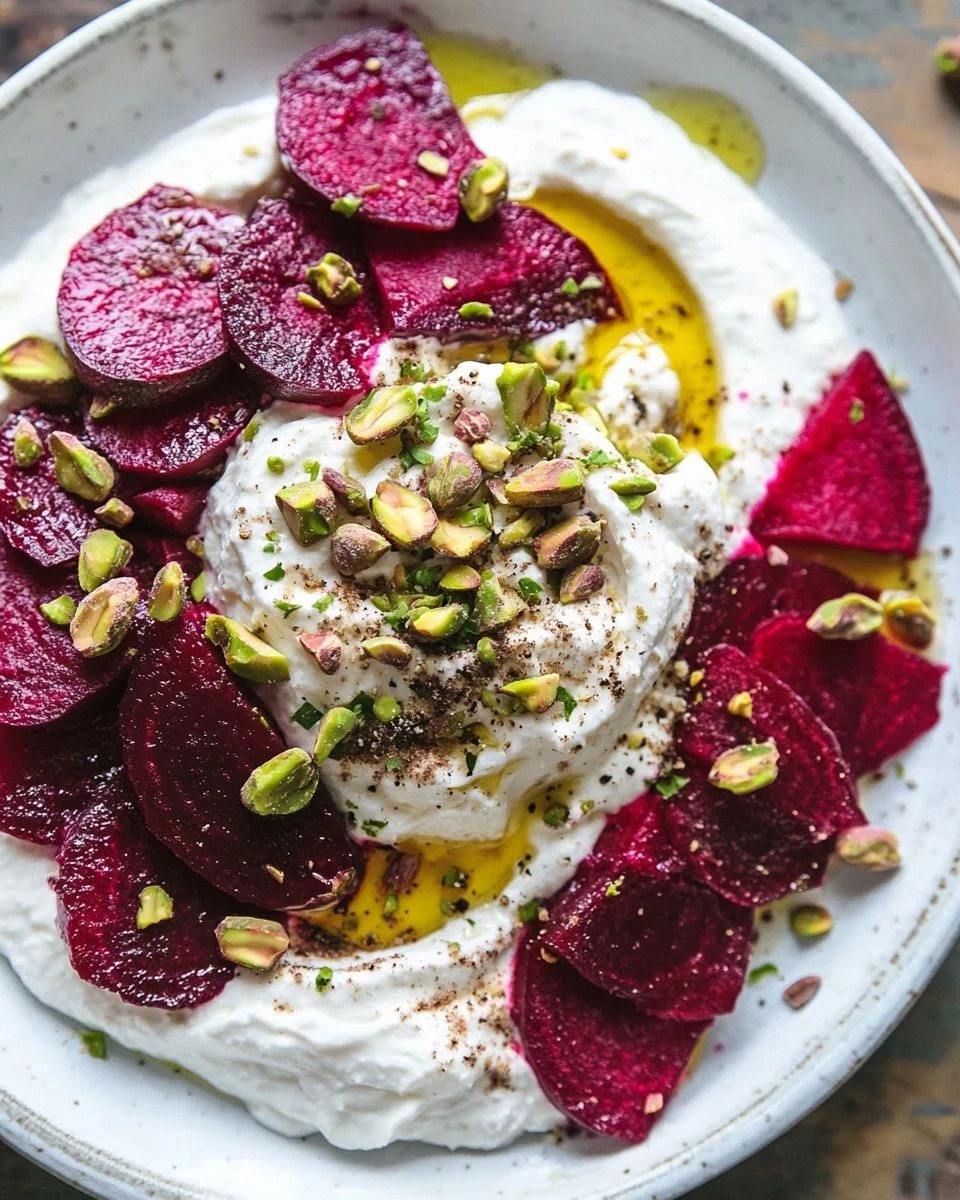
- Time to assemble! Spread your whipped feta in a swoopy pattern on your serving plate—don't just dump it in a pile. Create valleys and peaks that'll catch the beets and pistachios. Scatter the roasted beets artistically, then shower with chopped pistachios. Finish with a drizzle of good olive oil and maybe some fresh herbs if you're feeling fancy.
- The final flourish makes all the difference. A crack of black pepper, maybe some microgreens for color, or even a few beet greens quickly sautéed in garlic. Serve with warm pita, cucumber slices, or just grab a spoon and go to town. I dare you to taste this and not go back for seconds.
- That's it—you did it. But hold on, I've got a few more tricks that'll take this to another level...
Insider Tricks for Flawless Results
The Temperature Rule Nobody Follows
Room temperature ingredients aren't just a suggestion—they're the difference between success and a broken, grainy mess. Cold feta refuses to emulsify properly, leaving you with tiny cheese pebbles no matter how long you process it. Pull everything out at least an hour before you start. If you're in a rush (I see you), submerge the feta package in warm water for 15 minutes. Your cream cheese should be soft enough to leave a fingerprint when pressed. This one simple step eliminates 90% of texture issues people have with whipped feta.
Why Your Nose Knows Best
Don't rely on timers alone—your senses are more reliable than any recipe. When the beets are perfectly roasted, your kitchen will smell like someone opened a candy store. The pistachios are toasted when you can smell them from across the kitchen, about 30 seconds before they look done. And your whipped feta is perfectly seasoned when you taste it and think "I want to eat this entire bowl with a spoon." Trust these signals—they've been honed over thousands of years of cooking.
The 5-Minute Rest That Changes Everything
After you process your feta mixture, let it rest for five minutes before tasting and adjusting. The salt redistributes, the garlic mellows, and the flavors meld into something greater than their parts. This is when you decide if it needs more brightness (lemon), more sweetness (honey), or more richness (cream). Most people rush this step and end up with an unbalanced dip that tastes like a salt lick.
The Secret Weapon for Extra Creaminess
Here's what separates restaurant-quality from home-cooked: a tablespoon of ice-cold water added right at the end of processing. It sounds counterintuitive, but this tiny bit of liquid helps the emulsion stay stable and creates an even lighter texture. Professional chefs use this trick for hummus, tahini, and other dips. Just make sure your water is ice cold—warm water will break the emulsion and leave you with a sad, separated mess.
Storage That Actually Works
Pressed plastic wrap directly on the surface prevents that weird skin from forming. If you're storing overnight, add the toppings just before serving—the beets will weep pink tears into your beautiful white dip if added too early. And here's the real game-changer: freeze individual portions in ice cube trays. Thaw what you need, and you've got instant fancy appetizers for unexpected guests.
Creative Twists and Variations
This recipe is a playground. Here are some of my favorite ways to switch things up:
The Mediterranean Vacation
Swap the pistachios for toasted pine nuts and add some sun-dried tomatoes to the food processor with the feta. Finish with fresh oregano and a drizzle of the sun-dried tomato oil. Suddenly you're transported to a Greek island, even if you're in your suburban kitchen.
The Sweet Heat
Add a roasted red pepper to the feta mixture for a gorgeous pink color and sweet-smoky flavor. Replace the pistachios with spicy Marcona almonds and finish with a drizzle of hot honey. The sweet-heat combo is absolutely addictive, and the color is Instagram gold.
The Autumn Version
Roast cubes of butternut squash alongside the beets, seasoned with cinnamon and cumin. Use toasted pecans instead of pistachios and add some fresh sage leaves fried in butter. It tastes like fall in the best possible way, and the orange and purple together is stunning.
The Everything Bagel
Blend everything bagel seasoning into the feta itself, then top with smoked salmon ribbons instead of beets. Finish with capers, thin red onion slices, and fresh dill. Serve with bagel chips for the ultimate brunch appetizer that puts regular lox to shame.
The Green Goddess
Add a handful of fresh herbs—parsley, dill, chives—to the food processor for a gorgeous green-flecked dip. Top with roasted asparagus tips and toasted hazelnuts. It's spring on a plate, and the herbaceous notes make it taste incredibly fresh and light.
The Dessert Twist
Hear me out—reduce the salt, add more honey, and fold in some whipped cream. Top with roasted strawberries and candied pistachios. It becomes this weird but wonderful sweet-savory dessert that confuses and delights everyone who tries it. Think cheesecake's quirky cousin.
Storing and Bringing It Back to Life
Fridge Storage
Stored properly in an airtight container with plastic wrap pressed directly onto the surface, your whipped feta will keep for up to 5 days in the refrigerator. The flavors actually improve after the first 24 hours as everything melds together. Keep the roasted beets and pistachios separate until just before serving to maintain their texture and color. If the mixture seems to separate slightly, just give it a good stir—it's still perfectly safe to eat and tastes just as good.
Freezer Friendly
Here's the beautiful thing—this freezes like a dream. Portion it into ice cube trays for individual servings, or freeze larger portions in muffin tins. Once solid, pop them out and store in freezer bags. They'll keep for up to 3 months frozen. Thaw overnight in the refrigerator and give it a good stir before serving. The texture might be slightly less fluffy, but the flavor is identical. The roasted beets don't freeze as well—they get a bit mushy—so I recommend making fresh ones when serving previously frozen feta.
Best Reheating Method
While you don't technically reheat whipped feta (it's served at room temperature), sometimes you need to refresh leftovers. Let it come to room temperature naturally—don't microwave it or you'll end up with oily separation. If it seems thick after storing, whisk in a teaspoon of milk or cream to loosen it up. Add a tiny splash of lemon juice to brighten the flavors, and top with fresh pistachios for crunch. It'll taste as good as day one, and nobody will know it's leftovers.