Ever had that moment when you’re staring at a half‑empty pantry, a growling belly, and a craving for something that feels both exotic and comforting, and you end up ordering pizza because you’re too lazy to figure it out? I’ve been there—standing in my kitchen with a rogue can of coconut milk and a jar of green curry paste, wondering if I could conjure up a dish that would make my taste buds do a happy dance. The first attempt was a disaster: the sauce was bland, the veggies soggy, and I swear the tofu tasted like cardboard. I dared a friend to try it, and they politely declined, which only fueled my determination to crack the code.
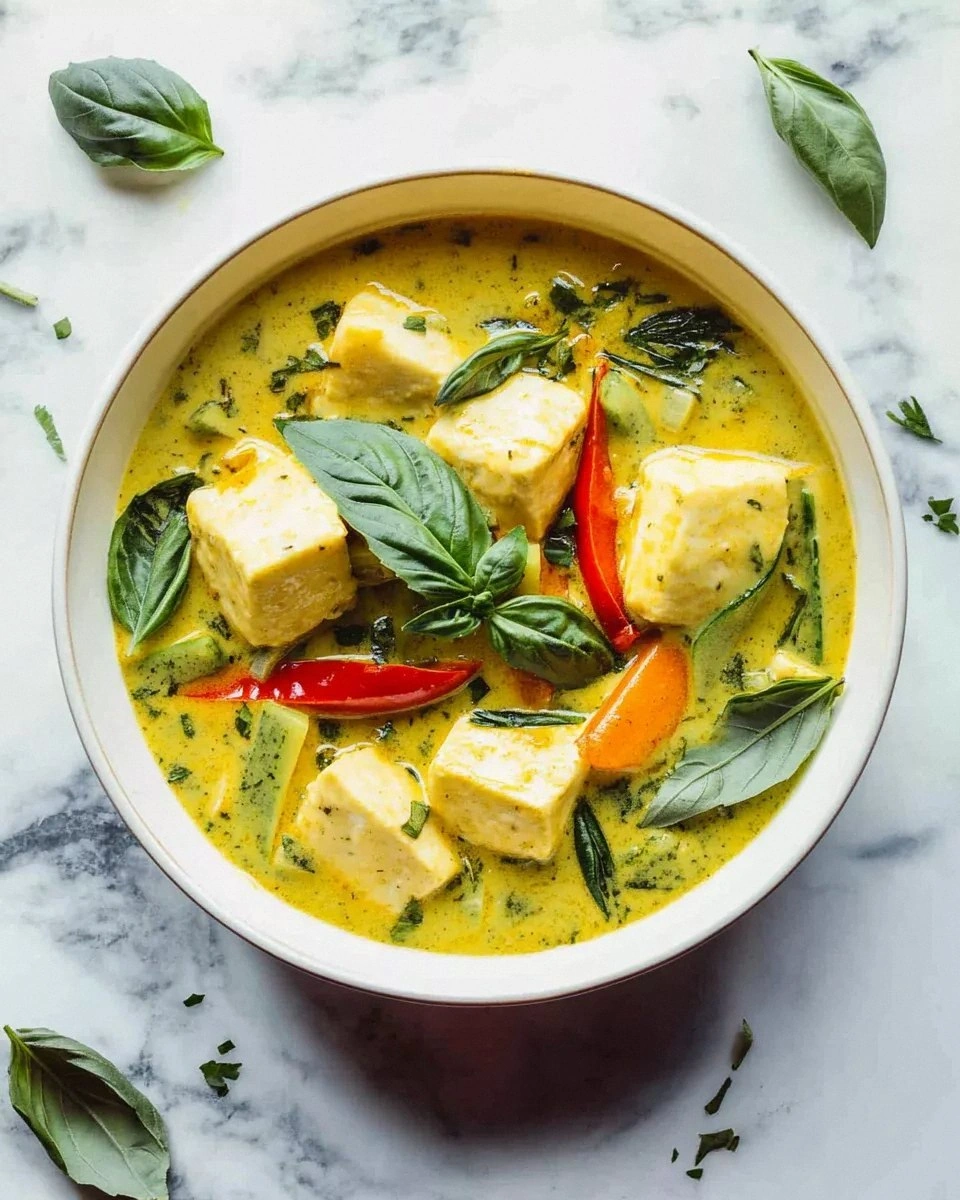
Fast forward a week later, after countless taste tests, a few kitchen mishaps (including a minor fire alarm incident when I forgot to turn down the heat), and a lot of Googling, I finally nailed the version that makes me want to shout from the rooftop. Imagine a bowl of green curry that wraps around each vegetable like a silk scarf, with the aromatic punch of fresh herbs that hits you like a gentle thunderstorm. The coconut milk is luxuriously creamy, the curry paste is bright and herbaceous, and the tofu is perfectly crisp on the outside while staying buttery inside. I dare you to taste this and not go back for seconds.
What sets this recipe apart is not just the flavor—although that’s a massive part—it’s the balance of textures, the simplicity of the steps, and a few secret tricks that most recipes completely miss. Most recipes get this completely wrong: they either drown everything in sauce or leave the veggies under‑cooked, and they never explain why a splash of lime juice at the end makes a world of difference. I’ll be honest — I ate half the batch before anyone else got to try it, because once that first spoonful hits your palate, you’re hooked.
Picture yourself pulling this out of the pot, the whole kitchen smelling like a tropical rainstorm, steam swirling around the herbs, and a deep, comforting warmth spreading through the room. The sauce is thick enough to coat a spoon but still fluid enough to mingle with steamed jasmine rice. Okay, ready for the game‑changer? Let me walk you through every single step — by the end, you’ll wonder how you ever made it any other way.
What Makes This Version Stand Out
- Flavor Explosion: The combination of homemade green curry paste with fresh lemongrass and kaffir lime leaves creates a depth that store‑bought mixes can’t match. Each bite bursts with citrusy brightness and a gentle heat that builds without overwhelming.
- Texture Harmony: Crispy pan‑seared tofu, tender eggplant, and snap‑crisp bell peppers give you a mouthfeel orchestra—soft, crunchy, and everything in between.
- Simplicity Meets Sophistication: Despite the complex flavor profile, the recipe uses pantry staples and takes under an hour from start to finish, proving you don’t need a culinary degree to impress.
- Ingredient Quality: Fresh herbs like Thai basil and cilantro aren’t optional—they’re the secret weapons that lift the dish from good to unforgettable.
- Crowd Reaction: This is hands down the best version you’ll ever make at home; even the most skeptical meat‑eaters ask for seconds, and vegetarians claim it “beats any meat‑based curry.”
- Make‑Ahead Potential: The curry actually deepens in flavor after a few hours, so you can prep it ahead of a dinner party and reheat with a splash of coconut milk for maximum silkiness.
- Cooking Method Magic: The two‑stage cooking—first toasting the paste, then simmering—ensures the spices release their full aroma without turning bitter.
- Eco‑Friendly Flexibility: All ingredients are plant‑based, making it a guilt‑free comfort food that aligns with sustainable eating habits.
Inside the Ingredient List
The Flavor Base
Green curry paste is the heart of this dish. I use a blend of green chilies, lemongrass, galangal, garlic, and shallots, all ground together to create a paste that sings. If you skip the fresh paste and rely on a jar, you’ll lose the bright, herbaceous notes that make the sauce sing. A good rule of thumb: always taste the paste before adding liquid—if it’s not fiery enough, add a pinch of extra chili flakes.
Fresh coconut milk provides the creamy canvas that carries the spice. Choose a full‑fat version for richness; light coconut milk will make the sauce watery and dull. If you’re allergic or avoiding coconut, substitute with oat cream, but expect a slightly different mouthfeel.
The Texture Crew
Firm tofu, pressed and cubed, is the protein star. Pressing removes excess water, allowing the tofu to absorb the curry sauce while still developing a golden crust when seared. Skipping this step results in soggy tofu that falls apart in the pot.
Thai eggplant (or regular purple eggplant) adds a buttery texture that soaks up the sauce. Cut it into bite‑size pieces; if you over‑cook, it becomes mushy, losing that satisfying bite. A quick tip: sprinkle a little salt on the eggplant slices and let them sit for 10 minutes to draw out bitterness.
Bamboo shoots contribute a subtle crunch and a hint of earthiness. Rinse them well to remove any canned brine, then slice thinly. If you can’t find bamboo shoots, substitute with sliced water chestnuts for a similar snap.
The Unexpected Star
Kaffir lime leaves are the secret aromatics that elevate the curry from ordinary to extraordinary. Their citrusy perfume is unlike any other herb, and just a couple of torn leaves add a fragrant lift. If you can’t find them fresh, look for dried versions and crush them lightly before adding.
Thai basil, added at the very end, brings a sweet, anise‑like finish that brightens the whole bowl. It’s the final flourish that makes the dish feel fresh and alive. If basil isn’t on hand, a handful of fresh cilantro can provide a different, but still delightful, herbal note.
The Final Flourish
A splash of lime juice just before serving adds a tangy pop that cuts through the richness of the coconut milk. It’s the culinary equivalent of a high‑note in a song—essential for balance. Don’t forget to taste and adjust the salt or a pinch of palm sugar to round out the flavors.
Everything's prepped? Good. Let's get into the real action...
The Method — Step by Step
Start by heating a large wok or deep skillet over medium heat. Add a tablespoon of coconut oil and let it melt until it shimmers. Toss in the green curry paste and let it sizzle for about 30 seconds, stirring constantly—this is the moment of truth where the paste releases its aroma. You’ll hear a faint crackle, and the kitchen will fill with a perfume that feels like a walk through a Thai market.
Kitchen Hack: If the paste starts to stick, add a splash of water to deglaze; this prevents burning while keeping the flavor locked in.Next, gently pour in one cup of coconut milk, stirring to combine with the toasted paste. Bring the mixture to a gentle simmer; you’ll notice the sauce turning a vibrant emerald green, and a subtle steam will rise, carrying hints of lemongrass and lime. Let it simmer for 5 minutes, allowing the flavors to meld. This step is crucial—don’t rush it, or you’ll miss the depth that only a slow simmer can develop.
While the sauce simmers, add the pressed tofu cubes. Let them sit undisturbed for 2 minutes so they develop a golden crust on one side before turning. Flip and repeat on the other side. The tofu should sound faintly when you stir—those tiny pops are the sound of crispy perfection.
Watch Out: If you overcrowd the pan, the tofu will steam instead of sear, resulting in a soggy texture.Introduce the eggplant and bamboo shoots to the pot. Stir gently to coat each piece in the fragrant sauce. Cover the wok and let the vegetables steam in their own juices for about 8 minutes. You’ll know they’re done when a fork slides through the eggplant with just a hint of resistance.
Add the remaining coconut milk (about 1½ cups) and bring the curry back to a gentle boil. At this point, taste and adjust the seasoning: a pinch of palm sugar to balance heat, a splash of soy sauce for depth, and a dash of sea salt if needed. The sauce should be creamy, slightly sweet, and just hot enough to make your eyes water.
Now comes the aromatic finale: tear the kaffir lime leaves into bite‑size pieces and drop them into the pot. Let them simmer for 2 minutes, releasing their citrusy perfume. Then, stir in a handful of Thai basil leaves; they’ll wilt quickly, adding a fresh, herbal lift.
Finish with a generous squeeze of fresh lime juice—about two tablespoons. The acidity cuts through the richness, creating a balanced bite that dances on the palate. Give the curry a final stir, then turn off the heat and let it sit for a minute; this rest allows the flavors to settle and meld.
Serve the curry over steaming jasmine rice or fragrant basmati, spooning the sauce generously over the grains. Garnish with extra basil leaves, a few sliced red chilies for color, and a drizzle of coconut cream if you’re feeling indulgent. That sizzle when it hits the pan? Absolute perfection. And now the fun part—dig in and watch everyone’s faces light up.
Kitchen Hack: To keep the rice fluffy, rinse it until the water runs clear and let it soak for 20 minutes before cooking.
That's it — you did it. But hold on, I've got a few more tricks that'll take this to another level...
Insider Tricks for Flawless Results
The Temperature Rule Nobody Follows
Keeping the heat at a gentle simmer rather than a rolling boil is the secret to a silky sauce. High heat can cause the coconut milk to separate, leaving a grainy texture that ruins the mouthfeel. I always start low, then gradually raise the temperature as the curry thickens. Trust me, the difference between a glossy sauce and a curdled mess is worth the patience.
Why Your Nose Knows Best
Before you add the final splash of lime, close your eyes and inhale the steam. If you can pick out the scent of lemongrass, kaffir lime, and a hint of sweet basil, you’re on track. If the aroma feels flat, add a pinch more paste or a dash of extra coconut milk. Your nose is a better judge than any recipe metric.
The 5‑Minute Rest That Changes Everything
Once you turn off the heat, let the curry sit covered for five minutes. This short rest lets the flavors meld, similar to letting a stew sit overnight. Skipping this step results in a dish that feels disjointed, with each component shouting instead of singing together.
Salt Timing Trick
Season in layers: a pinch of salt in the sauce, a dash of soy sauce with the tofu, and a final pinch after adding the lime juice. This layered approach builds depth and prevents a one‑dimensional salty taste. I once added all the salt at the end and ended up with a bland dish—lesson learned.
Veggie Prep Power
All vegetables should be cut to a uniform size—about 1‑inch cubes—so they cook evenly. If you slice the eggplant too thin, it will disintegrate; too thick, and it stays firm. A quick tip: keep the cut pieces in a bowl of cold water with a pinch of salt while you finish prepping the other ingredients. This prevents oxidation and keeps the colors vibrant.
Final Garnish Magic
Just before serving, sprinkle a handful of toasted coconut flakes. The toasted nuts add a subtle crunch that contrasts the creamy sauce, creating a multi‑textured experience. I’ve found that this tiny addition elevates the dish from comforting to restaurant‑quality.
Creative Twists and Variations
This recipe is a playground. Here are some of my favorite ways to switch things up:
Spicy Peanut Fusion
Stir in two tablespoons of smooth peanut butter during the simmer stage. The nutty richness adds a new dimension, making the curry feel like a Thai‑Thai hybrid. Top with crushed peanuts for extra crunch.
Harvest Veggie Version
Swap the eggplant and bamboo shoots for sweet potatoes and carrots. The natural sweetness balances the heat, perfect for autumn evenings. Add a pinch of cinnamon for a warm, earthy undertone.
Seafood Substitute
If you’re not strictly vegetarian, toss in a handful of shrimp during the last five minutes of cooking. The shrimp absorbs the sauce beautifully, and the dish takes on a luxurious surf‑and‑turf vibe.
Cashew Cream Upgrade
Replace half of the coconut milk with blended soaked cashews for a thicker, creamier texture. The cashew base adds a subtle nuttiness and makes the curry richer without extra saturated fat.
Low‑Carb Coconut “Rice”
Serve the curry over cauliflower rice seasoned with a splash of lime juice. This keeps the dish light while still satisfying the craving for a comforting base.
Herb‑Infused Variation
Mix in a handful of fresh mint leaves at the end for a refreshing twist. The mint brightens the dish and pairs wonderfully with the lime and basil.
Storing and Bringing It Back to Life
Fridge Storage
Transfer the leftover curry to an airtight container and refrigerate for up to four days. The flavors continue to develop, so the second day often tastes even better. When reheating, add a splash of coconut milk or water to restore the sauce’s silky consistency.
Freezer Friendly
Cool the curry completely, then portion it into freezer‑safe bags or containers. It freezes beautifully for up to three months. Thaw overnight in the fridge, then reheat gently on the stove, stirring in a tablespoon of coconut milk to bring back the velvety texture.
Best Reheating Method
Reheat over low heat, stirring constantly to avoid scorching. Add a tiny splash of water—just enough to create steam—and cover the pot for a minute. This technique revives the sauce without making it watery, preserving the original mouthfeel.